Engineered to PN10 and PN16 pressure standards utilizing advanced virgin polymer compounds.
How Modern Infrastructure Demands and Polymer Advancements are Shaping the Piping Supply Chain
The global pipeline infrastructure is undergoing a massive transformation. Traditional metallic pipeline configurations—prone to oxidation, scaling, electrolytic galvanic corrosion, and mechanical joint degradation—are systematically being phased out. In their place, High-Density Polyethylene (HDPE) and Polypropylene (PP) piping systems have emerged as the gold standards for municipal fluid transport, high-capacity agricultural irrigation, and advanced residential heating solutions.
As urban populations expand and climate volatility triggers severe drought conditions globally, the demand for water conservation and zero-leakage fluid transfer is at an all-time high. PE fittings, specifically PP compression variations designed to secure HDPE pipelines without heat fusion, play a critical role in rapid emergency installations, high-pressure networks, and flexible remote pipeline grids. The compound annual growth rate (CAGR) of the polymer pipe fitting industry continues to rise, driven by extensive infrastructure renewals in North America, aggressive agricultural automation across South America and Central Asia, and strict hydronic heating building codes throughout Northern and Eastern Europe.
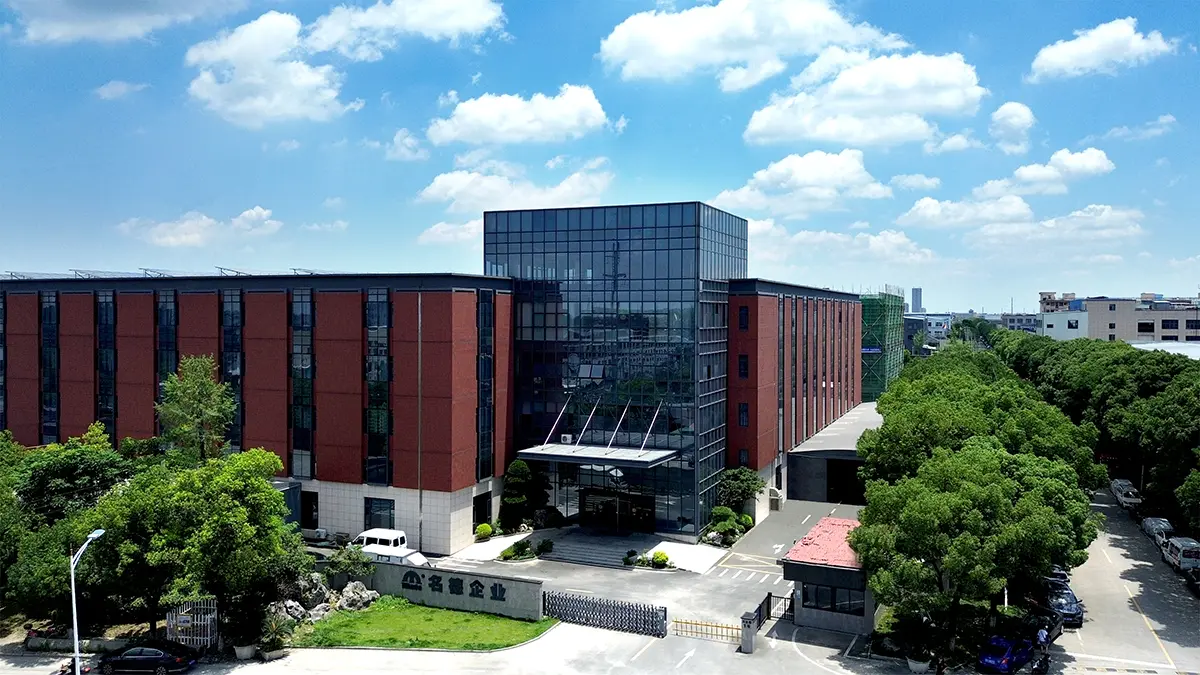
Based in the manufacturing core of Zhejiang Province, China, Ningbo Minde Building Materials Co., LTD. is a professional manufacturing facility with over two decades of dedicated R&D and production expertise. We specialize in plastic piping systems designed for residential water delivery, agricultural irrigation, and high-efficiency floor heating installations.
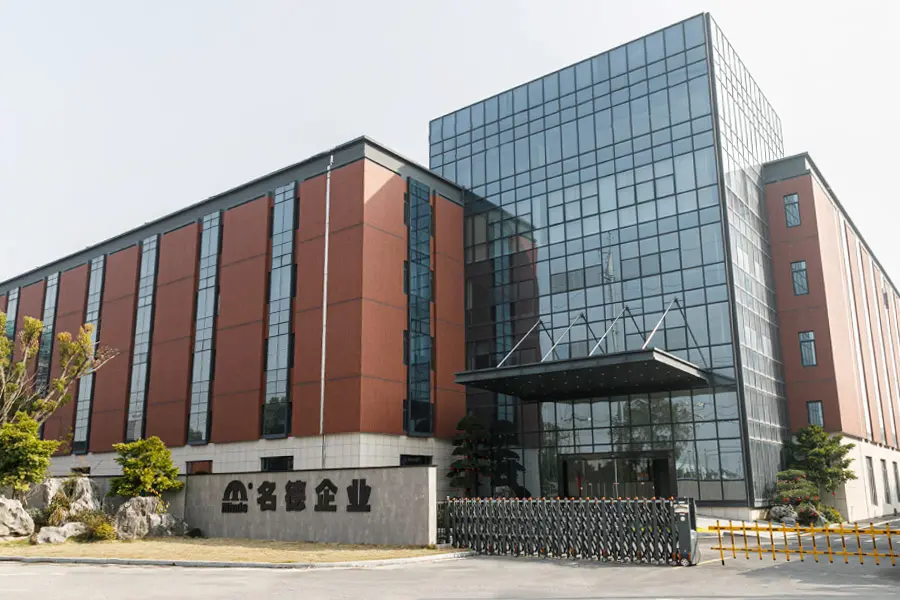
To ensure zero-defect production, our company uses premium imported virgin raw materials, rejecting low-grade recycled polymers that undermine pipe structure. Operating from an expansive standardized manufacturing complex of over 90,000 square meters, Minde maintains complete control over the production supply chain.
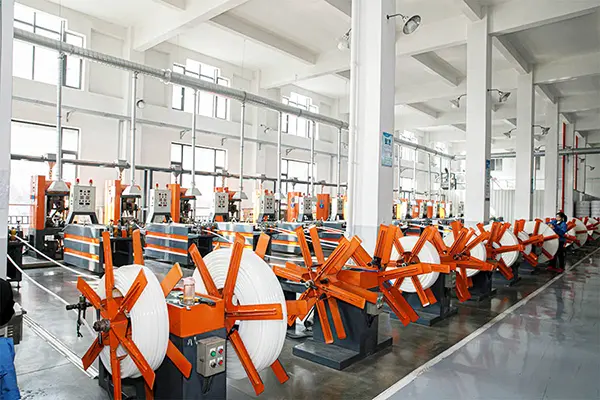
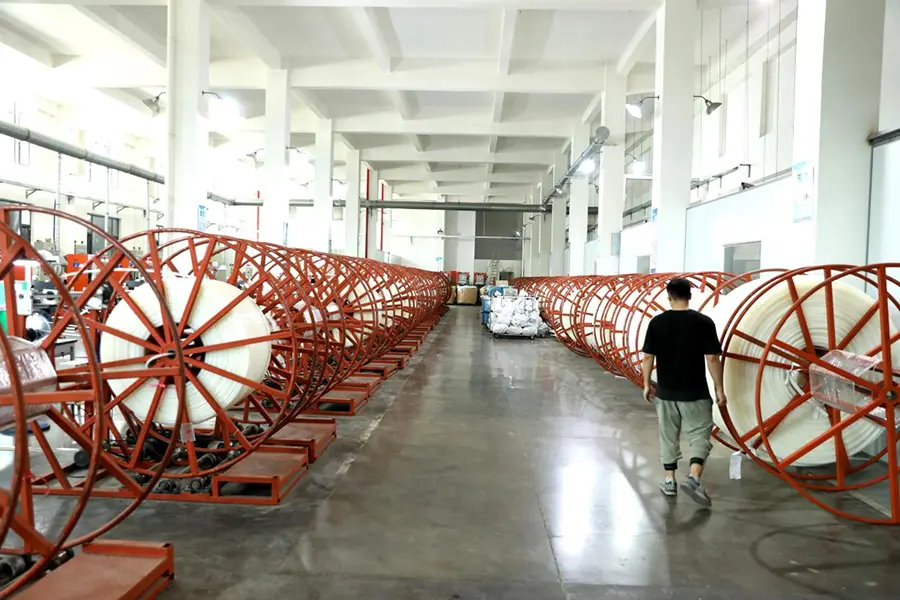
Pipe Extrusion Lines
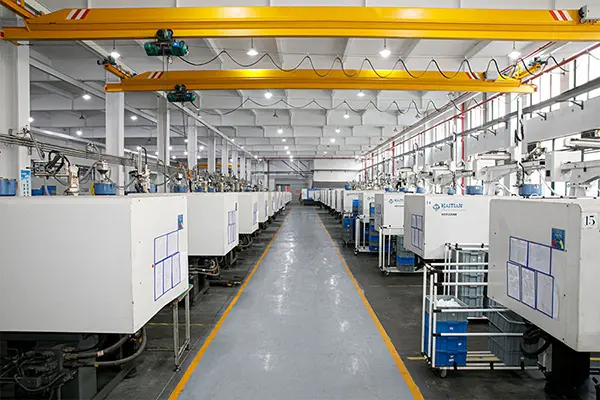
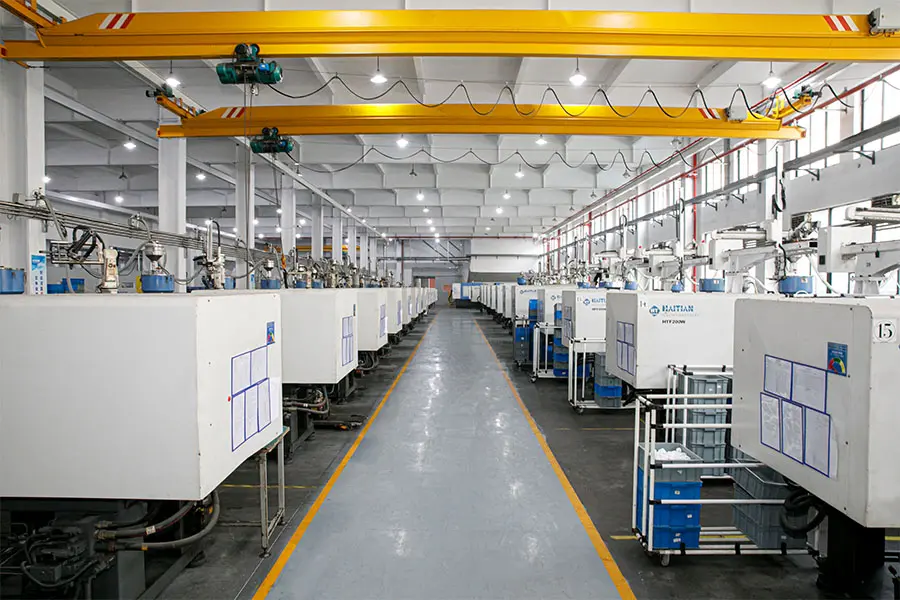
Injection Molding Machines
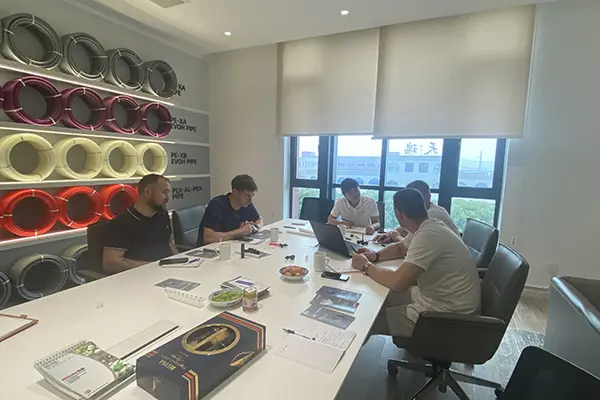
Skilled Specialists
Sqm Standard Workshop
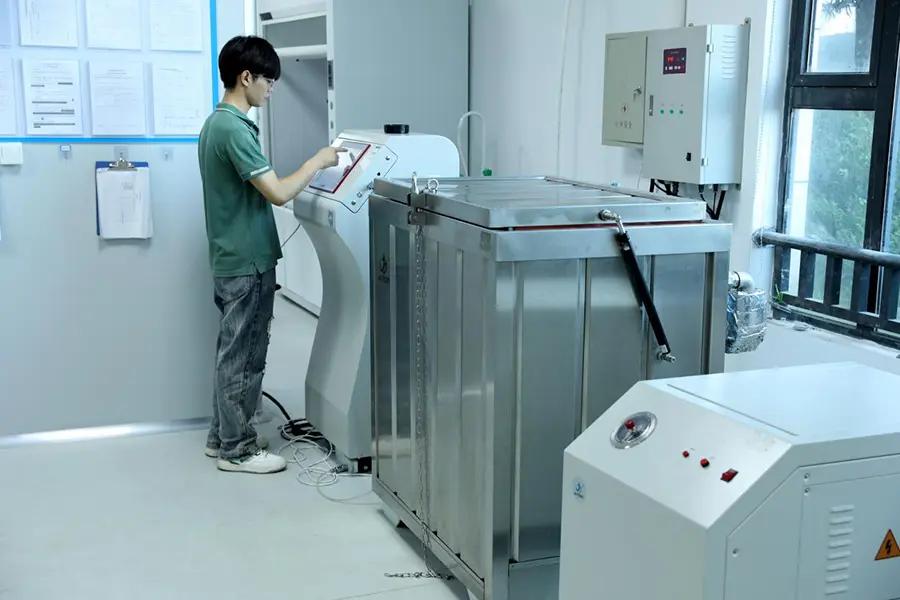
A brief look into our automated manufacturing process lines, bulk raw material management, and storage capacity.
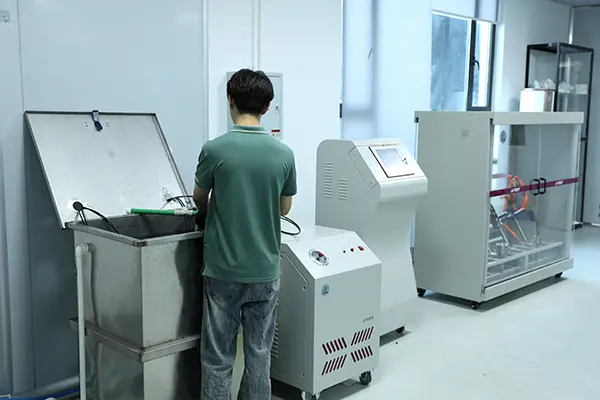
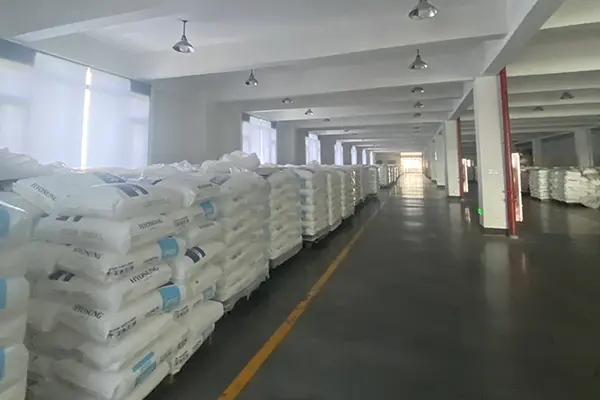
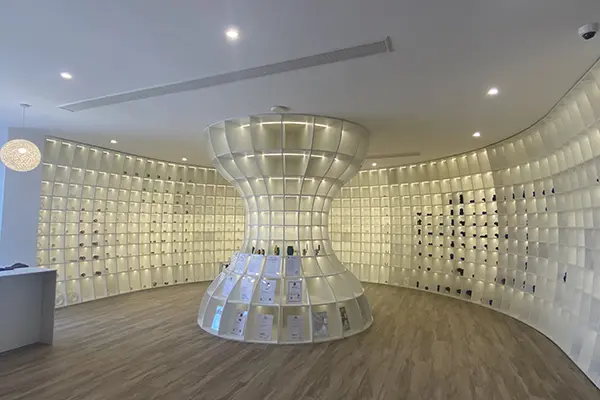
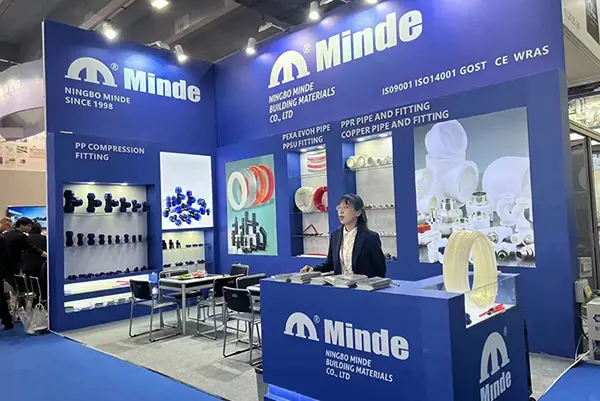
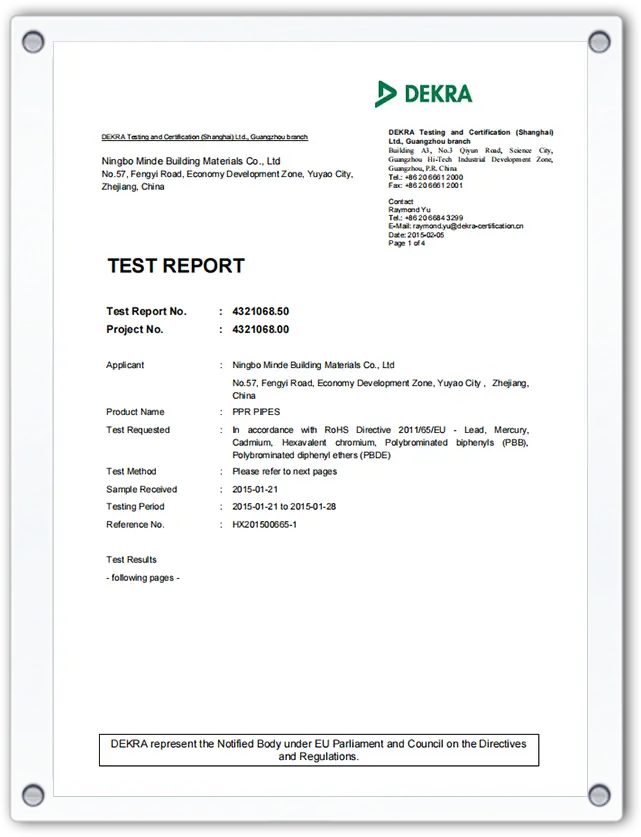
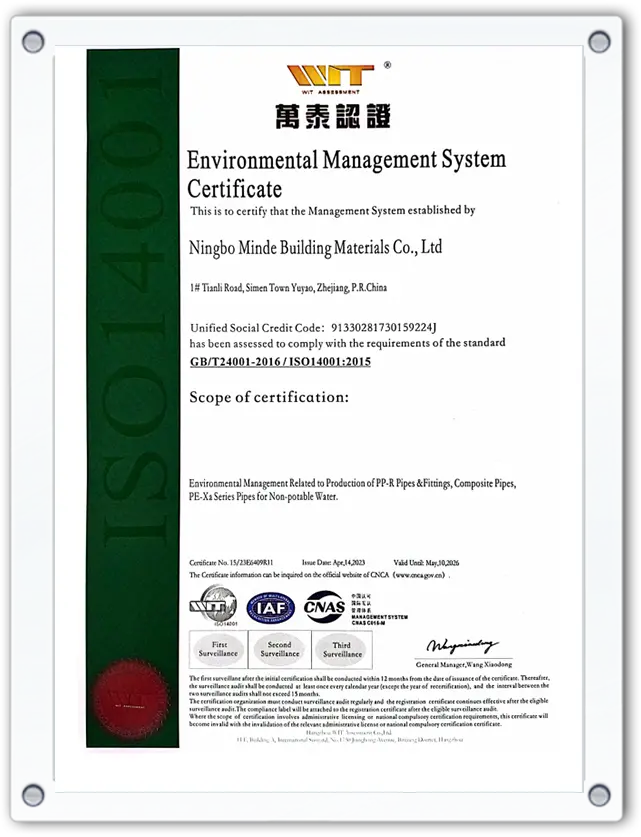
Minde's quality assurance framework is aligned with rigorous global standards. The factory has been audited and certified under ISO9001:2022 for quality management and ISO14001 for environmental management.
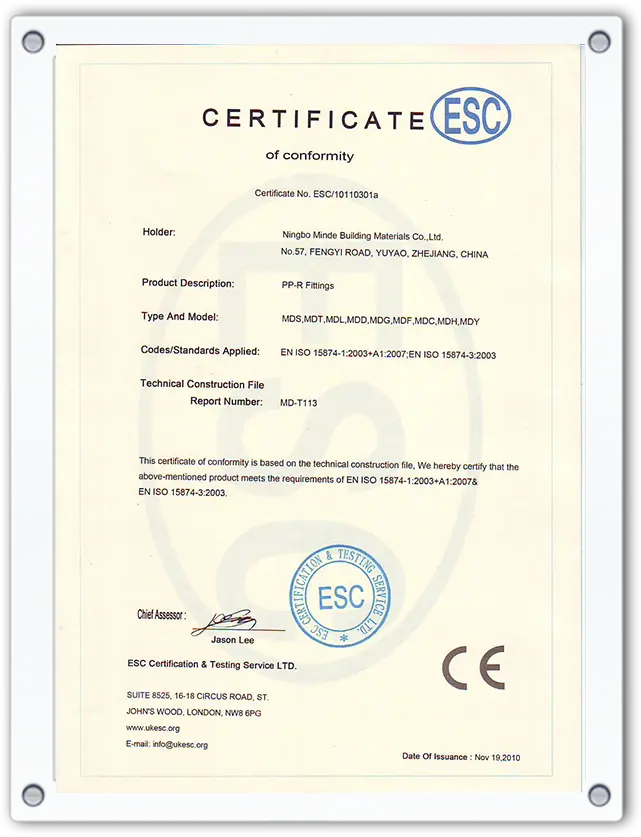
To support distribution to international markets, Minde fittings carry the European CE Certification, the United Kingdom's WRAS approval for drinking water systems, and the Russian GOST certification.
Our products are exported to over 50 countries, including Russia, Ukraine, Southeast Asia, South America, and the Middle East, ensuring safe and reliable water transport systems worldwide.

A Deep Dive into Fusion-Free PP Compression Technology and Cross-linked Polymer Chemistry
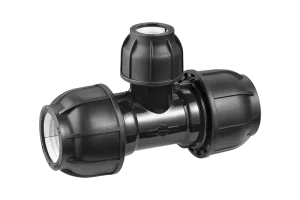
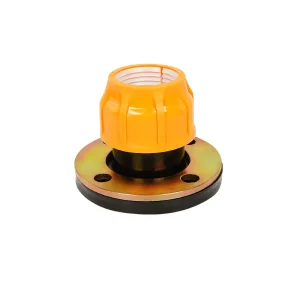
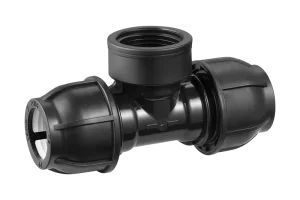
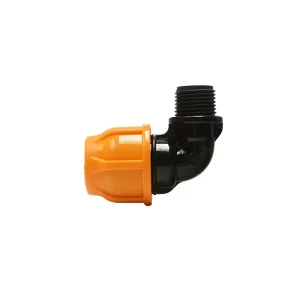
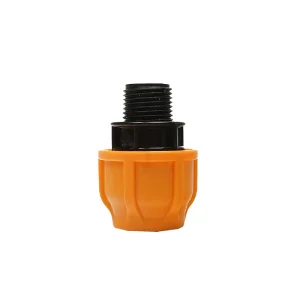
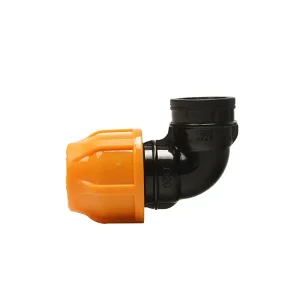
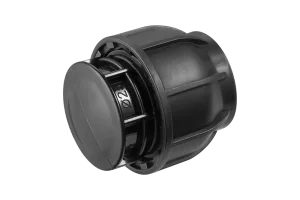
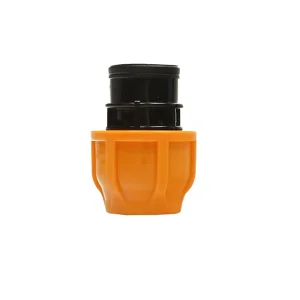
Modern mechanical PP compression fittings eliminate the need for thermal welding or solvent cementing. When tightening the nut, it compresses a conical polyacetal (POM) split-ring (clinching ring) onto the exterior wall of the HDPE pipe. This mechanism anchors the pipe securely to prevent pull-out under high-pressure thrusts, while an NBR or EPDM O-ring creates a watertight radial seal.
For radiant underfloor heating, oxygen entry into the pipeline can corrode metal boiler components. Cross-linked polyethylene (PE-Xb) co-extruded with an Ethylene Vinyl Alcohol (EVOH) copolymer oxygen barrier layer stops diffusion. This specialized polymer structure maintains thermal stability at high temperatures, protecting the system from mechanical and chemical wear.
To maintain structural integrity, Minde uses three key quality checkpoints:
1. Raw Material Verification: Testing polymer density and Melt Flow Index (MFI).
2. In-Process Tolerance Checks: Ensuring wall-thickness consistency.
3. Destructive Testing: Subjecting finished components to hydrostatic burst tests under elevated temperatures.
How Minde pipeline configurations solve challenging environmental and engineering problems across key sectors.
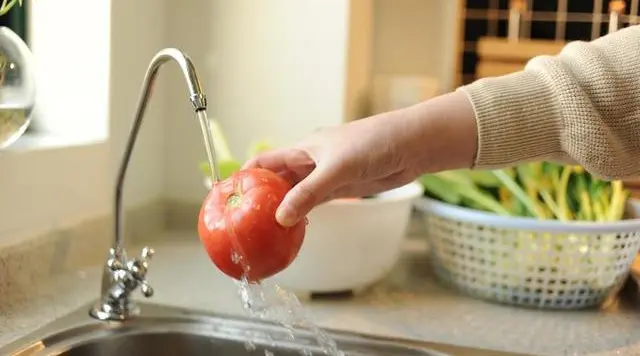
Safe, non-toxic water delivery is essential for modern urban and rural developments. High-Density Polyethylene (HDPE) lines combined with Minde PN16 PP compression couplers provide reliable, lead-free connections.
The smooth interior surface of these fittings prevents mineral scaling and biofilm accumulation, reducing pumping losses over long distances. Since the compression system requires no heavy machinery or power source, contractors can connect pipelines in remote settings or tight trench configurations where thermal butt fusion is impractical.
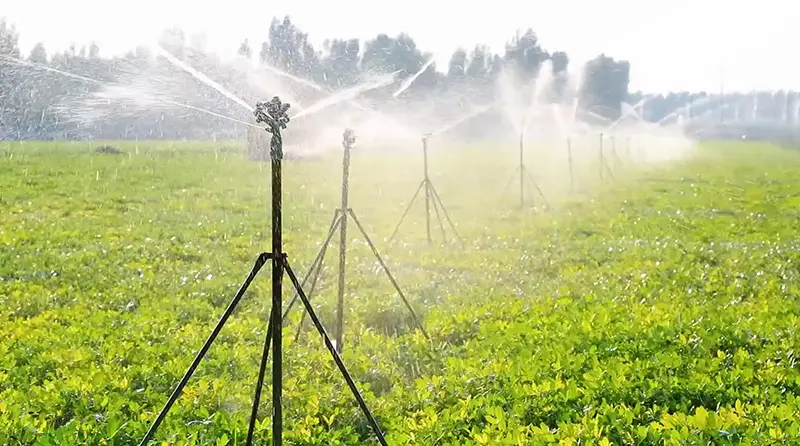
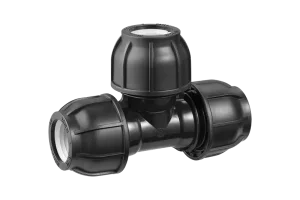
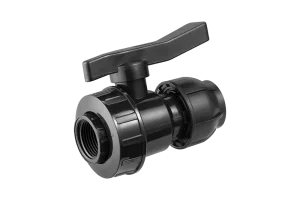
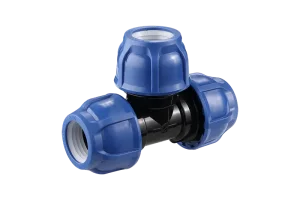
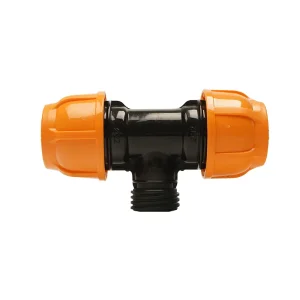
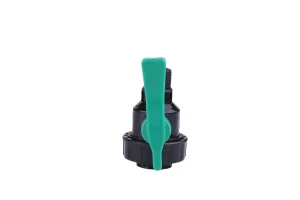
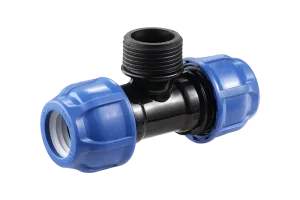
Agricultural irrigation requires durable materials that can withstand UV exposure, chemical fertilizer injection, and variable field pressures. Minde's PP compression reducing tees, equal tees, and ball valves are UV-stabilized, making them ideal for outdoor installations under direct sunlight.
These fittings prevent leak-related pressure drops across long crop rows, helping agricultural operations optimize water distribution and maintain precise chemical dosing throughout their drip line networks.
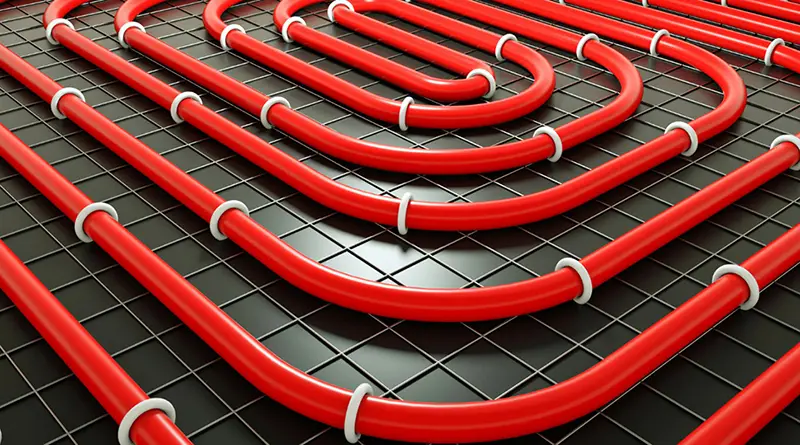
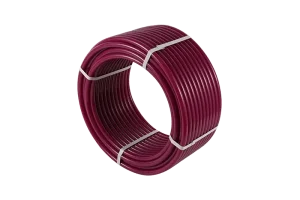
Radiant heating requires highly flexible pipe networks capable of handling continuous thermal expansion cycles. Minde PEX-AL-PEX multilayer composite pipes and PE-Xb EVOH co-extruded tubes provide long-term service under hot water circulation conditions.
The oxygen-barrier (EVOH) layer keeps dissolved oxygen from entering the closed-loop boiler fluid, preventing oxidation of expensive internal components like bronze impellers and cast-iron heat exchangers.
Years of R&D Experience
Exporting Nations
Virgin Raw Material
Pressure Rating Capabilities
Detailed technical advice for pipeline designers, distributors, and procurement teams.
"PN" indicates the nominal pressure rating in bars at 20°C. A PN10 fitting is designed to operate safely at working pressures up to 1.0 MPa (10 bar), while a PN16 fitting supports working pressures up to 1.6 MPa (16 bar). PN16 fittings feature thicker structural walls, reinforced structural ribbing, and robust internal split-ring grips to prevent pipe blowout in high-pressure installations.
Plastics are naturally permeable to gases. In closed-loop hydronic heating systems, oxygen can diffuse through the pipe wall into the circulating hot water. This oxygen corrodes metallic parts in the boiler, heat exchangers, valves, and manifold systems. The EVOH (Ethylene Vinyl Alcohol) layer acts as a barrier, preventing oxygen diffusion and protecting the system's metal components.
Yes, our compression fittings are designed to connect with metric outside diameter HDPE pipes (PE80 and PE100) manufactured according to standard dimensional ratios (SDR). The flexible clinching ring adapts to standard pipe wall variations, creating a secure grip without affecting flow capacity.
We use strictly virgin, food-grade polypropylene and polyethylene resins. We do not use recycled regrind materials, which can contain contaminants that leach into drinking water or weaken the fitting's molecular structure. Our production processes are verified by WRAS (Water Regulations Advisory Scheme) and CE guidelines to ensure compliance with global safety standards.
First, cut the HDPE pipe cleanly at a right angle and chamfer the edge to prevent damage to the internal O-ring. Unscrew the fitting's blue nut, then slide it onto the pipe followed by the clinching ring and thrust ring. Push the pipe into the fitting body until it passes the O-ring and hits the internal stop. Slide the clinching ring and thrust collar into place, then tighten the blue nut by hand. For sizes over 40mm, use a compression wrench to ensure a secure seal.
Complete mechanical components for municipal pipelines, agricultural irrigation systems, and radiant floor installations.
 Minde
Minde