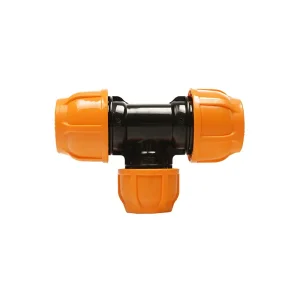
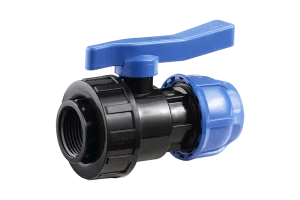
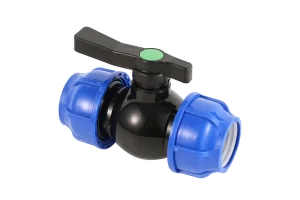
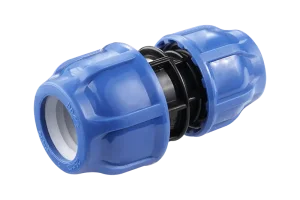
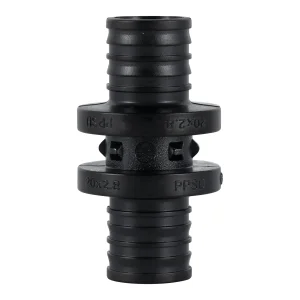
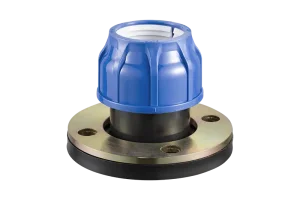
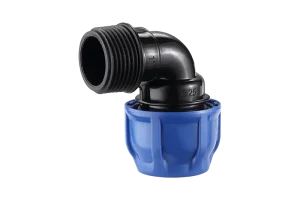
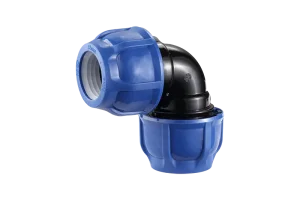
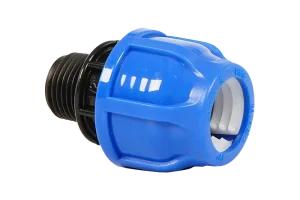
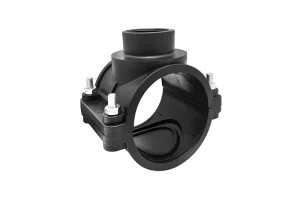
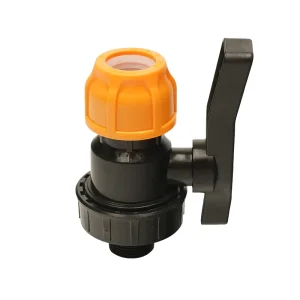
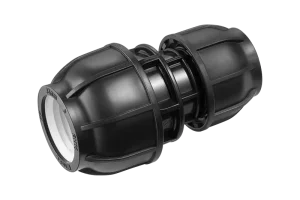
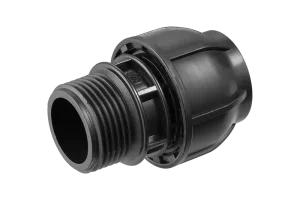
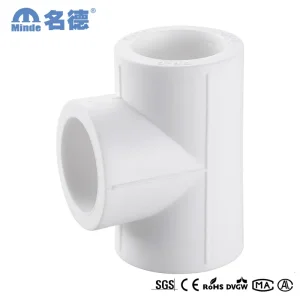
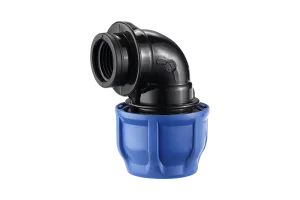
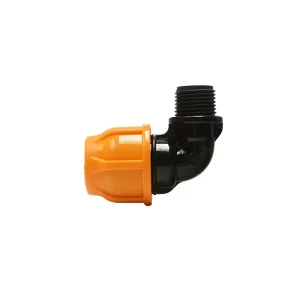
Explore our top-selling precision-engineered PP compression fittings and piping components designed for PN16/PN10 fluid control systems.
In the modern era of fluid transmission, traditional copper, carbon steel, and galvanized iron systems are undergoing a systemic replacement by thermoplastic materials. Among these, Polypropylene (specifically Polypropylene Random Copolymer - PPR, and Polypropylene Homopolymer - PPH) stands out as the material of choice for municipal, agricultural, and industrial piping operations. Driven by the need for chemical inertness, high temperature stability, corrosion resistance, and low lifetime thermal conductivity, global project managers are aggressively targeting Chinese manufacturers to secure scalable, quality-certified supply pipelines.
This whitepaper provides an expert-level technical exploration of the Polypropylene (Polyprop) pipe and fitting landscape, with a specific focus on sourcing mechanisms, quality indicators, pricing models, and engineering criteria. It covers the performance of PN10 and PN16 service standards, material performance limits, and optimal installations for heavy-duty civil engineering and high-precision fluid processes.
Polypropylene's crystalline configuration and thermal characteristics make it highly resistant to chemical corrosion and environmental stress cracking. When matched with precision PP Compression fittings, it forms a completely sealed joint mechanism that prevents system leaks and energy loss.
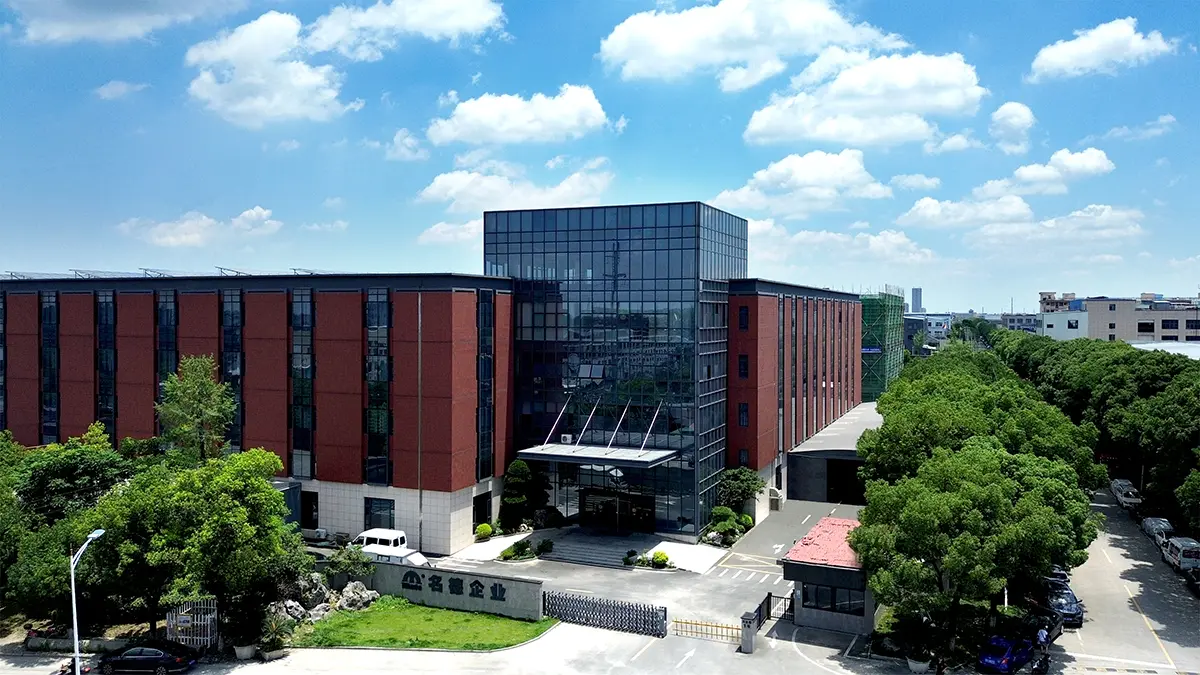
Rooted in Ningbo, Zhejiang Province, China, Ningbo Minde Building Materials Co., LTD. has spent over two decades developing high-durability plastic water pipe and matched joint solutions. The factory specializes in engineering structural piping products for clean drinking water networks, automated agricultural spray setups, and energy-efficient radiant underfloor heating arrays.
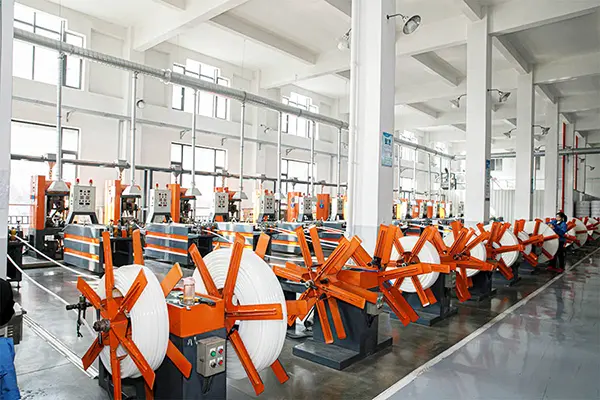
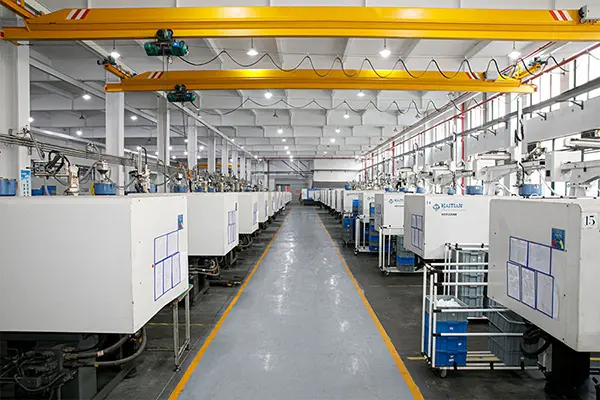
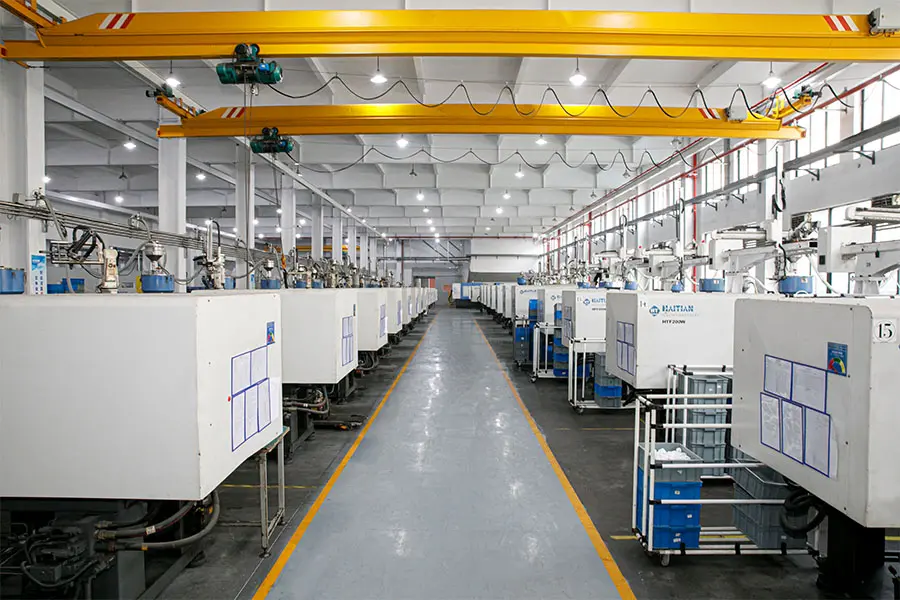
Minde's quality policy focuses on the exclusion of recycled or sub-standard polymer materials. The manufacturing site uses premium imported virgin polypropylene resins to prevent micro-fissuring and guarantee the structural stability of the pipe walls. The company operates a modern facility designed for high-capacity production:
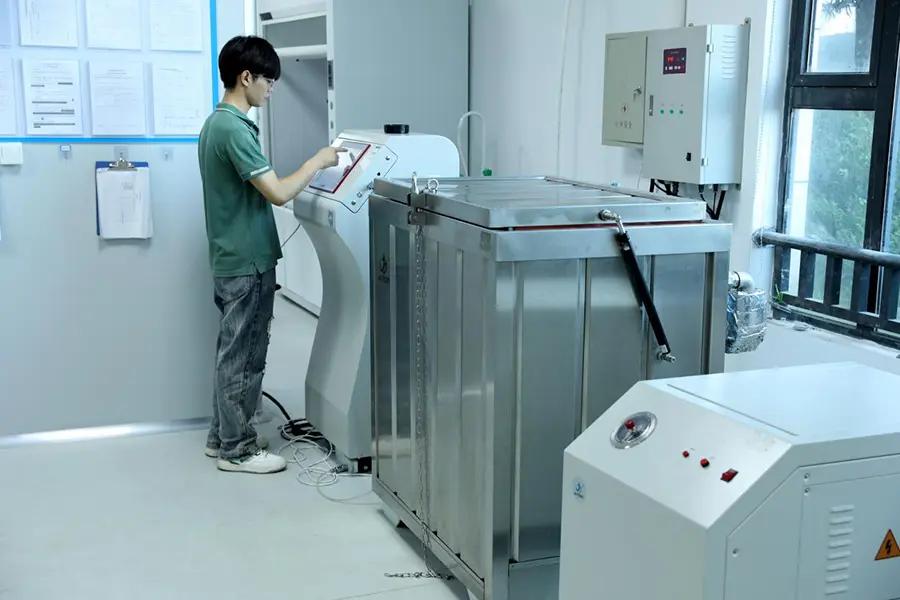
Minde's quality control framework uses a three-tier inspection workflow:
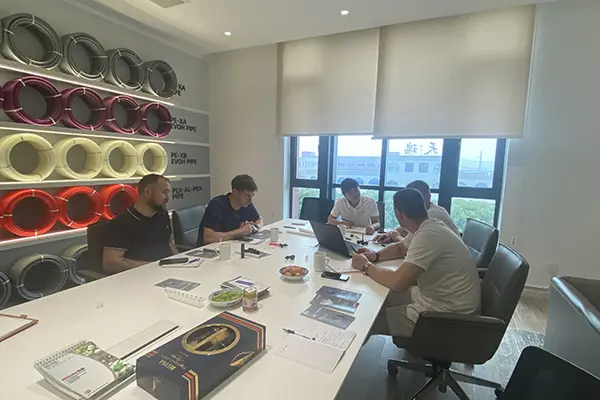
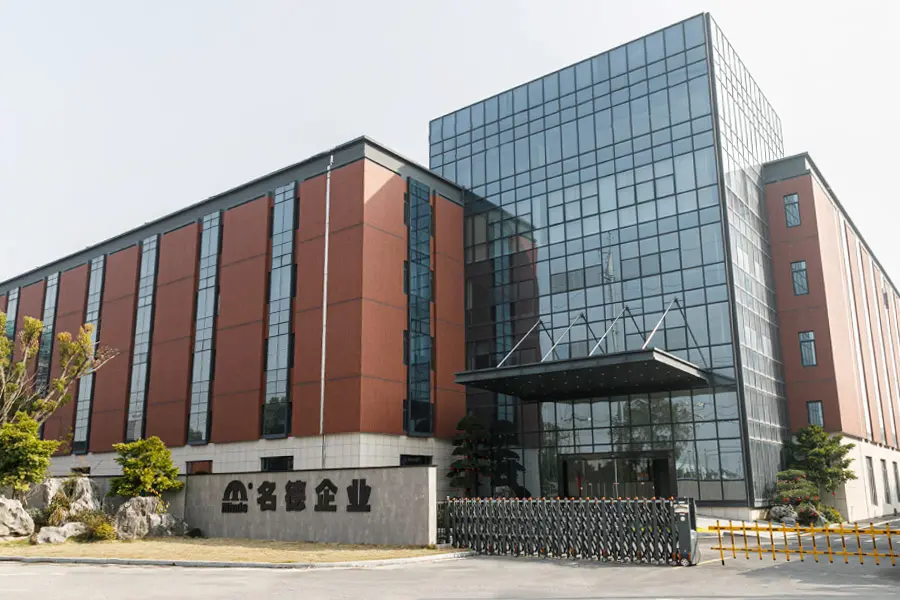
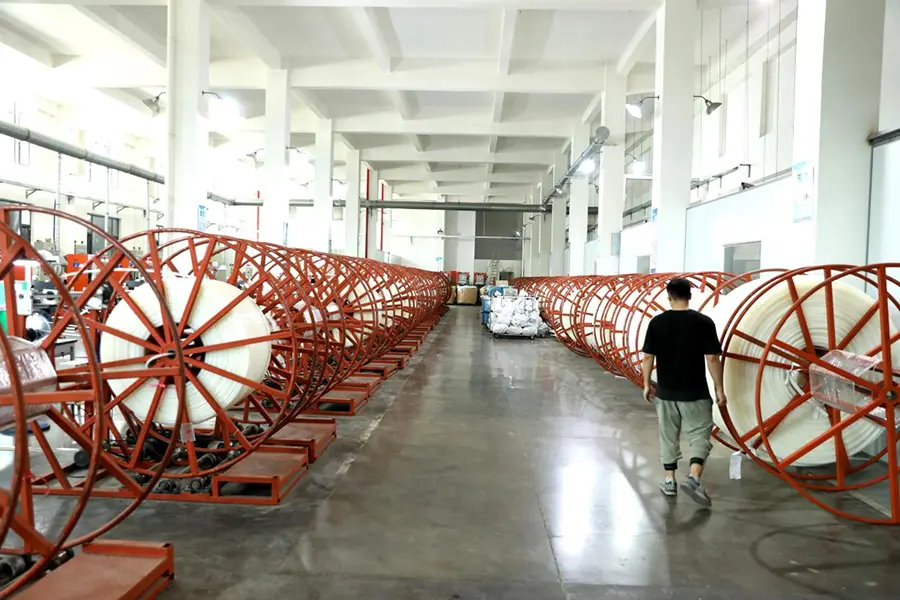
Minde maintains dedicated production bays, clean injection molding environments, and advanced laboratories to support large-scale industrial orders. Below is a view of our operational infrastructure:
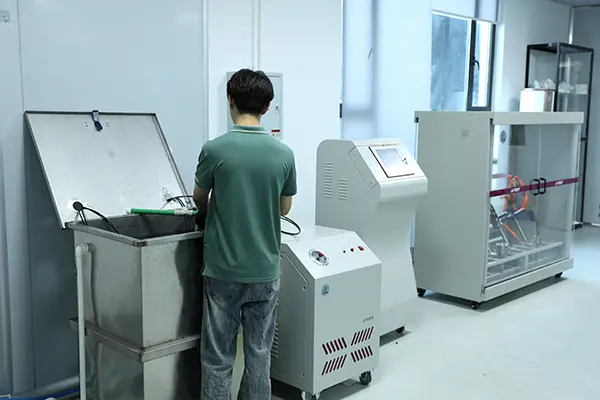
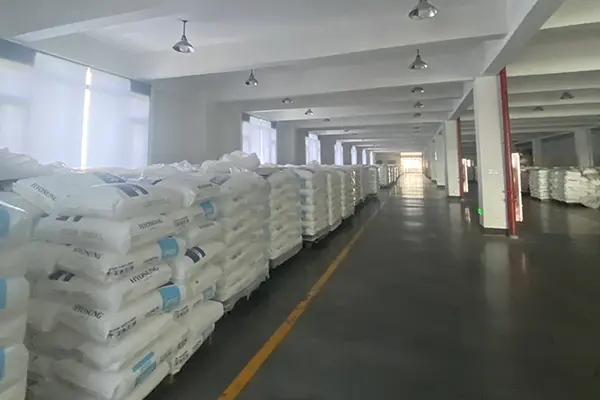
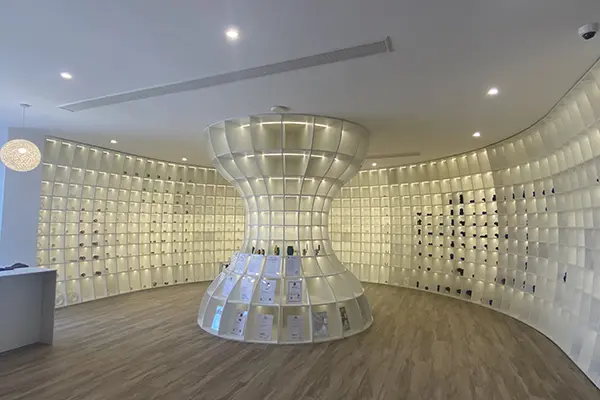
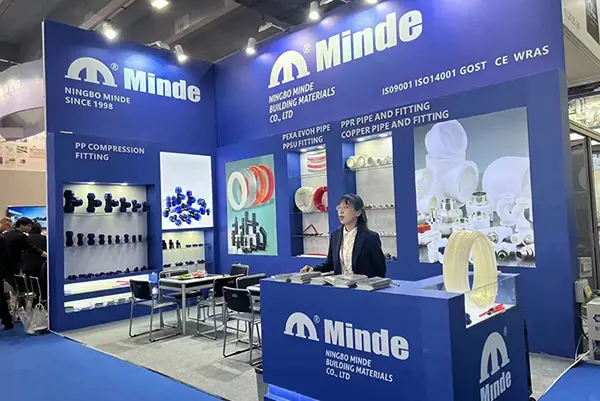
Understanding the structural differences in polypropylene materials is critical for selecting the right system. Polypropylene piping systems fall into three main categories: PP-H (Homopolymer), PP-B (Block Copolymer), and PP-R (Random Copolymer). Each type is optimized for specific temperature and chemical conditions.
| Piping Material Class | Crystalline/Molecular Structure | Optimal Operating Temp. Range | Primary Applications |
|---|---|---|---|
| PP-H (Homopolymer) | Pure propylene monomer polymerization in a single chain. High rigidity. | 0°C to 100°C (Prone to embrittlement under 0°C) | Industrial chemical processing, wastewater ventilation. |
| PP-B (Block Copolymer) | Propylene and ethylene monomers in structured block arrays. Higher impact strength. | -20°C to 60°C (High shock resistance) | Sewerage, drainage, underground high-load conduit piping. |
| PP-R (Random Copolymer) | Random distribution of ethylene within the propylene chain. Balanced flexibility. | -10°C to 95°C (Excellent hot/cold performance) | Potable hot/cold water, underfloor heating, plumbing networks. |
| PP-RCT (Crystalline Temp. Resistant) | Modified crystalline structure with improved high-temperature pressure resistance. | -10°C to 95°C (Higher pressure rating at high temps) | High-stress commercial HVAC, district heating networks. |
For drinking water installations, PPR has become the preferred option. Its smooth inner wall (low roughness coefficient of 0.007 mm) prevents scaling and reduces friction-induced pressure drop. This allows pumps to operate with lower energy consumption over the lifetime of the system.
Industrial piping demands vary by region and installation environment. Sourcing standard parts requires matching the correct mechanical fitting to the project application. Minde's compression and fusion fittings are designed for three primary applications:
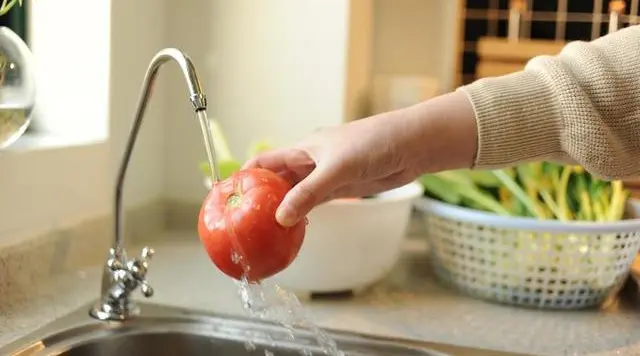
Designed for food-grade clean water distribution. Minde's WRAS-compliant raw materials prevent chemical leaching, maintaining taste purity and biological safety in municipal and residential plumbing.

Engineered for high-exposure outdoor settings. These components are resistant to UV radiation and thermal cycling, and can handle fertilizer injection solutions without material degradation.
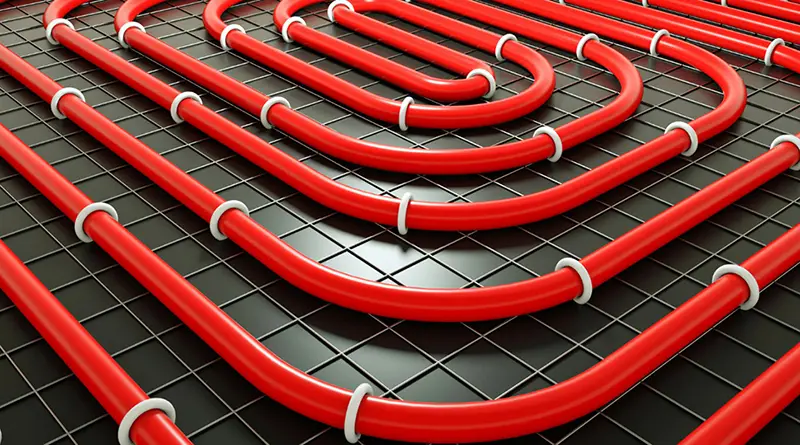
Designed for continuous thermal circulation. The low thermal expansion of PPR and PPSU fittings ensures leak-free operation when embedded in concrete screeds.
In municipal agricultural irrigation, PP compression fittings (such as PN16-rated reducing tees, saddles, and ball valves) enable fast mechanical connections without the need for fusion welding equipment. This reduces labor costs in remote agricultural installations.
Securing supply lines from China requires verification of international certification and test standards. These certifications ensure the components will perform reliably under varying pressure ratings (PN10 vs PN16) and thermal limits. Minde's production processes conform to several international quality systems:
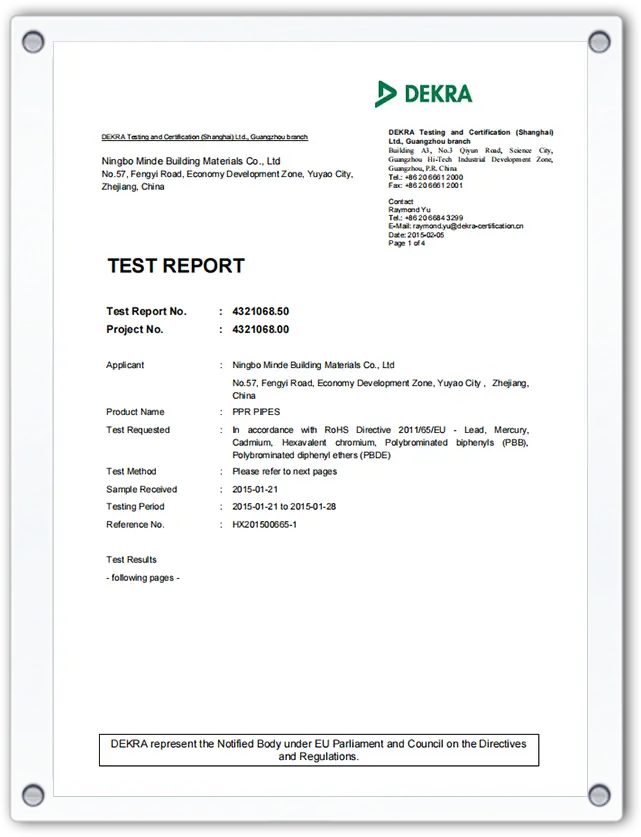
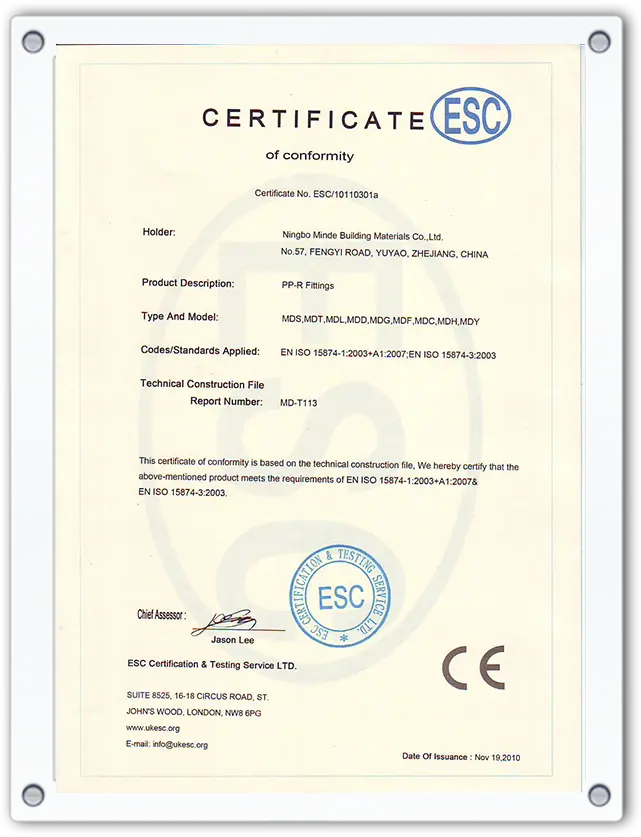
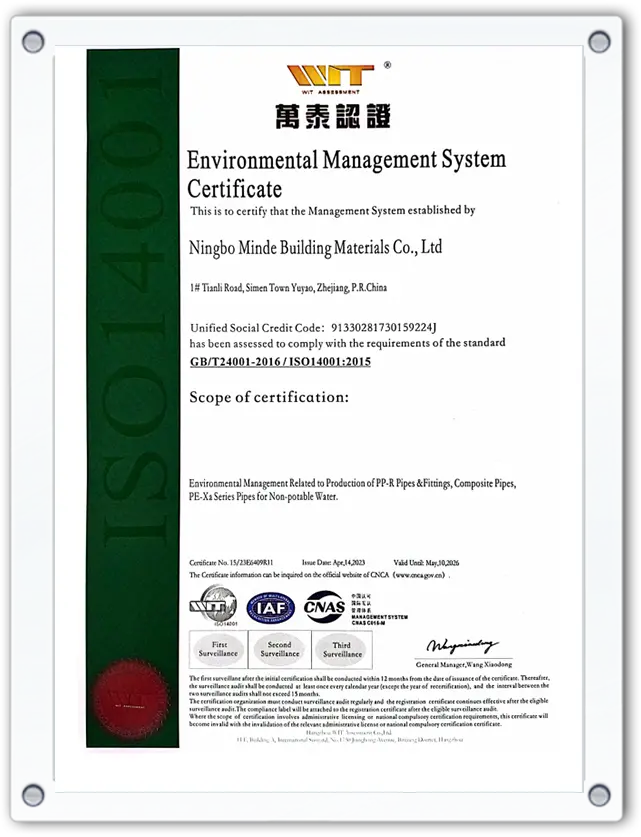
When requesting quotes for polypropylene pipes and fittings, it is important to analyze the breakdown of manufacturing costs. A complete commercial quote typically depends on the following variables:
Minde aims to establish long-term business partnerships through consistent quality, competitive pricing, and reliable after-sales support. We export to over 50 countries, including Russia, Ukraine, South America, and the Middle East.

Expert answers to common engineering, procurement, and installation questions about Polypropylene systems.
Complete your layout using our range of quick-connect couplings, saddles, ball valves, and PPR pipes.
 Minde
Minde