Explore our catalog of certified PP compression fittings, ball valves, and couplers designed for high-density polyethylene (HDPE) and polypropylene (PP) infrastructure projects. Built to survive harsh environments under PN10 and PN16 pressure ratings.
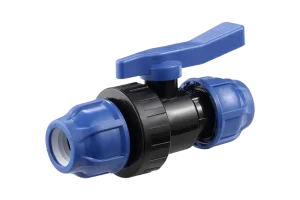
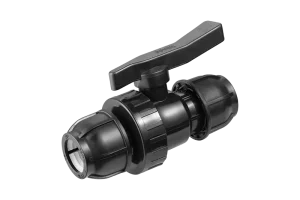
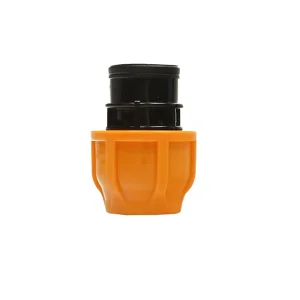
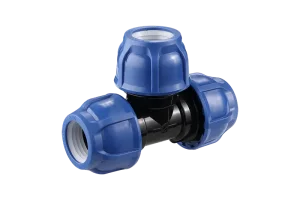
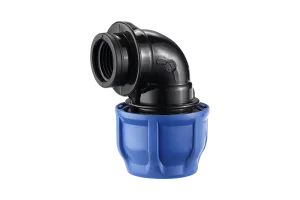
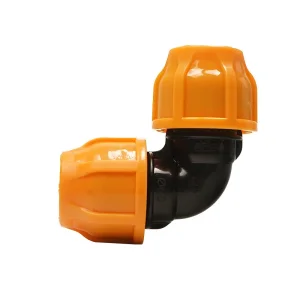
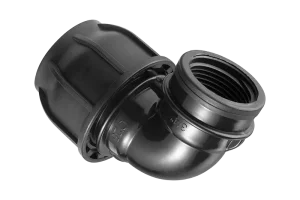
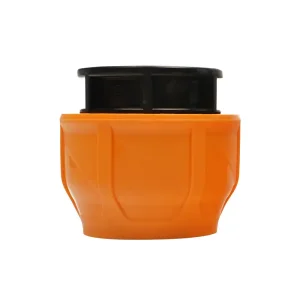
Polypropylene (PP) has emerged as the premier polymer matrix for structural municipal, industrial, and agricultural drainage systems worldwide. Unlike legacy systems constructed from ductile iron or polyvinyl chloride (PVC), polypropylene offers superior chemical resistance, elastic tolerance, and mechanical strength over a wide temperature range (-10°C to 50°C). As urban infrastructure faces the compound challenges of chemical effluent runoff, shifting geotechnical foundations, and severe hydrological events, selecting high-integrity PP piping systems is critical to reducing lifecycle failure rates.
This document details the engineering specifications, manufacturing methodologies, and systemic benefits of sourcing Polypropylene drainage solutions directly from premier Chinese manufacturing corridors. Through structural optimizations and raw material control, entities such as Ningbo Minde Building Materials Co., LTD. are resetting international baseline performance standards for PN10 and PN16 compression fittings and matching structural conduits.
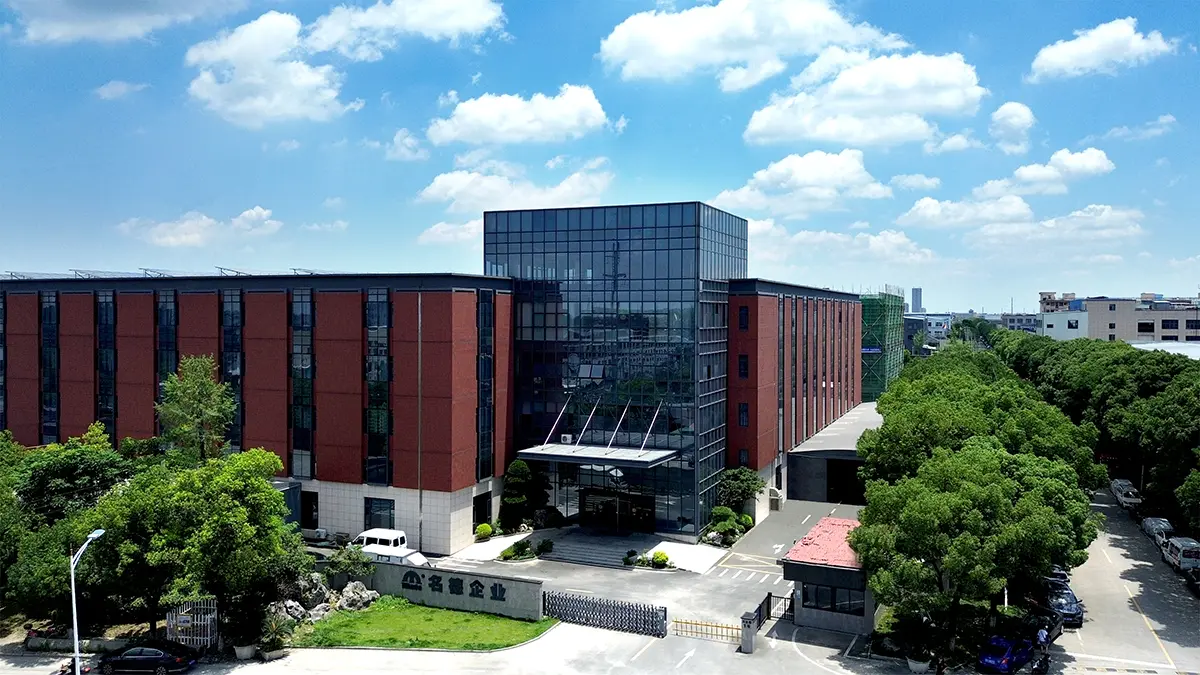
Rooted in the industrial hub of Ningbo, Zhejiang Province, China, Ningbo Minde Building Materials Co., LTD. has specialized in the development, manufacturing, and distribution of plastic piping systems for over two decades. Our enterprise offers direct integrated support for residential potable water networks, municipal wastewater systems, automated agricultural irrigation schemes, and high-efficiency underfloor hydronic heating manifolds.
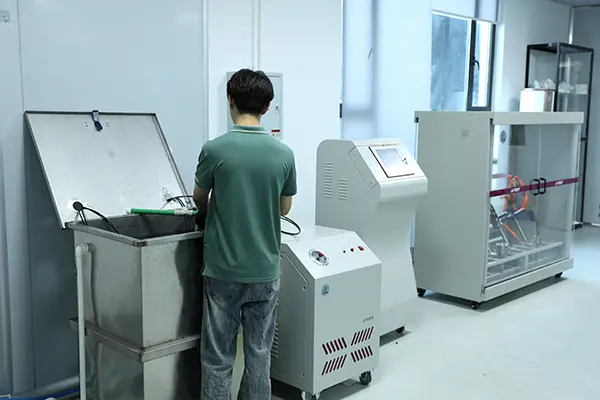
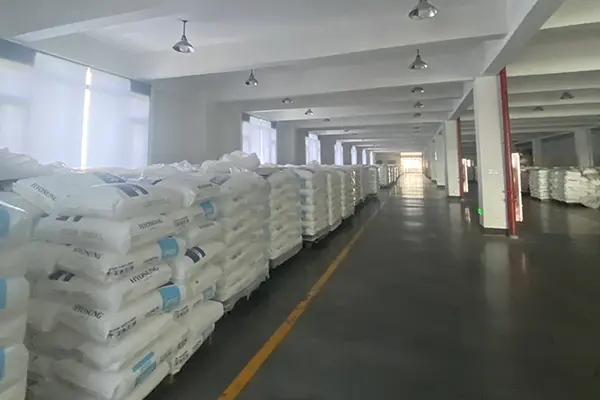
To produce non-toxic, eco-friendly pipes and fittings of optimal tensile strength, MINDE strictly processes premium imported virgin raw resins. The factory uses advanced raw material feeding protocols that automate ingredient distribution to eliminate physical inconsistencies. With a multi-tier quality assurance protocol, products undergo evaluation across three checkpoints: incoming raw material verification, real-time in-process monitoring, and batch-wise finished product pressure tests, guaranteeing close to 100% compliance prior to leaving the facility.
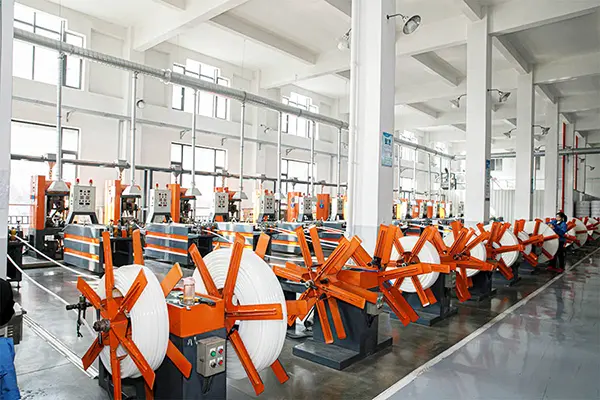
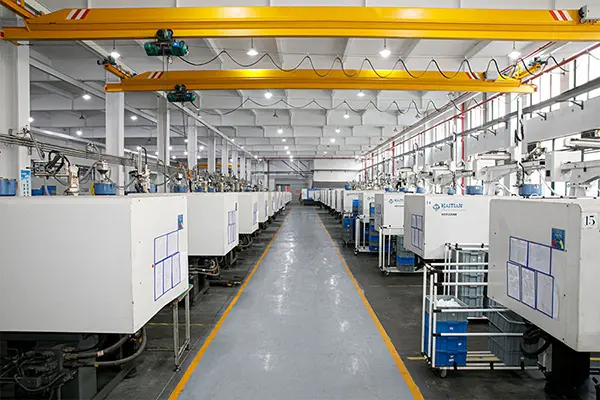
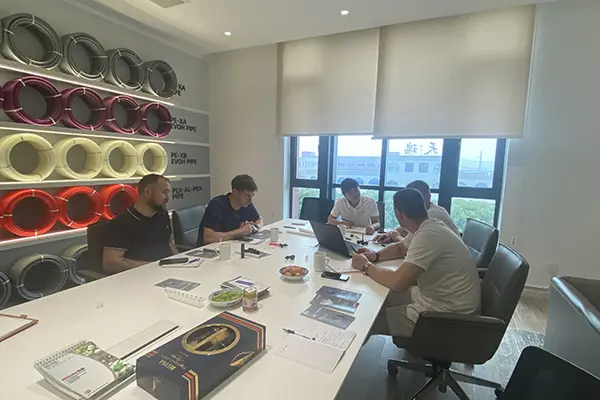
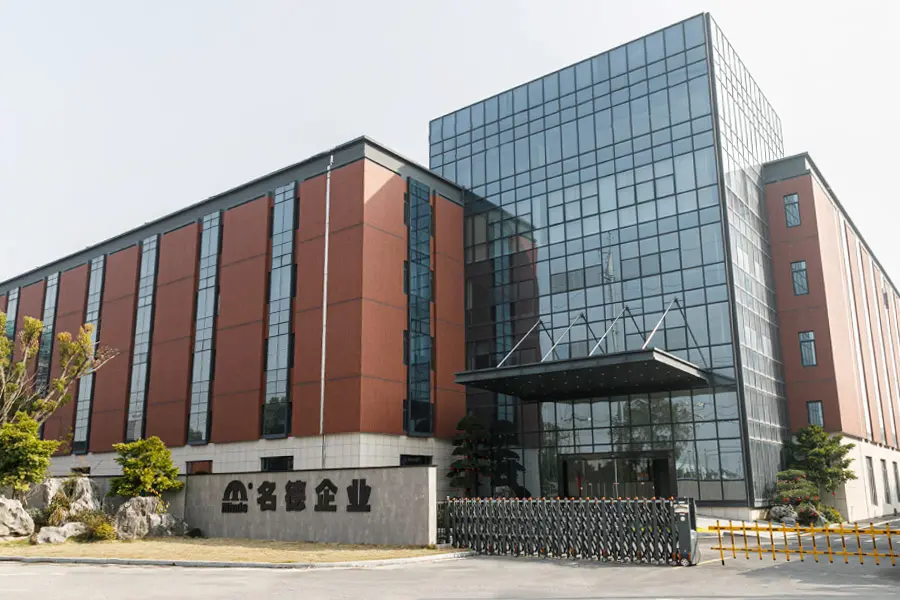
Sourcing polypropylene drainage pipes and fittings from China provides global distributors and contractors with distinct supply chain advantages that extend beyond low labor costs:
The concentration of component suppliers, raw material compounding units, and mold designers in the Zhejiang industrial corridor ensures rapid tool modifications and compressed manufacturing lead times.
Large manufacturing footprint, such as our 90,000+ square meter factory, allows for bulk raw material purchasing. This mitigates price fluctuations of polymer resins and guarantees stable client pricing structures.
Proximity to key deepwater facilities like the Port of Ningbo-Zhoushan translates to streamlined container logistics, reducing transit times, customs complications, and international freight outlays.
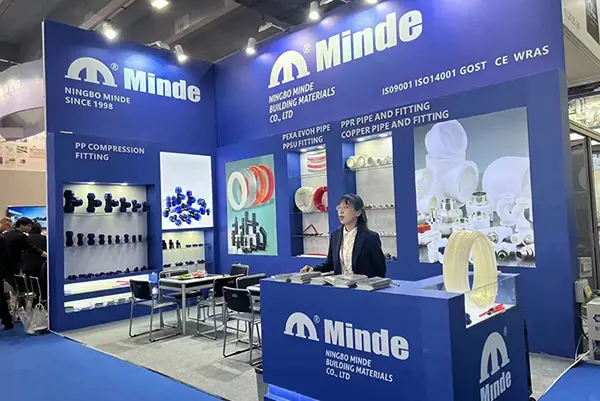
Engineering compliance is fundamental to structural drainage integrity. Products must satisfy distinct chemical, mechanical, and pressure profiles before field deployment. MINDE products conform to international quality baselines, certified under certifications including: ISO9001:2022 Quality Management System, ISO14001 Environmental Management System, EU CE Certification, British WRAS (Water Regulations Approval Scheme) for potable water safety, and Russian GOST standardization.
| Polypropylene Property | Standard Reference Value | Structural Engineering Benefit |
|---|---|---|
| Density | 0.90 - 0.91 g/cm³ | Low physical weight reduces transportation and structural installation costs. |
| Operating Thermal Range | -10°C to +50°C (up to 95°C for short duration) | Resists cracking in cold weather and retains structural integrity in hot discharge scenarios. |
| Hydrostatic Strength (PN16) | Capable of sustaining continuous 1.6 MPa at 20°C | Exceeds standard low-pressure gravity drainage mandates; prevents blowouts. |
| Chemical Resilience | pH 2 to pH 12 (highly resistant) | Resistant to organic solvents, industrial waste acids, and inorganic salts. |
| Elastic Modulus | 1300 - 1800 MPa | High ring stiffness allows burial under major highways with heavy wheel loads. |
Polypropylene systems are designed to meet the operational demands of distinct civil and private infrastructure sectors:

Our PN10 and PN16 compression fittings ensure watertight, leak-free joints in municipal water mains and low-pressure drainage lines, reducing the risk of soil subsidence and pipe degradation.
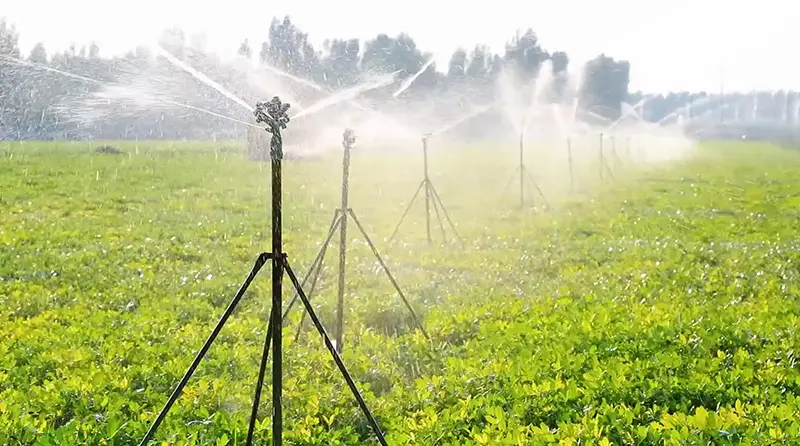
Resistant to UV degradation, chemical fertilizers, and mechanical stress from field machinery. Ideal for crop irrigation in challenging terrains.
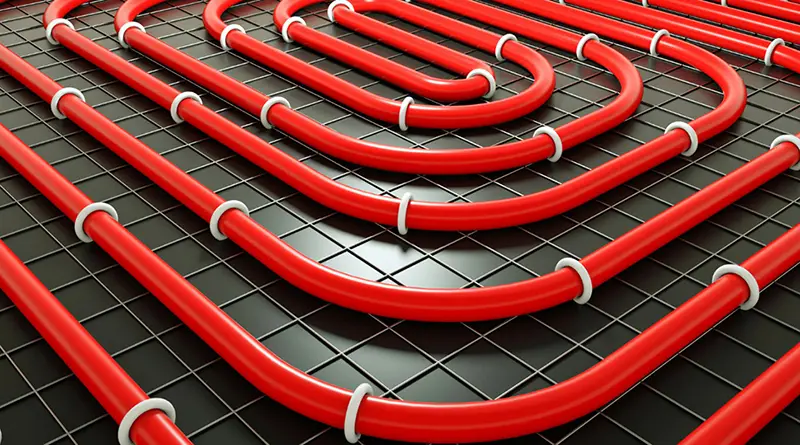
Withstands continuous thermal cycling and prevents oxygen permeation, protecting metallic manifolds and boiler components from rust.
Industrial procurement teams face a complex matrix of import regulations, quality standards, and localized specifications. Ningbo Minde coordinates with international inspection bodies to streamline logistics and compliance:
Ensures gravity sewer design compliance with strict wall thickness tolerances, rigid joint testing, and impact resistance certification.
Evaluates non-metallic components to confirm they do not contaminate drinking water or promote bacterial growth.
Verifies chemical waste drainage performance, including testing thermal expansion coefficients and high-temperature chemical suitability.
Certifies performance in sub-zero installations, ensuring polymer flexibility down to -15°C.
As the construction and municipal utility sectors transition toward sustainable infrastructure, polypropylene drainage systems are evolving through three key technological advancements:
1. Carbon Reduction & Recyclability: Polypropylene is highly recyclable compared to thermoset materials. Production advances allow for the integration of post-industrial PP materials into the core layers of non-pressure pipes. This structural co-extrusion reduces the overall carbon footprint while maintaining raw material integrity on both the interior and exterior surfaces.
2. Acoustically Insulated Systems: Modern residential and commercial high-rise projects demand sound-attenuated drainage lines. Manufacturers are developing multi-layer PP systems containing mineral-reinforced compounds (such as barium sulfate). These structures absorb acoustic vibrations from falling wastewater, outperforming traditional PVC or cast iron systems.
3. Smart Piping Integration: With the expansion of the Industrial Internet of Things (IIoT), drainage networks are integrating continuous monitoring tools. Modern polypropylene designs can feature inner surfaces lined with conductive layers or integrated sensor slots, allowing municipal operators to track leaks, flow rates, and pH fluctuations in real time.
Get authoritative answers to common technical, manufacturing, and shipping questions about polypropylene piping systems.
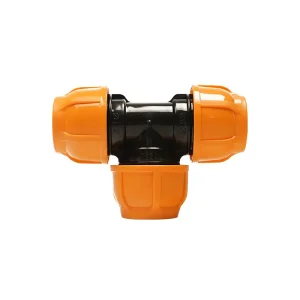
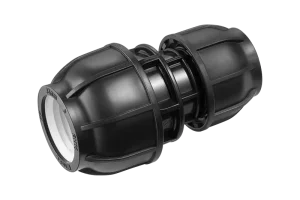
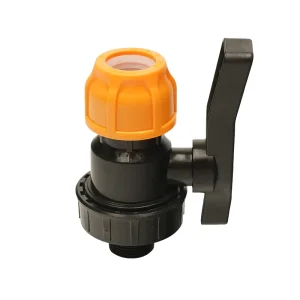
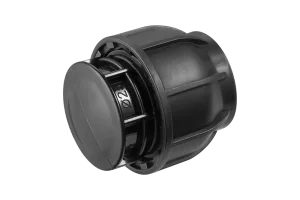
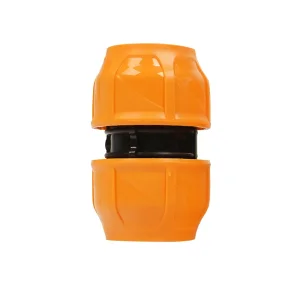
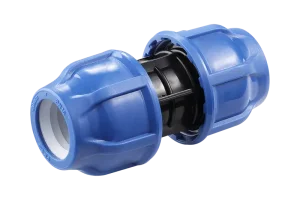
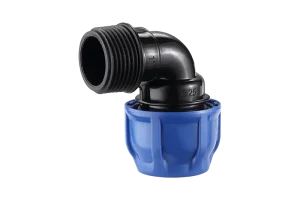
Browse additional structural joints, reducer couplers, and male/female adaptors designed to build robust pipelines under extreme environmental conditions.
 Minde
Minde