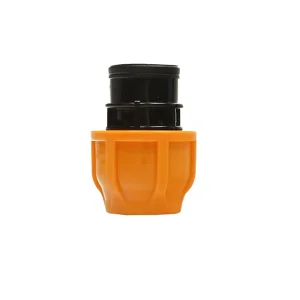
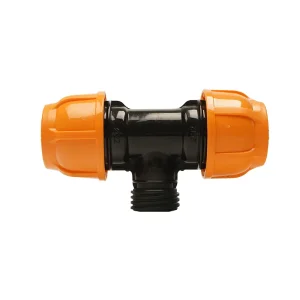
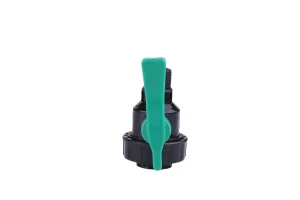
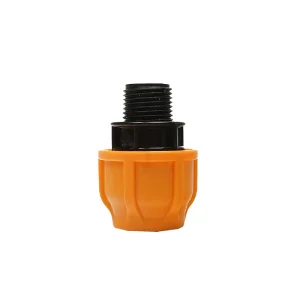
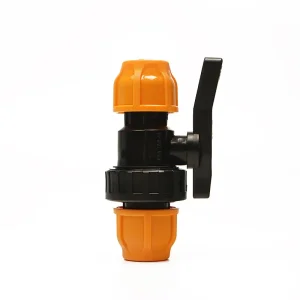
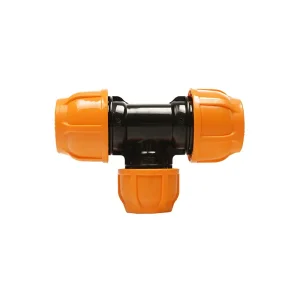
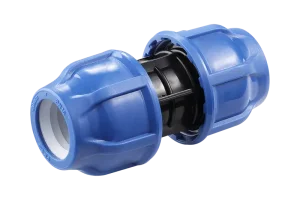
Explore our primary certified line of high-performance connectors, valves, and couplings designed for structural piping resilience under high operating pressures.
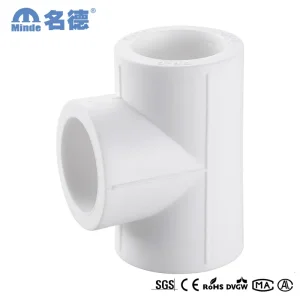
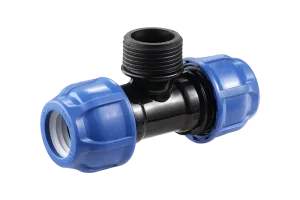
In modern industrial and civil engineering, the selection of polymer materials for fluid transportation is critical. Polypropylene Random Copolymer (PPR) has emerged as the global industry benchmark for potable water distribution, hydronic HVAC configurations, and chemical process piping. Under intense thermodynamic stress, traditional metallic pipes experience oxidative corrosion, calcified scaling, and severe thermal losses. PPR materials mitigate these failure points due to their specific molecular architecture: random insertion of ethylene chains into the polypropylene backbone provides balanced structural elasticity, elevated hoop stress resistance, and long-term chemical inertness.
“Engineering standardizations demand system lifespans exceeding 50 years under dynamic thermal cycles. This parameter is only attainable by configuring high-grade raw polymer compounds with advanced extrusion and injection tolerances.”
Purchasing departments in multi-national mechanical, electrical, and plumbing (MEP) firms focus heavily on compliance metrics. Sourcing PPR fittings requires meeting international drinking water standards, toxicological safety clearances, and pressure certifications. Key specifications include:
Industrial procurement is shifting away from low-cost sourcing toward total cost of ownership (TCO) models. Selecting premium-grade, virgin-imported raw polymers prevents early failure caused by environmental stress cracking (ESCR) and thermal aging. This change reduces operational liabilities for contractors, engineering developers, and facility owners.
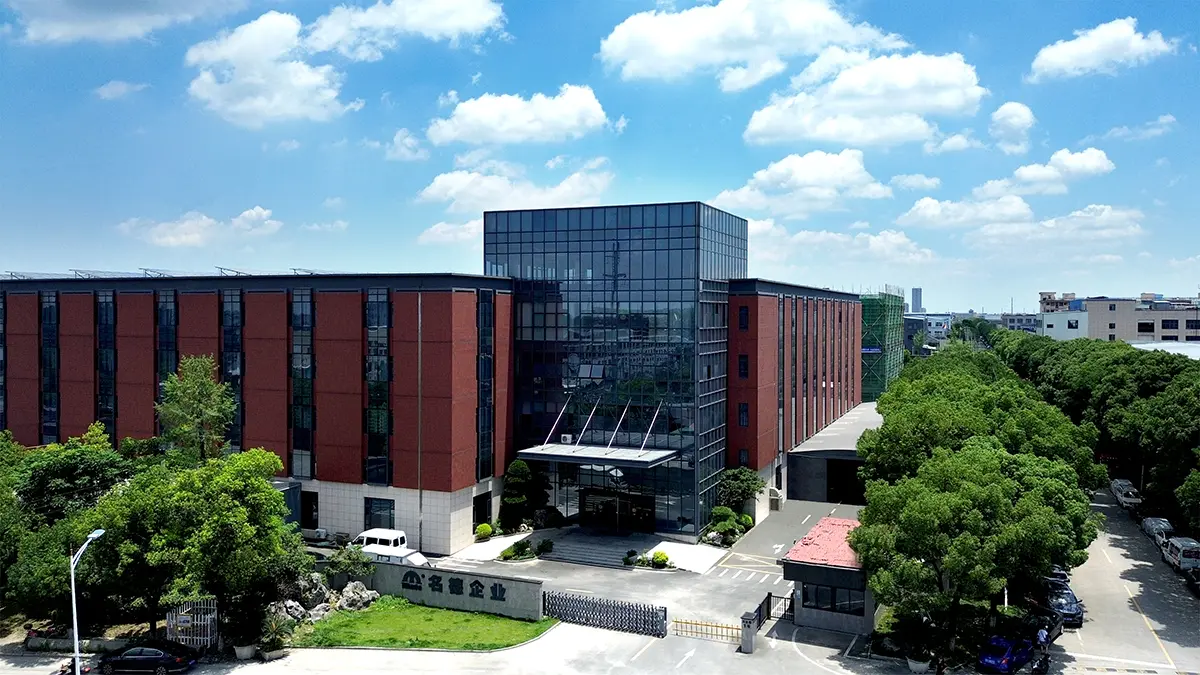
Based in Zhejiang Province, China, we operate advanced plastic piping manufacturing plants, supplying engineering networks globally.
Ningbo Minde Building Materials Co., LTD. brings over two decades of design and manufacturing experience to the plumbing industry. To supply clean, long-lasting piping networks, the company relies on imported virgin raw materials, avoiding low-grade recycled regrind that can compromise structural integrity. Modern infrastructure requires tight control of manufacturing tolerances; our centralized feeding systems ensure consistent material dosing across our extrusion and molding lines.
Our quality assurance program is built around three inspection stations: Raw Material Testing (checking density, melt flow index, and moisture content), Process Quality Audits (monitoring thermal stability and geometry during extrusion/molding), and Finished Product Performance Testing (hydrostatic pressure testing, longitudinal reversion, and impact resistance). This complete oversight maintains high quality standards from raw material to finished product.
Take a look inside our high-capacity production facilities in Ningbo, showing our injection molding workshops and international certificates.
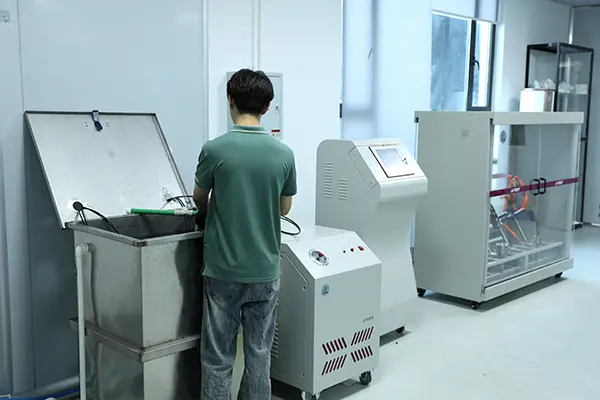
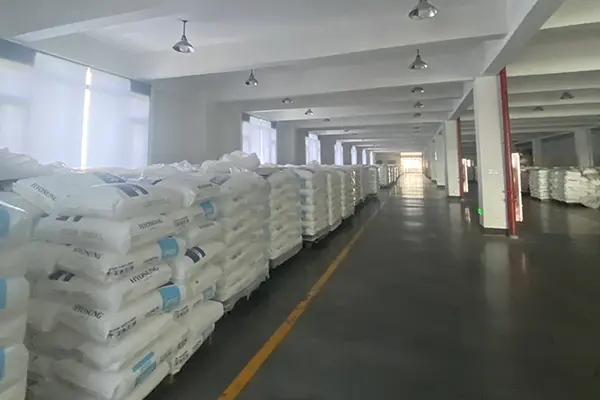
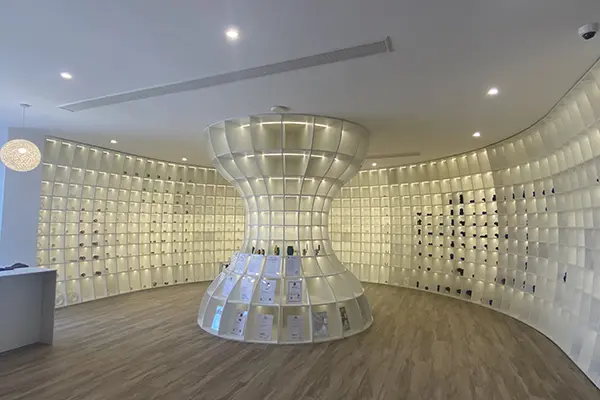
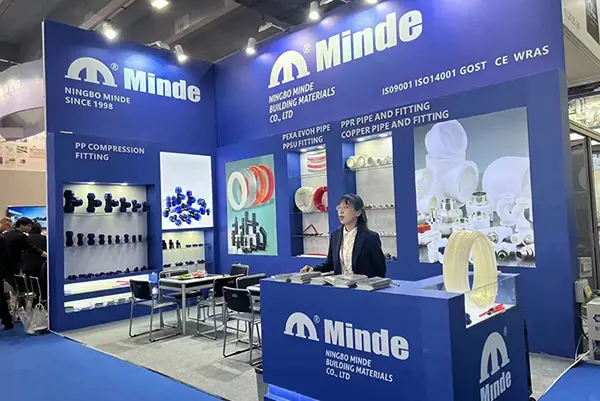
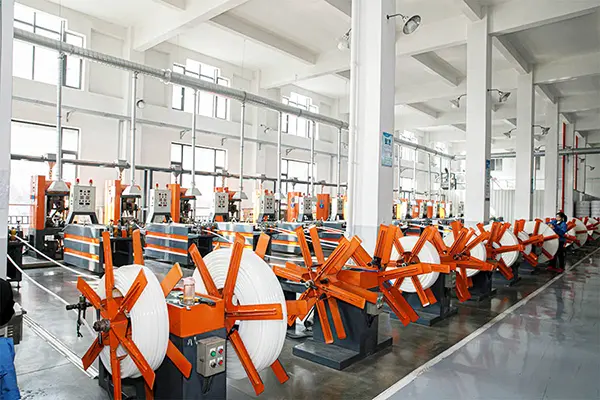
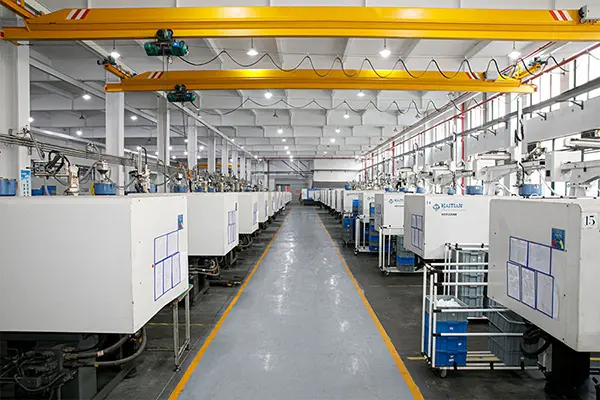
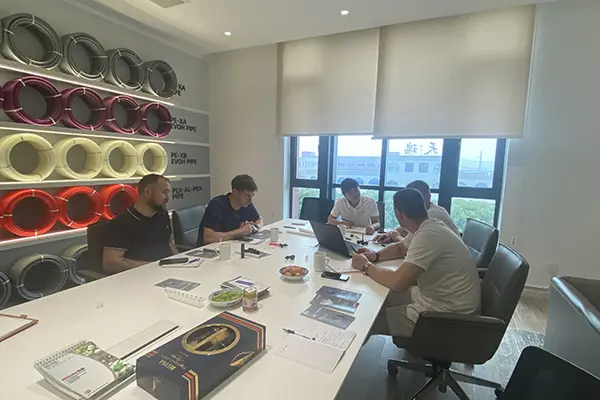
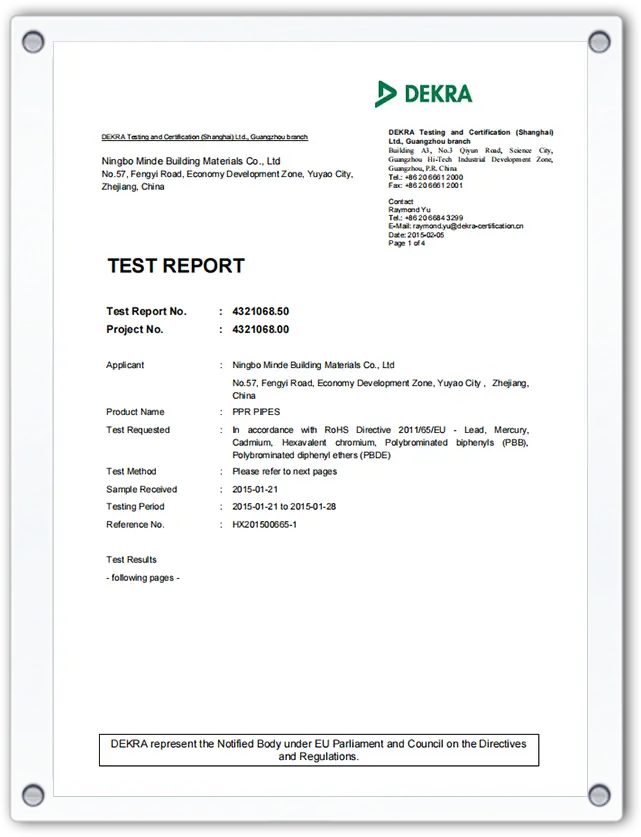
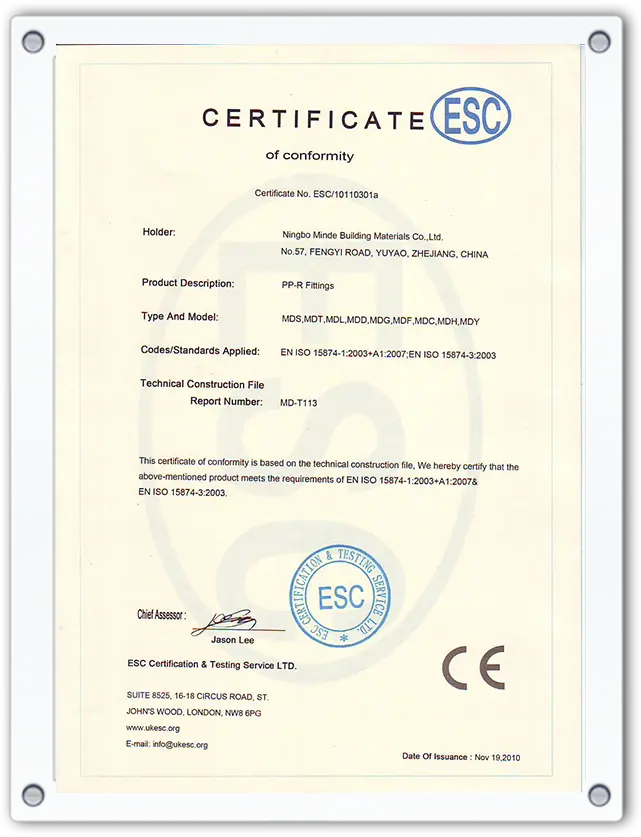
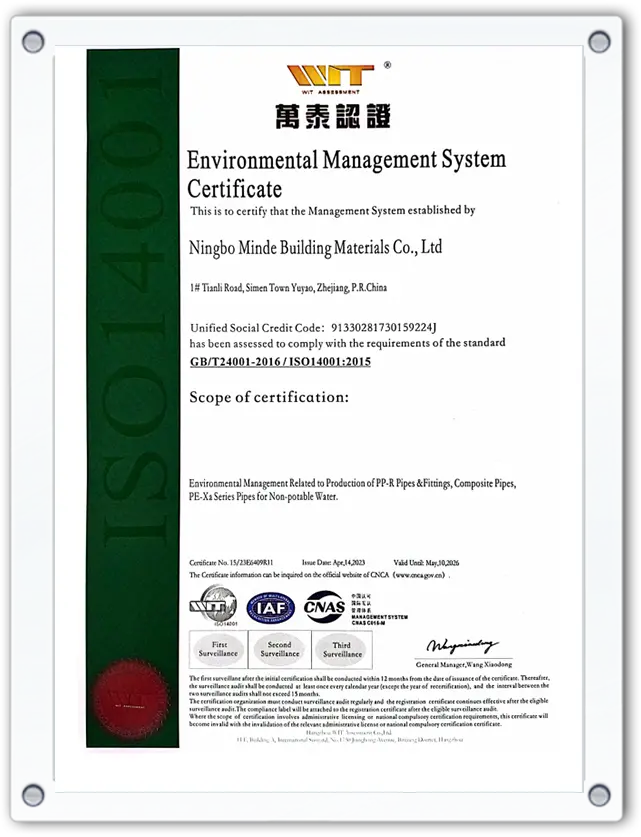
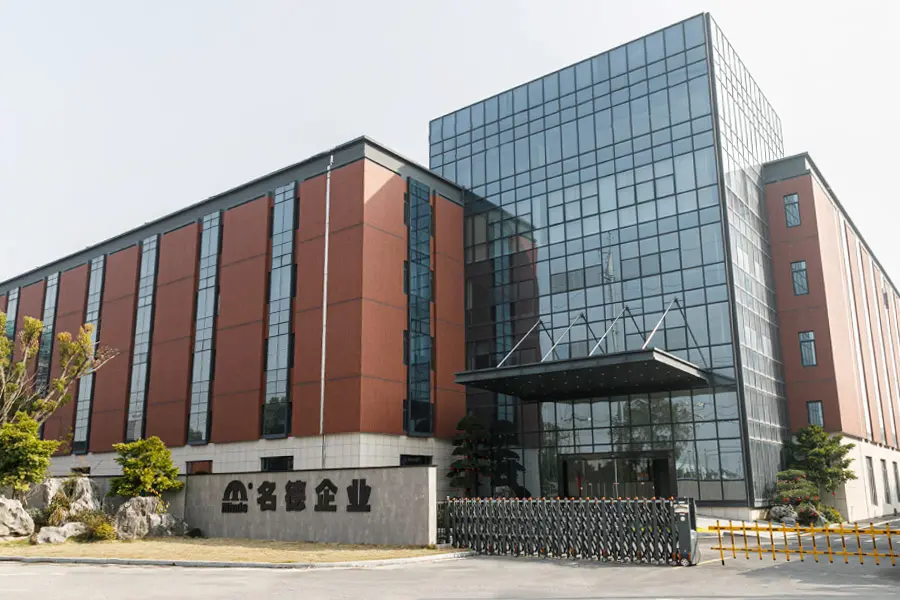

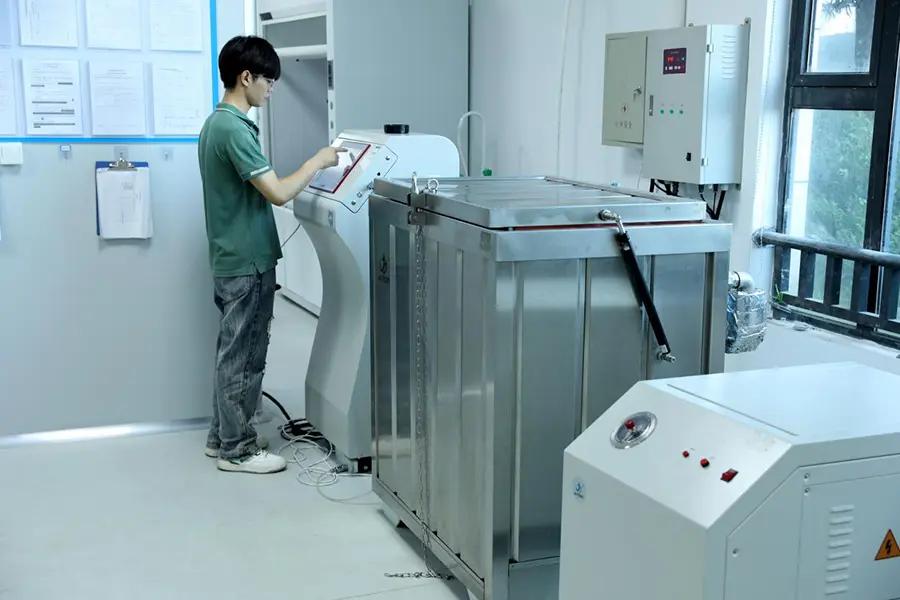
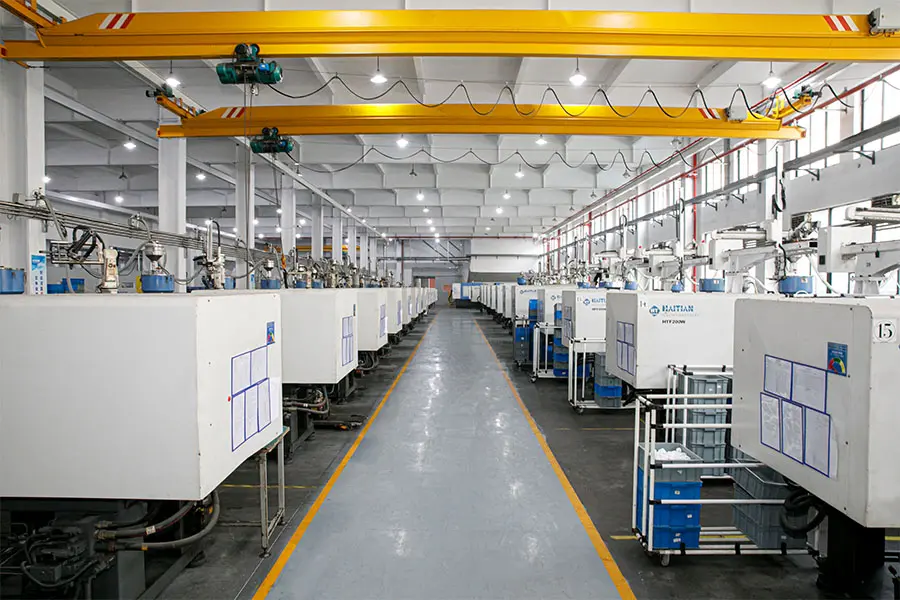
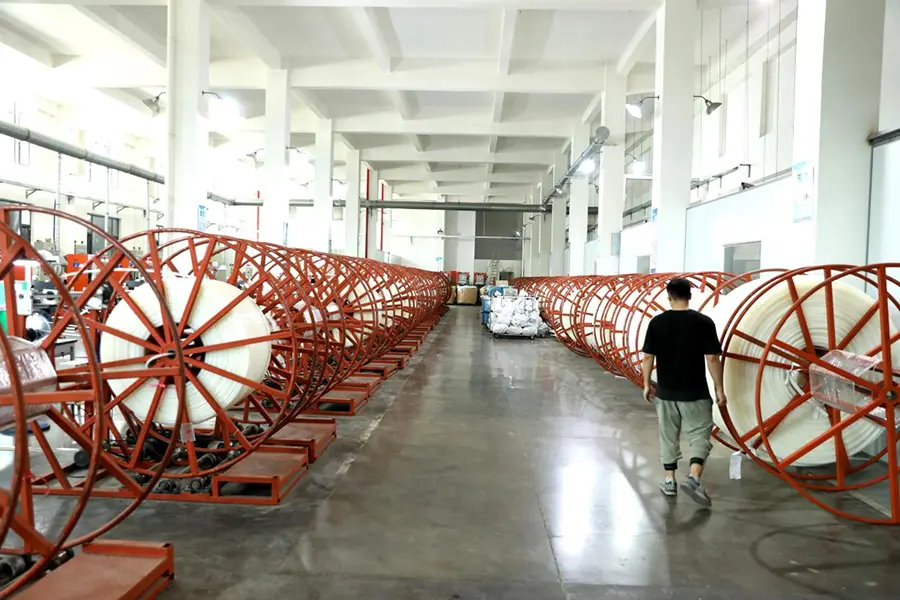
In global manufacturing, cost savings alone are no longer enough to secure large-scale contracts. Supply chain resilience, raw material tracking, and automated process controls are key factors. China's industrial base has transitioned to Industry 4.0 systems, integrating operations from raw material receiving to quality verification. This integration helps maintain stable production capacity, even during global market shifts or shipping delays.
At Ningbo Minde, automated systems manage raw material preparation and distribution, ensuring consistent compound mixtures for all extrusion runs. Precision temperature control during extrusion helps prevent internal stresses that can cause premature structural failures in high-pressure networks. Modern injection molding systems monitor pressure curves in real time, catching microscopic voids or weld line issues before components leave the machine. This level of quality control helps reduce operational risks on site, and supports long-term performance under demanding specifications.
Industrial scale systems often require custom adjustments to fit specific regional standards or design requirements. Our Engineering Department provides OEM and ODM services, supporting client development from initial 3D rendering to final volume production. Minde's tooling workshop handles design modifications, material formulation adjustments, and structural analysis to meet specific application requirements:
Our systems are designed for three primary applications, ensuring optimal flow dynamics in civil, agricultural, and heating projects.
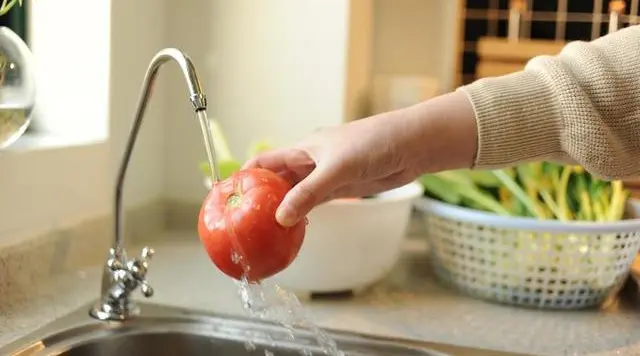
Minde PPR pipes and fittings are certified lead-free and chemical-free, preventing drinking water contamination. Their smooth inner walls prevent scaling and pressure drops over decades of hot and cold water cycles.
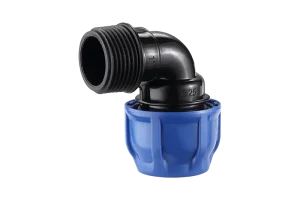
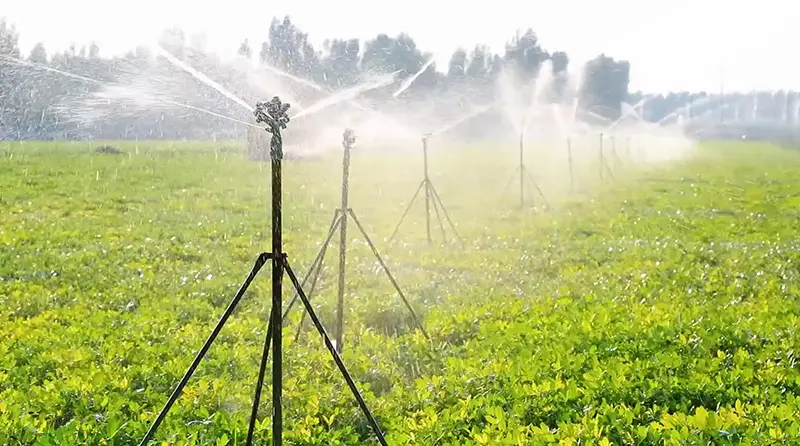
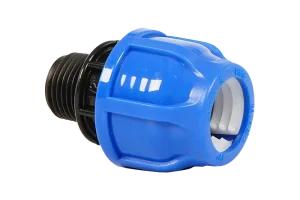
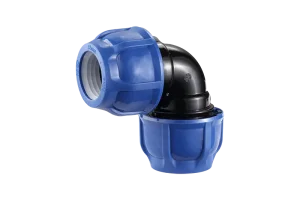
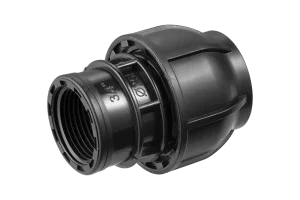
Designed for agricultural projects, Minde's PN10 and PN16 compression fittings connect reliably to HDPE distribution lines. UV-stabilized formulations help protect connections from sunlight and chemical fertilizers.
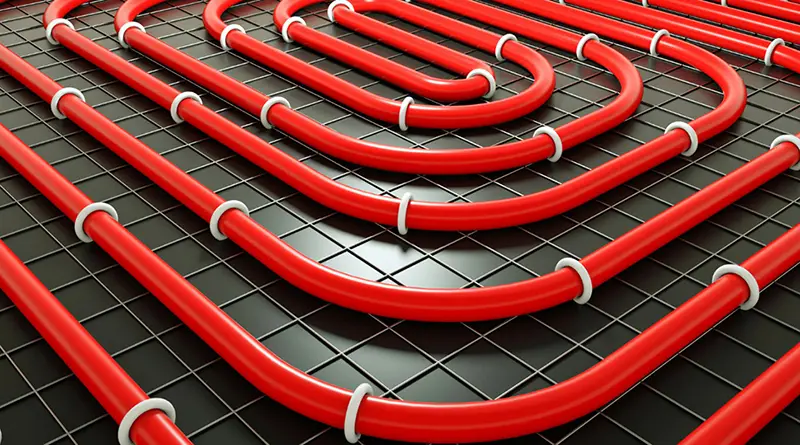
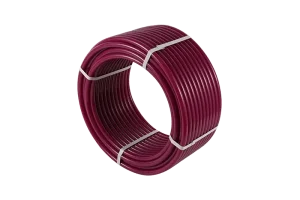
Minde's PE-Xb EVOH pipes include an oxygen barrier layer that prevents corrosion in boilers and radiators. Flexible cross-linked tubing makes installation around floor joists easier, reducing connector points.
Get professional answers regarding design tolerances, installation, material durability, and supply chain logistics.
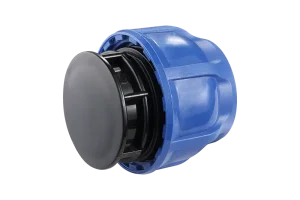
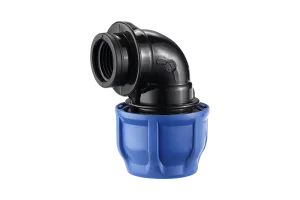
Explore our full line of transition couplers, end caps, and oxygen-barrier pipes designed for direct-burial and in-floor systems.
 Minde
Minde