Explore our top-tier collection of high-performance polymer pipes and precision-molded compression fittings engineered for residential, commercial, and agricultural irrigation networks.
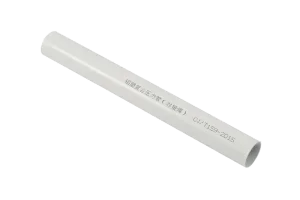
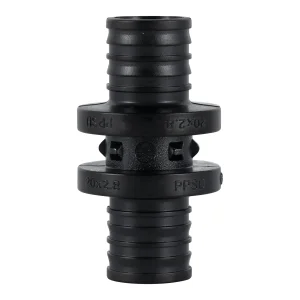
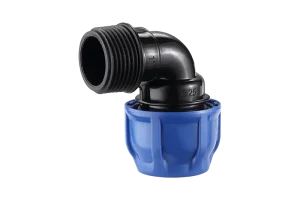
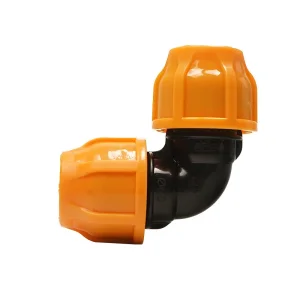
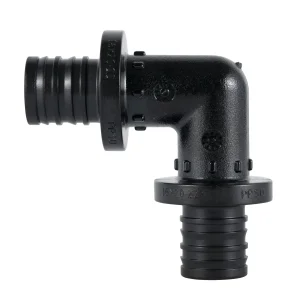
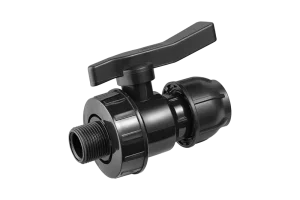
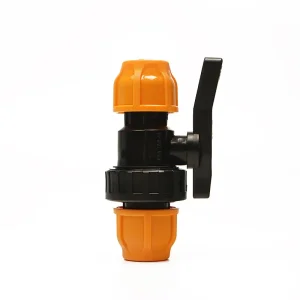
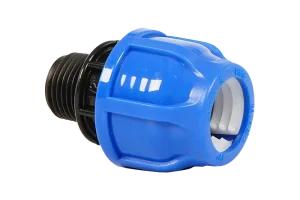
Saddle pipe fittings (specifically mechanical clamp saddles) represent a key mechanical engineering development in contemporary fluid dynamics and pipeline networks. These mechanical joints allow operators to establish permanent branch line connections on pre-existing supply pipelines without interrupting main line flow or executing complex, high-risk thermal welding tasks. As urban centers scale, agricultural practices optimize, and industrial plants implement smarter resource conservation measures, the global requirement for high-durability, corrosion-resistant clamp saddles has expanded significantly.
In modern water distribution grids, chemical transfer systems, and micro-irrigation lines, saddle fittings serve as the structural anchor points for system scaling. Traditionally, tapping into an active line required system depressurization, line cutting, and the installation of standard inline tees. This costly process is mitigated by saddle fittings, which wrap securely around the external diameter of pipes, establishing a leakproof seal via highly compression-tolerant elastomeric gaskets. The transition from cast-iron or heavy steel fittings to engineered thermoplastic materials like PP (Polypropylene), HDPE (High-Density Polyethylene), and PPSU (Polyphenylsulfone) has dramatically increased corrosion resistance, ease of field assembly, and lifecycle stability.
Evaluating the mechanical limits, polymer profiles, and pressure capacities of modern pipeline components.
Engineered to handle elevated mechanical loads, PP compression profiles and clamp saddles operate at nominal pressures up to PN16. Utilizing high-molecular weight copolymer raw materials prevents stress cracking under thermal expansion cycles and ensures chemical inertness, preventing galvanic decay in subterranean installations.
Polyphenylsulfone is utilized for high-temperature and strict sanitary profiles. Excellent dimensional stability, chemical resilience, and resistance to hydrolysis under continuous thermal stress make PPSU fittings (certified under NSF/ANSI 61) ideal for hydronic floor heating loops and premium domestic hot water lines.
To sustain structural loads, saddle clamps utilize integrated stainless steel reinforcement rings on the threaded outlets. This structural design prevents thread deformation, ensures leak-free installation, and prevents structural failure under high-pressure water hammer events.
EEAT Engineering Protocol: Every batch of raw materials processed at Ningbo Minde Building Materials Co., Ltd. undergoes strict melt mass-flow rate (MFR) monitoring, density verification, and tensile stress assessments before injection molding, ensuring structural and performance stability across production cycles.
Understanding how industrial scale, automation, and rigorous testing methodologies establish cost-competitive, high-durability products.
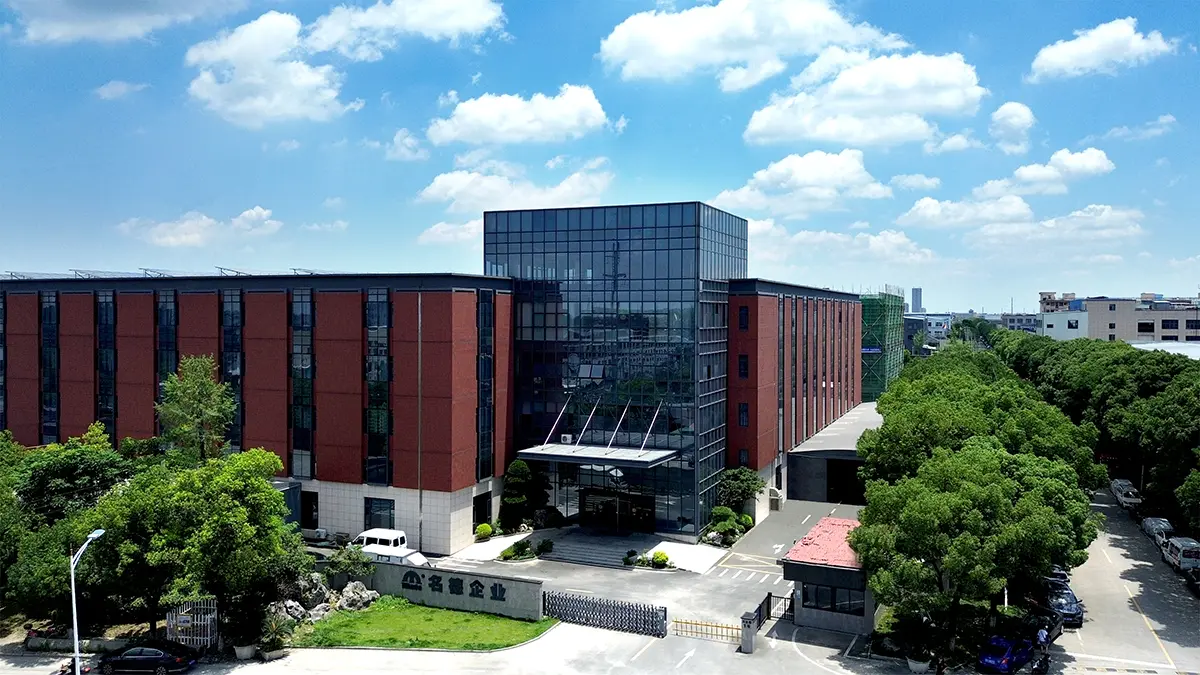
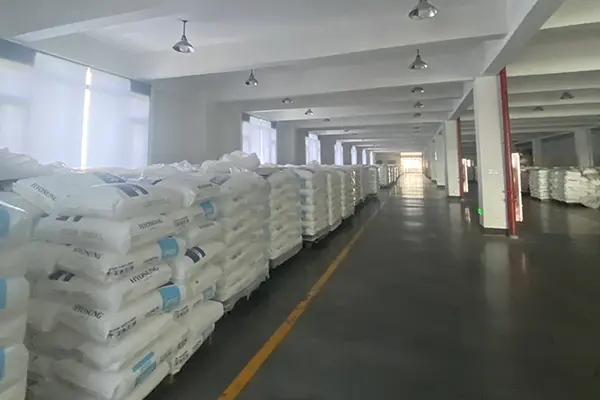
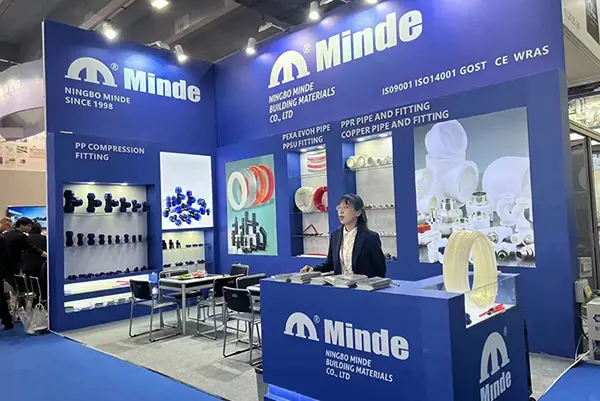
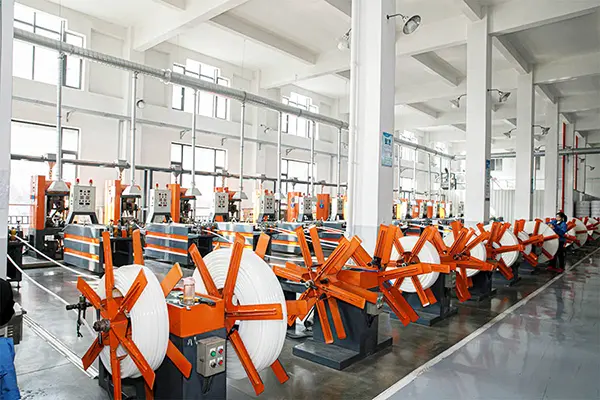
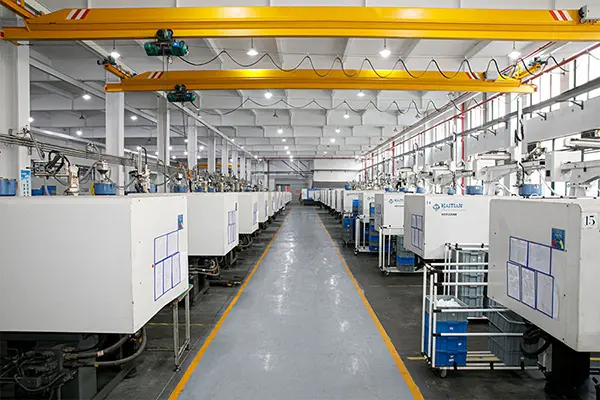
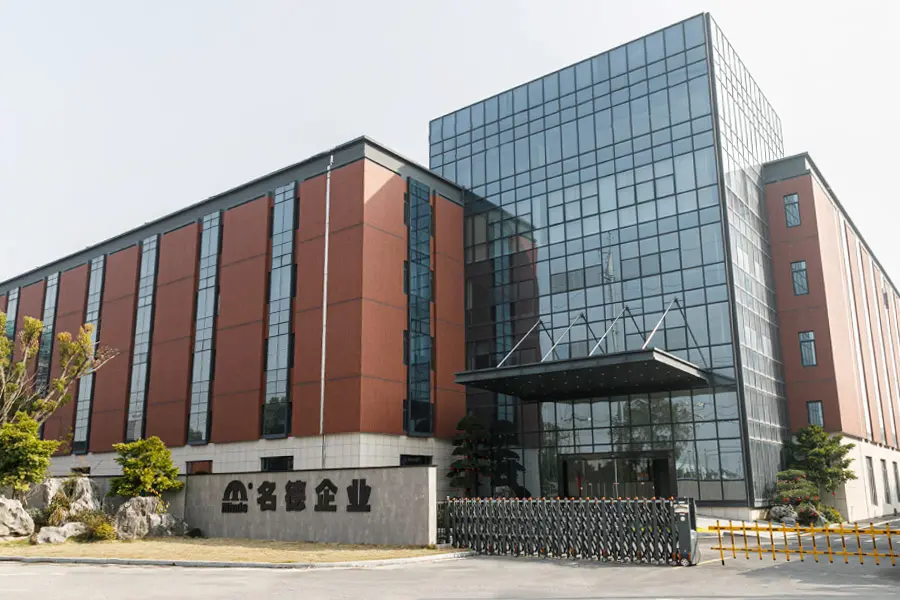
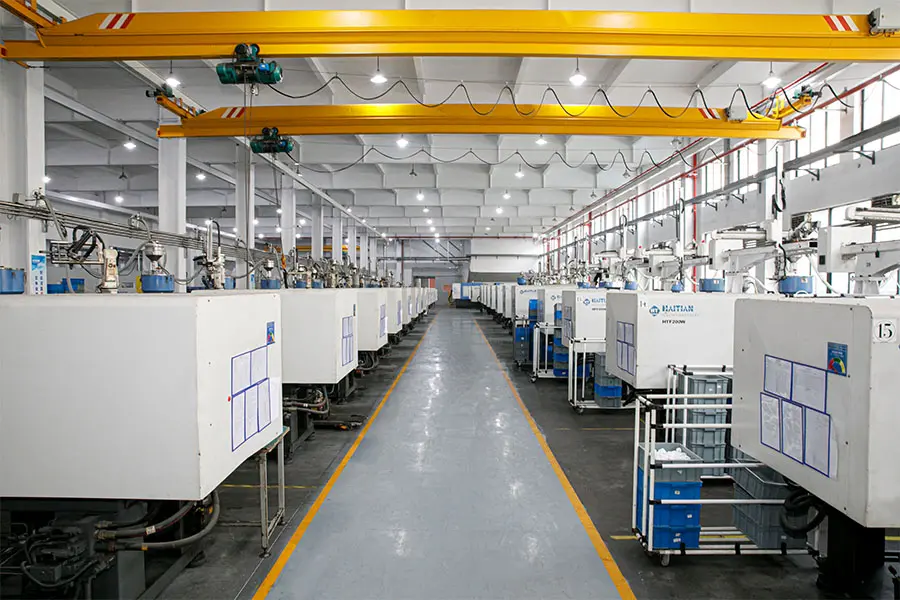
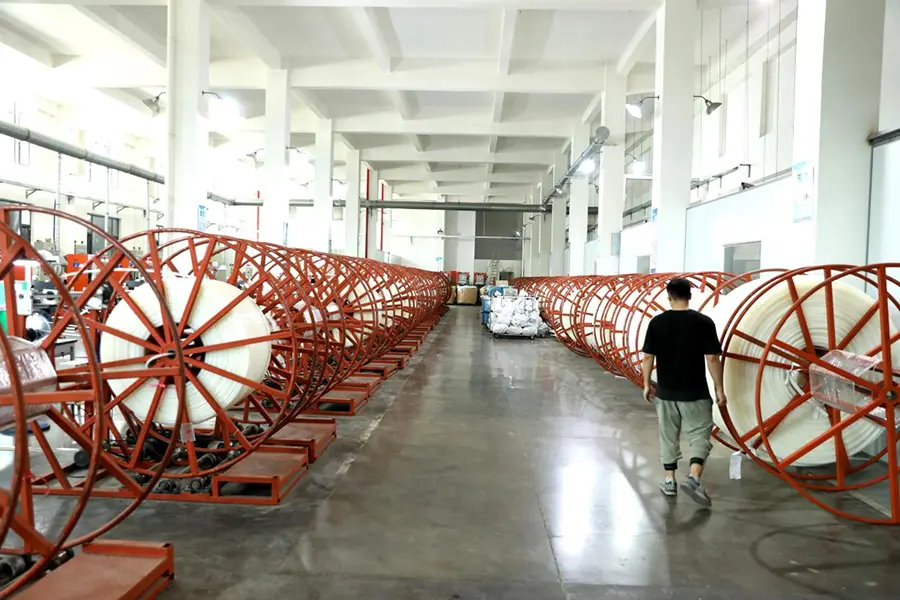
Understanding the pricing structures and operational capabilities of China's injection-molding facilities is essential for modern sourcing teams. Ningbo Minde Building Materials Co., LTD., located in the industrial manufacturing hub of Zhejiang Province, manages a specialized manufacturing infrastructure that balances large-scale production with custom flexibility. The factory operates a 90,000+ square meter campus with 45 automated pipe extrusion lines and 85 high-speed injection molding machines, supported by automated feeding systems.
This automated raw material loading and dosing system ensures optimal material composition throughout production runs, eliminating variation across batches. By standardizing process controls, Minde achieves optimal cycle efficiency while minimizing material waste. With over two decades of production experience, the facility supports scalable production schedules, offering competitive pricing for global distribution, infrastructure projects, and engineering applications.
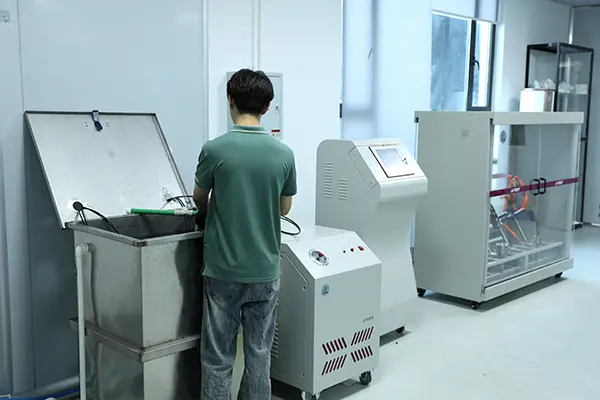
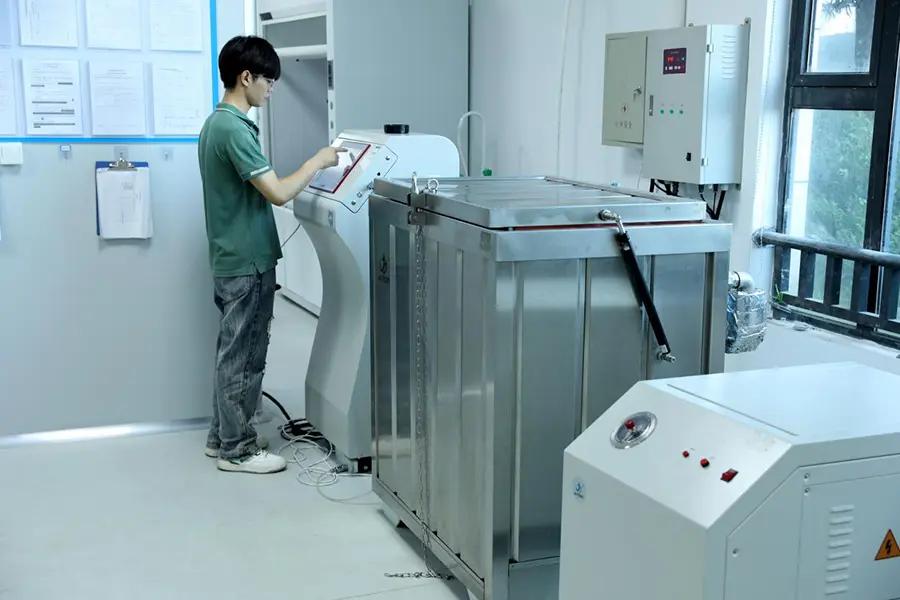
To maintain product performance across markets, Minde implements a three-point quality control workflow: raw material incoming validation, online mid-production verification, and comprehensive final batch sampling. Standardized pressure, impact, and thermal expansion tests ensure compliance with regulatory standards before shipment.
Analyzing how different system designs accommodate high-pressure, thermal, and mechanical variables.
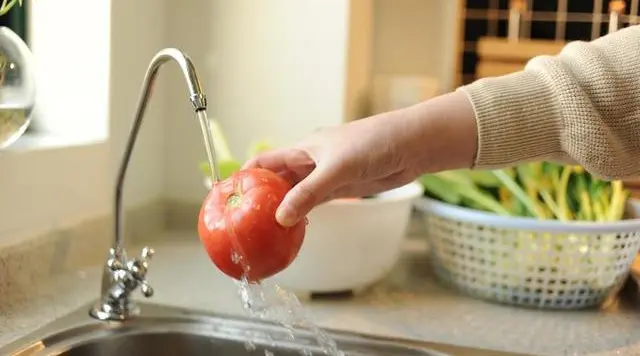
In municipal clean water networks, maintaining system integrity is essential for prevent microbial contamination and pressure drop. Using NSF61 certified PEXa piping systems and Poly PPSU couplings ensures that water paths remain free of toxic additives and corrosion byproducts.
Minde's high-grade composite products, including multilayer Pex-Al-Pex lines, combine the structural stability of metal with the chemical resistance of engineered plastics. This configuration reduces heat loss, limits scale buildup, and prevents long-term pressure drop under municipal distribution demands.
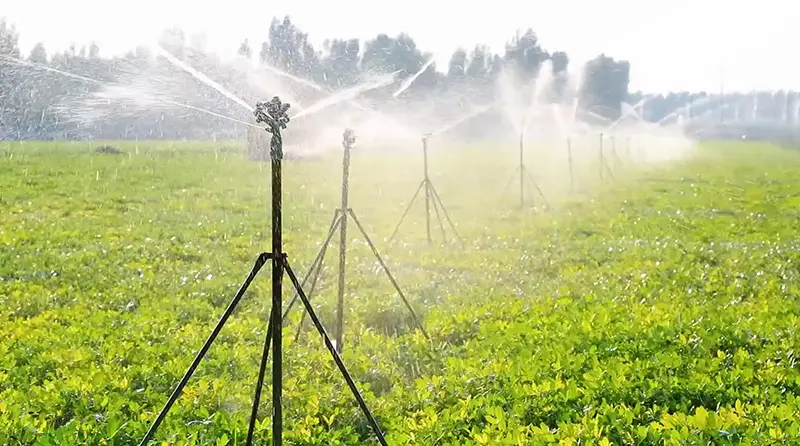
Agricultural irrigation networks require robust components to withstand exposure to UV radiation, soil chemical additives, and cyclical pump operation. Minde's PN10 and PN16 PP compression fittings and clamp saddles provide leak-free connections on lateral lines without requiring specialized installation tools.
Equipped with integrated EPDM gaskets, these compression systems absorb line vibration and pressure spikes. Tapping into HDPE main lines with clamp saddles allows for rapid branch expansion, maintaining consistent water distribution patterns across field operations.
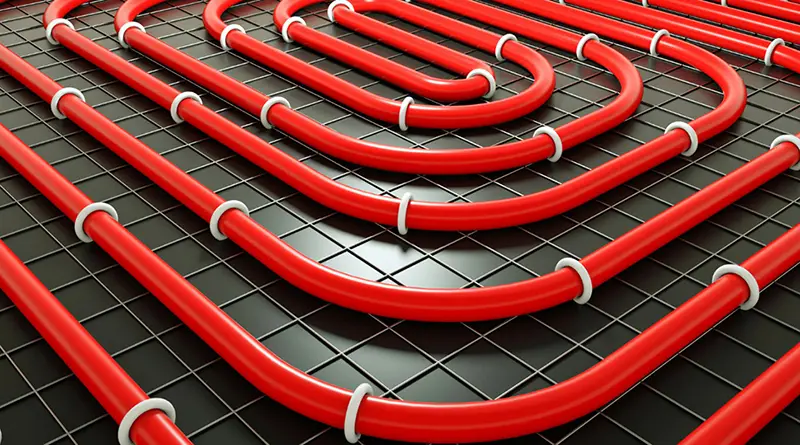
Underfloor heating systems operate under continuous thermal stress, requiring pipe components that resist degradation. Cross-linked polyethylene (PEXa) pipes paired with high-performance PPSU couplings ensure structural integrity under sustained hot-water circulation.
The high thermal stability of these materials prevents stress cracking and keeps joints secure over the system's operational lifespan, providing reliable performance in residential and commercial underfloor heating installations.
Compliance with international standards ensures that polymer products meet target mechanical and chemical specifications.
In fluid infrastructure projects, meeting global compliance standards is necessary. Purchasing from certified facilities protects networks from structural failures, contamination liabilities, and premature system degradation. Minde's engineering processes are certified to international performance standards, verifying quality across production runs.
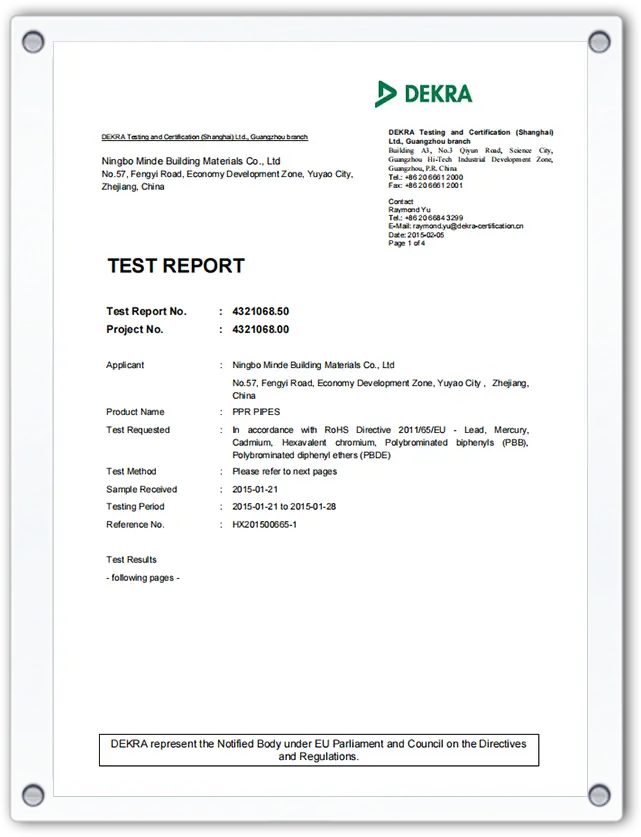
Validates our quality control systems and environmental management processes.
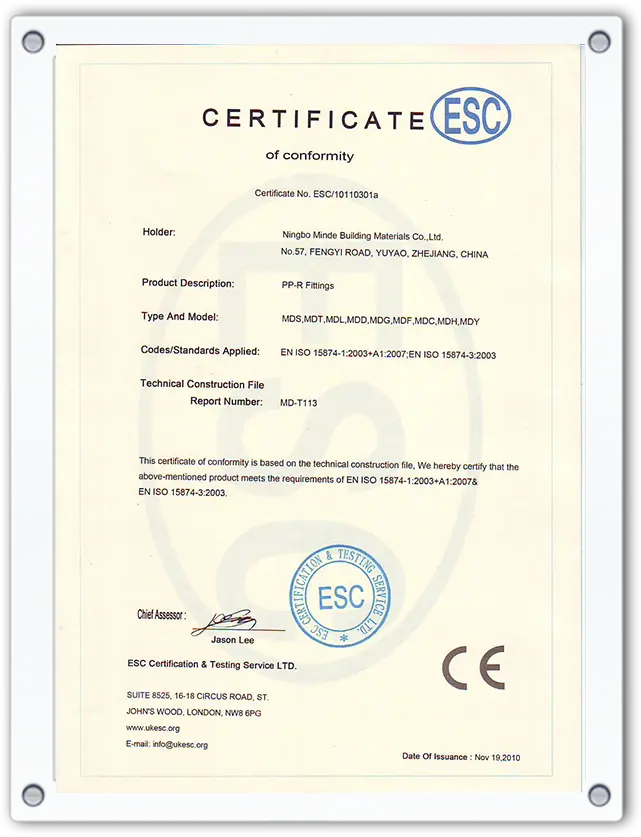
Ensures full compliance with EU safety, health, and environmental directives.
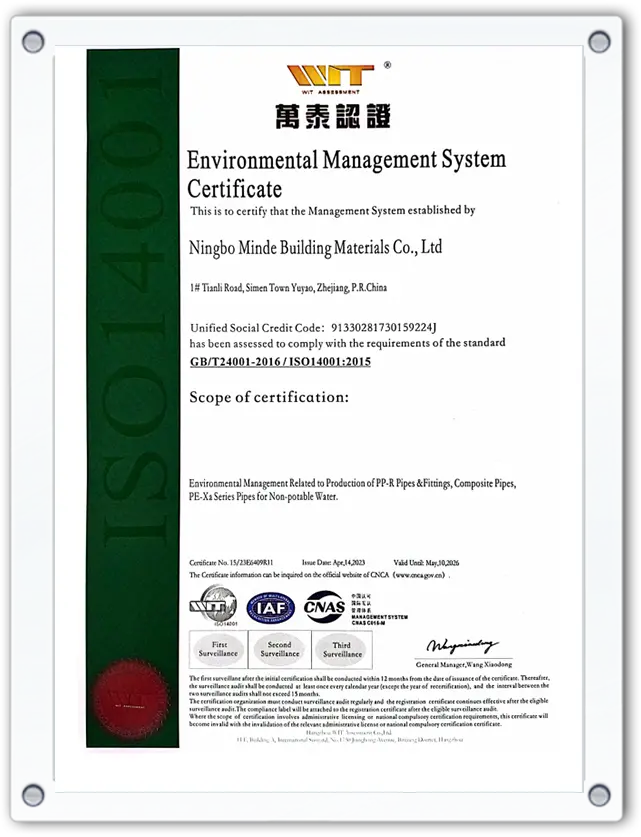
Authorized for public potable water systems and high-pressure fluid networks.
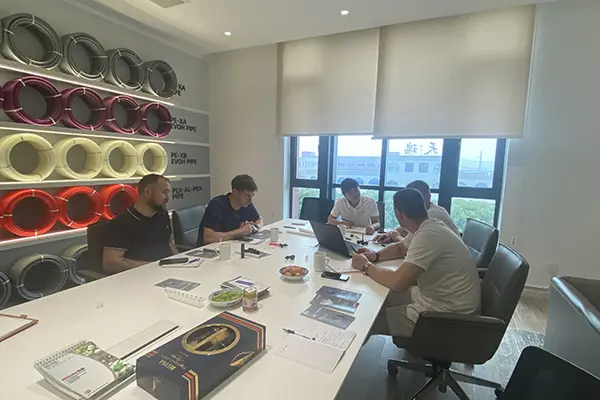
MINDE warmly welcomes partners all over the world. Our operating principles are built around Innovation, Quality, Price, and Service. We focus on expanding our market footprint through brand consistency and supporting that brand with dedicated technical and customer service. By providing reliable product performance, clean manufacturing standards, and transparent pricing, we help distributors and contractors optimize their piping supply chains.

Professional answers to key structural, chemical, and logistics questions in global pipeline procurement.
PN (Nominal Pressure) designates the maximum operating pressure in bars that a pipe fitting can sustain at 20°C. A PN10 fitting is rated for up to 1.0 MPa (10 bar / ~145 PSI), suitable for standard agricultural irrigation and drainage lines. A PN16 fitting is rated up to 1.6 MPa (16 bar / ~232 PSI), featuring thicker walls and reinforced structures. This makes it suitable for high-pressure municipal water grids, commercial plumbing systems, and installations prone to water hammer events.
NSF/ANSI Standard 61 controls the health effects of drinking water system components. Fittings certified to this standard do not leach harmful compounds (such as lead, heavy metals, or phthalates) into potable water. In commercial and residential drinking water applications, NSF/ANSI 61 compliance is a regulatory requirement for safety, liability management, and building code compliance.
Saddle pipe fittings establish a structural seal using an elastomeric O-ring gasket positioned inside the saddle body. When the saddle bolts are tightened to the recommended torque specification, the gasket compresses against the outer diameter of the pipe, filling surface micro-irregularities. Incorporating a stainless steel reinforcement ring on the branch outlet prevents stress cracking under thermal expansion or line movement.
Minde's facilities are located in Ningbo, Zhejiang Province, near the Port of Ningbo, one of the world's largest container shipping ports. This proximity allows for direct sea freight transport, reducing domestic transit times and shipping costs. Standard export packaging includes protective plastic wrapping inside double-walled corrugated shipping cartons, stabilized on fumigated wooden pallets to prevent cargo movement during ocean transit.
Yes. Minde's tooling division offers design and manufacturing support for custom dimensions, custom logos, and application-specific designs. Leveraging our CNC machining and injection molding setup, we develop custom molds to meet customer specifications. Product design is validated through CAD modeling, FEA stress simulation, and physical prototype testing before volume production.
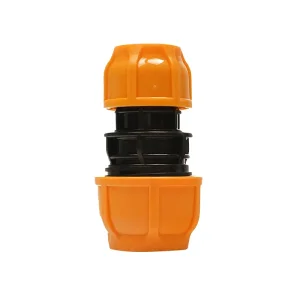
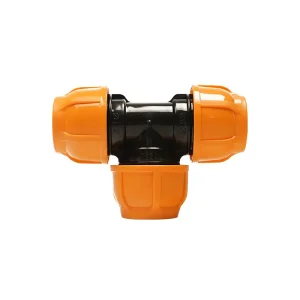
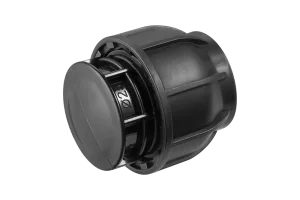
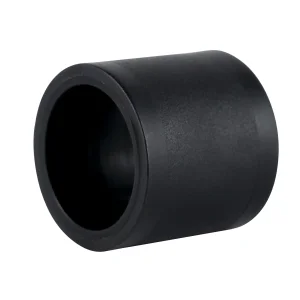
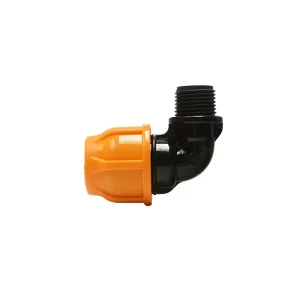
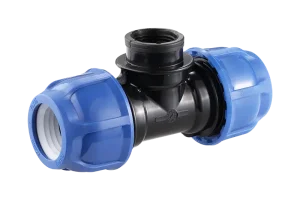
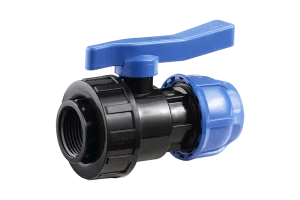
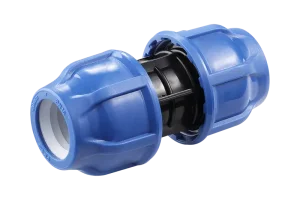
Explore our extensive range of high-pressure PP compression tees, end caps, and reducing couplings manufactured to international standards.
 Minde
Minde