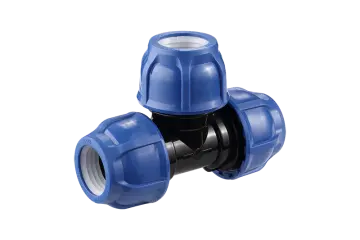
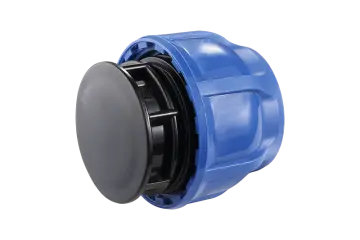
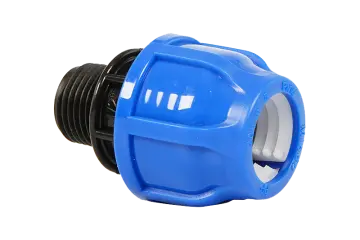
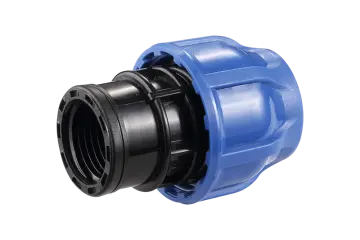
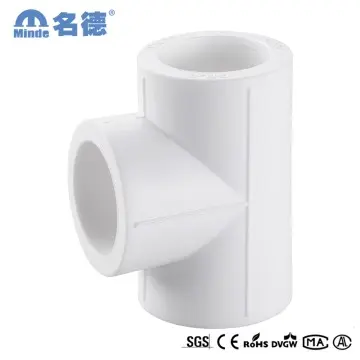
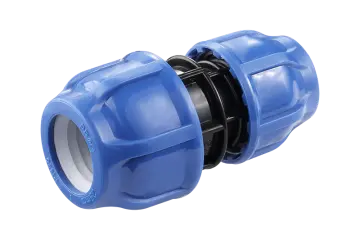
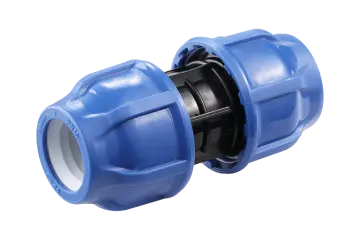
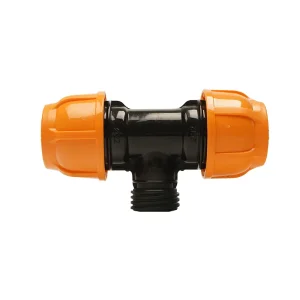
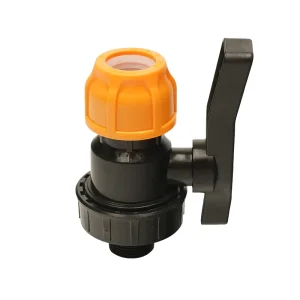
Explore our core collection of high-durability fittings engineered for PN10/PN16 application standards.
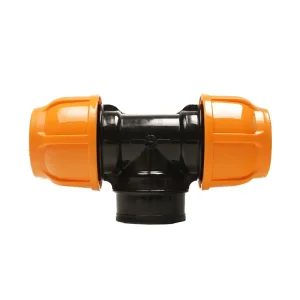
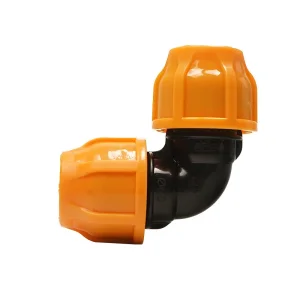
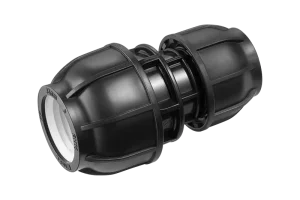
In modern high-pressure distribution lines and fluid management operations, the integrity of structural connections determines the safety and longevity of the entire system. Custom flanged connection services play a vital role when typical joints fall short of specific spatial constraints, severe chemical corrosion thresholds, or high dynamic load demands.
By shifting from standard components to precision-tailored polypropylene (PP), polyethylene (PE), and PPR flanged joints, operators can ensure a leakage-free seal. Our state-of-the-art manufacturing guarantees compliance with standard bolt configurations, while optimizing internal geometry to limit turbulence and head loss in critical networks.
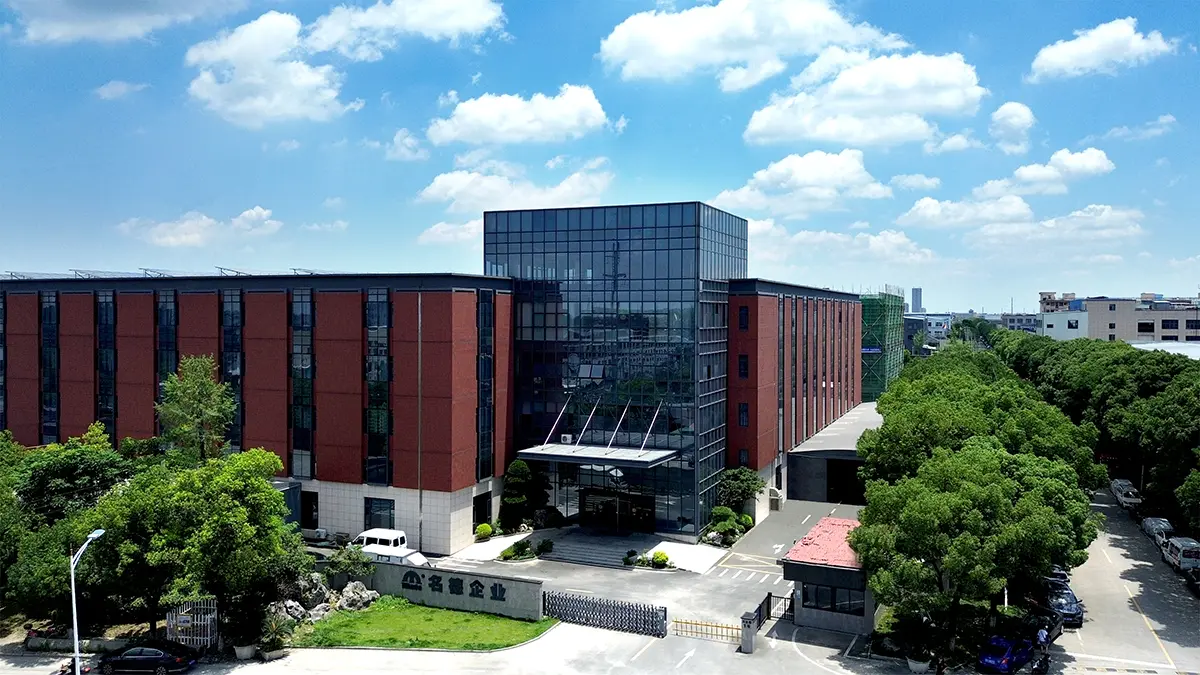
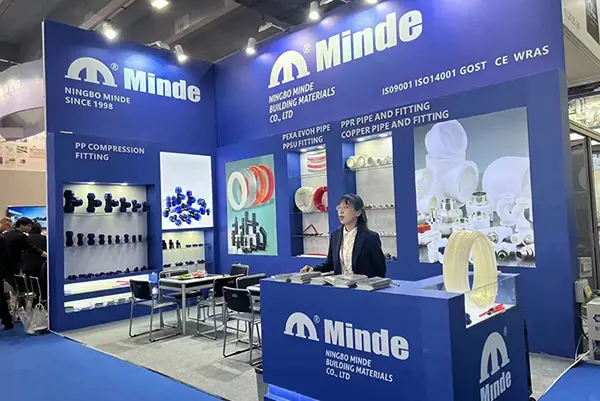
Based in Zhejiang Province, China, Ningbo Minde Building Materials Co., LTD. is a leading manufacturer of premium plastic pipes and custom-engineered compression fittings. Over the past two decades, we have established ourselves as a reliable global partner, delivering robust pipeline components to markets in Europe, South America, the Middle East, and Southeast Asia.
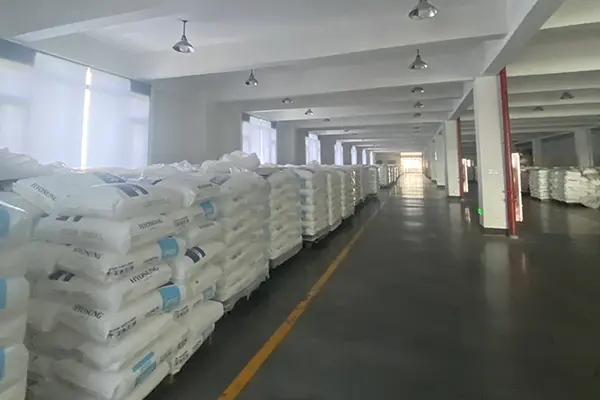
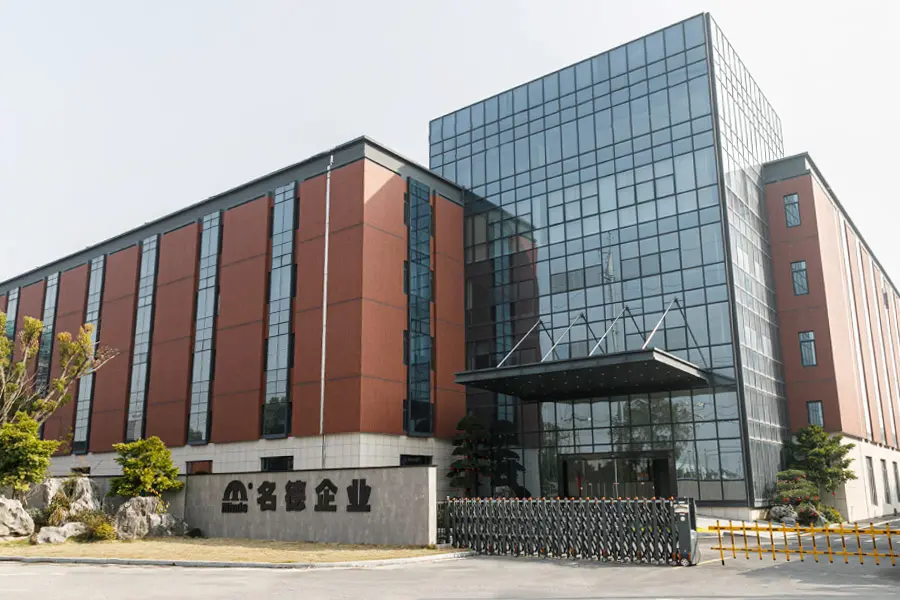
Our expansive 90,000+ square meter production facility utilizes imported virgin resins, avoiding recycled plastic mixtures that weaken structural integrity. By combining a fully automated feeding system with specialized machinery, Minde delivers reliable material consistency and precise sizing for large-scale infrastructure projects.
Inside Minde's high-tech production line utilizing automated raw feeding and high-precision injection systems.
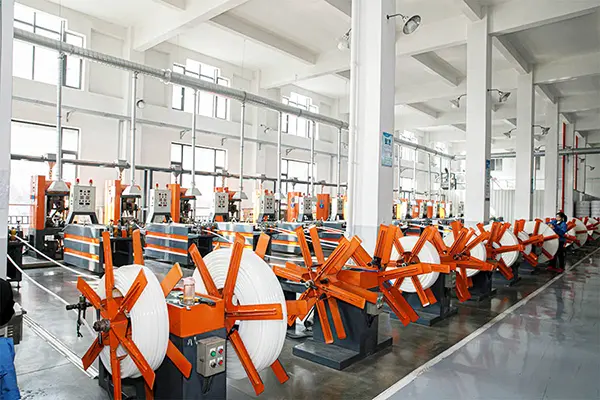
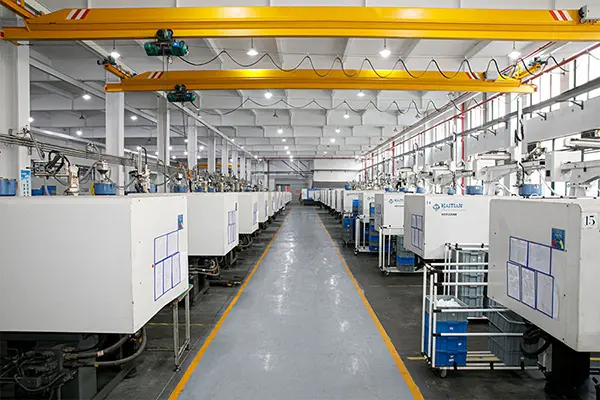
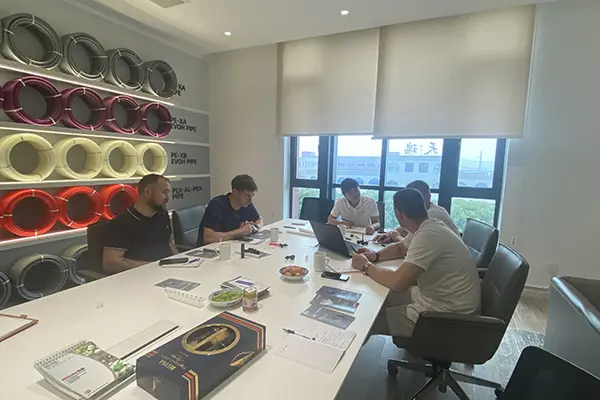
Why global infrastructure networks trust Zhejiang’s advanced industrial clusters for flanged components.
Being based in Ningbo, Zhejiang gives us immediate access to raw polymer suppliers, precision mold-makers, and high-frequency ocean logistics. This close ecosystem keeps production efficient and helps stabilize costs.
We can design, simulate, 3D print, and mold custom flange adapters in less than half the time of standard Western toolmakers. This speed makes us a key partner for complex projects.
We work with leading scientific institutes in China to create specialized compounds with high resistance to environmental stress cracking and enhanced UV protection. These materials are built to withstand extreme sunlight and direct chemical contact.
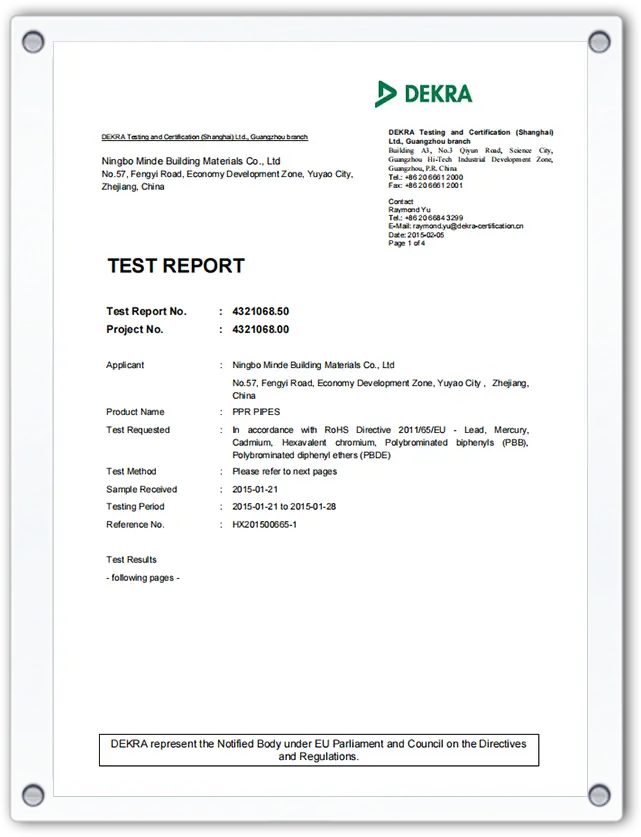
Minde products conform to rigorous global standards, ensuring they satisfy municipal, industrial, and agricultural project guidelines without qualification barriers.
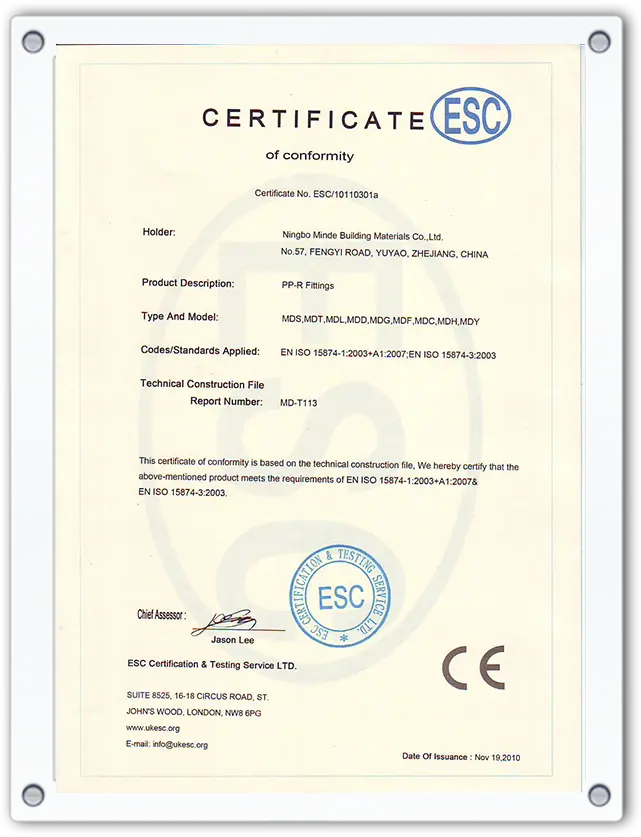
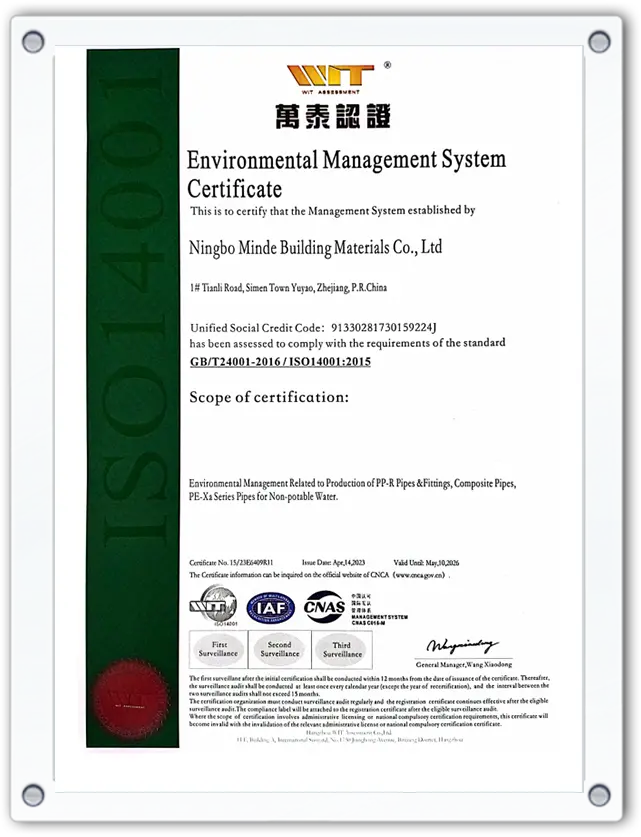
From heavy chemical handling to agricultural irrigation, Minde flanged connections offer reliable, leak-free performance.
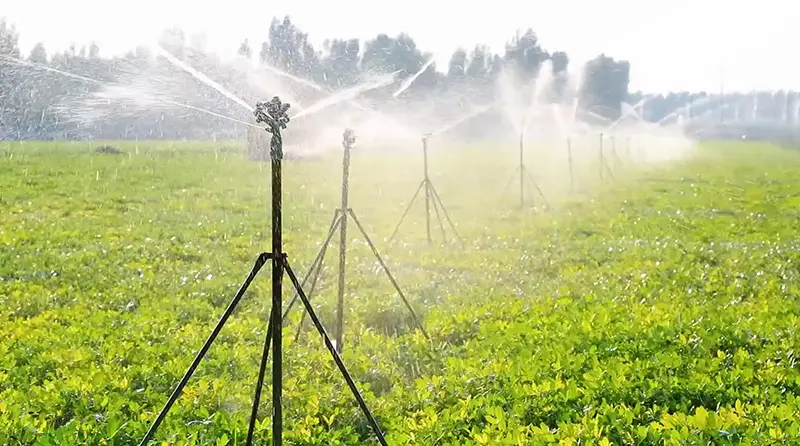
Highly optimized PP compression flanges are built to resist chemical fertilizers, pesticides, and sand abrasion, maintaining a reliable seal under changing ground pressure.

Using WRAS-compliant virgin materials helps prevent bacterial growth, heavy metal contamination, and internal scaling in drinking water lines.
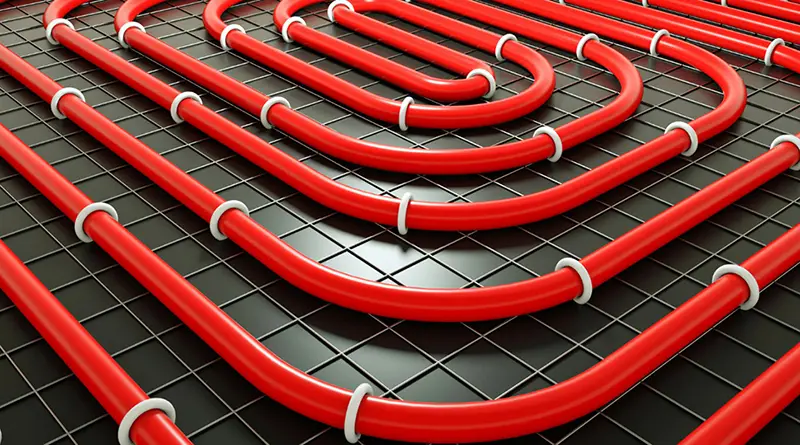
Multi-layer composite pipes and fittings handle ongoing thermal expansion and contraction, preventing leaks behind walls and beneath floors.
Key technical shifts driving global adoption of polymer systems over traditional metal joints.
For decades, cast iron, carbon steel, and copper alloys dominated industrial piping. However, corrosion and biofilm buildup remained constant problems. The industry is rapidly moving toward modern thermoplastic systems like PP-H, PPR, and HDPE due to their superior chemical resistance and lighter weight.
Polymer flanged connections offer a significant mechanical advantage: they eliminate galvanic corrosion. Galvanic action happens when different metals touch in an electrolyte (like water), leading to joint failure. High-density PP flanges remove this risk entirely, preventing early maintenance shut-downs.
Plumbing engineers face a key challenge when working with plastic pipe networks: coefficient of thermal expansion differences. Thermoplastic pipes expand and contract far more than steel under temperature changes. Using custom flanges allows installers to create robust expansion loops and secure anchor points, distributing physical stress evenly across the bolts and preventing joints from buckling.
A detailed checklist designed for professional buyers sourcing bulk pipeline solutions.
We verify raw materials via Melt Flow Rate (MFR) testing to ensure consistent molecular density and prevent micro-leakage under long-term stress.
All flanges are manufactured to match EN 1092-1, ANSI B16.5, and JIS 10K specs, making it easy to replace old steel fittings.
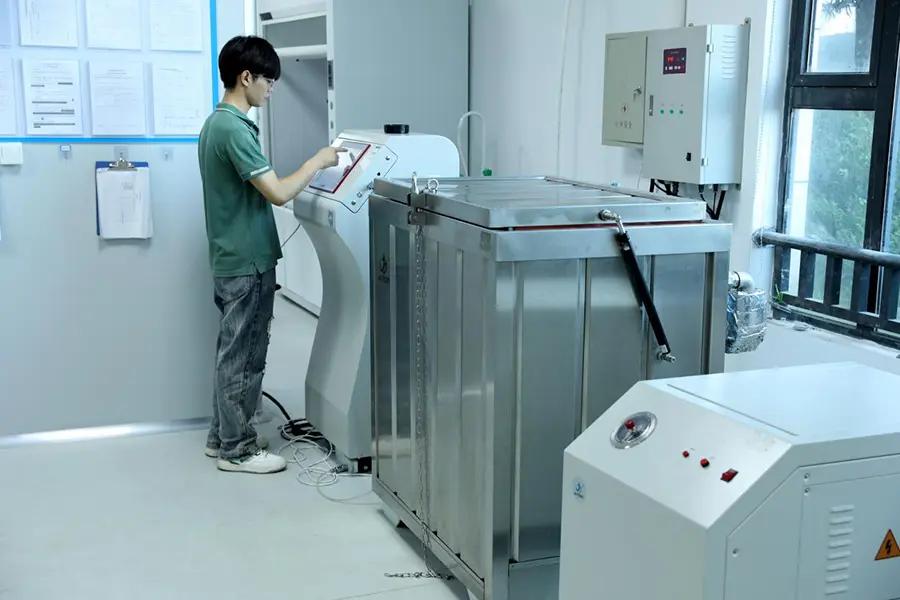
We perform hydrostatic pressure testing on every production lot. Components are subjected to 1.5 times their maximum rated pressure (up to PN24 for PN16 lines) to guarantee performance.

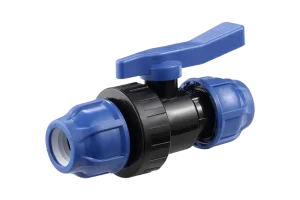
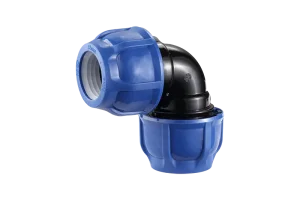
High-precision PP compression and PPR piping components for industrial, civil, and agricultural networks.
Expert technical answers covering custom polymer connections, pressure ratings, installation best practices, and international shipping.
Polymer flanged connections (made from PP, PPR, or HDPE) are highly resistant to scale buildup and chemical corrosion. They completely eliminate galvanic corrosion when connecting different piping materials. Additionally, they are much lighter, reducing shipping costs and making manual installation in tight spaces significantly easier.
We provide full customization for flanged interfaces. In addition to standard alignments like ANSI B16.5, EN 1092-1, and JIS, our internal engineering team can adjust bolt circles, flange outer diameters, and thickness based on your design files (CAD/STEP formats). This ensures a perfect fit with existing vintage infrastructure or customized machinery.
These ratings define the maximum working pressure in bars at standard temperatures. A PN10 connection is rated for up to 1.0 MPa (10 bar), which is ideal for standard gravity water mains and agricultural irrigation. A PN16 connection is rated for up to 1.6 MPa (16 bar), making it suitable for municipal water distribution, multi-story building systems, and higher pressure industrial processing lines.
PPR fittings perform well across a wide temperature range, typically from -10°C to 50°C for standard formulations. However, higher temperatures will lower the maximum allowable working pressure. For example, a PN16 fitting may need to run at lower pressures if the liquid temperature constantly exceeds 40°C. For hot water applications, we recommend using custom high-grade composite PPR configurations.
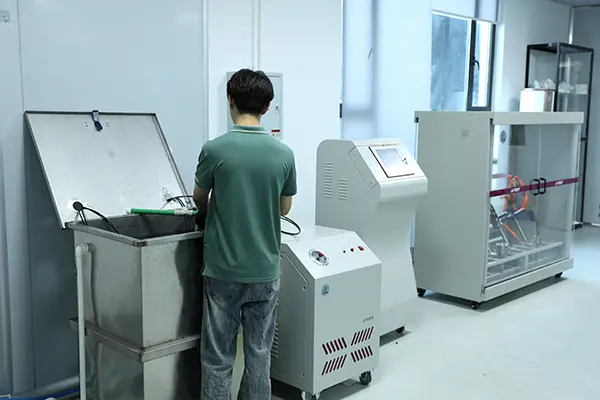
We use a three-step quality control process: first, incoming inspection of virgin resins; second, real-time monitoring of pressure and melt temperature during production; and third, final pressure testing in our laboratory. We check every shipment for dimensional accuracy and load capacity to ensure a reliable seal on the job site.
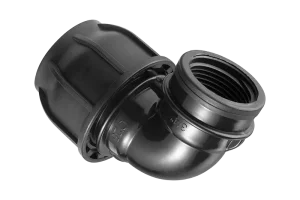
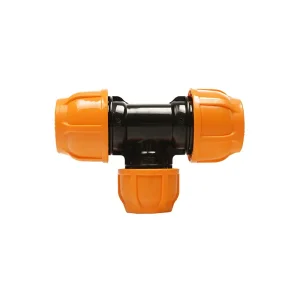
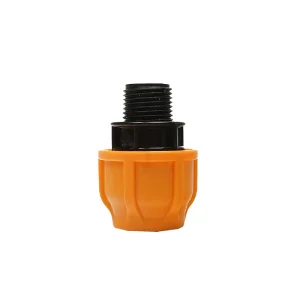
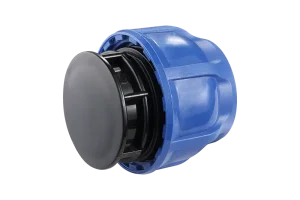
Explore more of our durable pipeline components designed to prevent system pressure drops.
 Minde
Minde