Premium components designed for extreme pressure and high-temperature thermal distribution networks.
A comprehensive analysis of high-temperature polymer fluid dynamics, raw material selection, and structural performance standards.
In modern civil engineering and industrial piping design, the transition from traditional metallic water pipes (such as galvanized iron, copper, and carbon steel) to advanced polymeric networks is accelerating. Among these innovations, Polypropylene Random Copolymer (PPR) hot water piping systems represent a standard-setting breakthrough. Renowned for their high chemical stability, exceptional thermal pressure tolerance, and service life expectations exceeding 50 years under high continuous temperature loads, PPR pipes have become critical assets for hot water distribution networks globally.
Industrial, commercial, and residential construction demands materials that can endure aggressive hydraulic operations while preventing thermal loss and bio-contamination. Unlike copper pipes, which suffer from oxidation and scale accumulation, or steel pipes, which are susceptible to localized rust, PPR pipes utilize a chemically inert random copolymer structure. The introduction of randomly positioned ethylene monomers in the propylene main polymer chain increases the material’s elasticity and impact resistance, making it uniquely suited to handle hot water cycles up to 95°C without compromising structural integrity.
Technical Insight: PPR piping systems drastically reduce thermal conductivity (0.24 W/mK) compared to copper (401 W/mK), which results in a significant reduction in standby thermal energy losses, making it an eco-friendly choice for central district heating and residential hot water distribution.
The global market for PPR hot water pipes is experiencing an upward trajectory driven by urban development, industrial chemical plant retrofits, and the expansion of underfloor heating systems. European, South American, Middle Eastern, and Asian infrastructure developers are prioritizing environmental preservation and long-term operating costs. This shift requires suppliers to fulfill stringent international compliance frameworks, including European Standard EN ISO 15874, German Standard DIN 8077/8078, and British WRAS (Water Regulations Advisory Scheme) certification for potable hot water networks.
Strategic procurement managers within Engineering, Procurement, and Construction (EPC) organizations now evaluate piping suppliers not only on product pricing, but also on raw material purity, thermal expansion coefficient control, and manufacturing consistency. High-grade PPR hot water systems are typically designed to operate reliably under PN20 and PN25 pressure classifications. This performance level is essential for high-rise buildings where hydraulic head pressure, combined with elevated temperatures, can accelerate polymer degradation if raw materials are compromised by recycled content.
Designed to maintain continuous operating integrity at temperatures up to 70°C, and survive peak transient thermal loads up to 95°C without structural wall deformation.
The smooth, non-porous inner bore prevents calcium carbonate accumulation and heavy metal leaching, ensuring flow rates remain constant over a 50+ year service life.
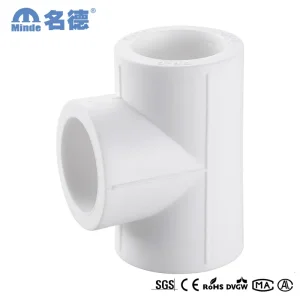
Thermal socket fusion welding melts the contact interface of the pipe and fitting into a single, cohesive molecular structure, eliminating mechanical seal failure risks.
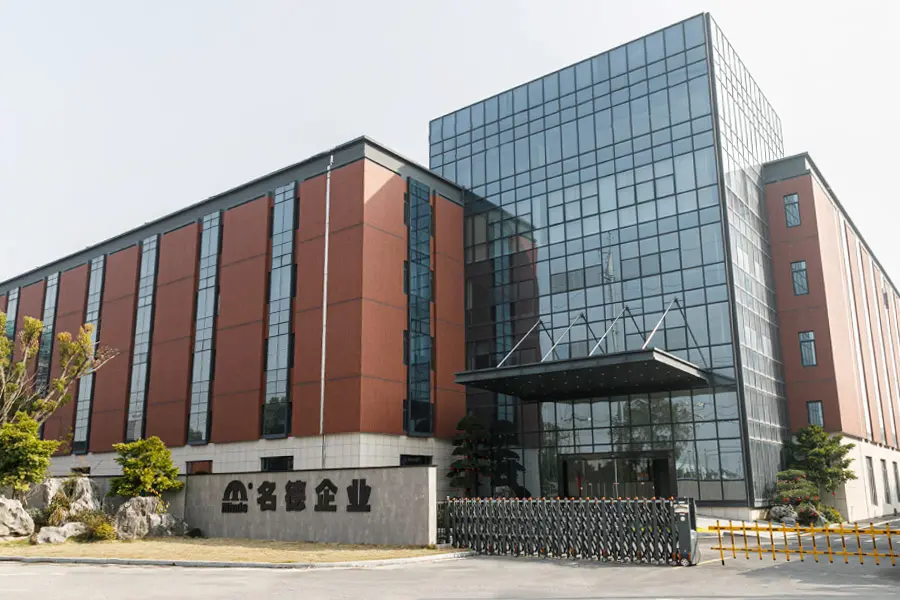
As a major manufacturing partner in Zhejiang Province, China, Ningbo Minde Building Materials Co., LTD. has specialized in the production of high-performance plastic pipes and fittings for over 20 years. Minde maintains a 90,000+ square meter facility designed to support high-volume OEM/ODM projects while meeting strict international quality standards.
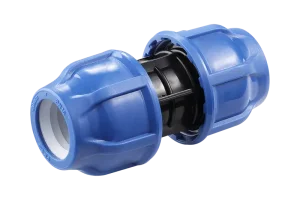
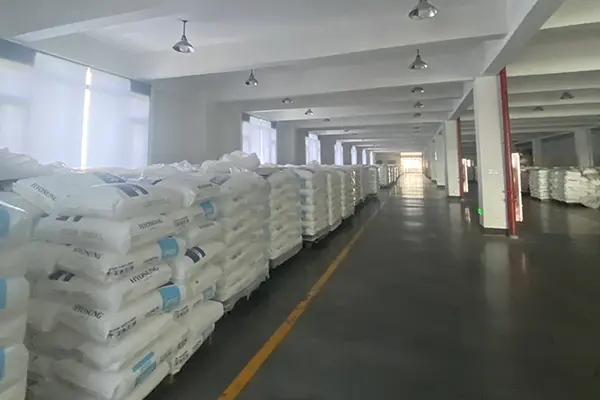
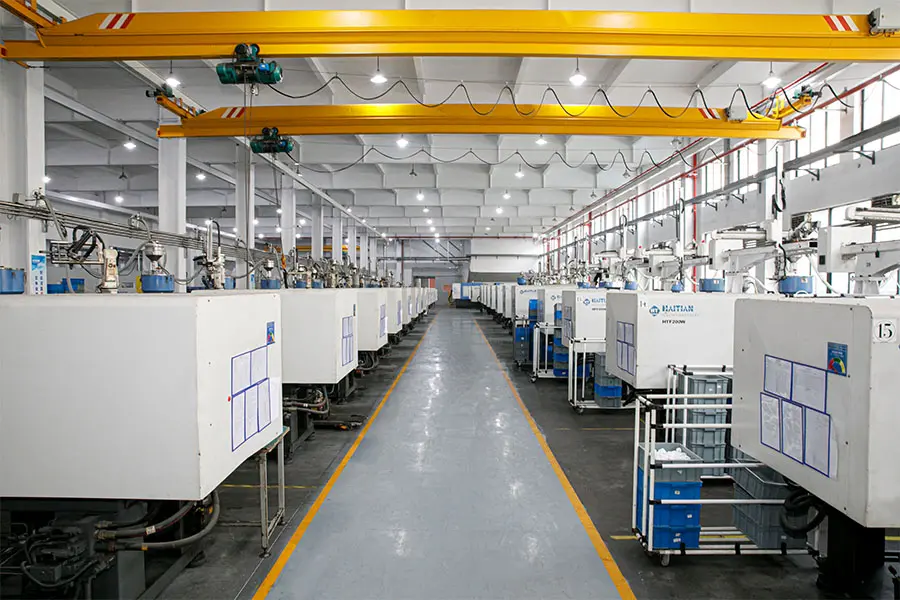
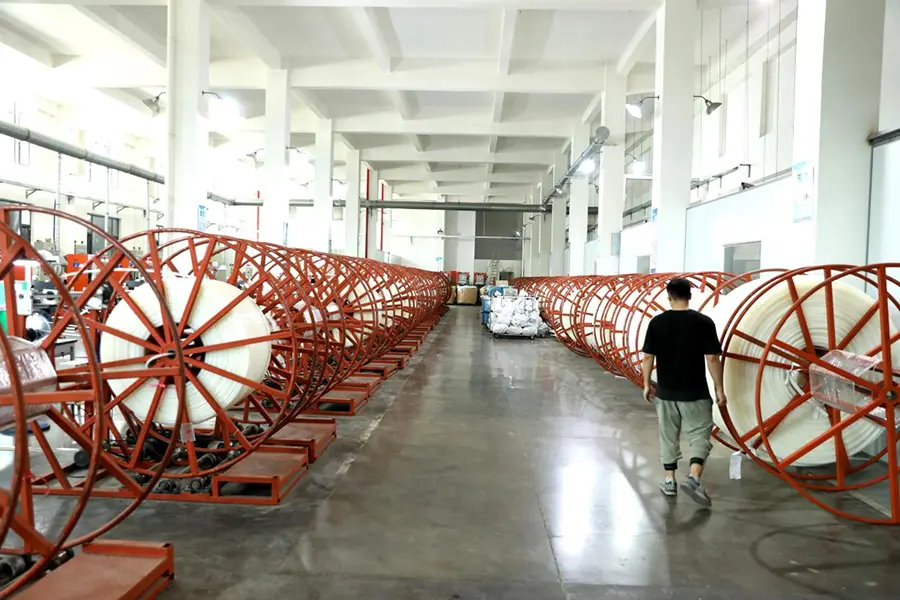
To eliminate the structural defects common in budget piping systems, Minde utilizes premium, virgin raw materials imported from top global suppliers. The factory houses 45 advanced pipe extrusion lines with integrated raw material feeding systems, alongside 85 precision injection molding machines. This layout enables high product consistency across all batches, whether fabricating standard PN16 PP compression fittings or custom multilayer hot water piping structures.
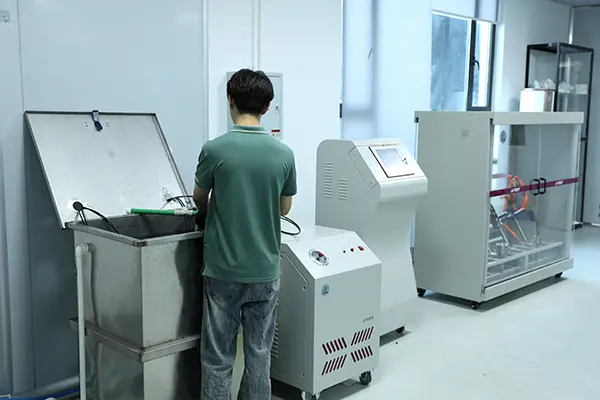
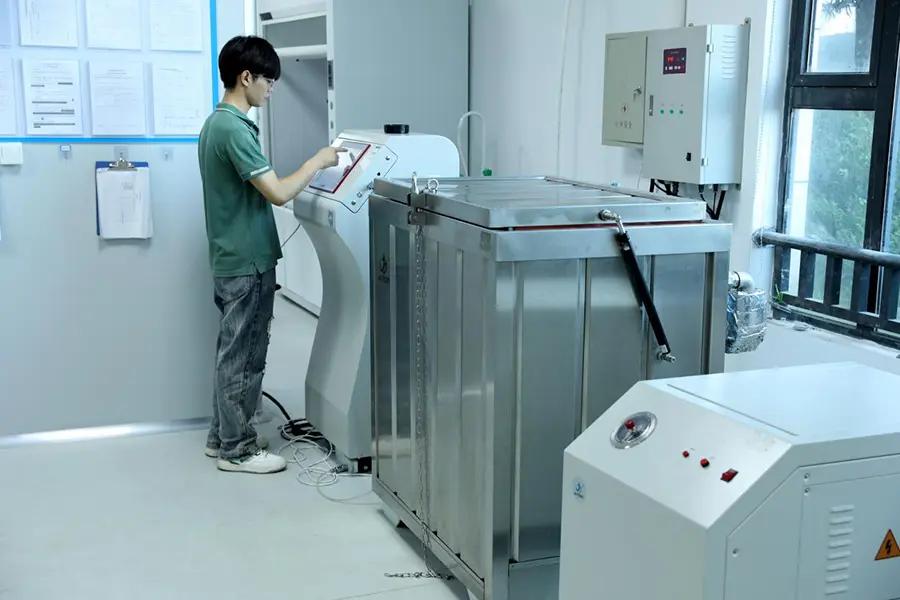
Quality control is integrated into every stage of production at Minde. The quality assurance system operates across three critical inspection points:
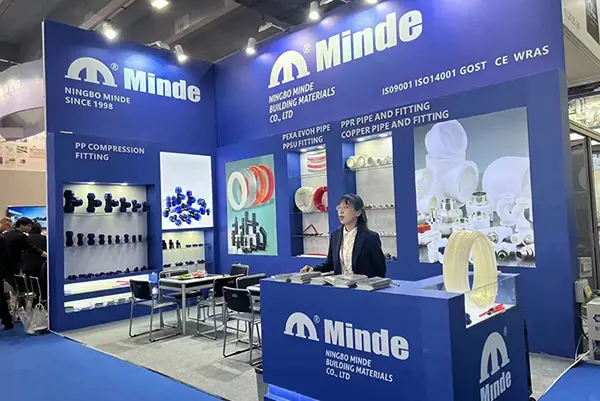
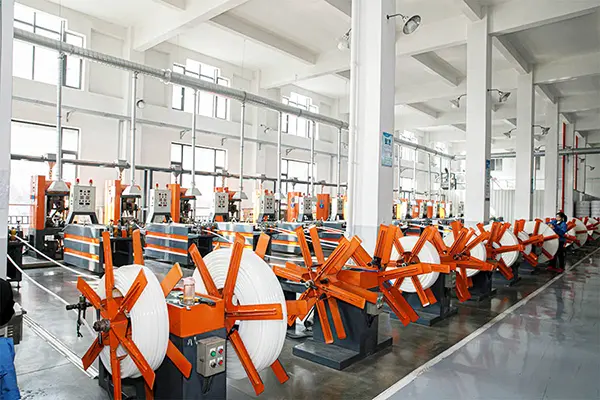
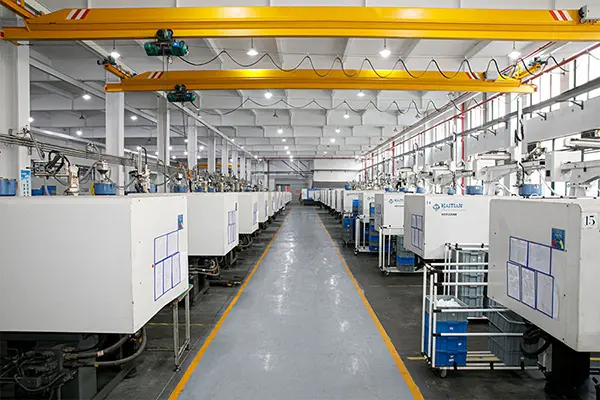
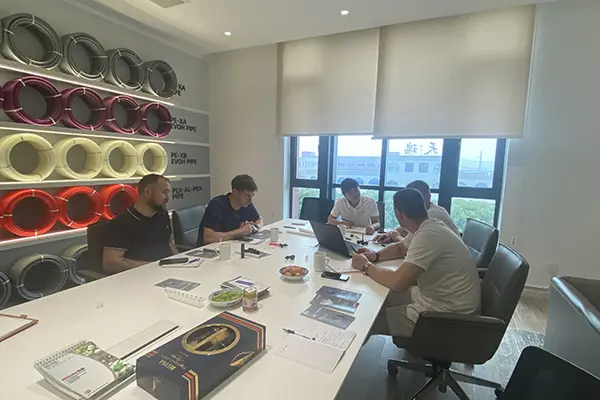
Regulatory compliance is essential for fluid handling installations. Ningbo Minde’s manufacturing processes are certified to ISO9001:2022 for quality systems and ISO14001 for environmental protection. Our piping products carry the CE mark, indicating compliance with European safety standards, and have received British WRAS certification for clean drinking water safety. They also hold Russian GOST certificates, ensuring trouble-free importation and installation in colder climates.
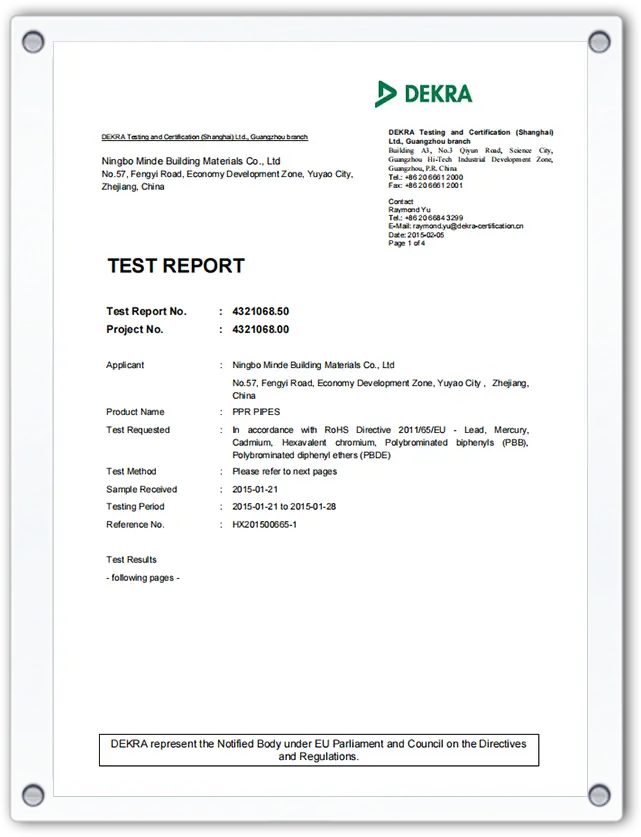
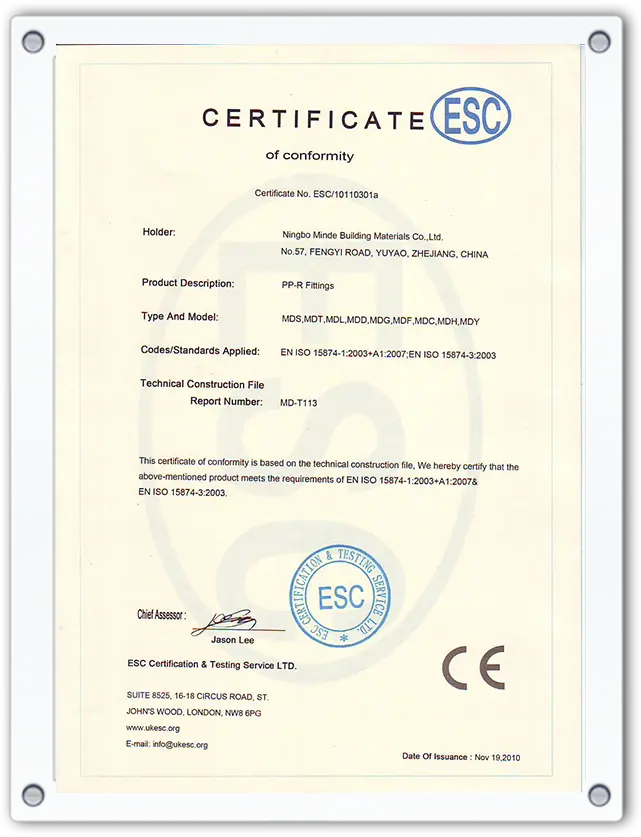
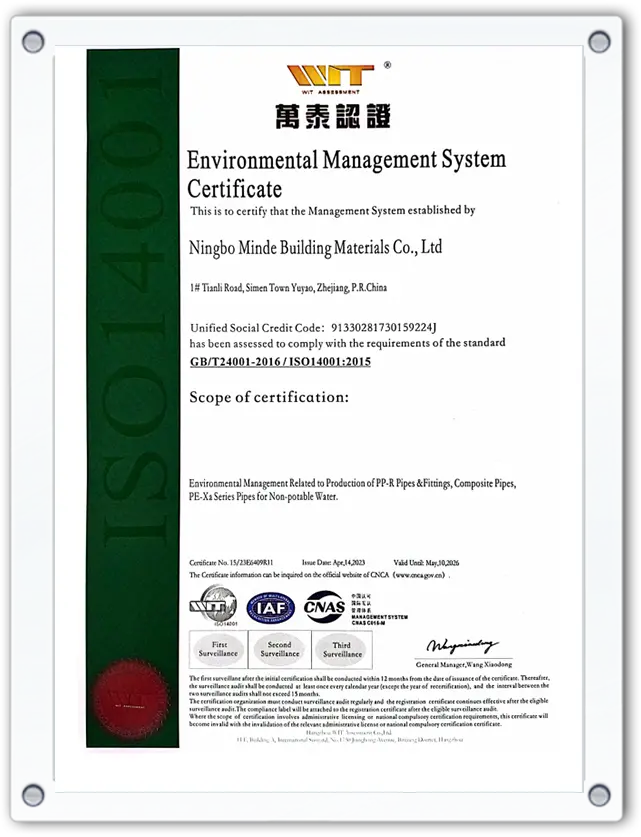
These certifications support Minde's exports to more than 50 countries, including Russia, Ukraine, Southeast Asia, South America, and the Middle East. Our logistics and engineering teams help clients navigate local plumbing codes and import standards, ensuring project delivery matches local regulations.

A: Standard PP-R (Type 3) relies on a random copolymer formulation that offers robust performance up to 70°C. PP-RCT (Polypropylene Random Copolymer with Crystalline Temperature resistance) represents the next generation of polymer design. It utilizes a modified crystalline structure that features beta-nucleation, which significantly improves the material's long-term hydrostatic strength at elevated temperatures (up to 95°C). This crystalline refinement allows PP-RCT pipes to handle higher pressures at identical wall thicknesses, or operate with thinner walls to achieve up to 25% higher flow capacities.
A: Unmodified PPR has a relatively high coefficient of thermal expansion (approximately 0.15 mm/mK). When routing hot water, this expansion can cause noticeable physical bowing. To address this, engineers can use composite fiber-stabilized PPR pipes, which feature a co-extruded fiberglass middle layer that reduces thermal expansion by up to 75% (to roughly 0.035 mm/mK). For standard PPR installations, layouts should incorporate expansion loops, mechanical expansion joints, and strategically placed fixed and sliding support brackets to guide pipe movement without stress build-up.
A: Threaded or press-fit connections rely on compression force and elastomeric O-rings, both of which degrade over time due to thermal cycling and oxidation. In contrast, PPR uses socket heat fusion welding. By heating the outer surface of the pipe and the inner surface of the fitting to approximately 260°C, the polymer chains interdiffuse. When cooled, the joined components bond at the molecular level, creating a continuous, leak-free material structure.
A: PPR is chemically inert and has high resistance to pH levels ranging from 1 to 14. This prevents corrosion from both acidic and alkaline water supplies, which can degrade copper and galvanized steel. The smooth interior surface (roughness factor of 0.007 mm) reduces fluid friction and prevents the calcium carbonate buildup that causes pressure loss in metal piping over time.
A: Yes. While polypropylene can become brittle at sub-zero temperatures, PPR's random copolymer composition retains sufficient elasticity to withstand freezing conditions down to -10°C, provided the fluid inside is kept from freezing solid. For outdoor installations in freezing climates, pipes should be insulated with polyurethane foam or rock wool sleeves to protect the fluid and piping from freezing damage.
A: For drinking water networks, procurement teams should verify that products carry certifications such as the British WRAS, German DVGW, or NSF/ANSI 61. These certifications confirm that the polymer compounds and processing additives do not leach harmful levels of lead, cadmium, or other heavy metals into the water supply.
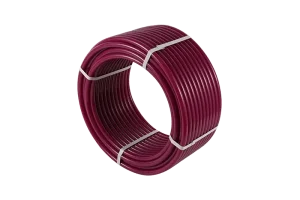
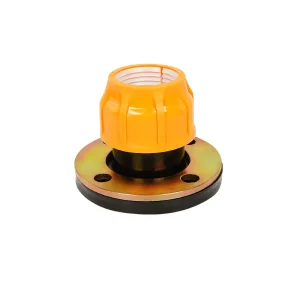
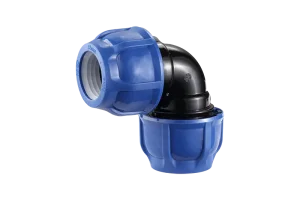
Explore our complete range of certified underfloor heating pipes and compression fittings designed for reliable, leak-free service.
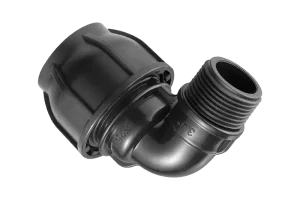
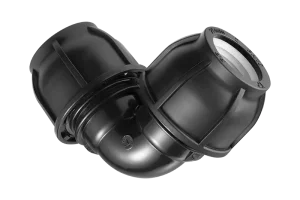
 Minde
Minde