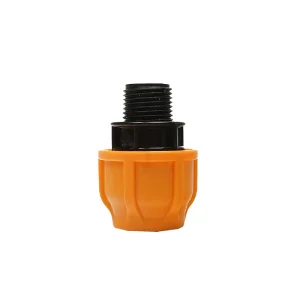
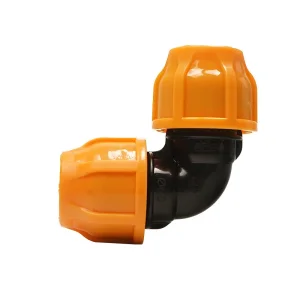
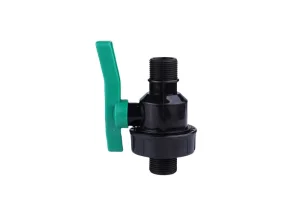
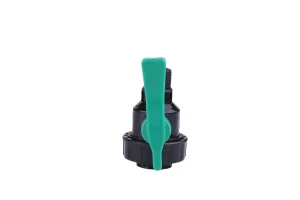
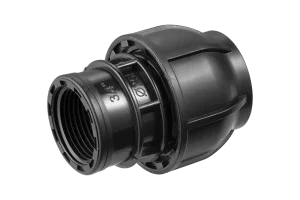
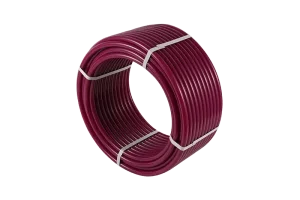
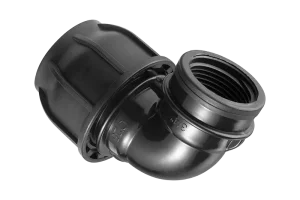
Premium OEM and ODM options engineered for high-pressure distribution networks and precise agricultural flow control configurations.
Analyzing the paradigm shift toward Polypropylene Random Copolymer piping solutions in modern building infrastructure and mechanical engineering projects.
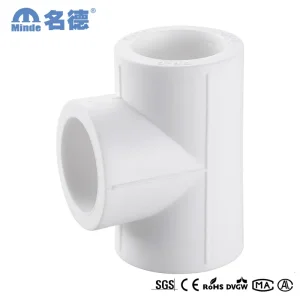
Around the world, municipal developers and private contractors are progressively phasing out older copper, galvanized iron, and PVC pipes. The transition to PPR (Polypropylene Random Copolymer) technology represents an evolution in fluid conveyance. Known for its thermal-fusion joint stability, PPR eliminates the weak points associated with threaded joints or toxic chemical adhesives. Custom PPR Tees serve as essential structural junctions, permitting smooth redirection and distribution of fluids without introducing pressure drops or mechanical wear points.
Industrial applications demand strict compliance with sanitation and corrosion prevention parameters. PPR exhibits an exceptionally high resistance to chemical corrosion across pH scales ranging from acidic to highly basic liquids. In hot and cold domestic water networks, this chemical inertness prevents heavy metal leaching, ensuring strict compliance with sanitary drinking water guidelines globally, such as the UK's WRAS and international NSF/ANSI specifications.
Depending on the required design lifetime, designers optimize piping installations based on the Standard Dimension Ratio (SDR). Custom PPR Tees are available in SDR6, SDR7.4, and SDR11 structures to support varying operational pressures (PN10, PN16, PN20, and PN25). The structural design is optimized to absorb thermal expansion stresses, resisting hydraulic shock waves (water hammer) that commonly fracture brittle, low-grade plastic piping systems.
Over two decades of precision polymer engineering and reliable manufacturing of commercial piping infrastructure.
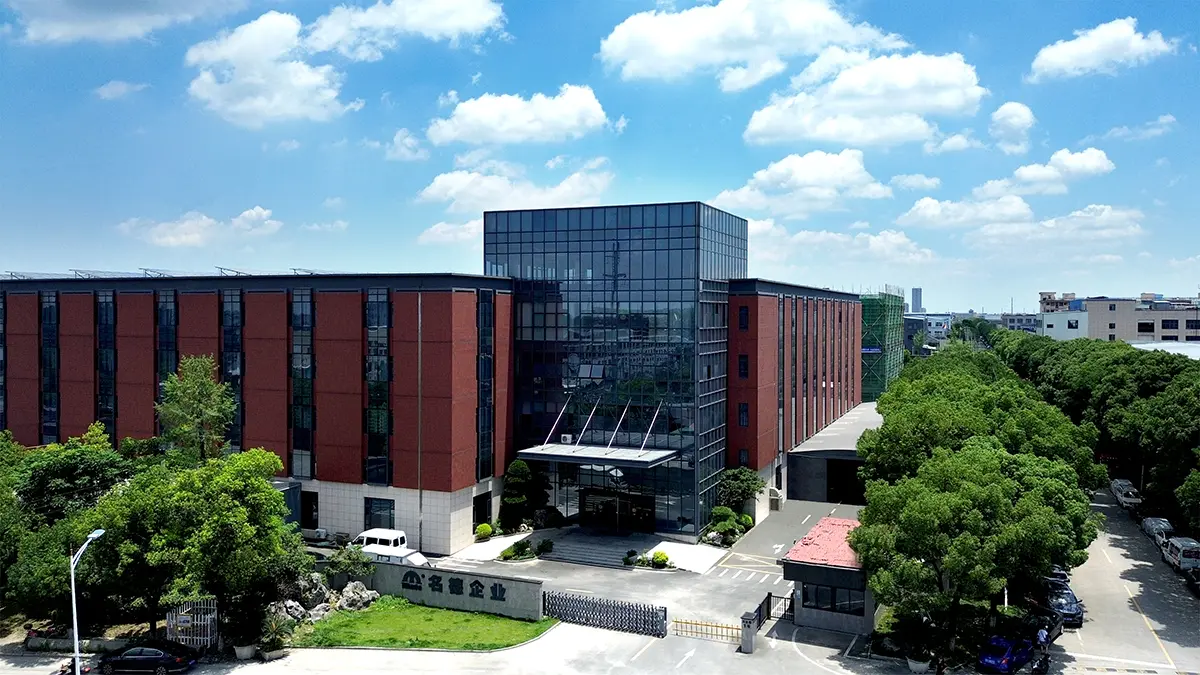
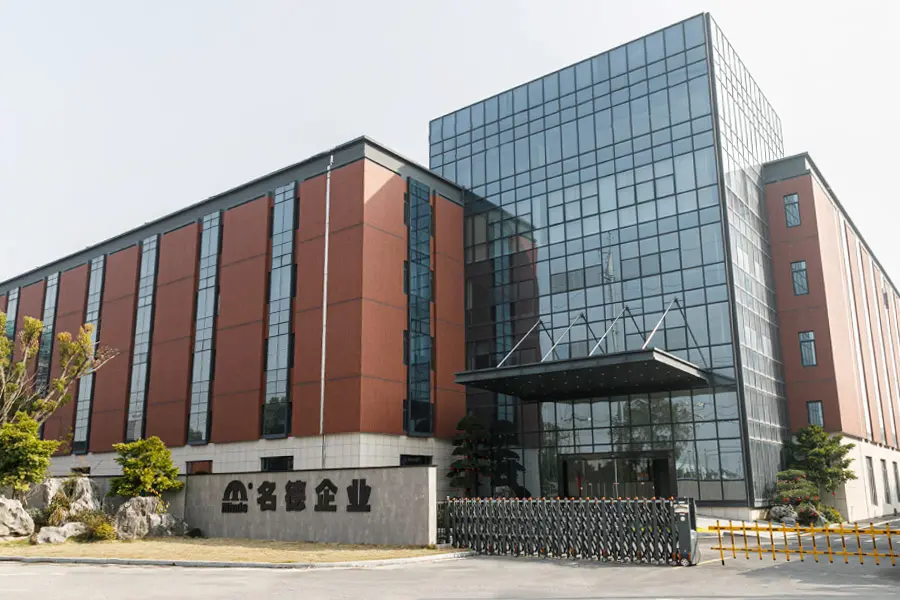
Headquartered in the industrial heart of Zhejiang Province, China, Ningbo Minde Building Materials Co., Ltd. is a dedicated manufacturer specializing in high-performance polymer pipes and fittings. With more than 20 years of experience, we provide dependable piping solutions to commercial distributors, plumbing professionals, and civil engineering companies worldwide.
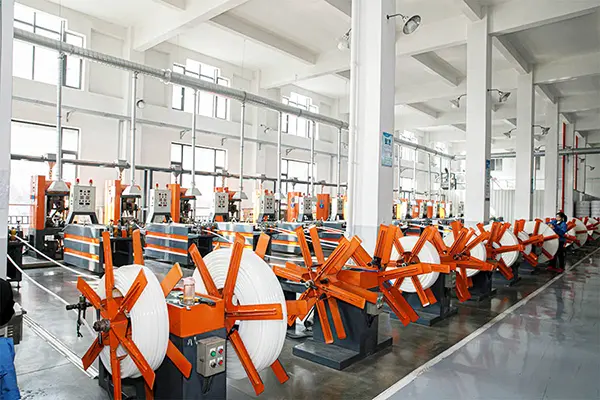
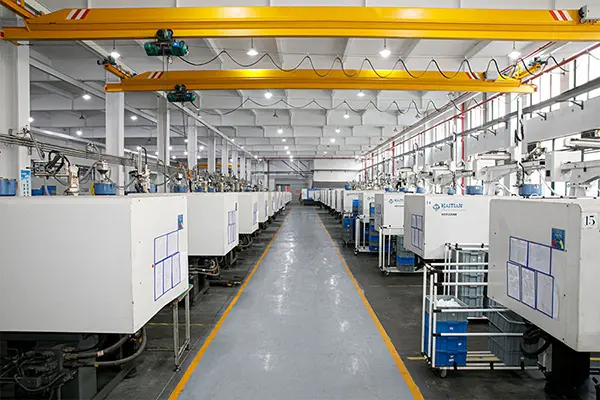
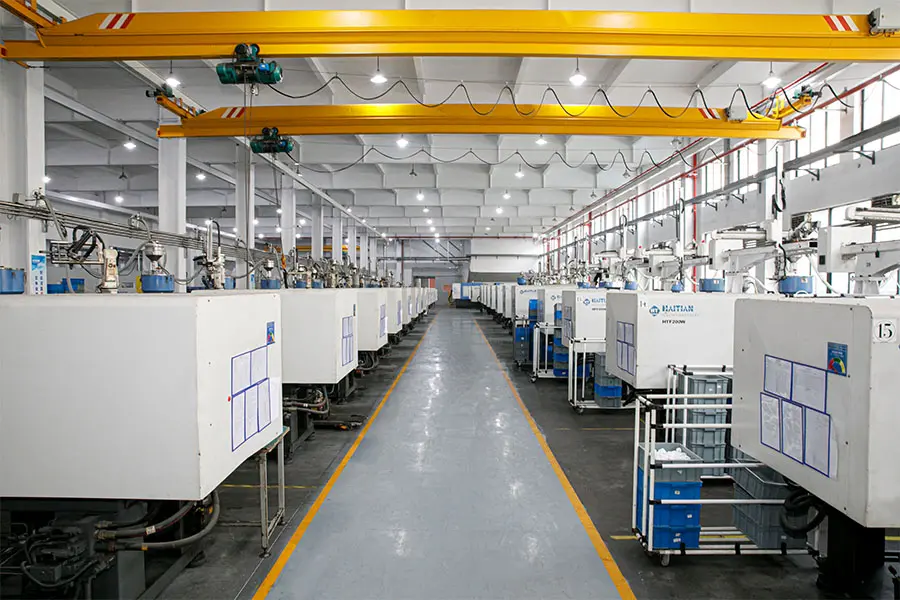
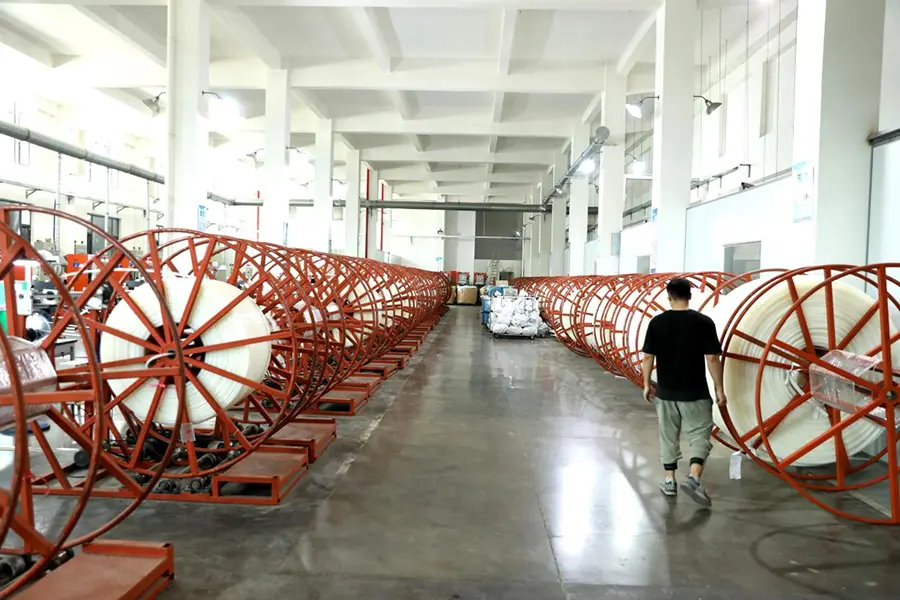
We source premium, virgin imported raw materials to prevent performance issues associated with recycled resins. To maintain high output and reliability, our facility features 45 advanced pipe extrusion lines, a fully integrated automatic feeding system, and 85 high-precision injection molding machines. With a plant spanning over 90,000 square meters and over 200 skilled operators and engineers, we manage large-scale bulk orders while maintaining customization options for custom PPR tee fittings.
Inside our injection molding and extrusion workshops, where high-grade materials are transformed into durable products.
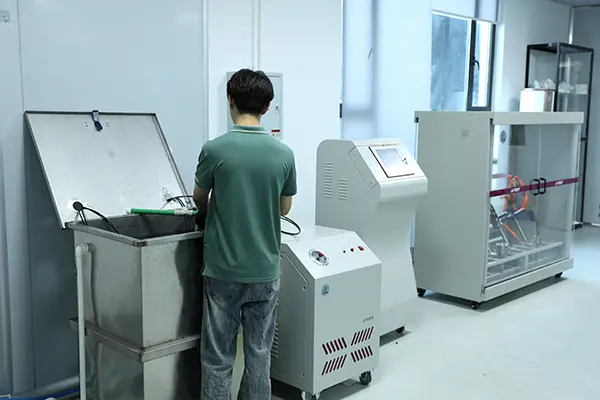
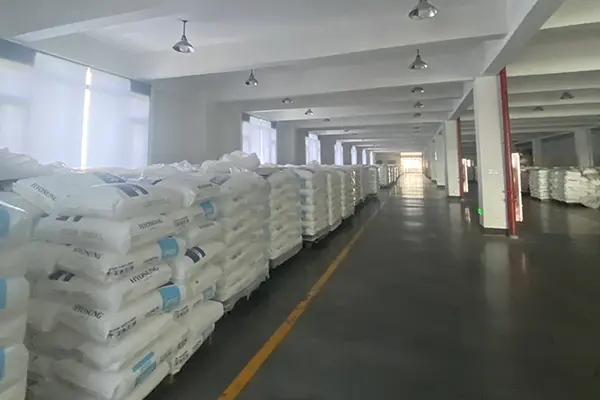
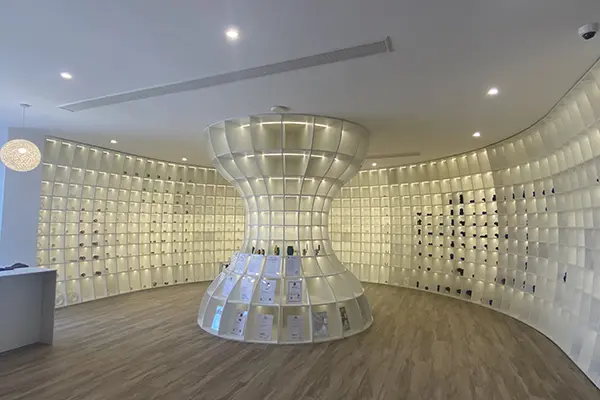
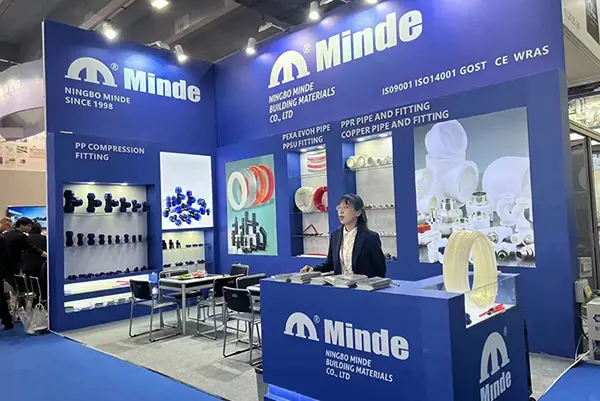
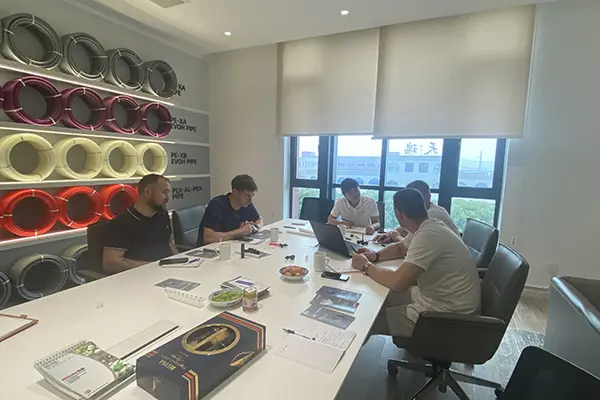
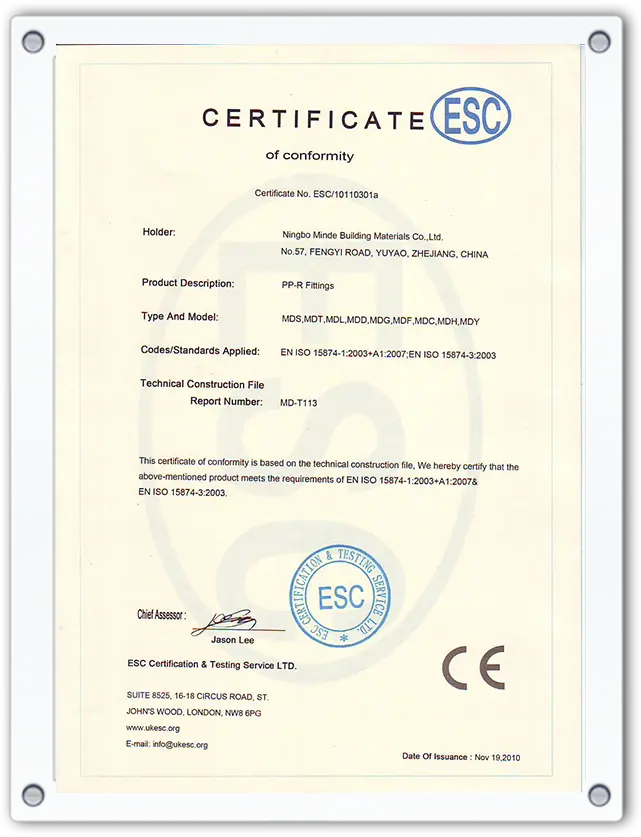
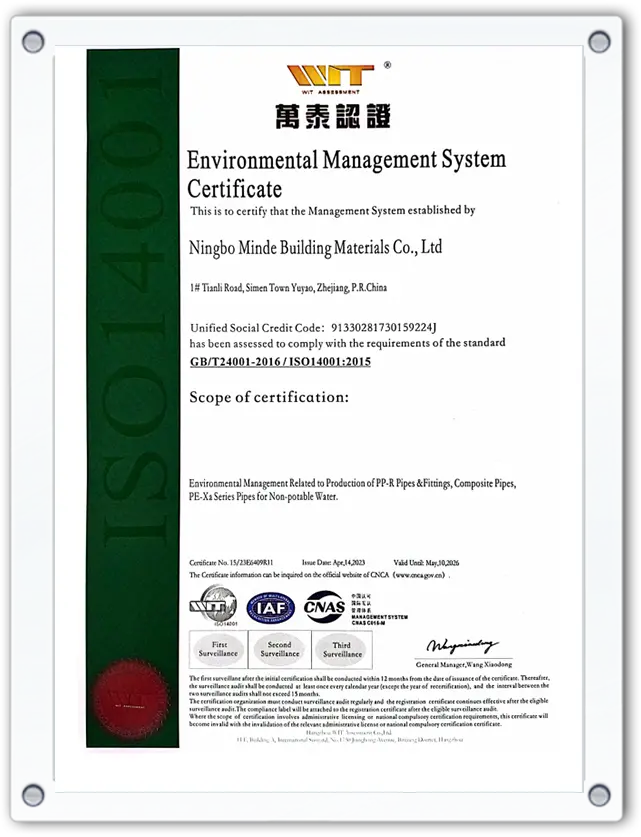
Ensuring compliance with global regulatory and safety standards through rigorous inspection procedures.
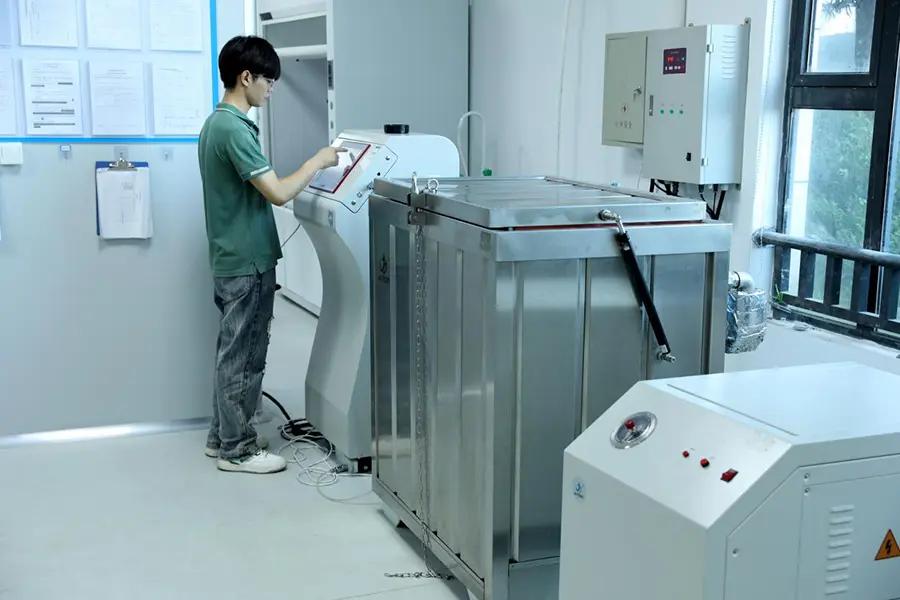
At Ningbo Minde, we maintain strict quality control at three core inspection points: Raw Material Inspection to prevent contamination, In-Process Control to check dimensions and molecular structure during extrusion/injection, and a final Finished Product Evaluation involving pressure resistance tests.
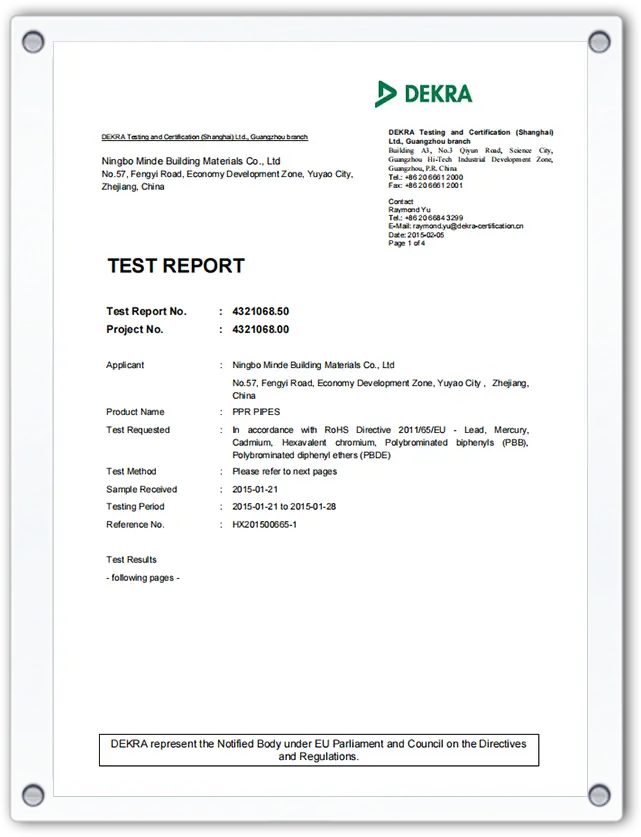
Our commitment to reliable performance is backed by recognized international certifications, including:
Reference measurements and performance values for system planning and installation calculations.
| Property / Parameter | Reference Metric / Test Standard | Performance Value / Classification |
|---|---|---|
| Material Composition | ISO 15874 / DIN 8077/8078 | 100% Virgin Polypropylene Random Copolymer (Type 3) |
| Pressure Rating (PN) | ISO 9001 Tested | PN10, PN16, PN20, PN25 |
| Operating Temperature Range | Continuous Service | -10°C to 95°C (Suitable for domestic hot water networks) |
| Thermal Conductivity | DIN 52612 | 0.24 W/mK (Reduces thermal loss compared to metal pipes) |
| Standard Dimension Ratio (SDR) | Engineering Classification | SDR 11, SDR 7.4, SDR 6 |
| Connection Method | Thermal Socket Fusion | Homogeneous fusion joint at 260°C ± 10°C |
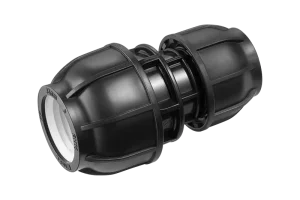
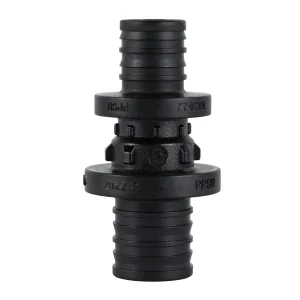
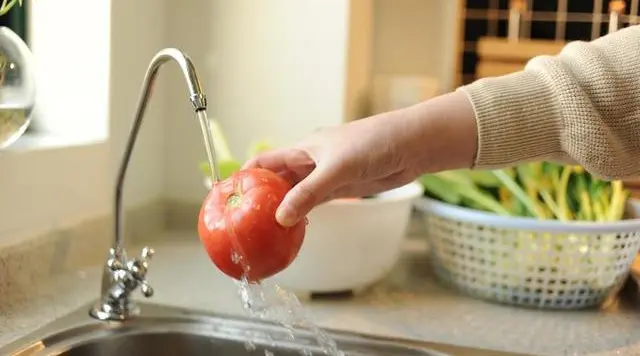
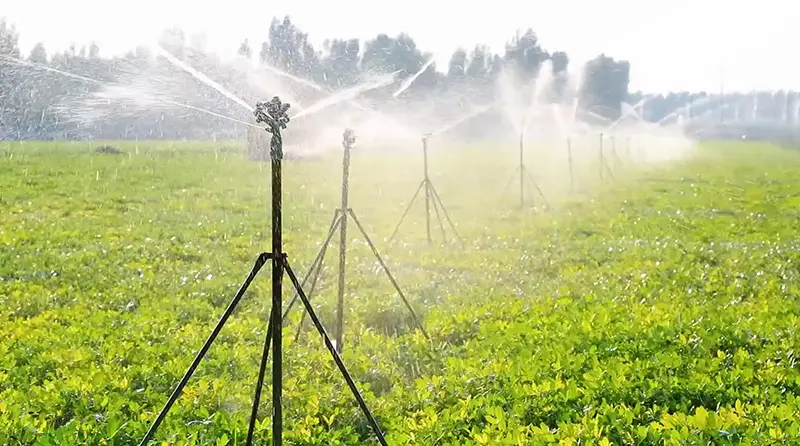
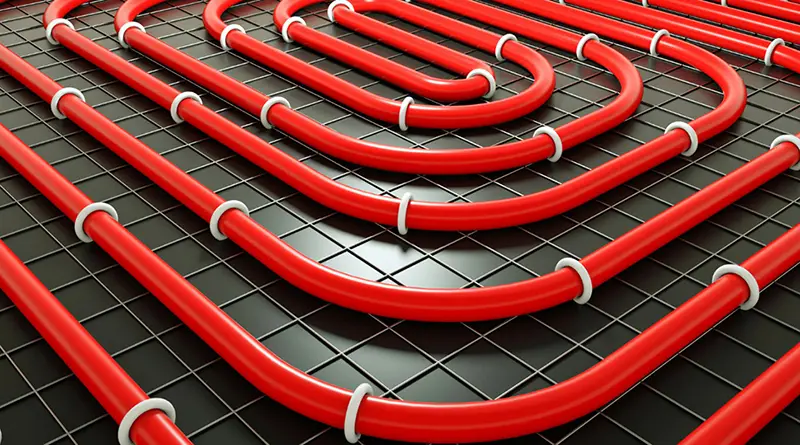
How customized PPR Tees and PP compression fittings are implemented in water distribution and hydronic systems.
Supplying distributors and infrastructure projects across more than 50 countries, including South America, Eastern Europe, Russia, and the Middle East.

Exploring next-generation materials and processes for structural integrity and thermal efficiency.
Our material research team is focusing on multi-layer technologies incorporating glass fiber compounds within the central layer of the PPR pipe. This structure lowers thermal linear expansion by up to 75%, making long pipe runs structurally stable without requiring extensive expansion loops.
By overmolding PPSU components into high-pressure PPR systems, we create connection fittings that handle higher temperatures and mechanical loads. This combination provides a strong connection point for transitions in boiler rooms and commercial mechanical risers.
To reduce the environmental impact of polymer manufacturing, we utilize a closed-loop water recovery system for our cooling lines. All production scrap is sorted and recycled internally for non-critical applications, helping to lower the overall carbon footprint of our operations.
Addressing engineering queries regarding polymer selection, pressure ratings, and system installation.
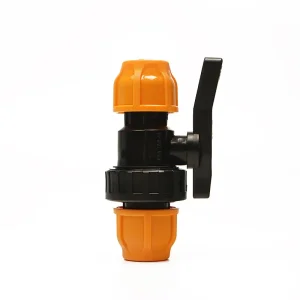
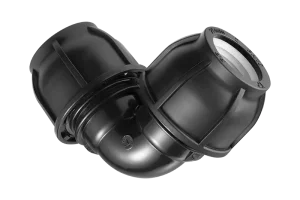
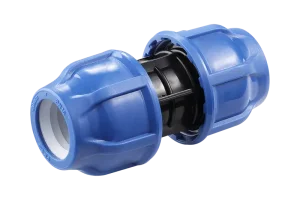
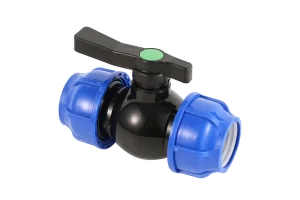
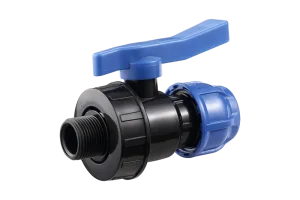
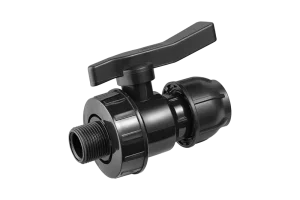
A selection of compression fittings, adapters, and valves designed to secure and direct fluid networks.
 Minde
Minde