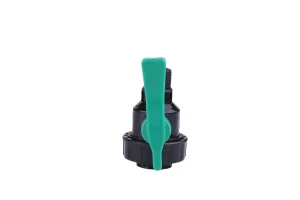
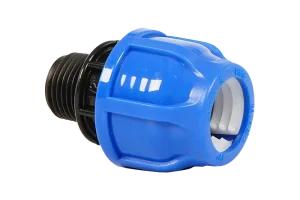
Engineered for high-pressure irrigation, municipal water supply networks, and advanced domestic underfloor heating infrastructures.
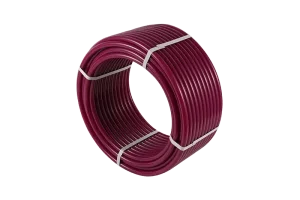
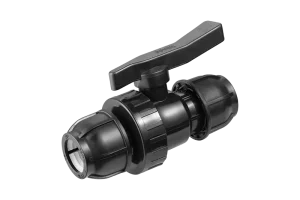
An in-depth chemical and mechanical breakdown of Cross-linked Polyethylene (PEX) types and their deployment in engineering projects.
Utilizing the Engel method, chemical peroxide is introduced to the raw HDPE resin during extrusion, prompting cross-linking above its melting point. This creates a uniform molecular structure with a cross-linking density exceeding 70-80%. PEX-a features unmatched flexibility, exceptional thermal memory (allowing kink repair using heat guns), and outstanding resistance to pressure surges.
Produced using the Silane grafting process, the polyethylene molecules are cross-linked after extrusion by exposing the pipe to moisture and elevated heat. PEX-b typical cross-linking ranges from 65% to 70%. It features increased tensile strength, high resistance to chlorine sanitizing agents, and excellent burst pressure limits, making it highly effective for municipal cold-water connections.
Formed through an electronic beam (physical radiation) treatment that bombards the solid pipe post-extrusion, cross-linking the carbon atoms. Achieving about 60-70% density, PEX-c has no chemical additives during processing, ensuring a clean water profile. It is relatively stiffer, making it optimal for straight commercial runs where structural sagging must be minimized.
In closed-loop HVAC systems, oxygen permeation through bare polymer walls causes corrosion of key components like pumps, boiler heat exchangers, and steel fittings. To address this, our wholesale Pe-Xa pipes feature an integrated EVOH (Ethylene Vinyl Alcohol) co-extruded barrier layer. This high-barrier layer effectively limits oxygen diffusion to negligible levels (conforming to DIN 4726), protecting metallic system elements and extending the lifespan of underfloor radiant heating networks.
Aligning project requirements, hydraulic parameters, and material selection criteria for regional buyers and infrastructure developers.
Commercial irrigation and municipal connections require distinct pressure-class fittings. PN10 fittings (rated up to 1.0 MPa) are optimized for drip lines. Heavy-duty PN16 systems (rated up to 1.6 MPa) are designated for industrial fluid transport and municipal mains with high dynamic surges.
For potable water mains, cross-linked structures must resist continuous chlorine sanitizer flushing. Utilizing high-grade stabilization formulations prevents oxidative degradation, preventing premature embrittlement of the inner piping core.
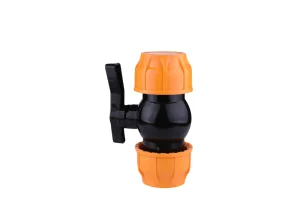
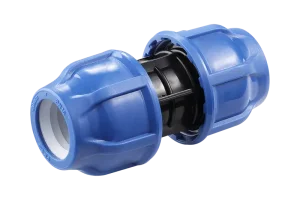
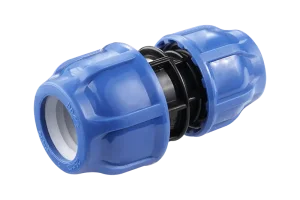
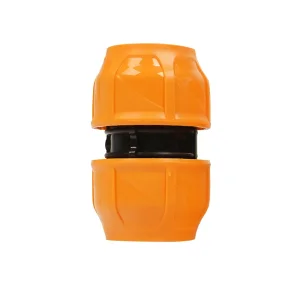
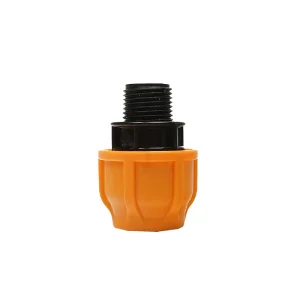
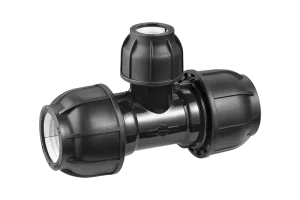
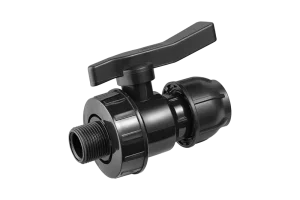
High-volume farm networks require fittings that resist soil chemical fertilizers, acidic nutrients, and dynamic outdoor conditions. Our PP compression couplings and compression ball valves provide quick assembly without specialized welding tools, offering excellent UV degradation resistance.
Underfloor heating loops demand high structural flexibility. Our PEX-a pipes allow tight bending radiuses around subfloor loops without spring-back, reducing pressure drop across manifolds while maintaining high thermal conductivity.
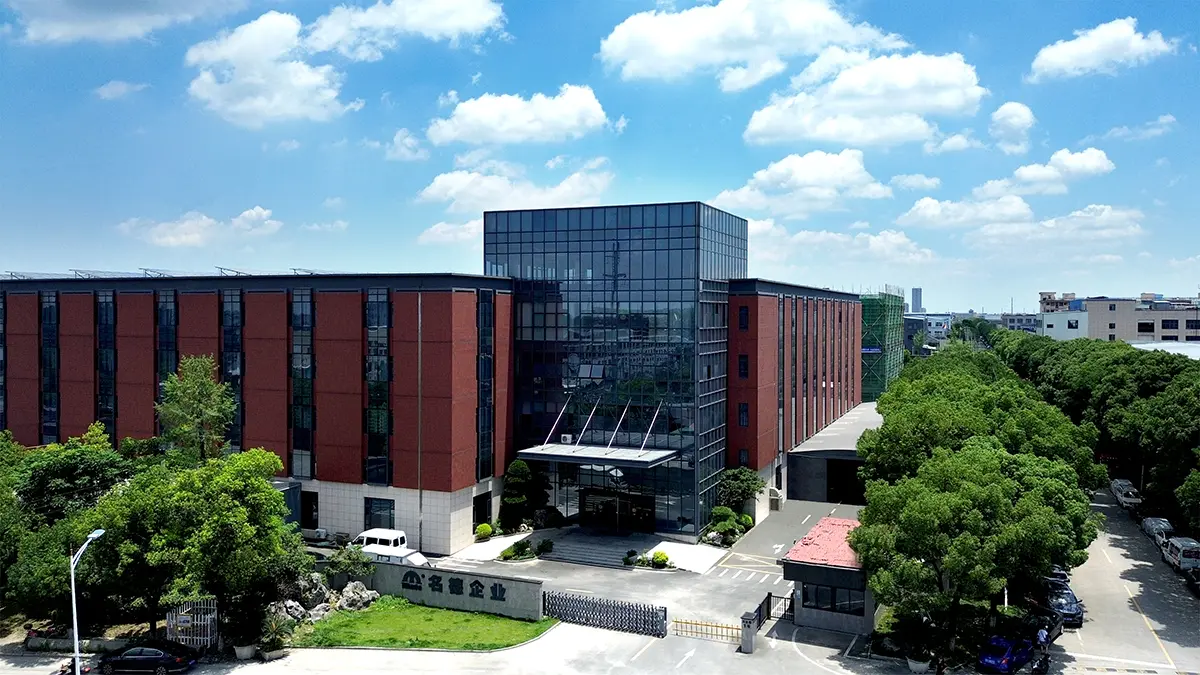
A leading Chinese factory specializing in industrial plastic water pipes, fittings, and modern heating system components.
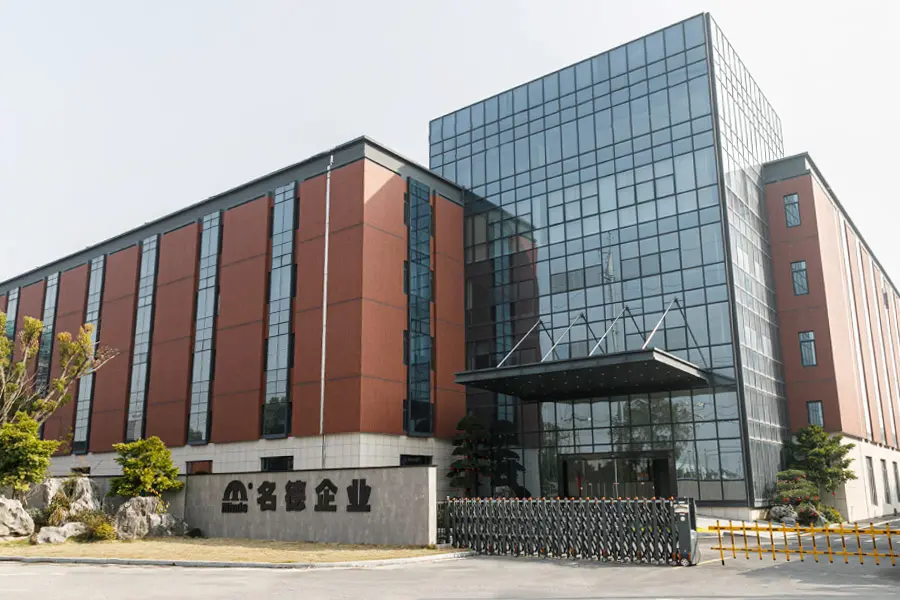
Based in Zhejiang Province, China, we are a professional manufacturing factory focusing on the research, production, and sales of plastic water pipes and matching fittings. With over 20 years of experience, we support residential water supply, agricultural irrigation, and underfloor heating projects globally.
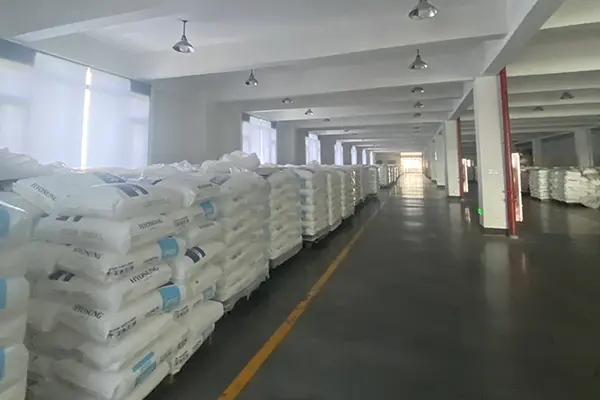
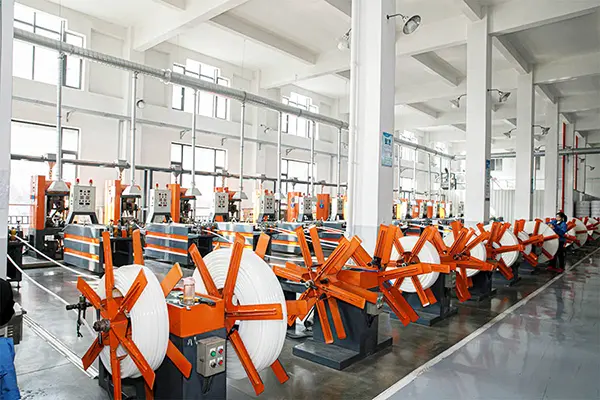
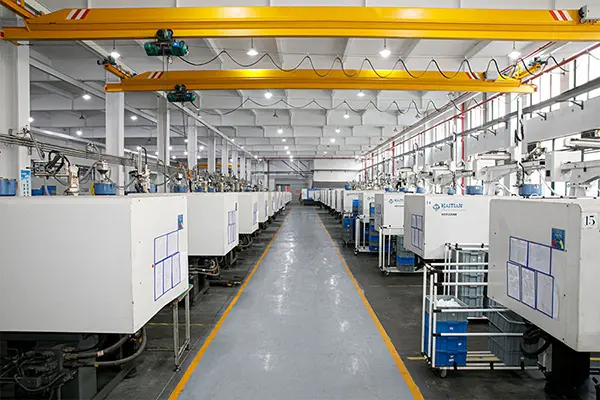
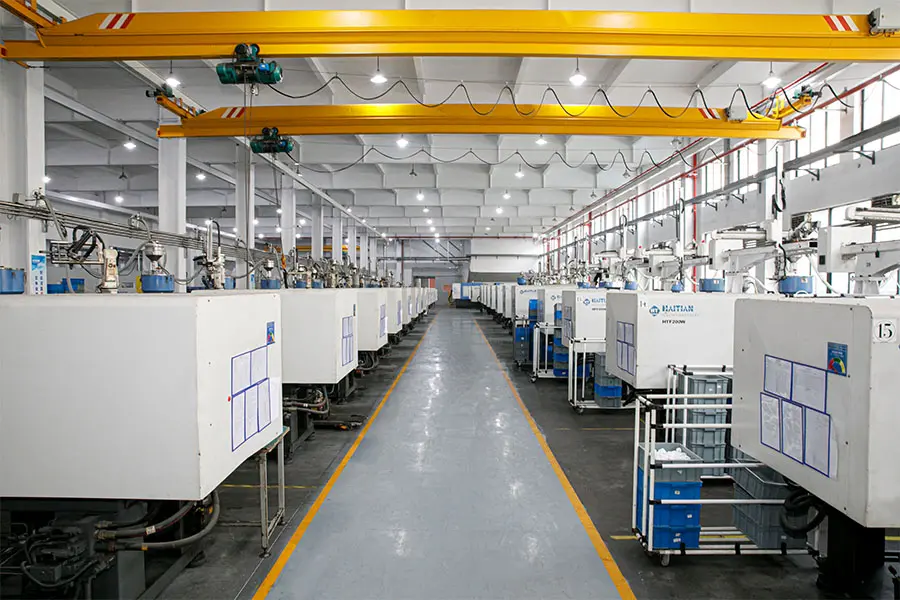
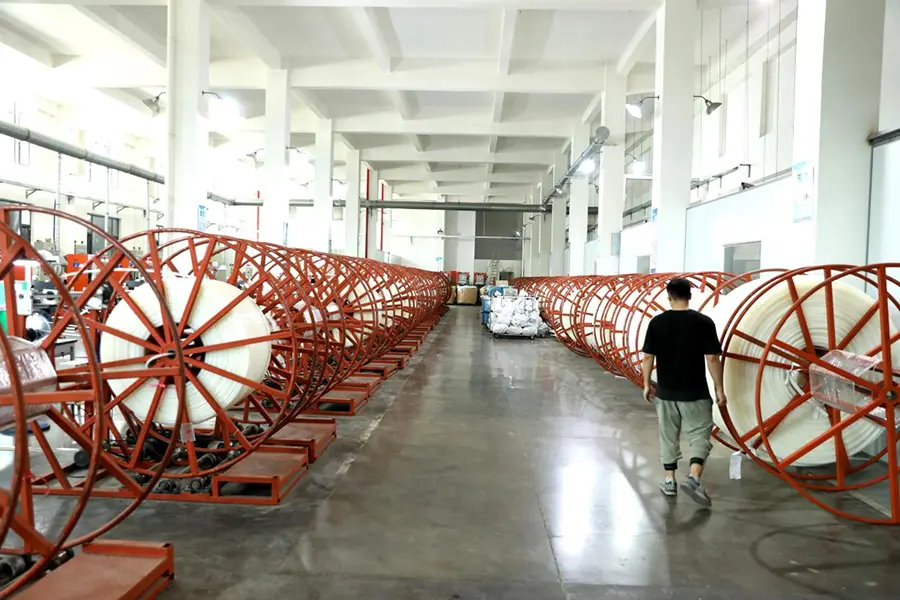
To ensure environmental safety and long-term reliability, Minde works exclusively with premium imported virgin raw materials. Our production facilities include 45 high-capacity pipe production lines, a fully integrated centralized feeding system, and 85 precision injection molding machines.
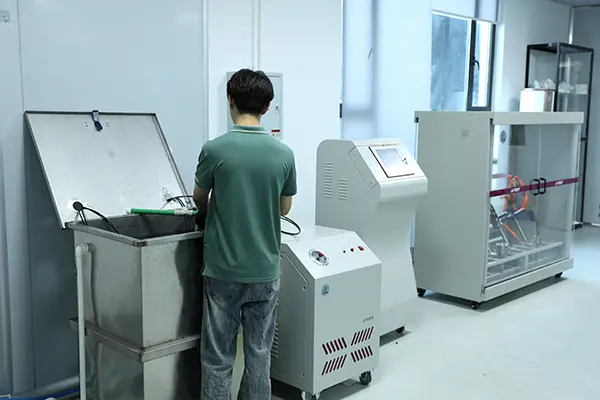
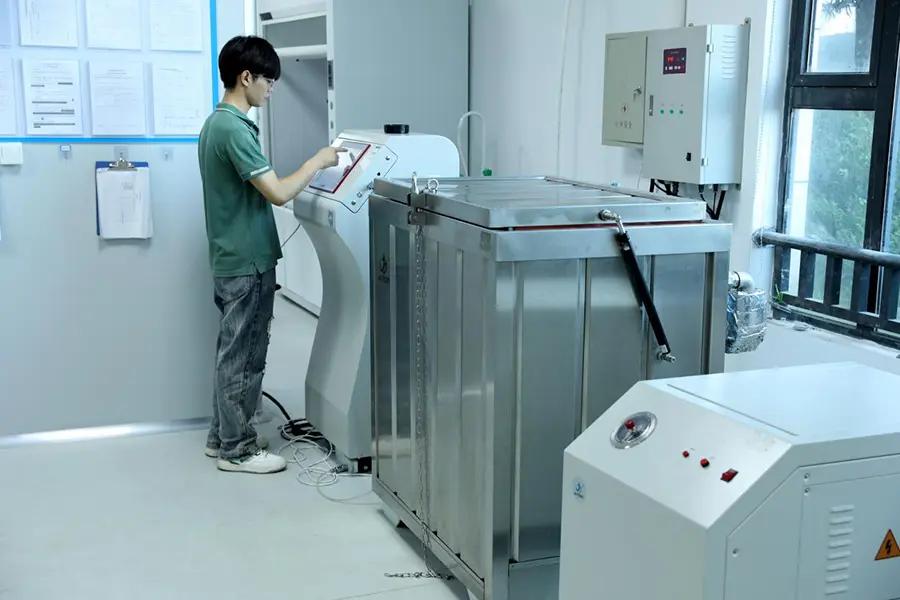
We maintain quality control through three independent checkpoints: raw material inspection, process monitoring, and final product sampling. This process is backed by testing equipment to ensure performance under high pressures.
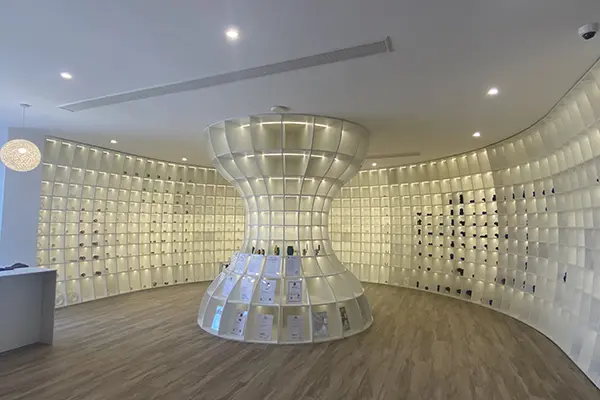
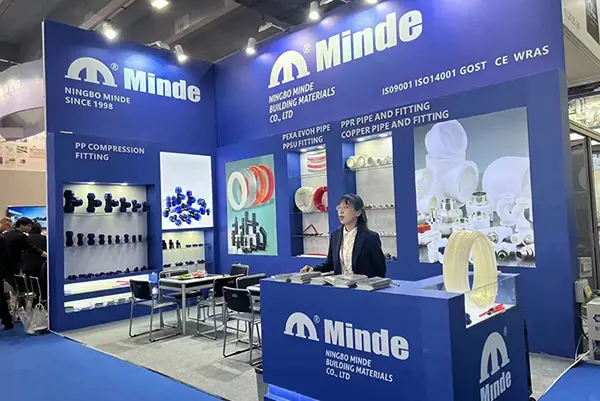
A tour of our production facilities, showing automated operations from raw polymer material handling to finished product packaging.
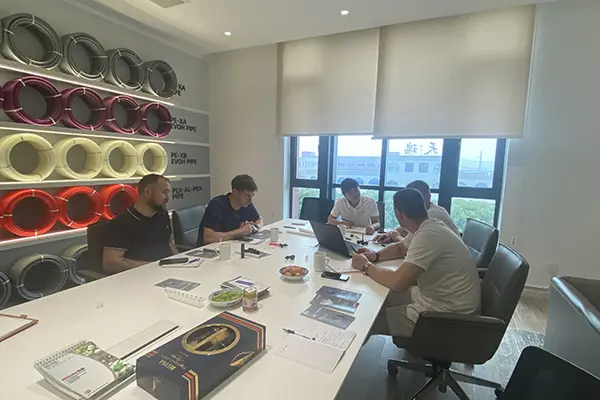
High-reliability performance tailored for residential plumbing, agricultural distribution, and radiant subfloor HVAC networks.
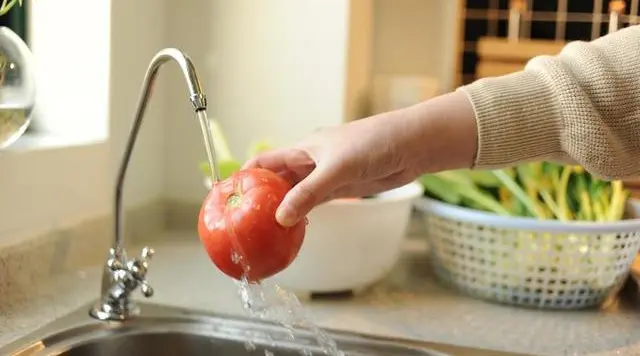
Our PE-Xa pipelines and PP compression fittings ensure clean potable water distribution. Engineered to minimize friction losses, they resist mineral scaling and chemical degradation from chlorine treatments.
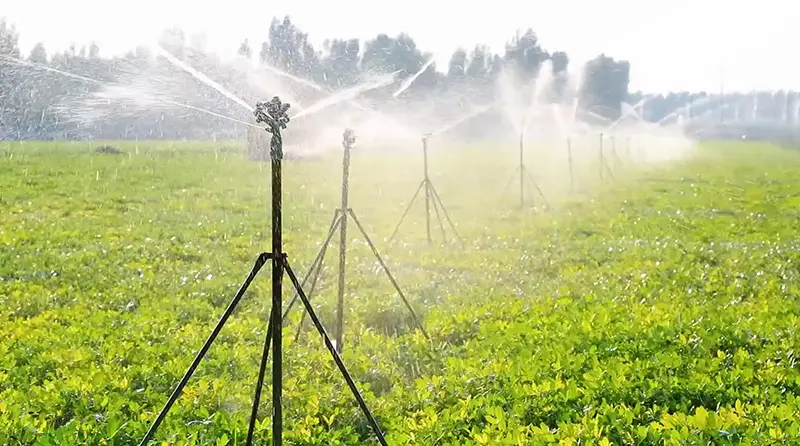
Designed for agricultural projects, including high-flow drip lines and sub-surface irrigation. These UV-resistant components handle fertilizers and dynamic outdoor working conditions.
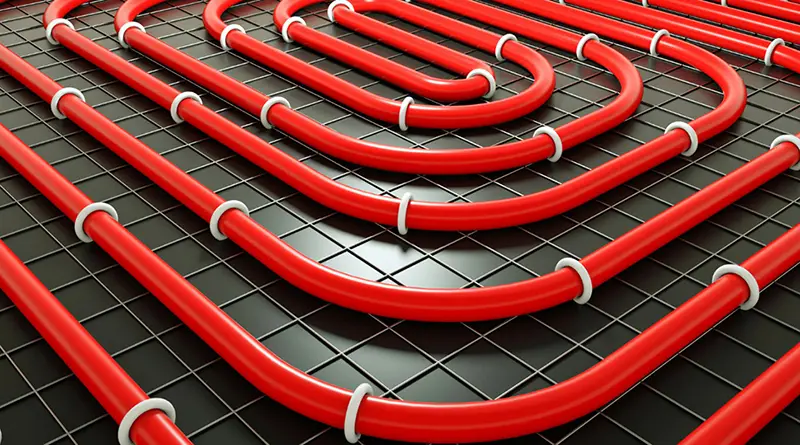
Using oxygen-barrier EVOH PE-Xa pipes, this solution provides steady radiant heat transfer. The pipes' flexibility prevents kinks, while the oxygen barrier protects downstream metallic components from oxidation.
Our pipeline products meet strict quality standards for drinking water and high-pressure applications across major international markets.
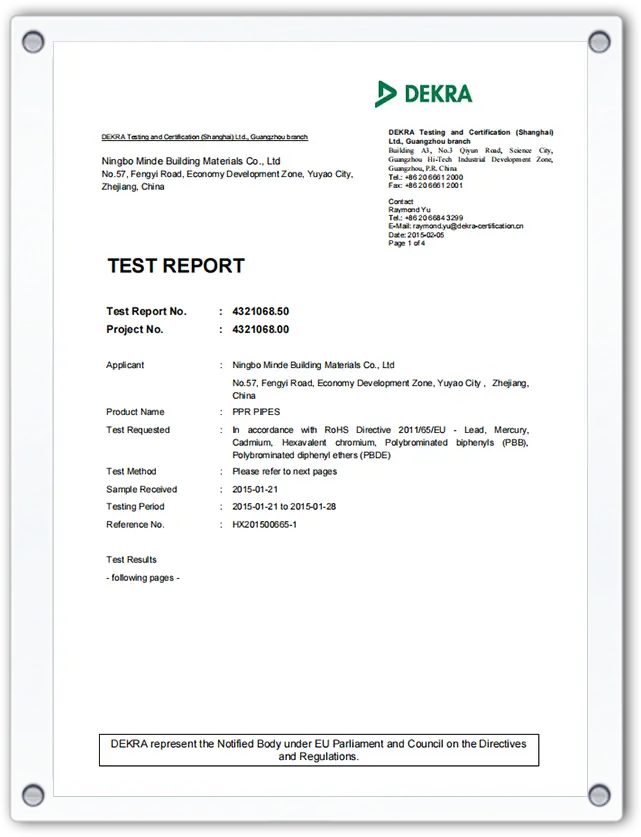
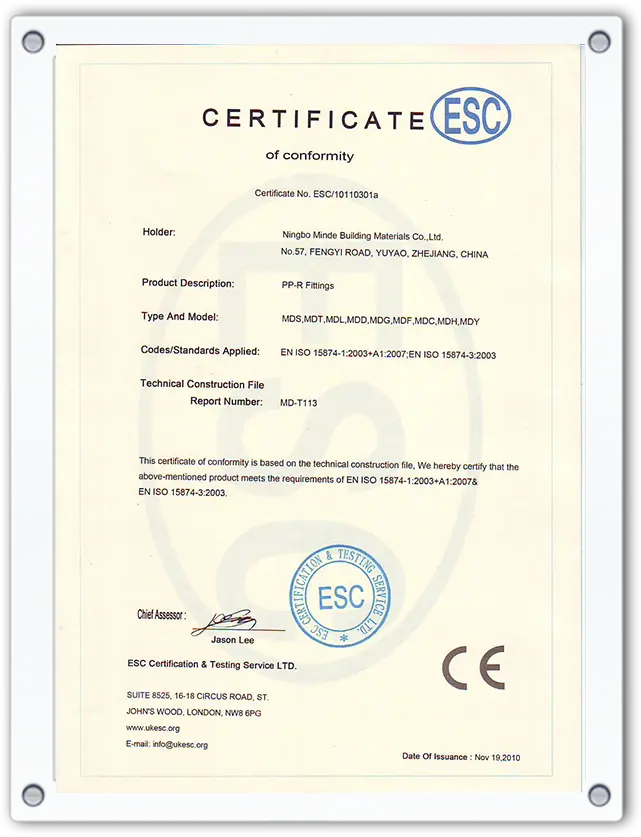
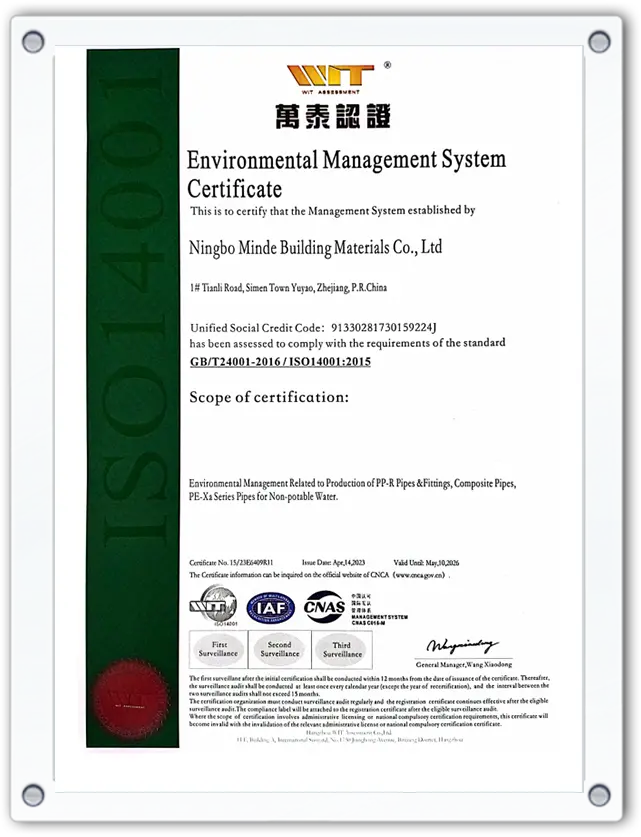
Ningbo Minde complies with global building and mechanical standards. We have obtained certifications including ISO9001:2022 for quality management systems, ISO14001 for environmental compliance, the European Union CE Mark, the British WRAS certificate for potable water safety, and the Russian Federation's GOST approval.
These standards allow us to export to over 50 countries, supporting residential, agricultural, and municipal infrastructure projects in Russia, Ukraine, South America, the Middle East, and Southeast Asia.
Developing collaborative partnerships through product quality, service, and supply chain reliability.
Our operations are guided by the principles of Innovation, Quality, Price, and Service. By pairing brand consistency with dedicated engineering support, we deliver cost-effective and reliable pipeline components to project managers worldwide.

Detailed technical answers addressing pressure ratings, temperature tolerances, cross-linking processes, and installation guidelines.
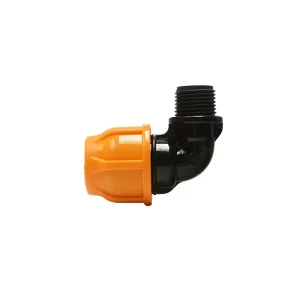
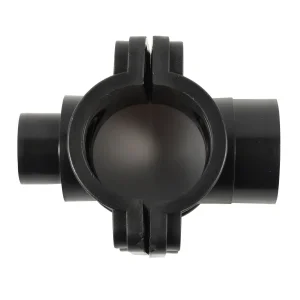
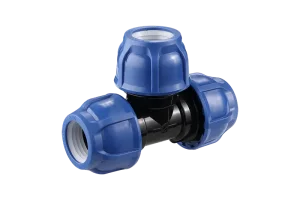
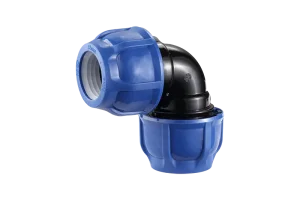
Explore our complete selection of mechanical connectors, including PN10/PN16 tees, couplers, and valves.
 Minde
Minde