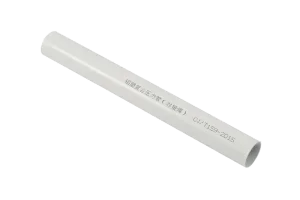
Explore our featured technical components, engineered to meet the demanding requirements of global utility networks, agricultural systems, and radiant HVAC designs.
A comprehensive analysis of sub-surface fluid mechanics, thermal transfer parameters, and systemic load considerations.
In modern industrial design and civil infrastructure, the selection of piping material plays a pivotal role in operational efficiency, environmental protection, and financial sustainability. For decades, legacy networks relied on rigid metal systems (copper, carbon steel, ductile iron) or traditional rigid polymers (PVC, CPVC). However, these materials are susceptible to corrosion, structural fatigue, bio-fouling, and joint failure under seismic stresses. As a result, cross-linked polyethylene (PEX) has emerged as the leading standard for underground fluid transportation.
Globally, municipal and commercial sectors are transitioning toward flexible piping structures. PEX pipes feature high elasticity, chemical inertia, and high thermal resistance, making them ideal for district heating networks, geothermal loop installations, agricultural irrigation lines, and sub-slab potable water distribution systems. The molecular cross-linking process changes the polymer structure from a standard thermoplastic to an elastic material, enhancing its tensile strength, impact resistance, and burst pressure parameters at extreme operational limits.
PEX maintains structural integrity under ground settling, seismic shifts, and seasonal freeze-thaw cycles without fracturing. Its natural flexibility reduces the requirement for elbow fittings, minimizing system friction loss and leak points.
Featuring low thermal conductivity (approx. 0.38 W/m·K), PEX limits thermal dissipation in sub-surface environments. This property is vital for geothermal energy collection, district heating, and hydronic slab networks.
PEX resists mineral scaling and chemical erosion from highly acidic or alkaline soil chemistry, preserving flow velocities (Hazen-Williams C factor of 150) and ensuring safe drinking water transmission.
From a commercial perspective, underground installations present strict compliance and performance challenges. Under Ground PEX pipes must resist high external soil loads, localized moisture variations, and potential chlorine/chloramine disinfection agents in municipal lines. Leading custom PEX factories address these variables through precise extrusion chemistry and barrier technologies, such as EVOH (Ethylene Vinyl Alcohol) co-extrusion, which prevents oxygen molecules from penetrating the pipe wall and corroding secondary ferrous components within HVAC systems.
Leveraging high precision, scale, and vertically integrated processing lines in Zhejiang, China.
Ningbo Minde Building Materials Co., LTD., headquartered in Zhejiang Province, China, is a specialized manufacturer focused on the development, design, and manufacturing of advanced plastic piping systems and matched compression fittings. With over 20 years of experience in this field, we provide high-quality products and efficient solutions for water supply systems, municipal irrigation, and modern underfloor heating infrastructure.
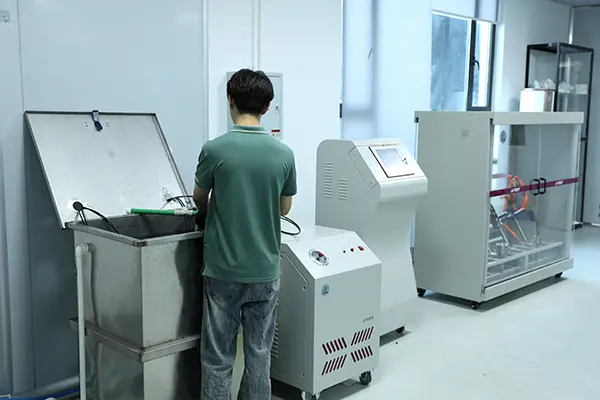
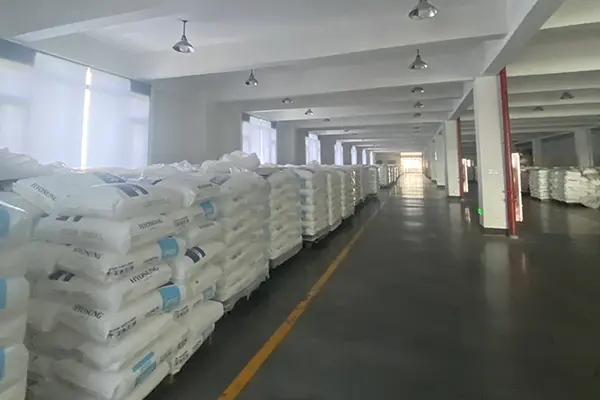
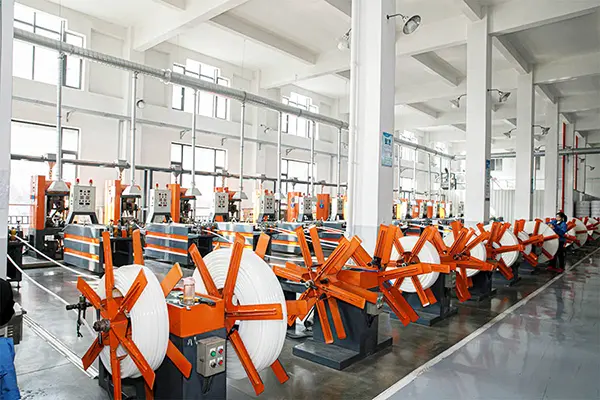
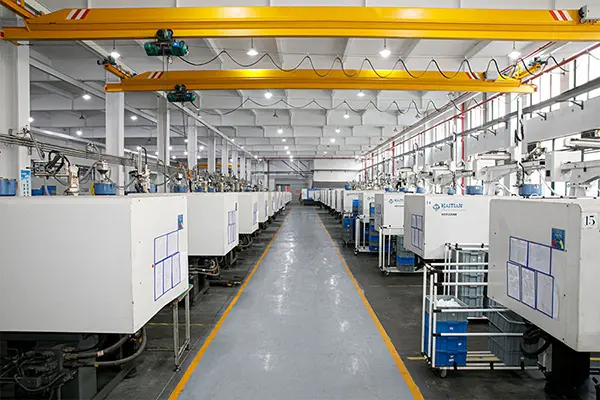
To deliver eco-friendly, reliable, and durable pipeline assets, MINDE strictly utilizes premium imported virgin raw materials. Our manufacturing facility spans over 90,000 square meters, housing a production layout configured for volume scalability and custom OEM/ODM parameters. Our facility integrates 45 automated pipe extrusion lines, a complete automated material feeding system, 85 high-pressure injection molding machines, and advanced mechanical/thermal testing equipment.
To maintain consistent quality, MINDE operates a strict three-point inspection protocol. This quality matrix covers Raw Material Verification, In-Process Control (IPC) monitoring dimensional tolerances during extrusion, and Finished Product Quality Auditing (including hydrostatic pressure, thermal stability, and impact testing). This ensures every batch of PEX pipes and fittings meets international specifications before leaving the factory.
Documented compliance frameworks supporting critical regulatory environments across Europe, Asia, and the Americas.
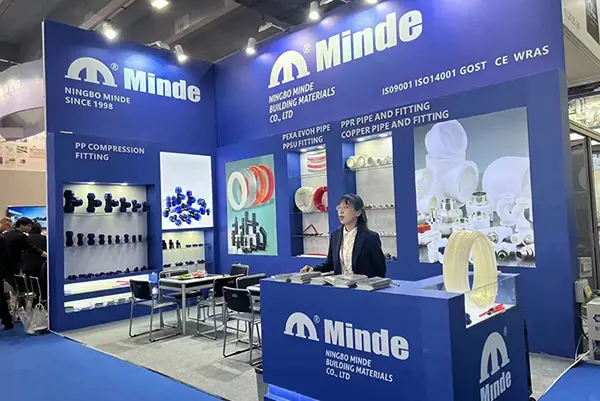
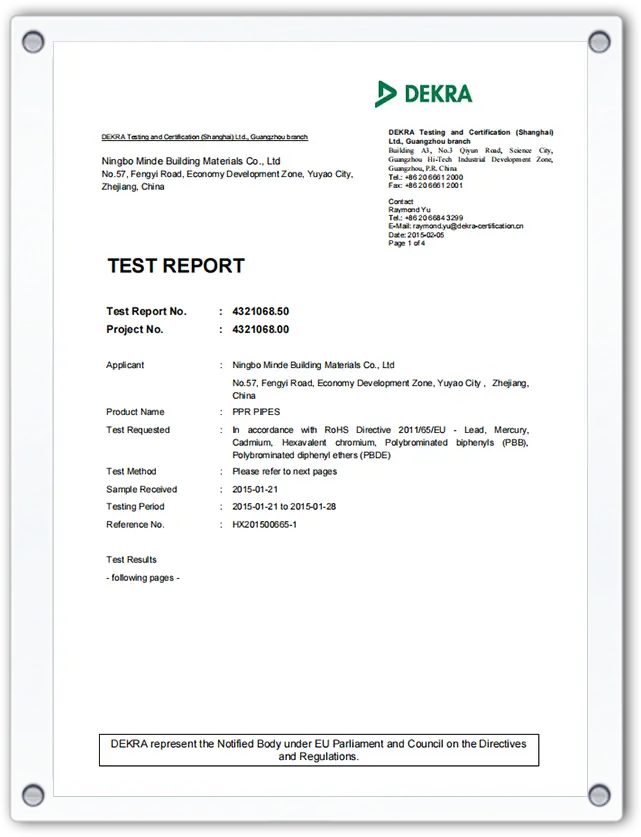
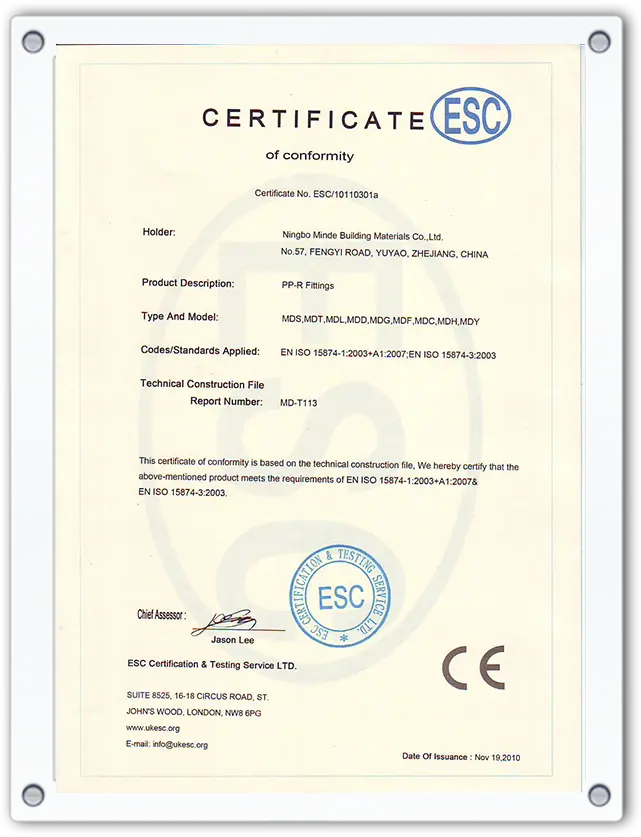
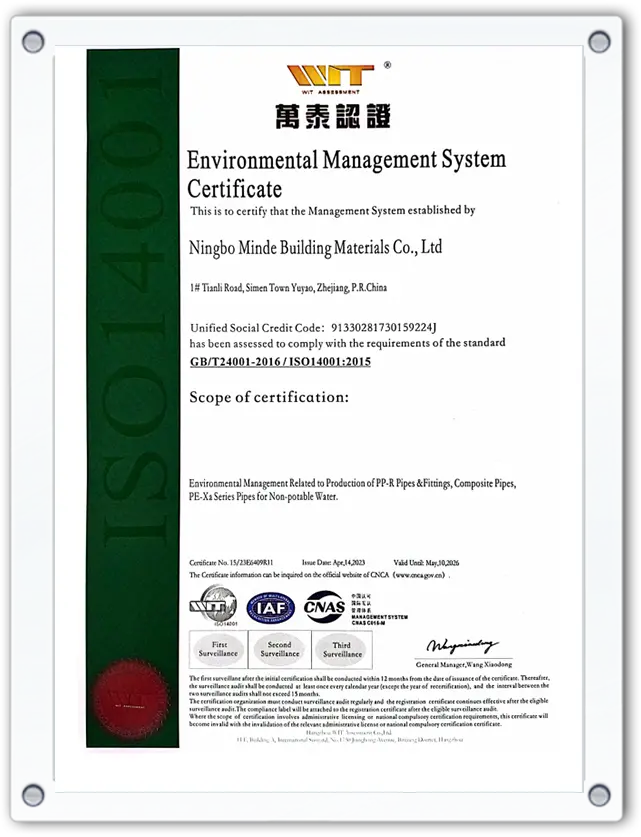
Engineering compliance is non-negotiable for municipal and commercial underground piping projects. MINDE has secured international certifications to meet regulatory standards across global markets. The company holds ISO9001:2022 quality management system certification, ISO14001 environmental management system certification, and European CE certification. Our products also meet the requirements of the British WRAS (Water Regulations Approval Scheme) for drinking water safety, and the Russian GOST certification for mechanical performance in low-temperature environments.
Our global footprint includes distribution networks, engineering partners, and wholesale buyers in more than 50 countries, including Russia, Ukraine, Southeast Asia, South America, and the Middle East. Through optimization of polymer formulations and extrusion mechanics, our products deliver long-term reliability in varying climates, from dry desert soils to sub-zero industrial settings.
By leveraging Zhejiang’s logistics infrastructure and the nearby Port of Ningbo, we offer optimized delivery timelines, simplified customs handling, and competitive freight rates. Our logistics efficiency, combined with high-volume production, allows us to serve as a reliable supply chain partner for large-scale engineering and infrastructure projects.
Demonstrated performance in municipal, agricultural, and commercial hydronic heating systems.
Underground piping systems must be tailored to their specific environment. The structural requirements for sub-slab residential heating systems differ from those of high-pressure agricultural irrigation networks or municipal water loops. MINDE PEX pipes and compression components are engineered for three primary applications:
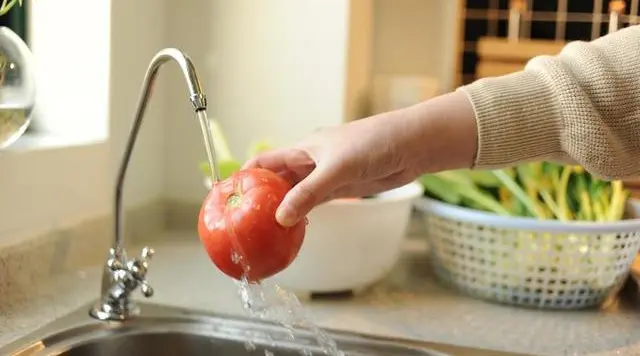
1. Municipal and Potable Water Systems: In clean water distribution, PEX-a and PEX-b pipes provide chemical stability, preventing the elution of VOCs or heavy metals. The smooth interior pipe walls prevent mineral accumulation and pressure drops, lowering pumping energy demands over the system's operational lifetime.
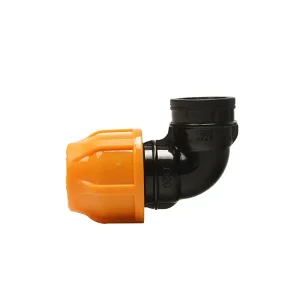
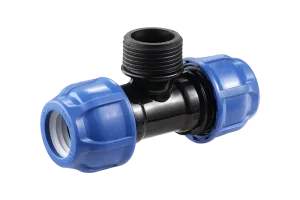
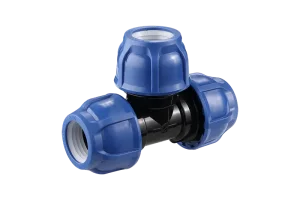
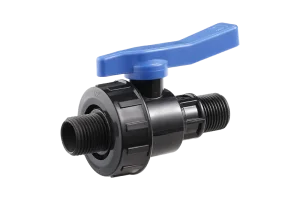
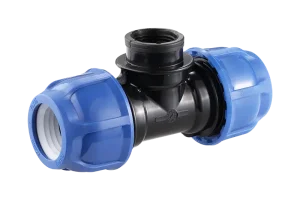
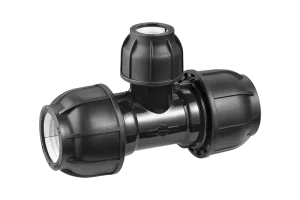
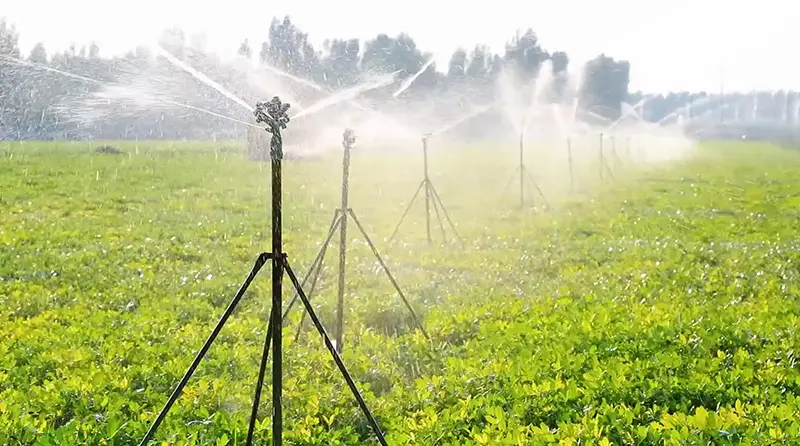
2. Agricultural Irrigation: Sub-surface agricultural lines must withstand fertilizers, chemical compounds, and root penetration. Our PP compression fittings maintain leak-free connections under cyclic pressure fluctuations, ensuring efficient water distribution across drip and spray networks.
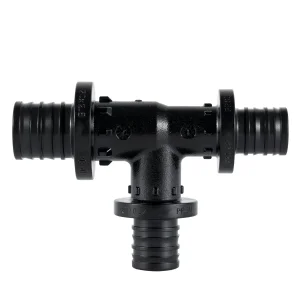
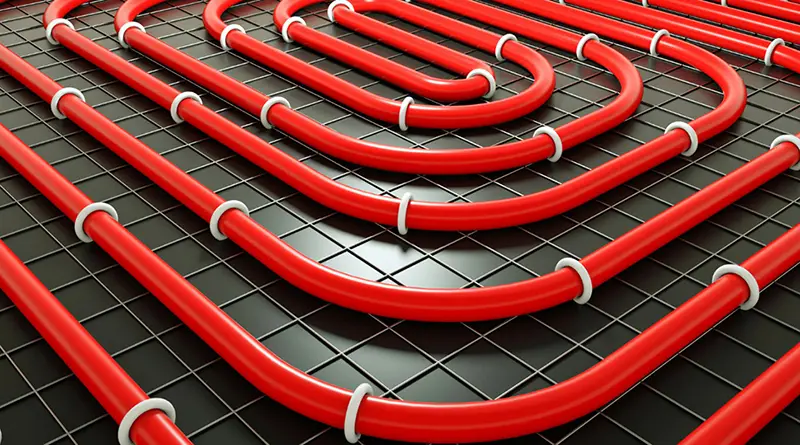
3. Hydronic Underfloor Heating: Slab installations require durable pipes that can handle concrete curing stresses and long-term thermal expansion. Our PEX designs, combined with PPSU fittings, create reliable sub-surface heating networks that run maintenance-free for decades.
Analysing molecular cross-linking methods, environmental sustainability, and smart infrastructure integration.
The global thermoplastic piping industry is experiencing rapid technological evolution. As environmental regulations tighten and life-cycle cost models become more sophisticated, material science has focused on improving the long-term reliability and environmental profile of polymers. The current research focuses on three main areas: molecular cross-linking optimization, the integration of barrier coatings, and the utilization of bio-based feedstocks.
Understanding the molecular distinctions between the three primary PEX variants—PEX-a, PEX-b, and PEX-c—is essential for engineering design. PEX-a is produced via the peroxide (Engel) method, which achieves a cross-linking density of around 70-85%. This structure offers high flexibility and thermal memory, allowing installers to repair kinks with a simple heat source. PEX-b is manufactured using the silane (moisture-cure) method, resulting in a cross-linking density of approximately 65-70%. PEX-b offers higher tensile strength and burst pressure resistance, making it suitable for municipal water mains. PEX-c utilizes electron-beam radiation to cross-link the polymer chain, creating a stiffer pipe commonly used in standard distribution manifolds.
Modern closed-loop hydronic networks require PEX pipes with an integrated EVOH layer. This co-extruded barrier prevents oxygen diffusion, protecting boilers, heat exchangers, and pumps from corrosion.
Industry research is exploring the integration of passive RFID chips and conductive traces within PEX pipe walls. This technology will allow operators to locate sub-surface leaks and track thermal profiles without excavation.
Environmental footprint considerations are also driving market trends. Leading global PEX factories are optimizing energy recovery systems in their extrusion facilities, reducing scrap rates through real-time ultrasonic wall thickness monitoring, and sourcing raw resins certified under ISCC PLUS mass-balance frameworks. These sustainability initiatives help project developers meet LEED and BREEAM certifications for green building and infrastructure projects.
Strategic frameworks for large-scale municipal, industrial, and distribution network buyers.
Procuring underground PEX pipes and matching compression fittings involves complex supply chain logistics. Procurement directors must balance competitive pricing with reliable quality, chemical compliance, and delivery timelines. When selecting a Chinese manufacturing partner, buyers should evaluate several key operational metrics:
1. Raw Material Verification: The performance of PEX and PP fittings depends on resin quality. Prominent factories utilize traceable virgin materials from global suppliers (like LyondellBasell, Sabic, or Borealis). Avoiding recycled content prevents premature chemical degradation and structural failure in underground installations.
2. Production Scalability & Tooling Flexibility: High-volume construction projects require consistent supply schedules. A factory with 45+ extrusion lines and 85+ injection molding machines offers the capacity to handle large orders while maintaining the flexibility to customize dimensions, coil lengths, and private labeling.
3. Compliance and Certifications: Enterprises must verify that importing materials comply with local plumbing and environmental codes (such as WRAS for the UK, CE for Europe, and NSF/ANSI 61 for North America). Validating test reports ensures smooth regulatory approvals and avoids project delays.
MINDE coordinates with global logistics networks to optimize shipping configurations. We package PEX pipes in customized coils with protective packaging to prevent damage during transit, and design compression fitting containers to maximize shipping volume. This reduces container requirements and lowers overall logistics costs for international shipments.
Answers to common engineering, installation, and procurement questions regarding sub-surface flexible piping.
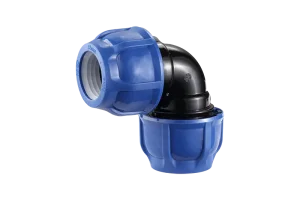
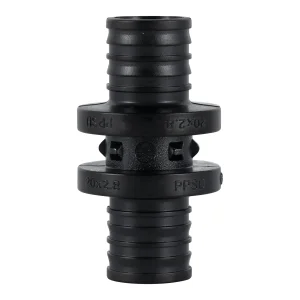
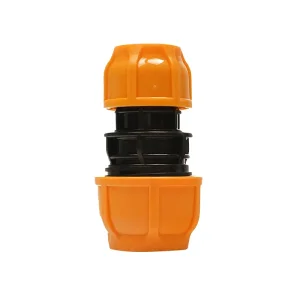
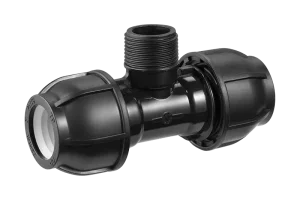
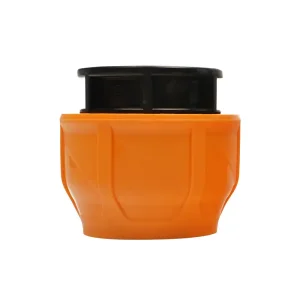
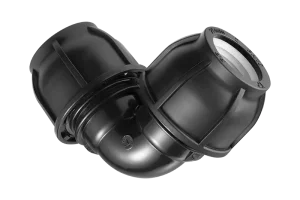
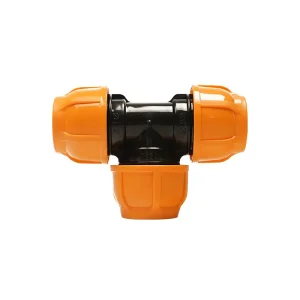
Complete your underground piping configuration with our certified PN10 and PN16 compression and union modules.
 Minde
Minde