High-performance engineering components compliant with PN10/PN16 pressure profiles and global safety benchmarks.
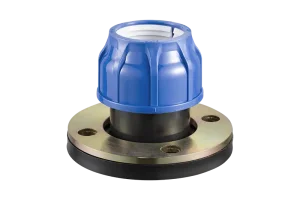
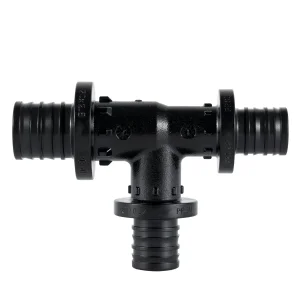
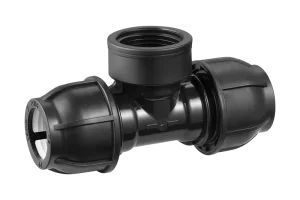
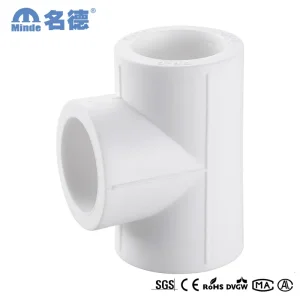
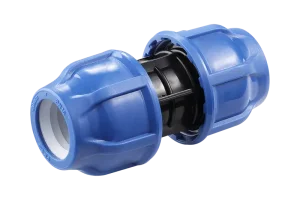
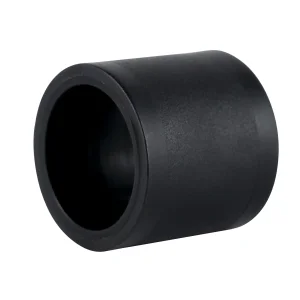
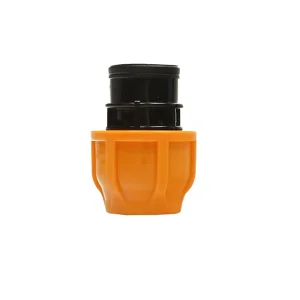
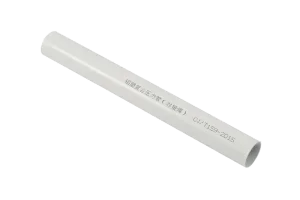
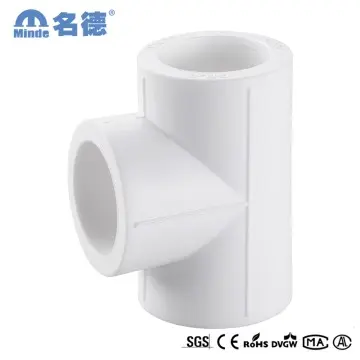
Within modern fluid dynamics and municipal engineering, mechanical connections represent the highest risk vector for structural failures and leakage. PPR (Polypropylene Random Copolymer) couplers provide a homogeneous socket fusion design that structurally bonds the pipeline system. This molecular cohesion neutralizes common failure modes such as galvanic corrosion, rubber seal degradation, and localized stress cracks, ensuring a service lifespan exceeding 50 years.
Designed for dynamic environments, industrial-grade PPR couplers exhibit excellent thermal stability, maintaining structural integrity across temperature envelopes from -10°C to 95°C. With superior resistance to high hydrostatic pressure loads (PN10, PN16, up to PN25), these fittings are essential in underfloor heating arrays, municipal water supplies, and intensive agricultural irrigation systems.
By employing premium imported virgin raw materials, modern factories eliminate risk factors associated with low-tier recycled plastics. The resulting components are non-toxic, non-corrosive, scale-resistant, and chemically inert, making them highly suitable for food-grade clean potable water systems without imparting odor, taste, or micro-impurities to the passing fluid.
The functional value of a PPR coupler lies in the characteristics of the raw material. Polypropylene Random Copolymer is synthesized via a low-pressure polymerization process that distributes ethylene molecules randomly throughout the polypropylene backbone. This molecular structure imparts high impact strength, flexibility, and resistance to environmental stress cracking.
During the thermal jointing process, socket fusion heaters raise the temperature of the PPR material to approximately 260°C. At this temperature, the crystalline polymer structure transitions into an amorphous state. When the pipe and the coupler are joined, the polymer chains interdiffuse. As the joint cools, recrystallization occurs, forming a single, continuous polymer structure. This eliminates the mechanical interfaces that are common points of failure in traditional piping systems.
| Parameter (Nominal Diameter) | SDR 6 / PN20 (S2.5) | SDR 7.4 / PN16 (S3.2) | SDR 11 / PN10 (S5) | Recommended Heating Time (at 260°C) | Cooling Interval (Minimum) |
|---|---|---|---|---|---|
| D20 mm | 3.4 mm Wall Thickness | 2.8 mm Wall Thickness | 1.9 mm Wall Thickness | 5 Seconds | 2 Minutes |
| D25 mm | 4.2 mm Wall Thickness | 3.5 mm Wall Thickness | 2.3 mm Wall Thickness | 7 Seconds | 2 Minutes |
| D32 mm | 5.4 mm Wall Thickness | 4.4 mm Wall Thickness | 2.9 mm Wall Thickness | 8 Seconds | 4 Minutes |
| D40 mm | 6.7 mm Wall Thickness | 5.5 mm Wall Thickness | 3.7 mm Wall Thickness | 12 Seconds | 4 Minutes |
| D50 mm | 8.3 mm Wall Thickness | 6.9 mm Wall Thickness | 4.6 mm Wall Thickness | 18 Seconds | 6 Minutes |
Procurement directors and municipal EPC contractors evaluate potential manufacturers using criteria that extend beyond basic cost per unit. Supply chain resilience, raw material quality control, and production capacity are critical factors in project viability. To mitigate risks in large-scale utility installations, procurement processes focus on the following key metrics:
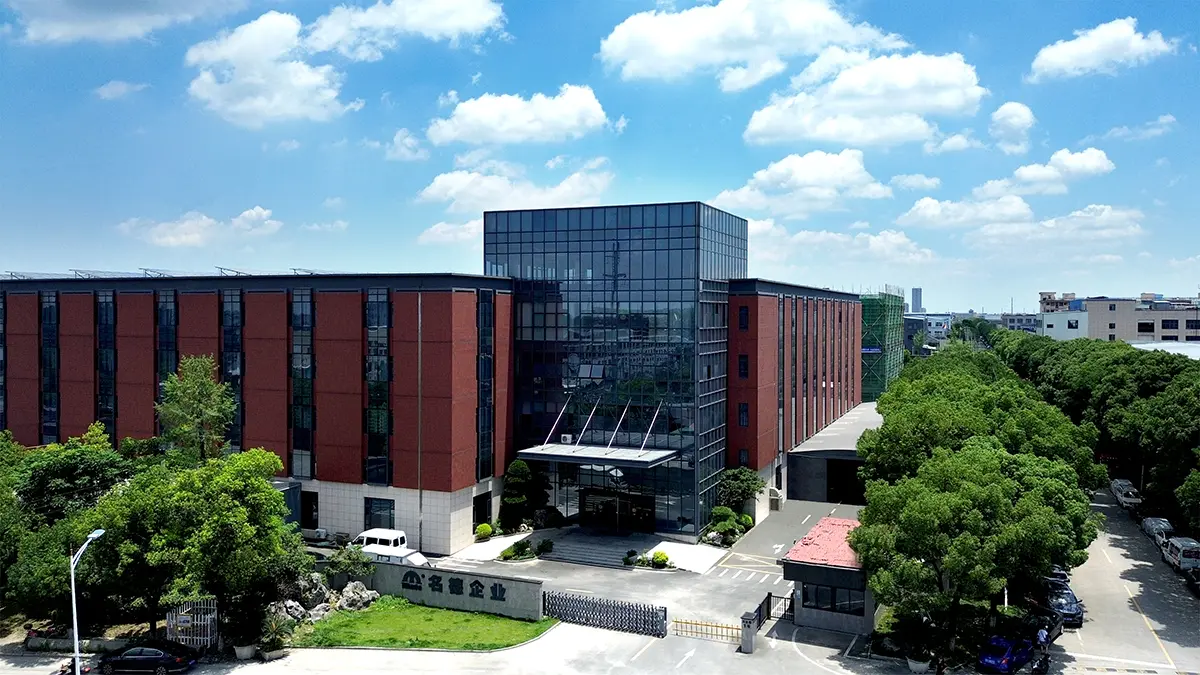
We are Ningbo Minde Building Materials Co., LTD., from Zhejiang Province, China. We are a factory specializing in the production of plastic pipes and fittings. Our products are widely used in residential water supply, agricultural irrigation, and underfloor heating systems. We have more than 20 years of experience in this field, providing high-quality products and efficient solutions for water supply systems.
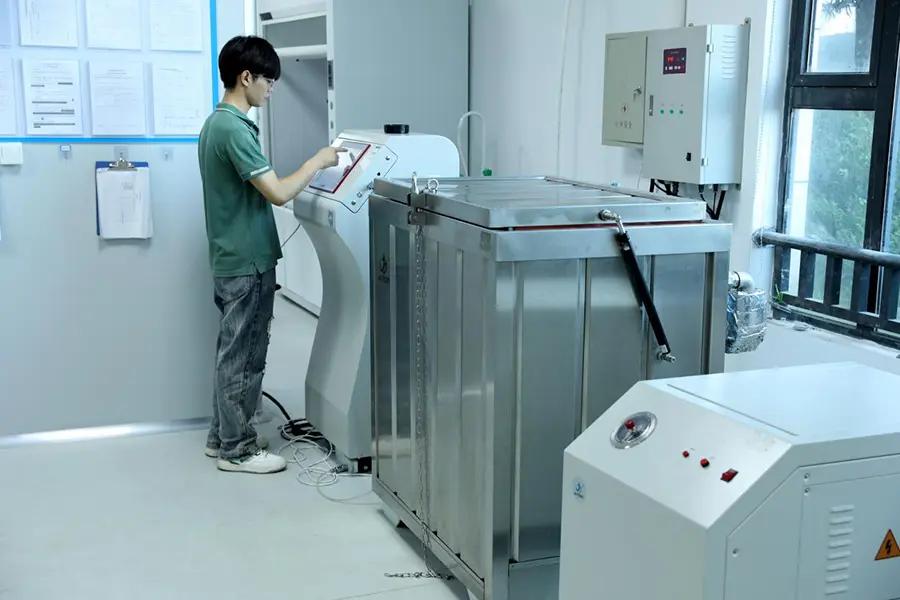
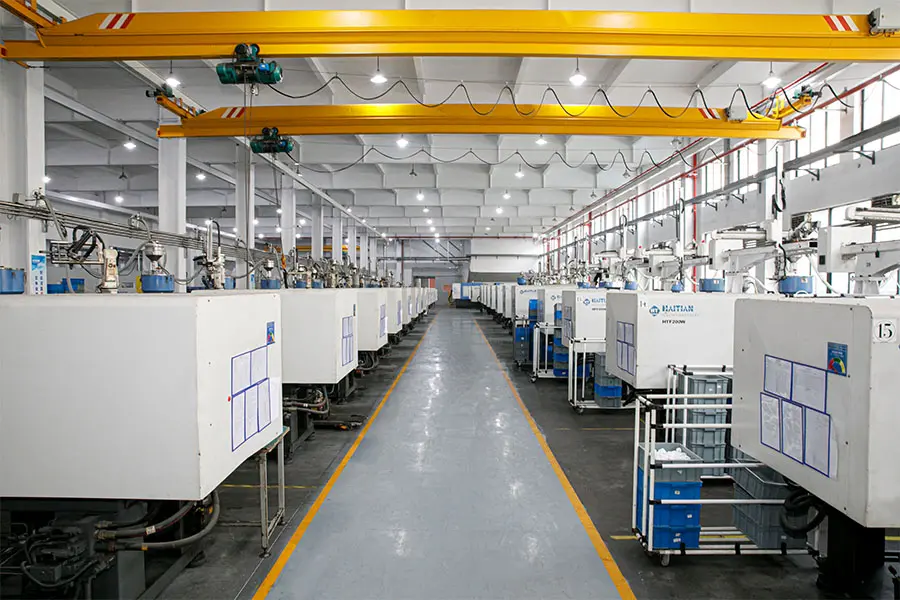
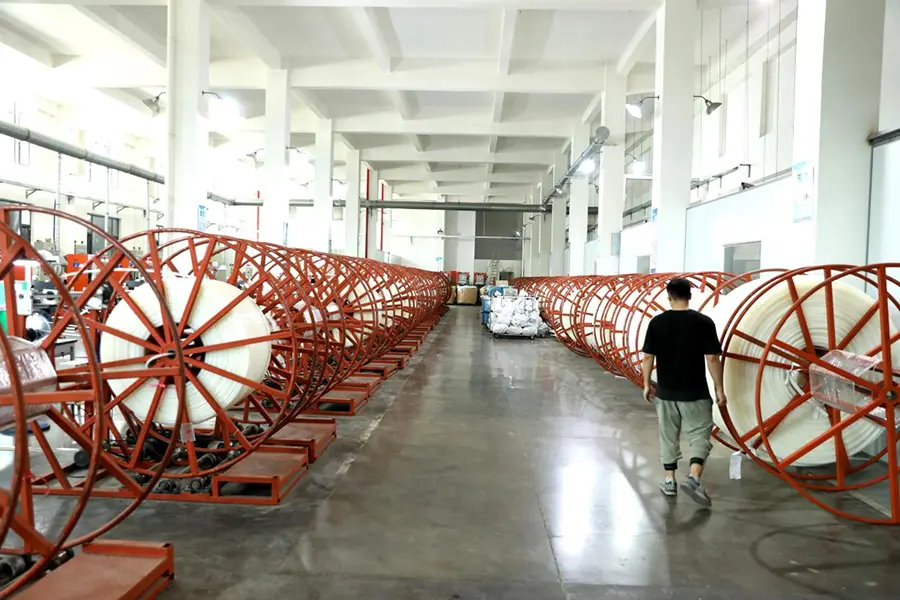
To provide households with environmentally friendly and high-quality pipes, MINDE uses high-quality imported raw materials. The company has 45 pipe production lines, a complete feeding system, 85 injection molding machines, and advanced testing equipment. To ensure consistent quality, MINDE has established three inspection points for product quality control: raw material inspection, process inspection, and product inspection. The company covers an area of more than 90,000 square meters, with more than 200 employees and a group of experienced technical and management personnel.
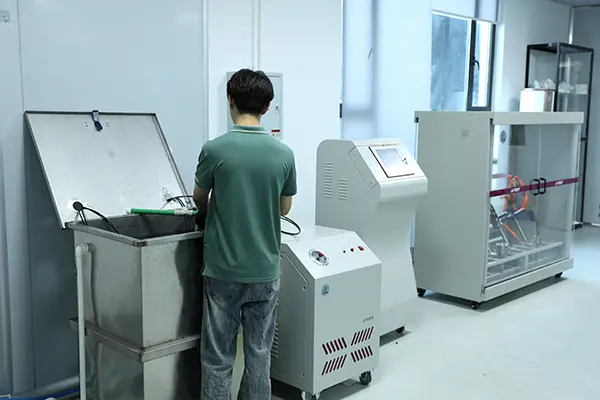
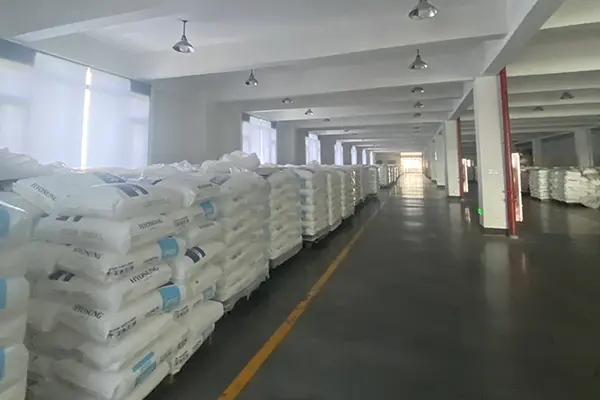
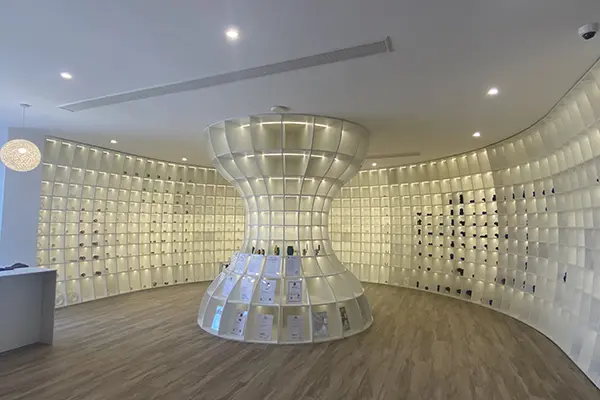
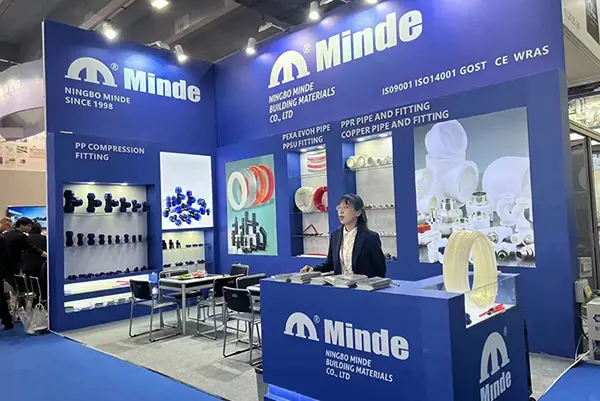
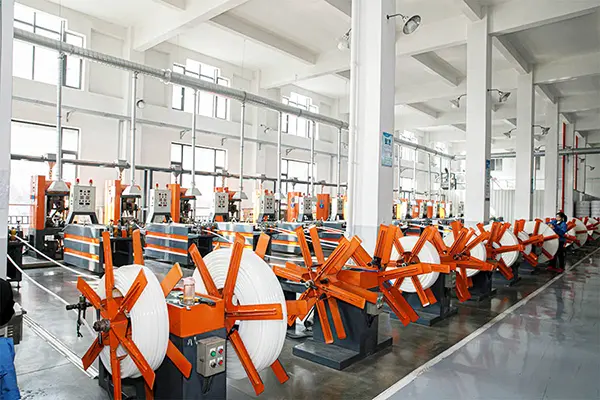
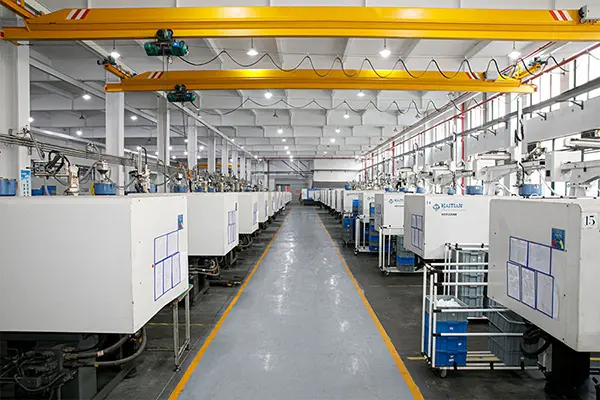
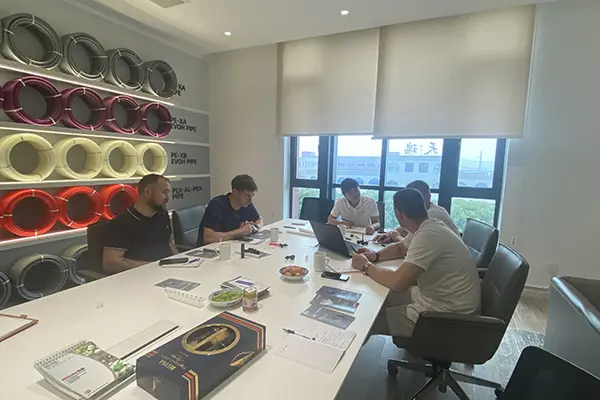
Our products conform to major global piping regulations and drinking water standards, facilitating direct export capabilities.
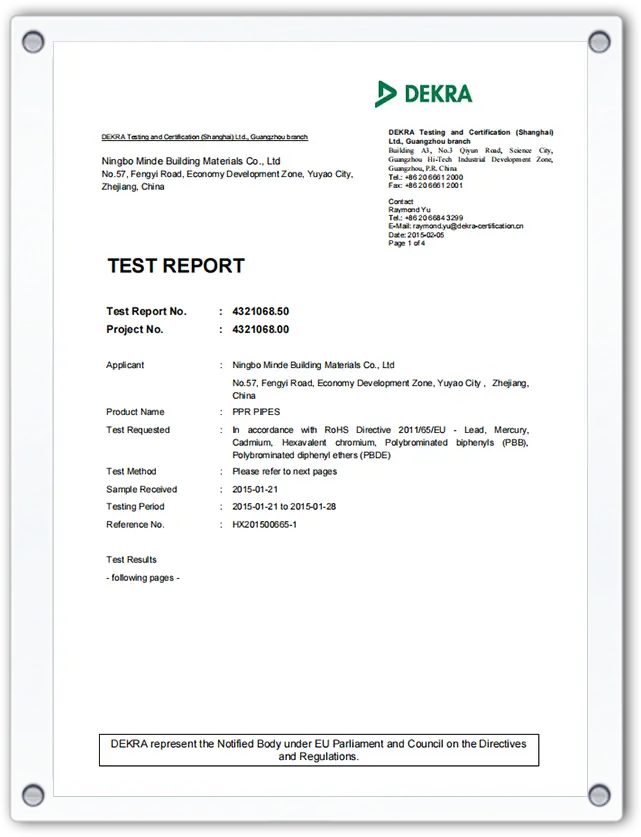
ISO 9001:2022 Standard
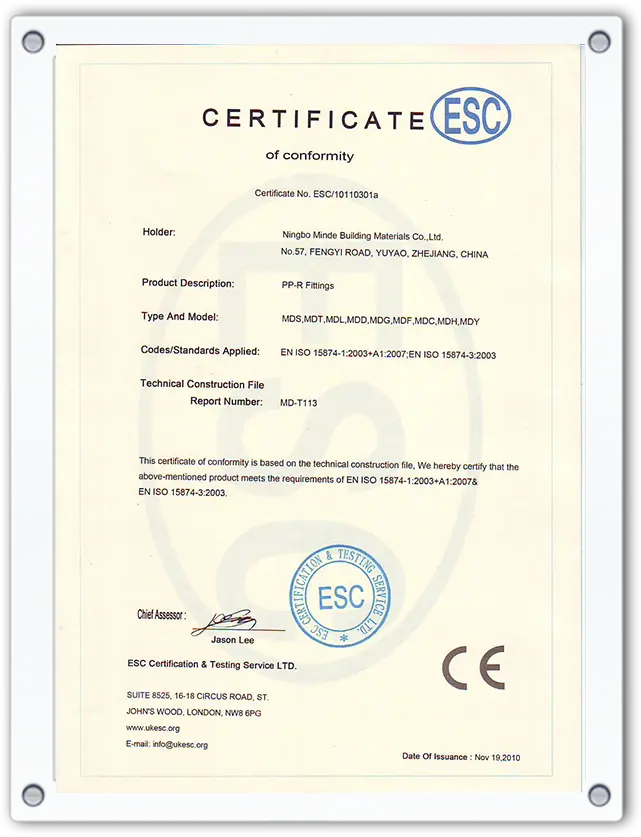
CE Quality Declaration
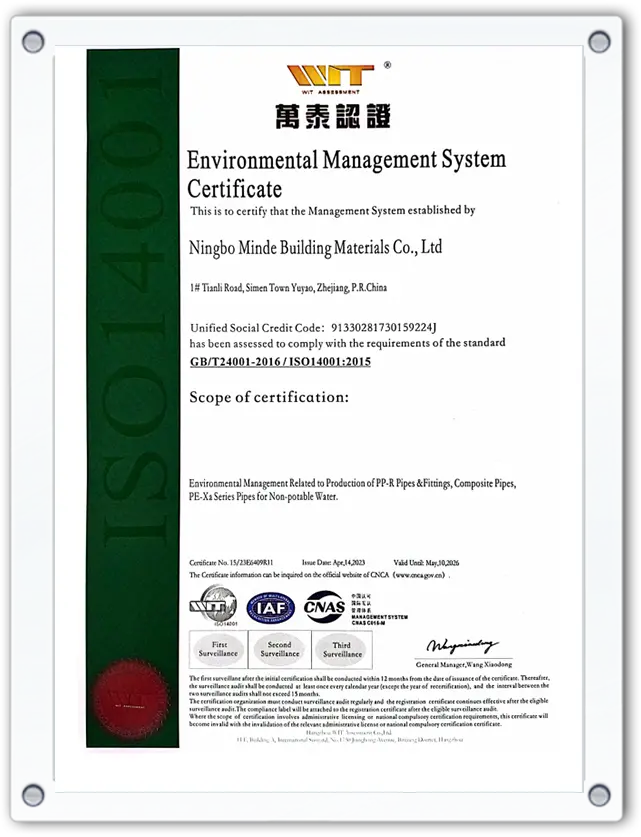
International Patent Portfolio
MINDE warmly welcomes partners from all over the world. Our operating principles are based on INNOVATION, QUALITY, COMPETITIVE PRICING, and THOUGHTFUL SERVICE. Our company aims to expand our market presence by building an independent brand supported by reliable after-sales service. We supply our customers with durable plastic piping products and comprehensive plumbing solutions to support pipeline construction projects globally.
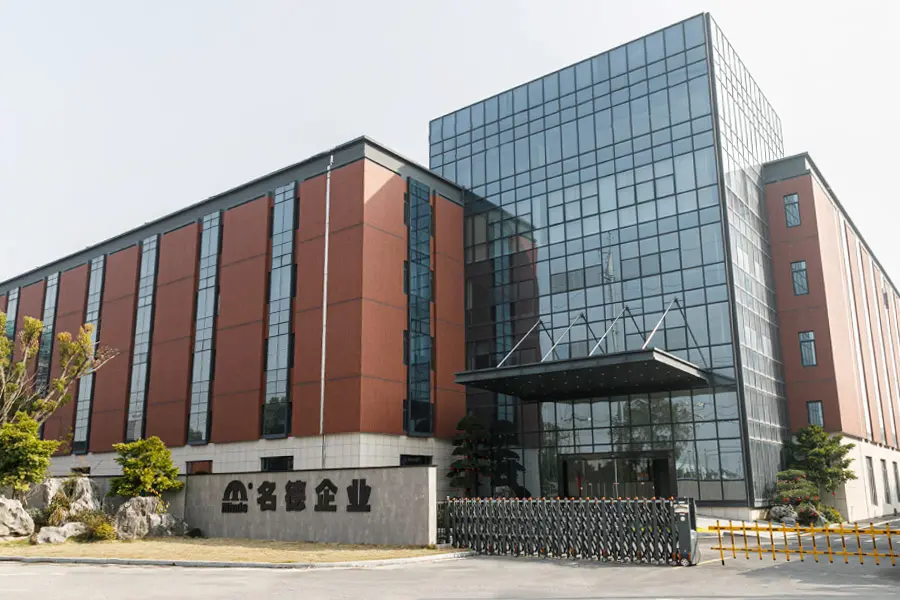

Optimized fluid distribution designs tailored for public networks, commercial installations, and agricultural projects.
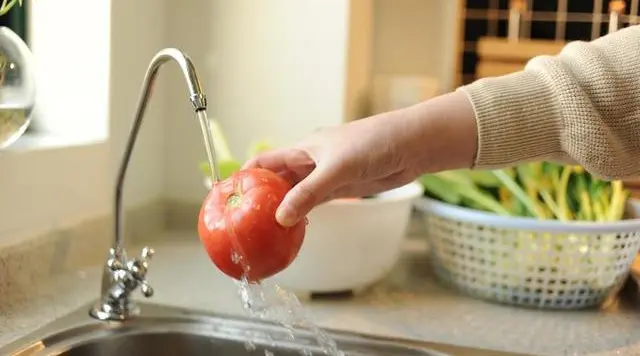
Using non-toxic, non-corrosive, and scale-resistant raw materials, our PPR couplers provide clean drinking water without impacting flow rates or water quality over time.
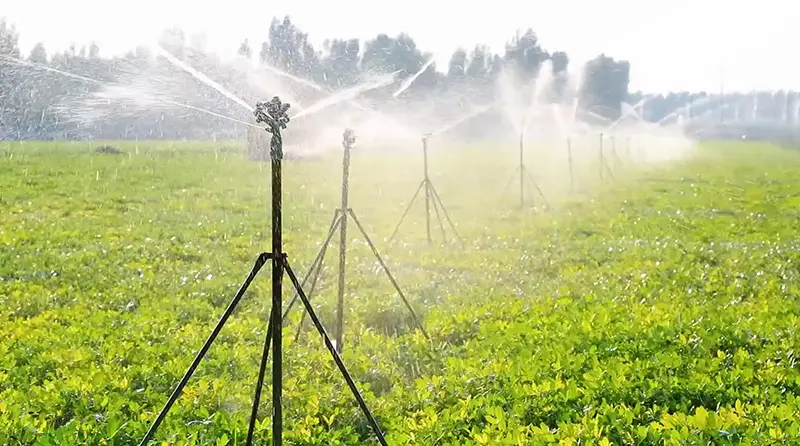
High-pressure stability (PN10/PN16) combined with weathering resistance makes these fittings suitable for surface and subsurface agricultural irrigation networks.
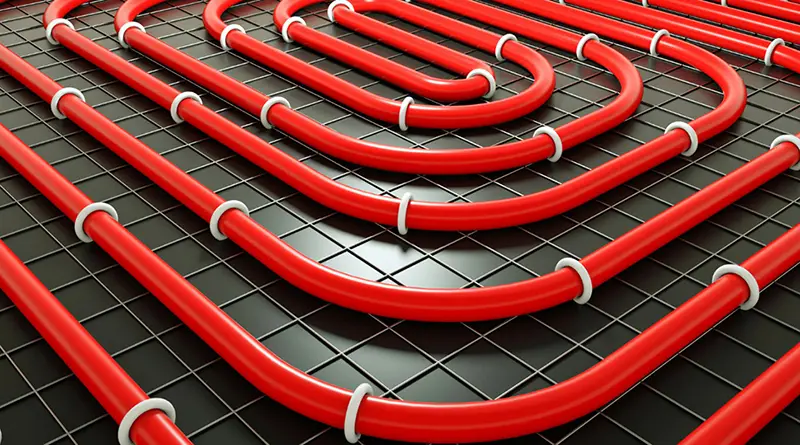
These fittings are designed to withstand continuous thermal expansion and contraction cycles, maintaining secure connections within closed-loop hydronic heating systems.
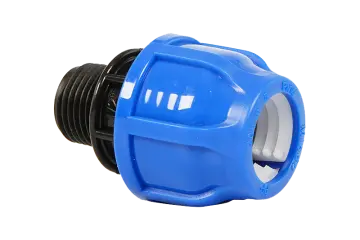
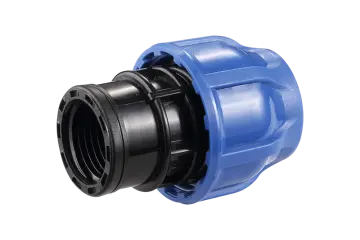
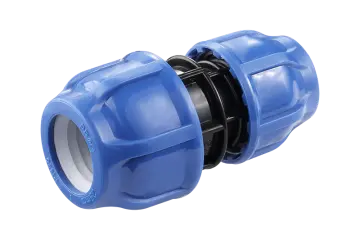
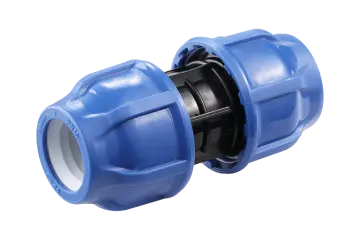
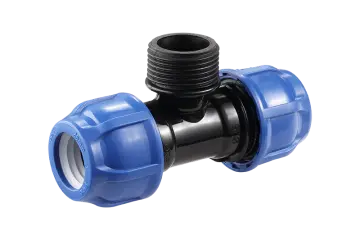
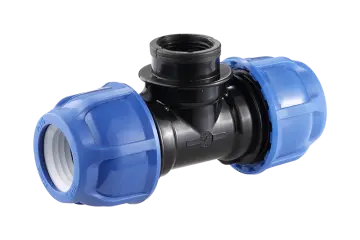
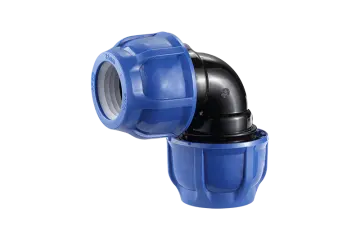
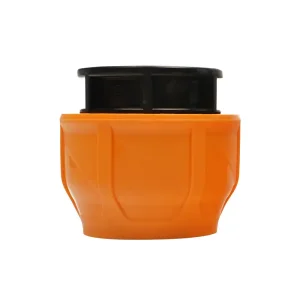
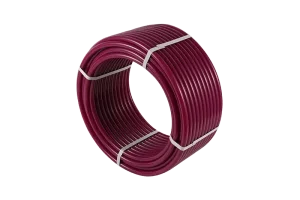
Explore our range of injection-molded fittings, compression adapters, and PPR pipes.
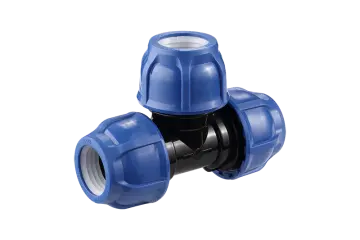
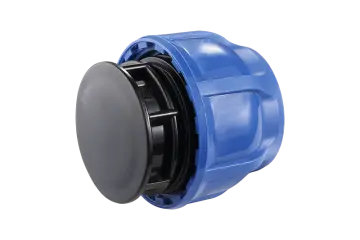
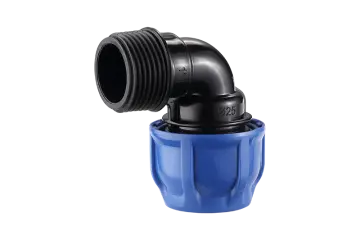
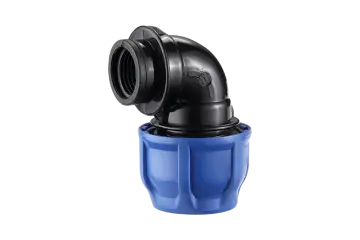
The plastic piping industry is transitioning from standard thermoplastic configurations to high-performance, multi-layered systems. The research division at Ningbo Minde is developing several initiatives to address emerging technical requirements:
In response to international carbon neutrality goals, raw material research is focused on bio-based polypropylene resins. These materials reduce the overall carbon footprint of piping infrastructure while maintaining the mechanical strength and chemical resistance of standard petroleum-derived polymers.
To improve water quality in medical and high-occupancy residential projects, developers are integrating silver-ion based antimicrobial inner liners into PPR structures. This technology prevents biofilm formation and bacteria propagation on internal pipe surfaces.
Manufacturing facilities are deploying high-definition optical sensors and AI-assisted shape monitoring on injection molding lines. This equipment inspects threads and sockets in real-time, helping to prevent dimensional variations and flash defects from reaching packaging stages.
Navigating varying regional building standards requires experienced technical support. High-quality factories provide full compliance verification to match regional market regulations:
Answers to technical, material, and logistics queries for engineering and procurement personnel.
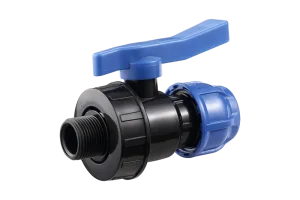
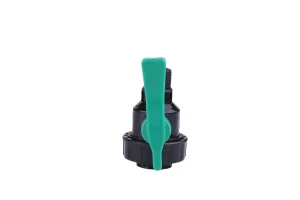
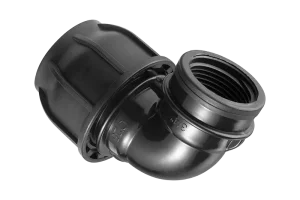
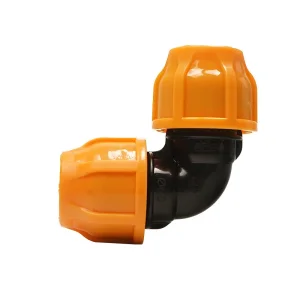
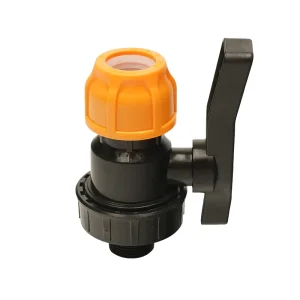
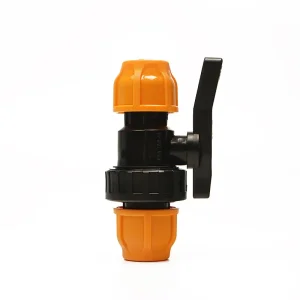
Explore our range of isolation valves, elbow bends, and terminal connection components.
 Minde
Minde