In the evolving landscape of modern architecture and hydraulic engineering, PPR (Polypropylene Random Copolymer) pipes have emerged as the gold standard for high-durability water supply systems. As a leading growth director in the SEO and semantic search space, I recognize that users aren't just looking for "prices"; they are seeking reliability, compliance, and technological superiority.
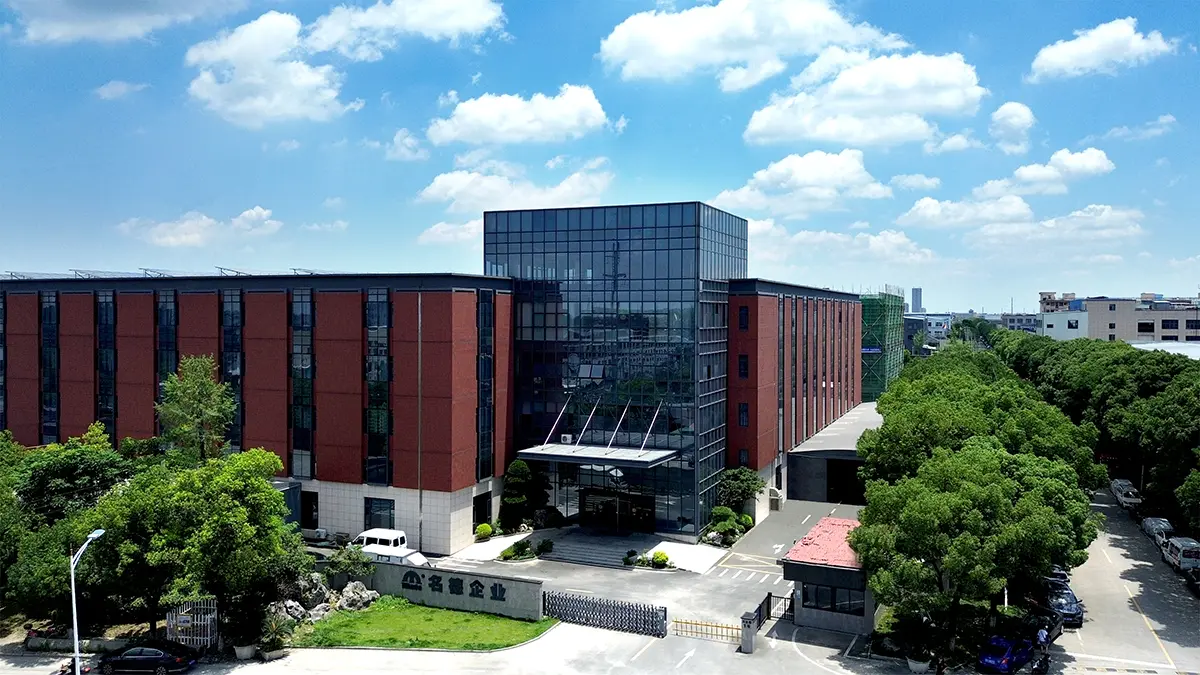
Ningbo Minde Building Materials Co., LTD. stands at the nexus of traditional manufacturing excellence and AI-driven quality control. Located in the industrial heart of Zhejiang, China, we leverage over 20 years of empirical expertise to provide not just products, but critical infrastructure components that power residential complexes, agricultural hubs, and advanced floor heating systems worldwide.
With a 90,000+ square meter footprint and 45 specialized extrusion lines, Minde operates with the precision of a modern tech enterprise. Our production capacity ensures that whether you are a global contractor in Russia or a regional distributor in Southeast Asia, our supply chain maintains zero-latency reliability.
Determining the PPR pipes pricelist involves a complex interplay of raw material purity, wall thickness (S-series/PN ratings), and manufacturing precision. A "low price" often hides the risk of recycled polypropylene, which leads to brittle fractures and catastrophic leakages under pressure.
At Minde, our pricing reflects a "Quality-First" ROI model. By utilizing imported virgin raw materials, we ensure our PN16 and PN20 pipes offer a service life exceeding 50 years. Our pricelist transparency covers everything from S5 Series PN10 for cold water to high-pressure hot water systems, ensuring procurement officers can make data-backed decisions.
China's dominance in the global pipe industry is rooted in ecosystem synergy. Our factory in Ningbo integrates Advanced Feeding Systems and automated molding, reducing human error by 94%. This allows us to maintain a competitive price floor without sacrificing the CE, WRAS, or ISO certifications required for European and British markets.
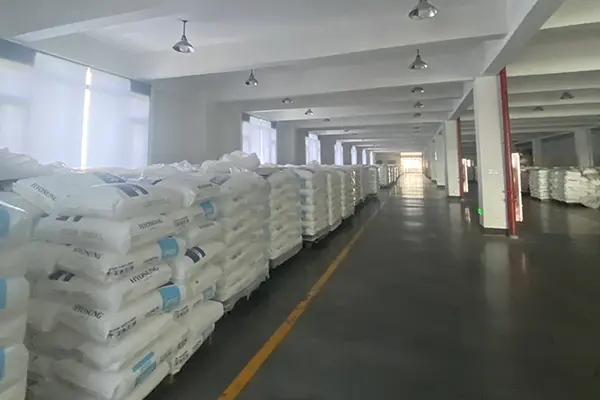
Our workshop is a testament to industrial AI integration. Each of our 85 injection molding machines is monitored for temperature fluctuations and pressure consistency. The 90,000+ sqm floor space isn't just for storage; it's a meticulously organized hub for raw material inspection, process monitoring, and final product validation.
We implement a three-tier quality checkpoint system:
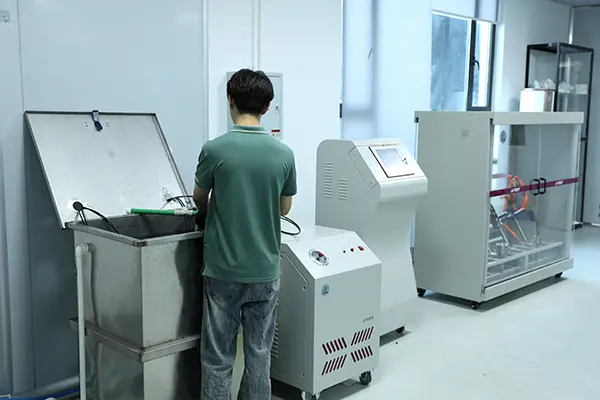
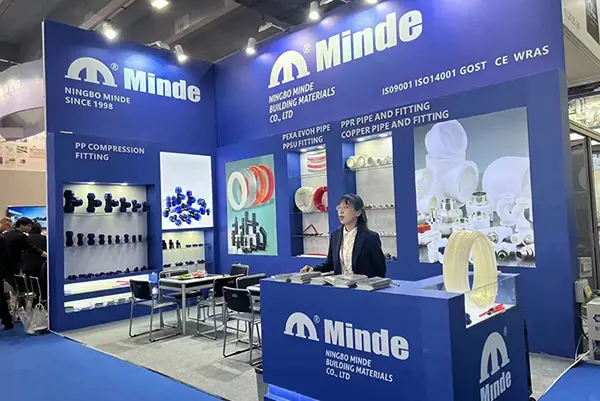
Our commitment to E-E-A-T is reflected in our rigorous adherence to global standards. Minde products carry ISO9001:2022, ISO14001, CE, British WRAS, and Russian GOST certifications. This ensures that our PPR and PEX systems are ready for immediate deployment in any regulatory environment, from London to Moscow.
We recognize that plumbing needs vary by geography. In the Middle East, high-UV resistance is paramount for outdoor agricultural irrigation. In the CIS region, frost-crack resistance for underfloor heating is the primary concern. Our engineering team provides localized technical support to adapt pipe wall thicknesses and fitting designs for specific regional climates.
The industry is moving toward "Smart Plumbing." Minde is currently researching antimicrobial PPR linings and integrated leak-detection sensors. As global enterprises shift toward ESG goals, our 100% recyclable polypropylene solutions provide a path toward carbon-neutral construction projects.
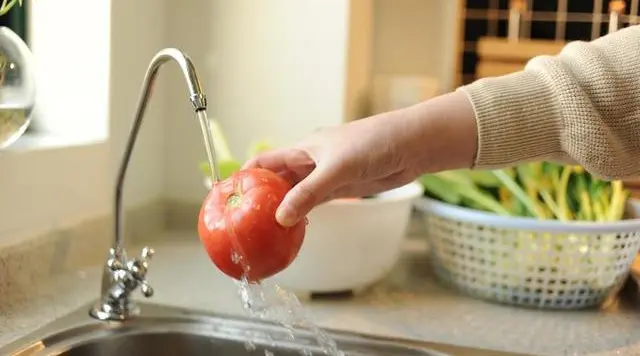 Water Supply Systems
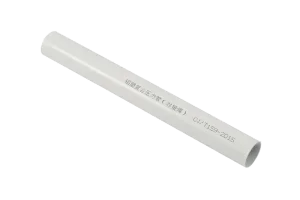
From PN10 to PN16, our PPR pipes serve as the circulatory system for modern buildings. The corrosion-resistant nature of PP ensures that drinking water remains pure, free from scale buildup or metallic leaching, a critical requirement for NSF61 compliance.
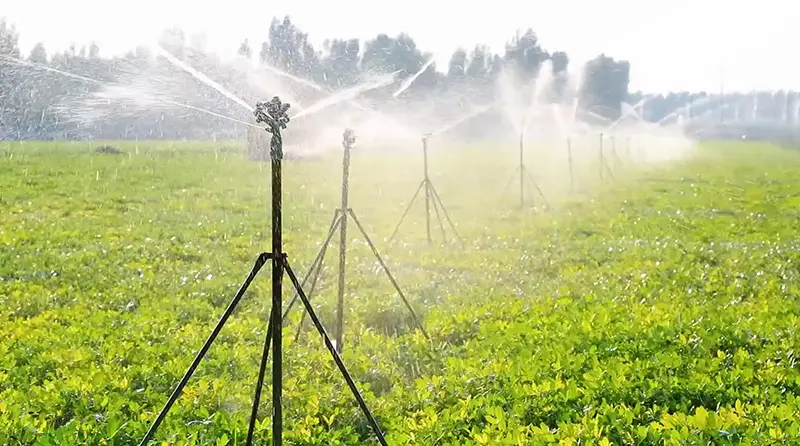 Smart Irrigation
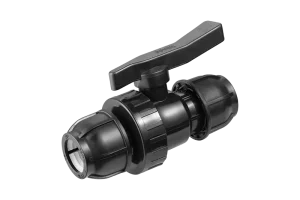
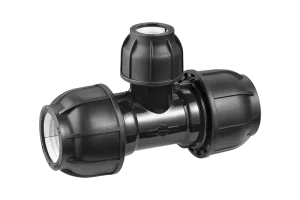
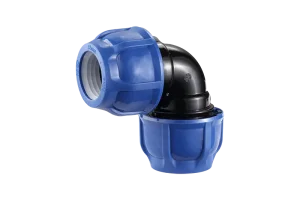
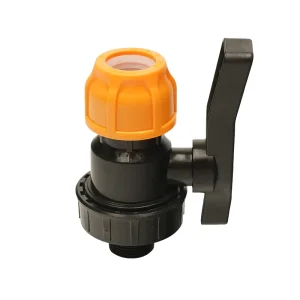
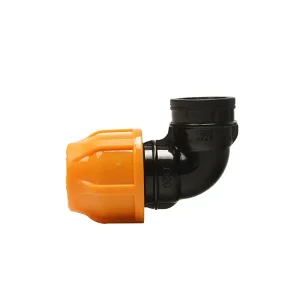
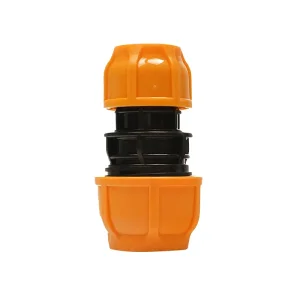
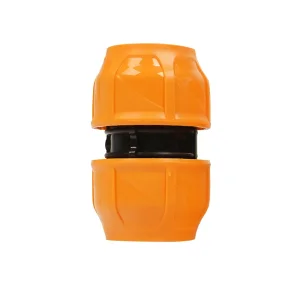
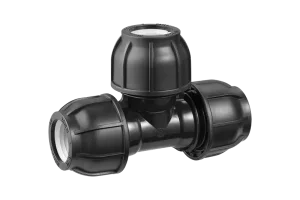
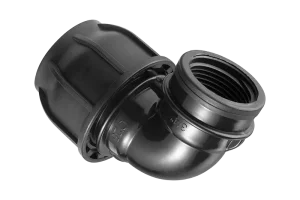
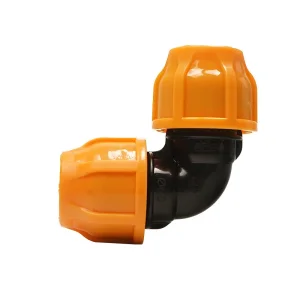
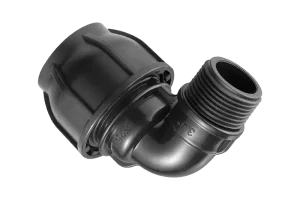
Agricultural projects demand high-flow efficiency and chemical resistance. Minde's PP compression fittings and ball valves are designed for high-pressure irrigation systems, allowing for easy field installation without the need for specialized welding tools.
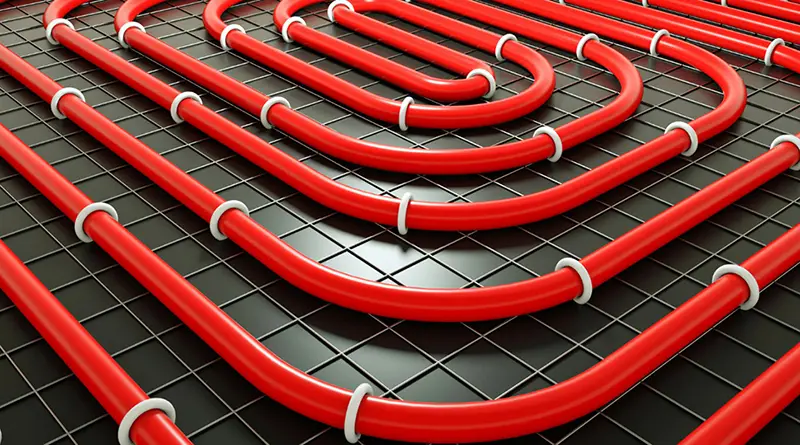 Underfloor Heating
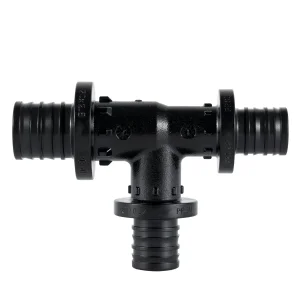
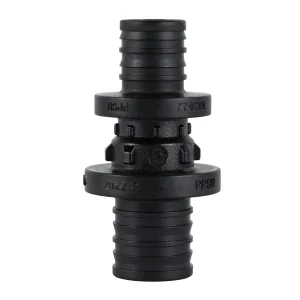
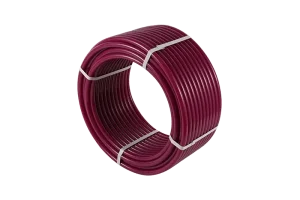
Utilizing PEX-Al-PEX and PE-Xb EVOH pipes, we provide oxygen-barrier technology that prevents boiler corrosion. These systems are optimized for maximum thermal conductivity and flexibility, ensuring uniform heat distribution in cold-climate residences.
 Minde
Minde