Explore our high-performance, certified products engineered to sustain pressure ratings up to PN16 for versatile utility lines.
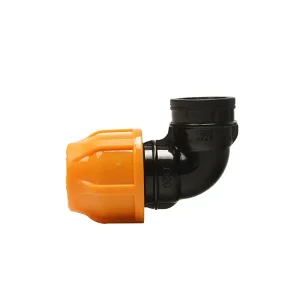
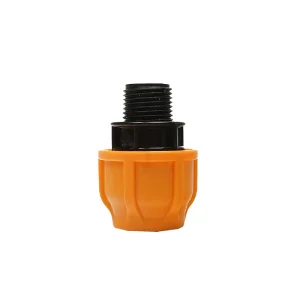
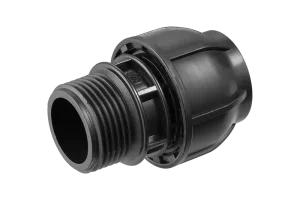
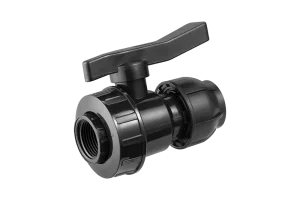
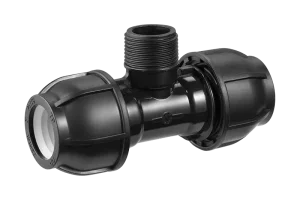
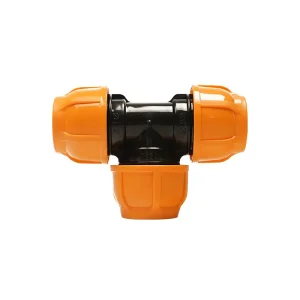
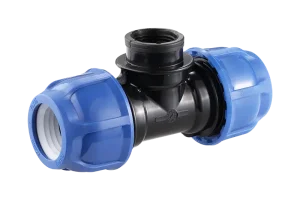
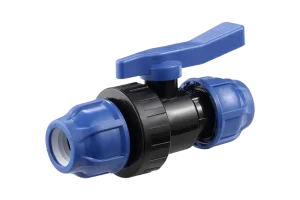
Analysis of market trends, polymer material advancements, and systemic transitions in global fluid infrastructure.
The global fluid dynamics and piping sector is undergoing an unprecedented paradigm shift, pivoting rapidly from traditional alloy systems to advanced engineering polymer formulations. Historically, municipal and industrial supply lines relied extensively on carbon steel, cast iron, and copper. While these metals offered high tensile strengths, their susceptibility to electrochemical oxidation, chemical scaling, biological encrustation, and high freight weights consistently compromised operational lifespans and inflated installation costs. Today, plastic pipe fittings—composed of Polypropylene Random Copolymer (PP-R), High-Density Polyethylene (HDPE), and Polypropylene (PP)—represent the vanguard of sustainable structural systems.
Rapid urbanization, paired with the structural maintenance backlog in mature economies, has catalyzed global demand for resilient piping components. These fittings must withstand fluctuating thermal loads, aggressive soil chemistry, and internal pressure variations. In countries across Europe, the Middle East, and North America, stringent environmental mandates targeting clean drinking water conservation and non-revenue water (NRW) loss reduction have turned polymer mechanical compression joints into standard components for network repairs and new pipeline installations.
Modern PP compression fittings are formulated with molecularly stabilized copolymer structures. Incorporating ethylene monomer units directly into the polypropylene chain significantly improves impact strength, even at sub-zero temperatures (-10°C to 50°C), while maintaining excellent chemical resistance to strong acids, alkalines, and mineral solutions.
Original Design Manufacturing (ODM) and Original Equipment Manufacturing (OEM) models are essential for matching localized structural requirements with mass-production efficiency. Global distributors, engineering contractors, and brand owners often face unique local specifications, such as specific pressure capacities, thread standards (such as British Standard Pipe Parallel (BSPP), British Standard Pipe Taper (BSPT), or American National Pipe Taper (NPT)), or physical geometric configurations. Designing custom injection molds requires robust tool-making expertise, precise mechanical tolerance controls, and fluid dynamics simulations.
Ningbo Minde Building Materials Co., LTD., operates as a strategic ODM partner, transforming abstract engineering requirements into precise, physical components. Backed by over 20 years of manufacturing experience, our design team optimizes gate placements, cooling channels, and draft angles for injection-molded components. This ensures that every compression nut, body, clinching ring, and gasket seat displays uniform wall thickness and isotropic structural strength.
We leverage advanced 3D CAD modeling and finite element analysis (FEA) to simulate flow patterns, eliminate knit lines, and guarantee structural integrity under high working pressures.
We source premium virgin PP-R and HDPE resins, adjusting raw material mixtures with specialized UV stabilizers, thermal antioxidants, and color pigments to match field requirements.
Our engineers align ODM specifications with international certification requirements, including British WRAS, European CE, and Russian GOST standards.
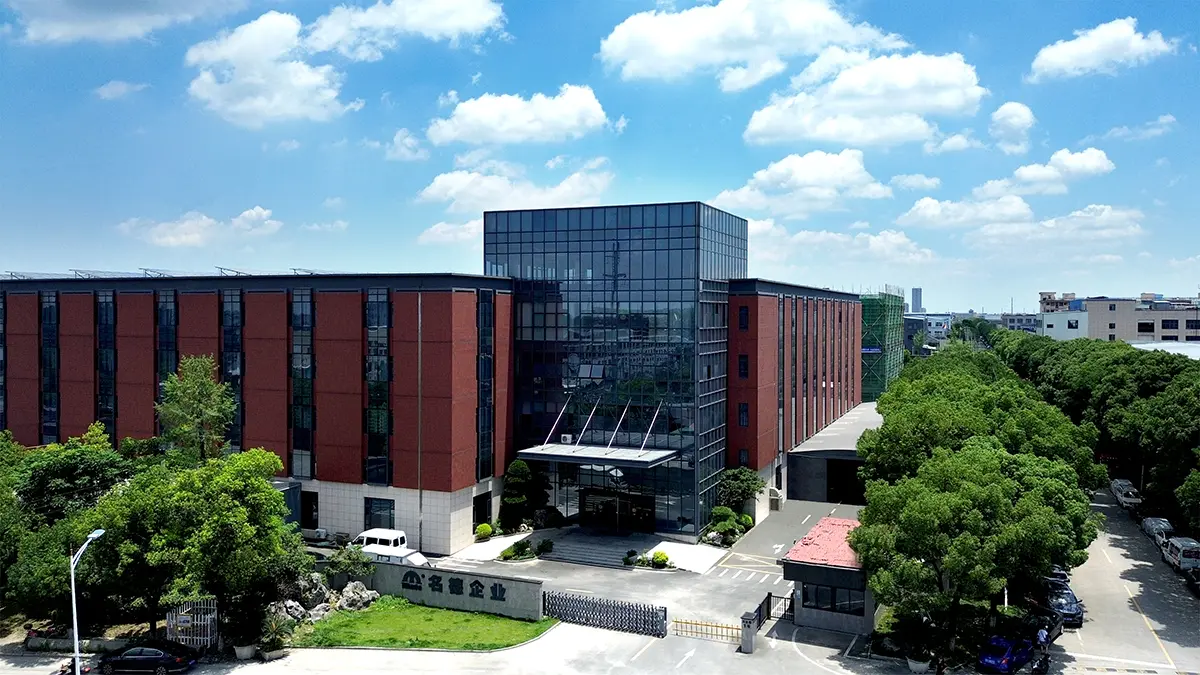
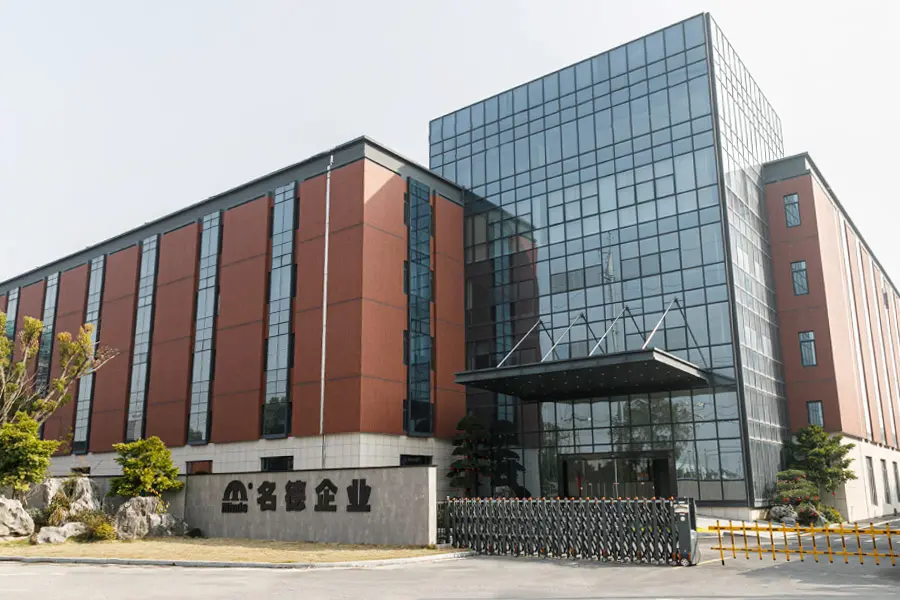
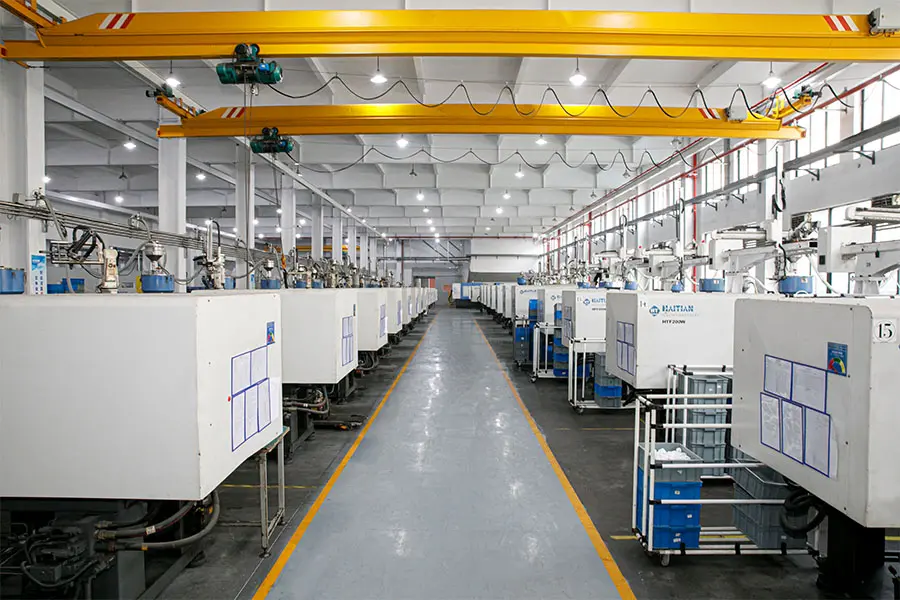
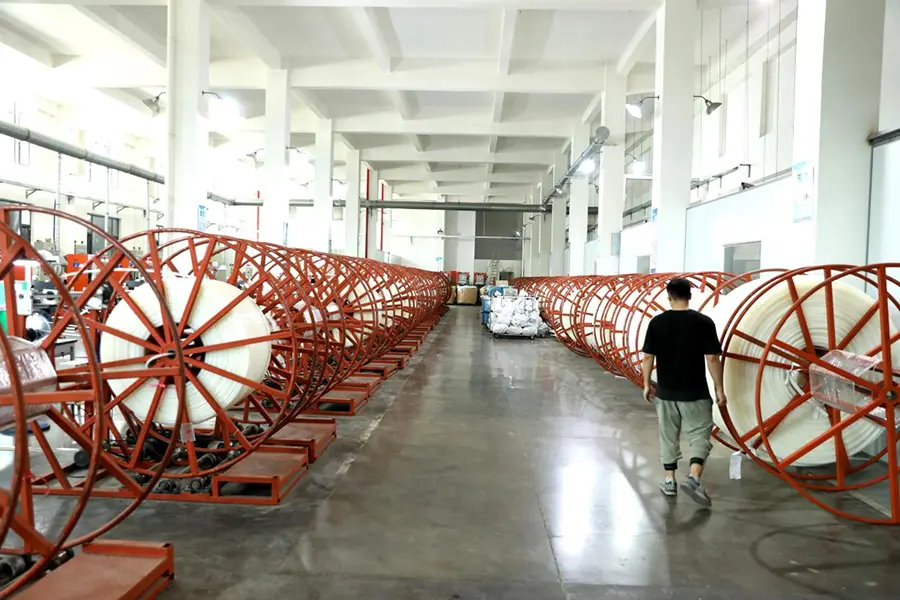
Inside Minde's 90,000+ square meter manufacturing facility in Zhejiang, China.
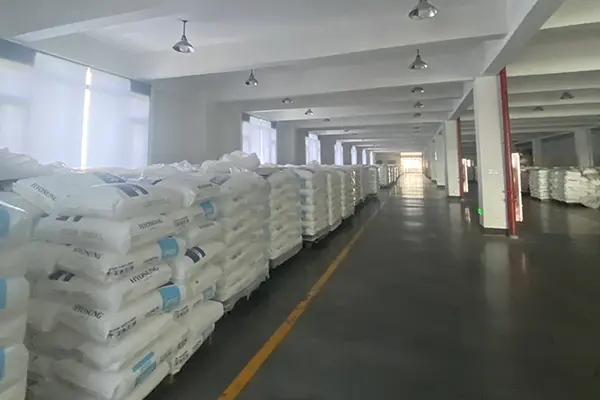
In China, industrial clusters play an essential role in optimizing manufacturing efficiency. Ningbo, located in Zhejiang Province, serves as a premier industrial base for plastic processing, precision injection tooling, and raw polymer logistics. Ningbo Minde Building Materials Co., LTD., leverages these geographic and economic advantages to deliver world-class products. Operating within a large 90,000+ square meter facility, we coordinate manufacturing operations from raw polymer inspection to final global container loading.
Our manufacturing plant features 45 automated pipe production lines alongside 85 high-speed precision injection molding machines. These units are linked to an automated central feeding system that monitors material ratios and prevents contamination. This configuration helps eliminate variations in melt temperature and injection speed, yielding components with consistent dimensional accuracy and high mechanical strength.
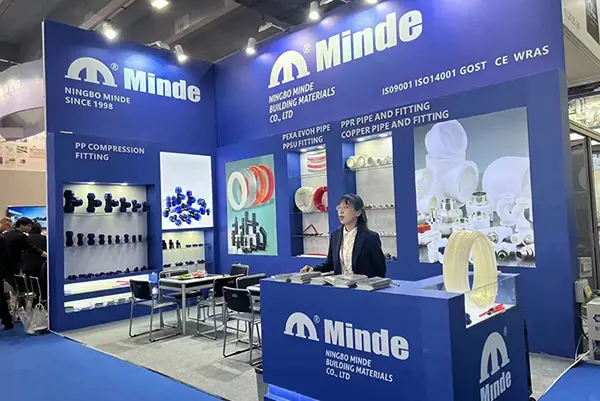
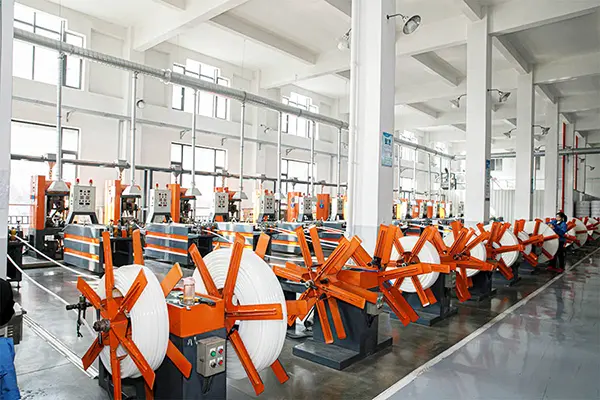
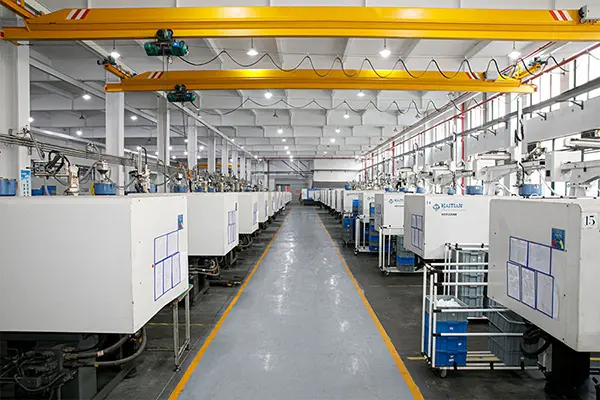
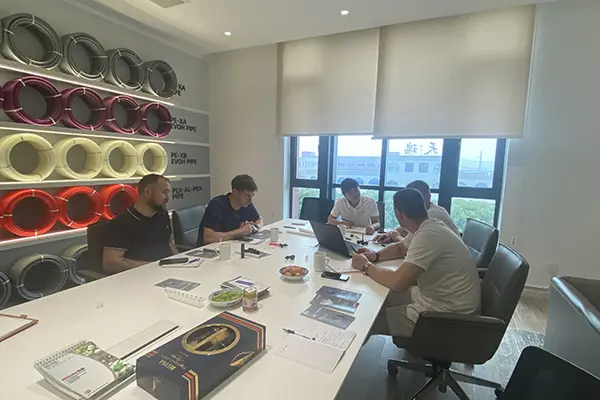
Tailored fluid transport components optimized for residential, municipal, and agricultural applications.
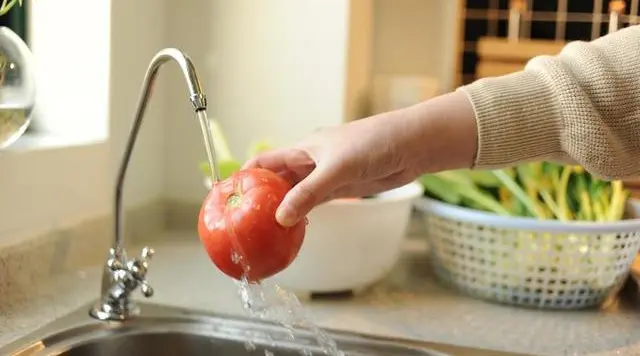
Potable Water Infrastructure: For residential water networks, our non-toxic, lead-free PP-R and PP compression fittings maintain water quality from treatment plant to tap. The leak-proof mechanical joint prevents microbiological contamination and limits water loss in high-density urban environments.
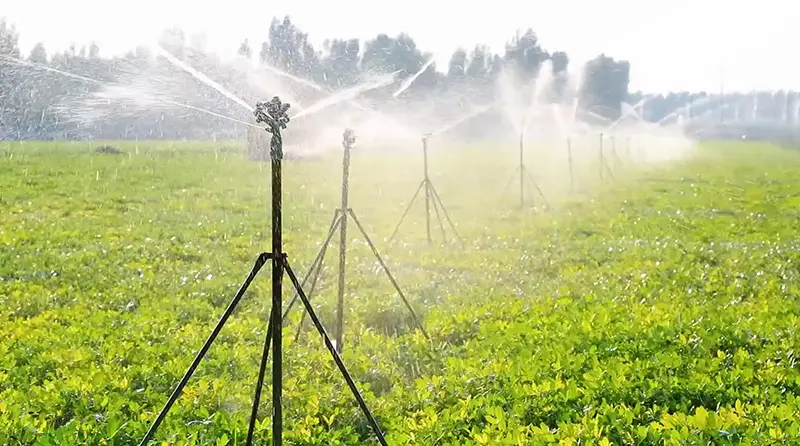
Large-Scale Farming & Drip Networks: Designed for agricultural systems exposed to intense sunlight, high-volume irrigation, and chemical fertilizers. UV-stabilized copolymer construction prevents thermal degradation and degradation from agricultural chemicals.
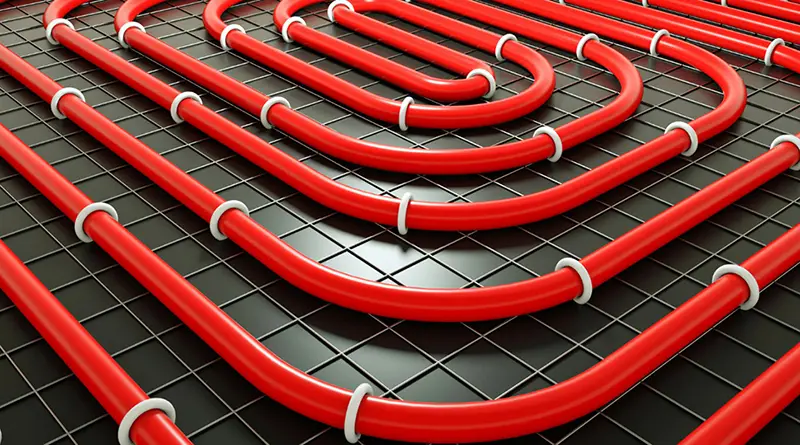
Radiant Heating & HVAC: Engineered to withstand continuous thermal circulation, our PP-R hot-water pipes and connectors show low coefficient of thermal expansion, preventing oxygen permeation and protecting hydronic systems from corrosion.
Tracking the development of smart cities, low-carbon initiatives, and advanced polymers.
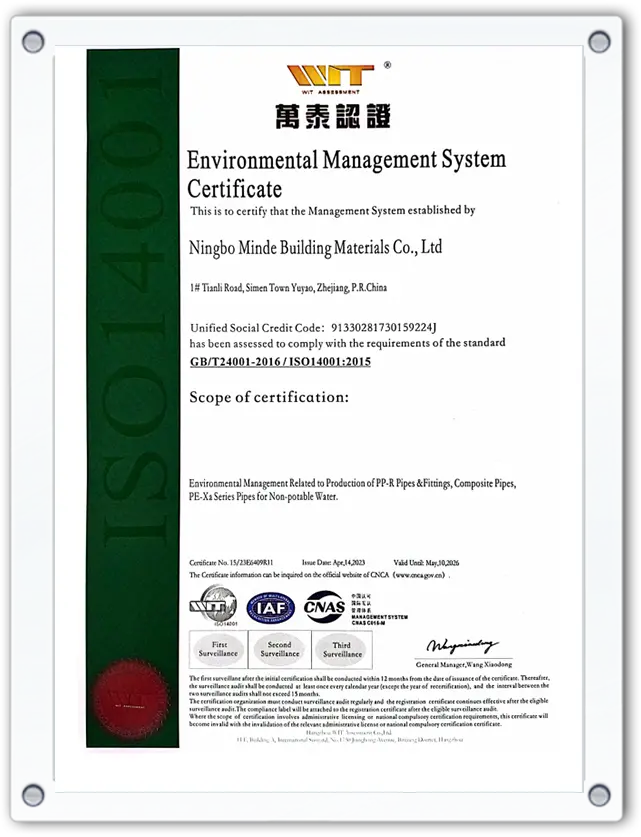
The global piping industry is evolving to support smart infrastructure and sustainable development. As municipalities implement green building codes and target carbon-neutral water transport, the environmental footprint of piping materials is heavily scrutinized. Copper extraction and steel refining are energy-intensive processes that generate significant carbon emissions. By comparison, modern polypropylene and polyethylene systems require less energy to manufacture, transport, and recycle. Minde’s ISO 14001 environmental management system guides our efforts to reduce waste, reuse polymer sprues, and minimize energy use across our manufacturing lines.
Another major trend is the integration of digital mapping with physical pipeline systems. Advanced water distribution grids operate under variable pressures controlled by smart pump stations. Rapid pressure changes (water hammer) can cause mechanical joints to fail. Our PN16 series compression fittings address this concern, incorporating structural reinforcement ribs and flexible split rings that absorb pressure spikes, helping ensure long-term reliability in modern municipal water lines.
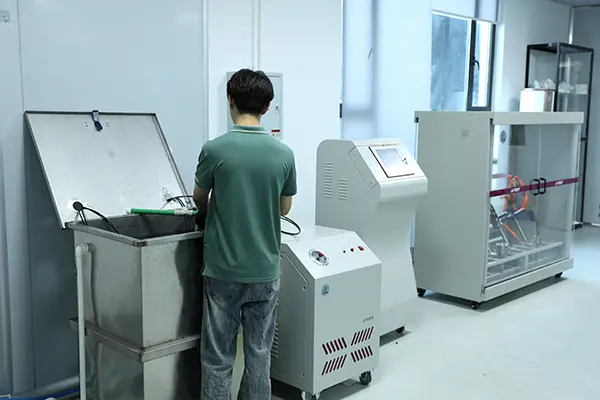
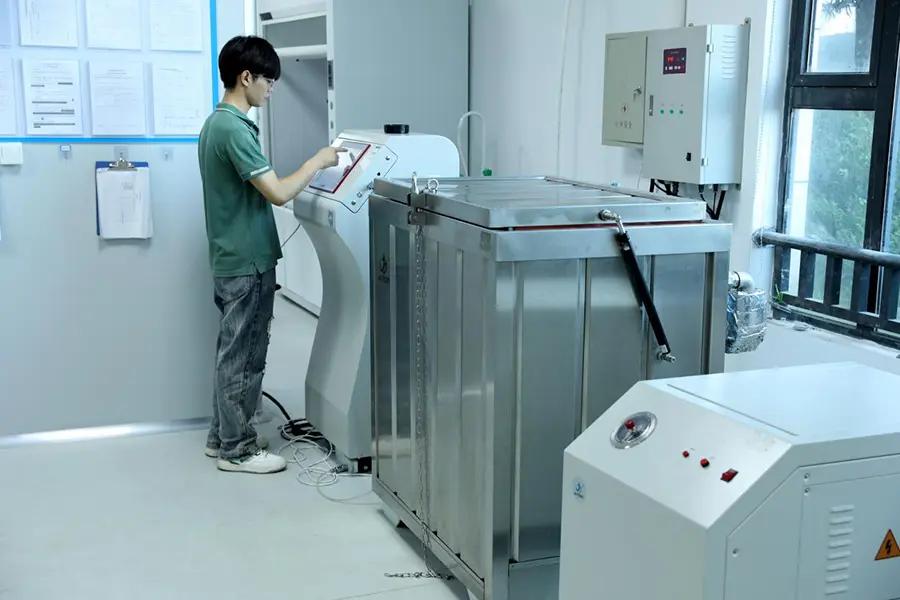
Reliability in piping infrastructure is measured over decades, not years. Minde ensures consistent quality by implementing a three-point inspection protocol: verifying raw materials upon arrival, monitoring dimensional tolerances mid-production, and conducting hydrostatic burst pressure tests on finished components.
Our products conform to major international engineering standards, enabling smooth customs clearance and deployment in global projects.
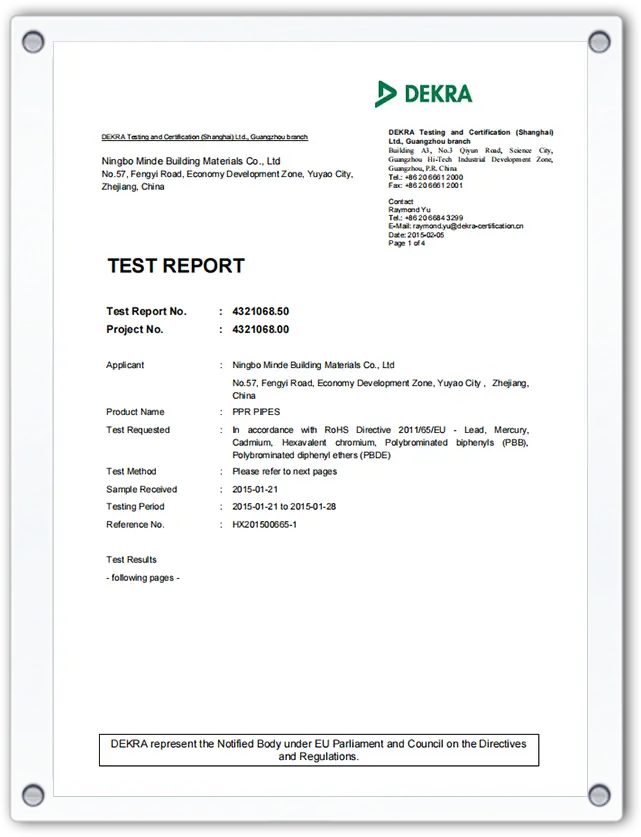
Documented traceability and standard operating procedures across all production phases.
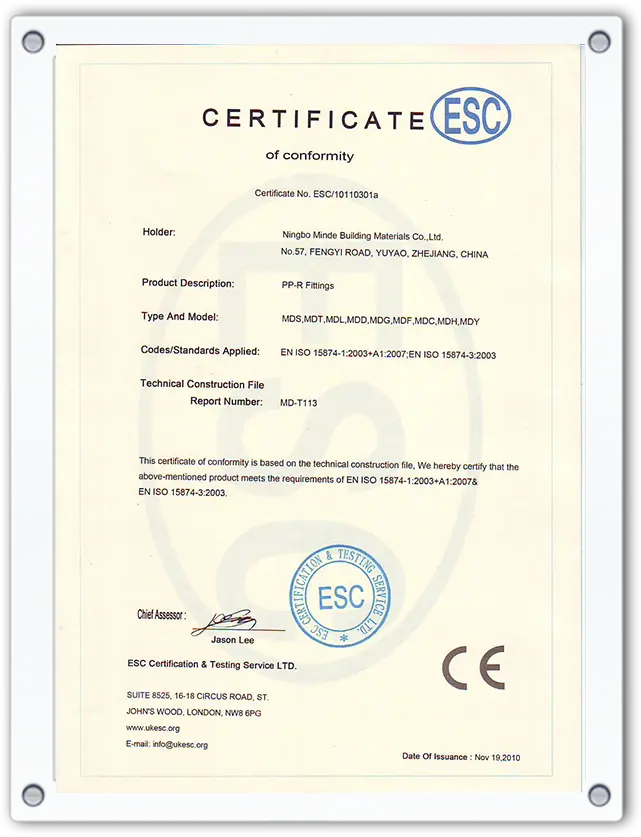
Conformity with health, safety, and environmental protection standards in the European Economic Area.
Certified for safe use with drinking water in the United Kingdom and compliant with GOST standards in CIS markets.
Delivering high-performance polymer fittings to clients in over 50 countries, including Russia, Ukraine, South America, and the Middle East.

Best practices for supply chain managers sourcing high-volume polymer products.
Purchasing components for municipal utilities or agricultural supply networks requires balancing quality, capacity, and cost. Procurement managers should evaluate more than just per-unit costs to optimize their supply chain:
Addressing design considerations, installation practices, and material questions for piping systems.
Find the right fittings for your pipeline configuration. Direct factory quotes available upon request.
 Minde
Minde