ODM Polyprop Pipes Factory & Supplier

Premium OEM/ODM Solutions for Polypropylene Piping Systems. Built to ISO9001 Standards with High-Grade Virgin Raw Materials.

Corporate Overview

Leading Global Supplier of Polypropylene Pipeline Infrastructures

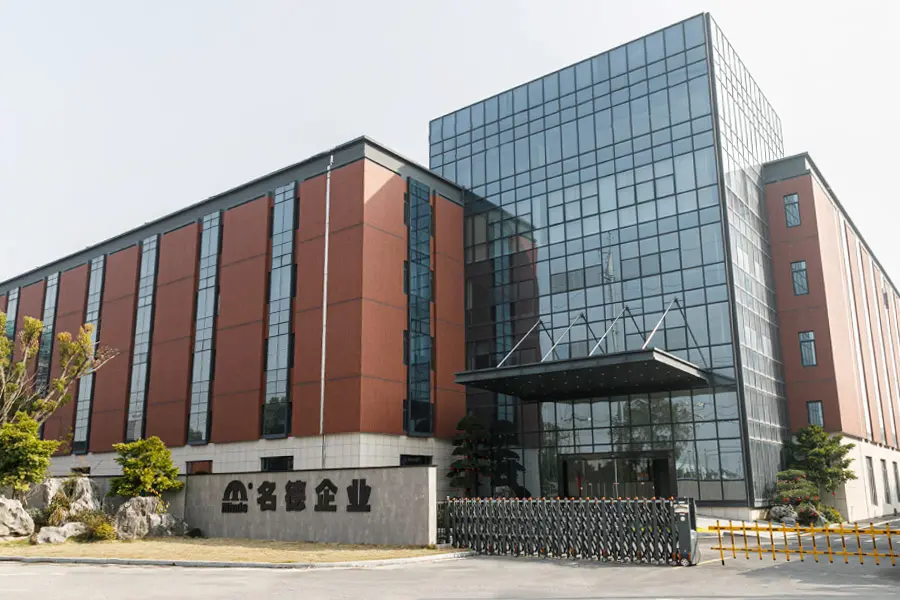
Ningbo Minde Building Materials Co., LTD., based in Zhejiang Province, China, is an advanced manufacturing facility specializing in the production of high-performance plastic pipes and fittings. With over 20 years of experience, our mission is to supply eco-friendly, highly durable, and structurally flawless piping systems for residential water supplies, agricultural irrigation, and radiant floor heating installations worldwide.

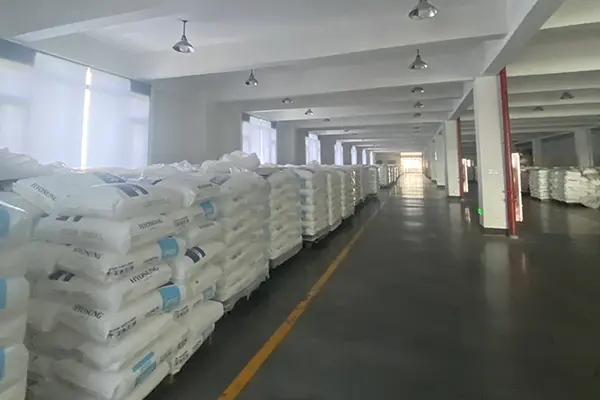
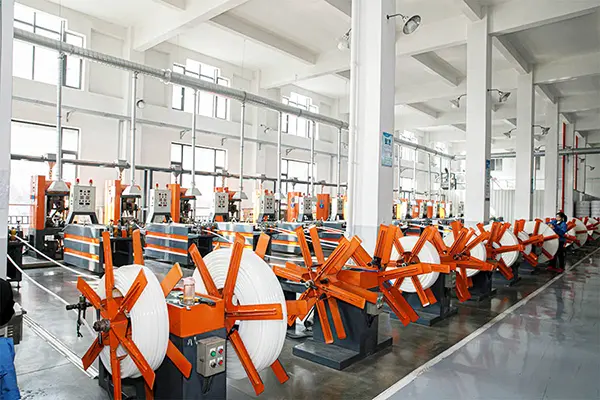
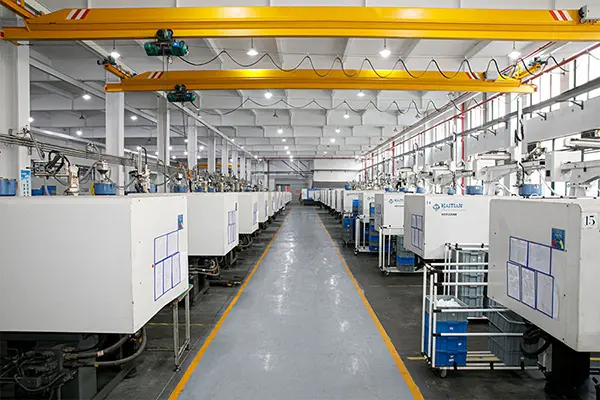
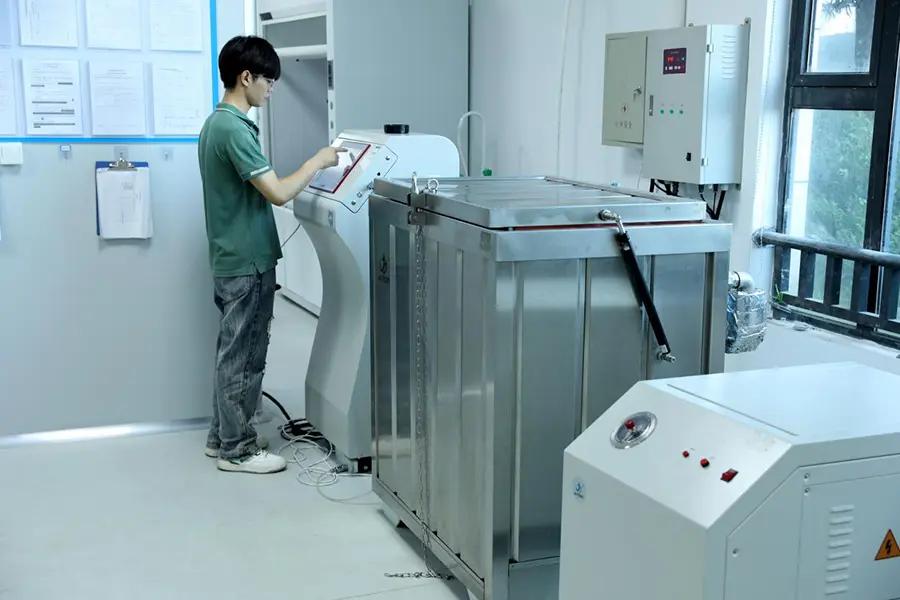
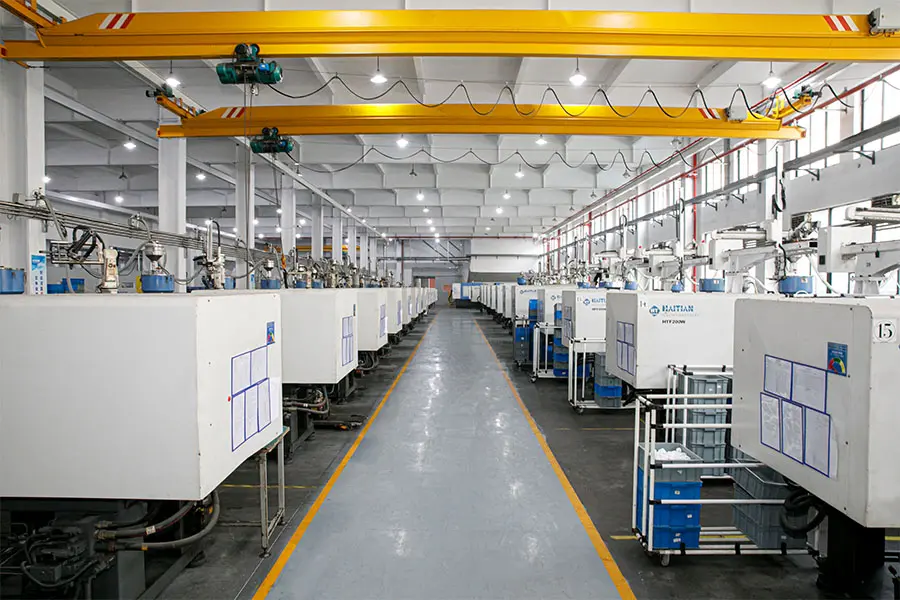
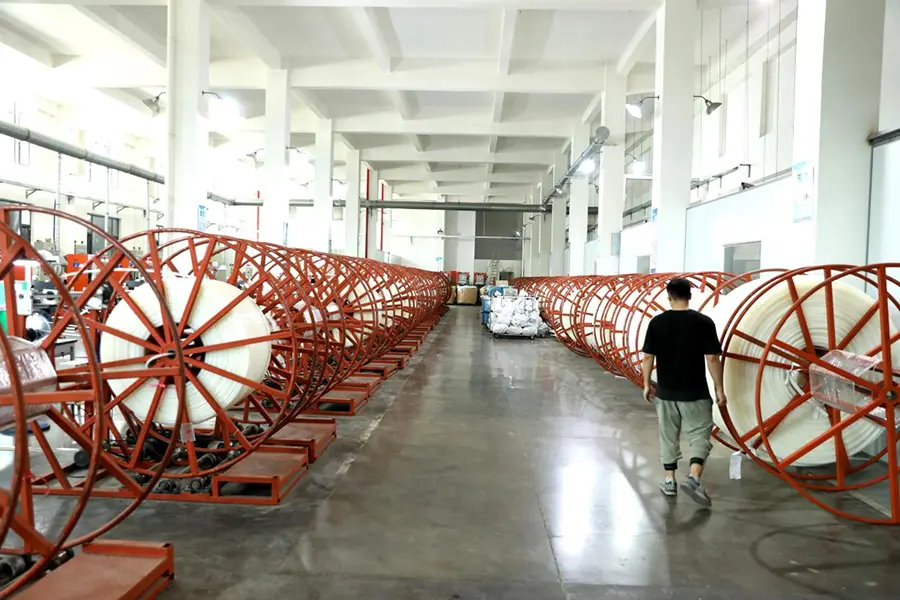
To guarantee structural reliability, MINDE uses only high-grade imported virgin raw materials. The facility spans over 90,000 square meters and accommodates 200+ employees, operating 45 advanced pipe extrusion lines and 85 precision injection molding machines. Our plant is supported by a fully automated feeding system, ensuring raw material consistency. Quality control is managed across three distinct inspection points: raw material sourcing, in-process production tracking, and post-production structural testing.
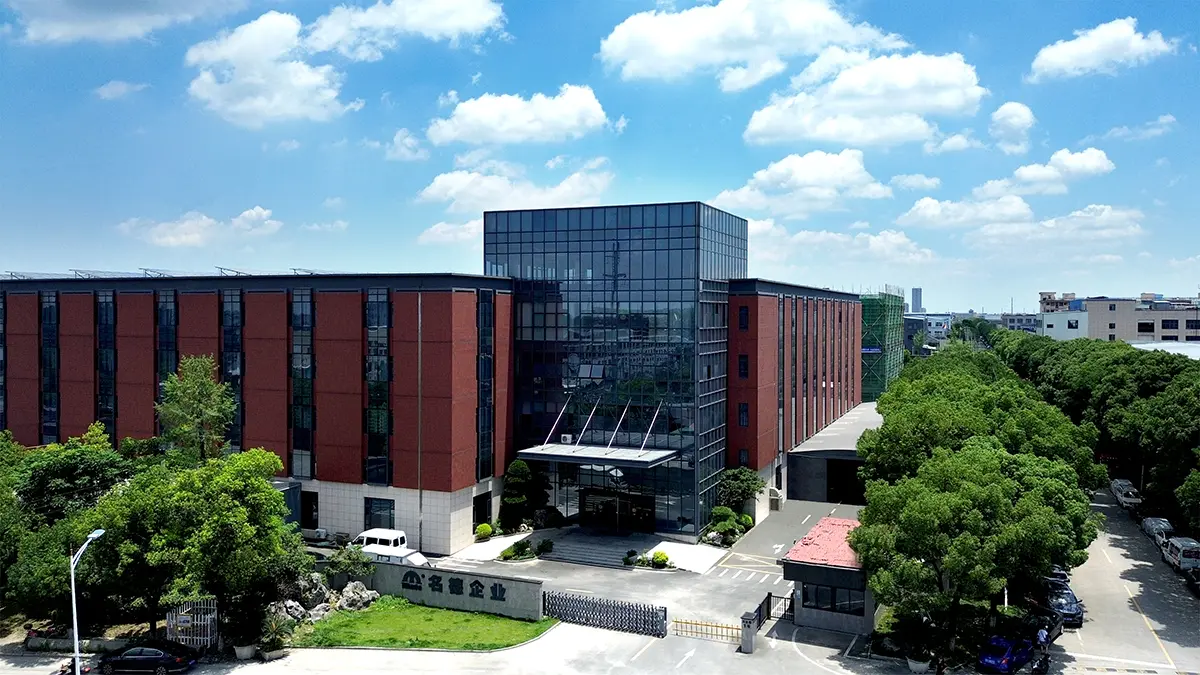
Minde Manufacturing Plant
45
Pipe Production Lines
85
Injection Molding Machines
90,000+
Square Meters Floor Space
200+
Skilled Industry Professionals
Technical Whitepaper

Global Industrial Applications of Polypropylene Piping

The global infrastructure sector is seeing a rapid shift away from metallic piping systems toward advanced polymer networks. Polypropylene (PP) and Polypropylene Random Copolymer (PPR) pipes have become the preferred choice for industrial fluid transportation, municipal potable water networks, and smart agricultural systems.

This shift is driven by polymer physics. Polypropylene features a low elastic modulus and high chemical stability, providing excellent resistance to scaling, oxidation, and galvanic corrosion. Additionally, PPR offers superior thermal performance over traditional Polyethylene (PE) systems, making it suitable for hot water systems up to 95°C.

1. Global Business & Industrial Market Dynamics

The industrial demand for high-integrity Polypropylene piping has reached record levels. Key growth drivers include:

  • Rapid Urbanization: Increasing demand for clean, scalable municipal drinking networks that avoid chemical leaching.
  • Sustainable Buildings (LEED/BREEAM): Strict environmental regulations are phasing out old metal systems in favor of recyclable polymers with a low carbon footprint.
  • Arid Climate Agriculture: Large-scale farming networks rely on UV-stabilized, high-pressure PP compression fittings to optimize water delivery in harsh conditions.

2. Advanced Manufacturing Trends & Technology Roadmap

Modern pipe manufacturing has evolved beyond simple extrusion. Today's systems utilize advanced multi-layer designs and smart technologies:

  • Multi-layer Co-extrusion (Pex-Al-Pex & PPR-Al-PPR): Incorporating aluminum oxygen barriers prevents air infiltration, protecting boilers and metal valves in closed-loop heating systems.
  • PP-RCT Technology: Polypropylene Random Copolymer with Modified Crystalline Structure offers higher pressure resistance at elevated temperatures, reducing wall thickness requirements and increasing flow capacity.
  • Smart Production Lines: Computerized gravimetric dosing systems feed raw materials to maintain consistent molecular weight distribution, preventing wall thinness during manufacturing.

3. Macro-Level Infrastructure Solutions

We offer custom-engineered solutions for complex piping environments:
  • High-Rise Potable Water Networks: Our PN16-rated fittings are engineered to withstand pressure surges and thermal expansion, ensuring reliable joint connections in high-elevation risers.
  • Corrosion-Resistant Industrial Fluid Handling: Polypropylene's chemical inertness makes it ideal for chemical processing facilities and saline wastewater lines.
  • Radiant Floor Heating: Engineered PEX and PPR composite piping provide uniform thermal distribution and long-term crack resistance.
State-of-the-Art Workshop & Manufacturing Facilities
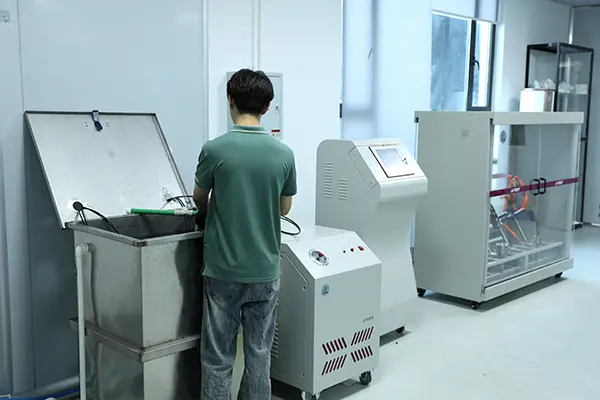
Equipped with 85 precision injection molding systems and advanced testing equipment to ensure quality from raw material to finished product.
Global Certifications

Verified International Standards

Minde's piping systems are engineered to meet global standards. We maintain rigorous compliance processes, enabling our products to pass top international certifications for safety, quality, and mechanical performance.

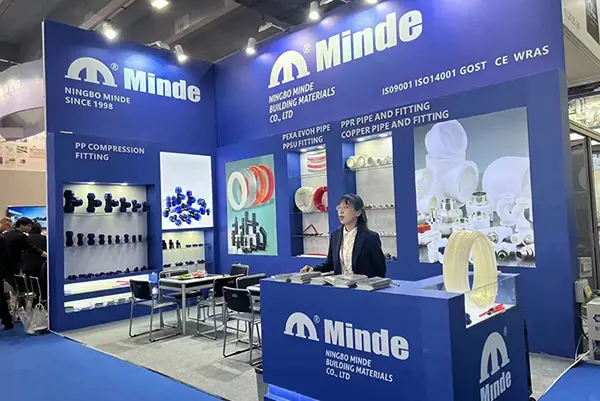
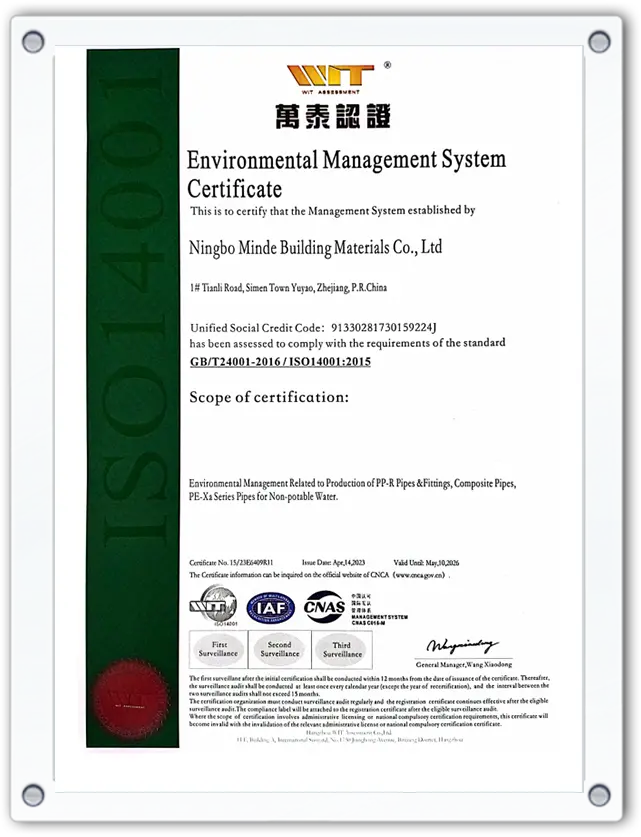
Our quality management systems are certified to ISO9001:2022 and ISO14001. Additionally, our products carry certifications including the European CE, British WRAS (Water Regulations Approval Scheme) for drinking water safety, and Russian GOST certificates. We export to over 50 countries across Europe, South America, Southeast Asia, and the Middle East.
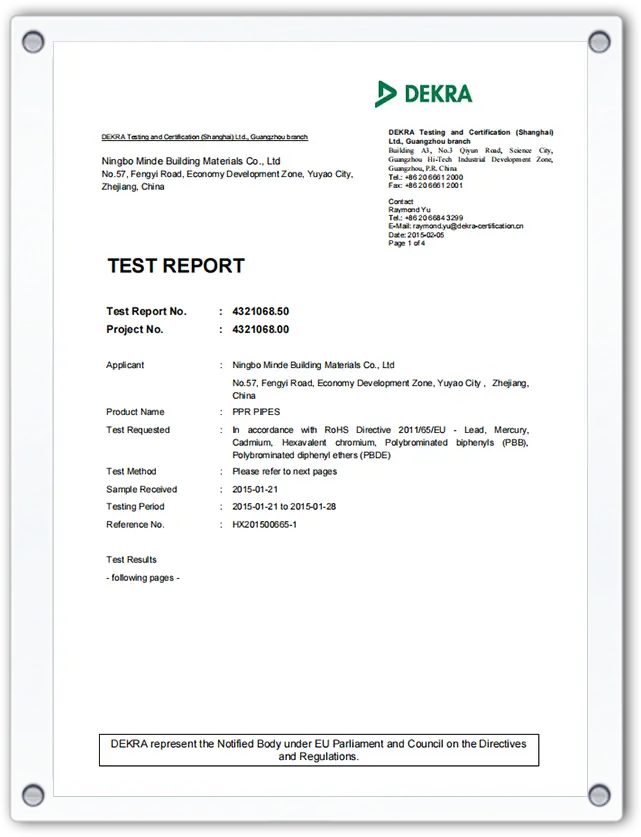
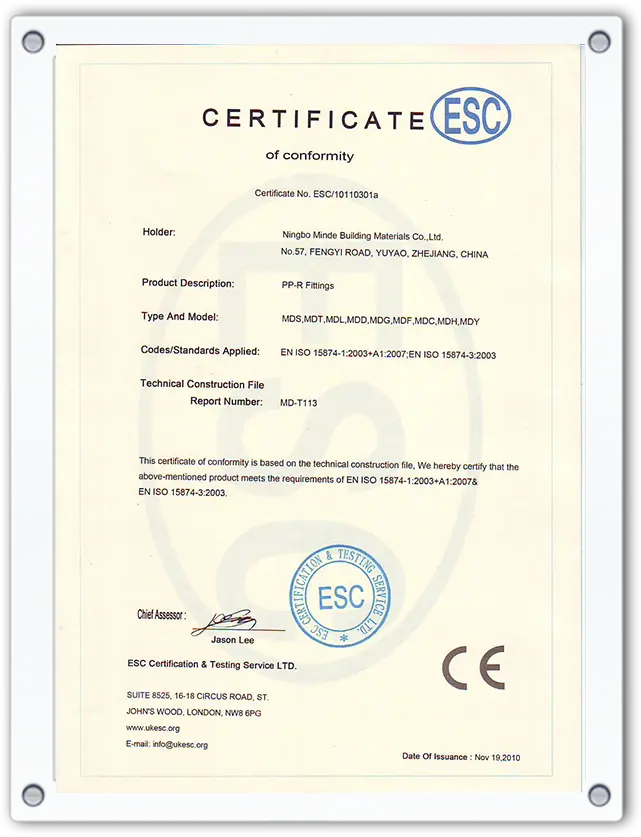
ISO Certification Seal CE Certificate Seal GOST Certificate Seal
Custom Applications & Engineering Solutions
Designed to perform under demanding conditions across water supply, agricultural, and heating sectors.

Potable Water Networks

Smooth, food-grade surfaces prevent bacterial biofilm buildup and scaling. Certified lead-free material ensures long-term compliance with strict municipal health standards.

Agricultural Irrigation

Designed for field operations. UV-resistant materials and robust compression couplings withstand mechanical impacts, seasonal temperature swings, and chemical fertilizers.

Underfloor Radiant Heating

Oxygen-barrier multi-layer composite pipes ensure efficient heat transfer while preventing corrosion in metal boiler parts. Rated for up to 50 years of operation.

Agricultural Irrigation Application Underfloor Pipe Layout Industrial Installation
Engineering Q&A: Key Technical FAQ
Technical details and product performance parameters for engineering specifications and procurement processes.
What are the primary differences between PPR and PEX-Al-PEX for floor heating systems?
PPR pipes are semi-rigid and joined via thermal fusion, which creates a monolithic joint. PEX-Al-PEX is a multi-layer composite pipe featuring a middle aluminum layer that acts as a 100% oxygen barrier. This barrier prevents oxygen from entering the heating fluid, protecting boiler components from oxidation. PEX-Al-PEX also retains its shape when bent, making it easier to install in complex serpentine underfloor heating layouts.
How do PN16-rated PP compression fittings handle pressure spikes in agricultural applications?
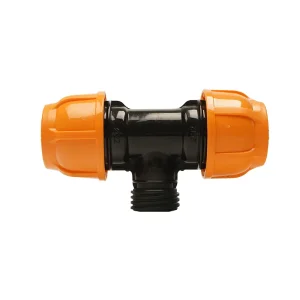
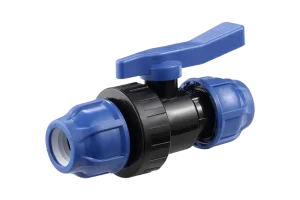
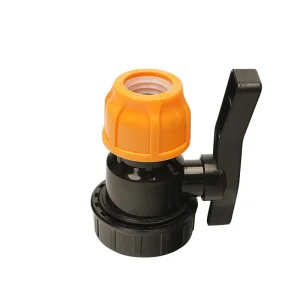
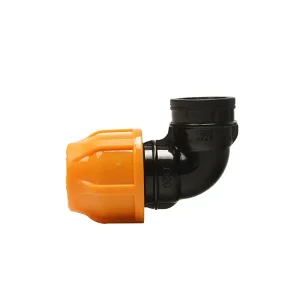
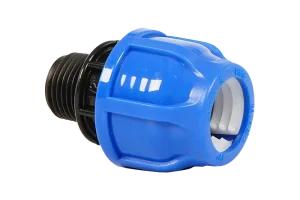
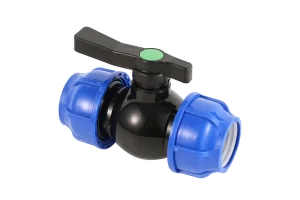
Minde's PN16 compression fittings feature a high-performance design that includes a polyacetal split ring (clincher) to lock onto the HDPE pipe, a rubber O-ring for sealing, and a robust polypropylene body. When high pressures or water hammer effects occur, the lockring tightens its grip on the pipe, preventing pull-out failures. This system is rated to handle continuous pressures up to 1.6 MPa (16 bar) at 20°C.
Why is WRAS certification important for potable water distribution?
WRAS (Water Regulations Advisory Scheme) certification verifies that the materials used in our pipes and fittings do not leach contaminants into drinking water. Certified products undergo strict extraction tests to ensure they do not cause changes in water odor, flavor, appearance, or promote toxicological hazards. This guarantees the piping system remains safe for potable water supply throughout its operating life.
How does thermal expansion compare in polypropylene pipes versus copper or steel?
Polypropylene has a higher coefficient of thermal expansion than copper or steel. In hot-water applications, this is managed by incorporating expansion loops, deflection arms, or using multi-layer composite pipes containing fiberglass or aluminum layers. These reinforcement layers reduce thermal expansion rates by up to 75%, making them comparable to metallic pipe performance.
What is the estimated service life of Minde PPR pipes in municipal networks?
When operated within design parameters (such as the standard relationship between temperature, pressure, and stress safety factors), our high-grade virgin PPR pipes are engineered for a service life exceeding 50 years. Operating at lower temperatures and pressures extends their lifespan, while sustained extreme conditions will gradually reduce it.