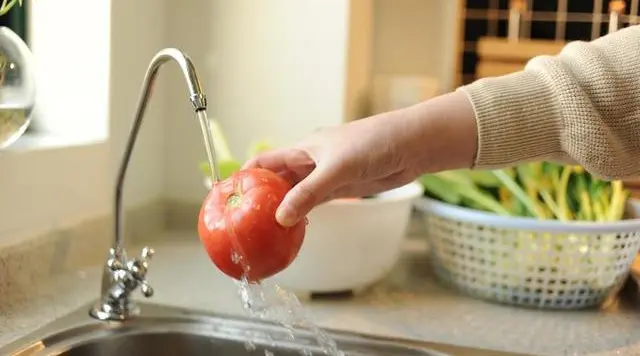
In modern architecture and infrastructure development, the reliability of fluid transport networks forms the bedrock of operational sustainability. Among the variety of synthetic polymers optimized for commercial and industrial plumbing, Polypropylene Random Copolymer (PPR) stands out as a paramount breakthrough. Exhibiting superior thermophysical resistance, exceptional tensile strength, and zero chemical toxicity, PPR systems have fundamentally altered the landscape of potable water and chemical transport distribution.
“As mechanical engineers and procurement officers face stricter environmental regulations and demands for structural integrity, selecting the right ODM PPR partner becomes a strategic operational decision.”
To grasp the technical superiority of PPR, it is essential to examine its polymer structure. Unlike standard Polypropylene Homopolymer (PP-H) or Block Copolymer (PP-B), PPR is synthesized through a random copolymerization process that embeds ethylene molecules into the propylene main chain. Typically, this ethylene content ranges between 3% to 5%, which significantly improves the material's impact resistance at lower temperatures and its overall structural flexibility.
This molecular configuration prevents micro-cracking and propagation of stress fractures, which are common failure points in rigid PVC or old galvanized iron pipes. Additionally, PPR maintains a exceptionally low thermal conductivity coefficient (0.24 W/mK), which dramatically minimizes heat dissipation in hot-water distribution lines. In comparison, copper pipes exhibit a thermal conductivity of approximately 390 W/mK, leading to massive heat loss and expensive insulation requirements. By switching to high-quality PPR pipe installations, system designers can achieve up to a 70% reduction in thermal energy losses.
| Material Metric | Random Copolymer (PPR) | Copper (Cu) | Cross-linked PE (PEX) | Chlorinated PVC (CPVC) |
|---|---|---|---|---|
| Thermal Conductivity (W/mK) | 0.24 | 390 | 0.35 | 0.14 |
| Maximum Working Temperature | 95°C (continuous) | 250°C+ | 95°C | 93°C |
| Estimated Service Lifespan | 50+ Years (at rated pressure) | 50 Years (susceptible to corrosion) | 50 Years | 40 Years |
| Hydraulic Smoothness (Roughness factor) | 0.007 mm | 0.0015 mm | 0.007 mm | 0.007 mm |
| Corrosion & Scale Resistance | Immune | Poor in acidic environments | Immune | High |
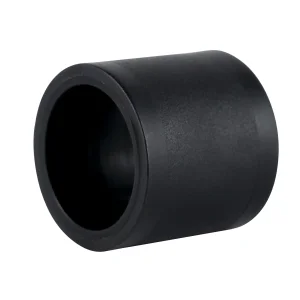
One of the key reasons why major industrial developers prefer PPR pipes over alternative thermoplastic materials is the nature of its connections. PPR systems utilize heat fusion joining technology (socket fusion, butt fusion, or electrofusion) rather than solvent cements or mechanical threads. During the fusion process, both the pipe exterior and the fitting interior are heated to approximately 260°C. When joined, the polymer chains of both parts interdiffuse and crystallize as a single, continuous entity.
This molecular fusion effectively eliminates the physical interface between the pipe and fitting. The joint becomes the strongest point of the assembly, rendering it completely leak-proof and structurally homogenous. In high-rise high-pressure applications (PN16 to PN25), this elimination of weak connection interfaces reduces the risk of water damage, which is a key contributor to insurance claims in commercial real estate.
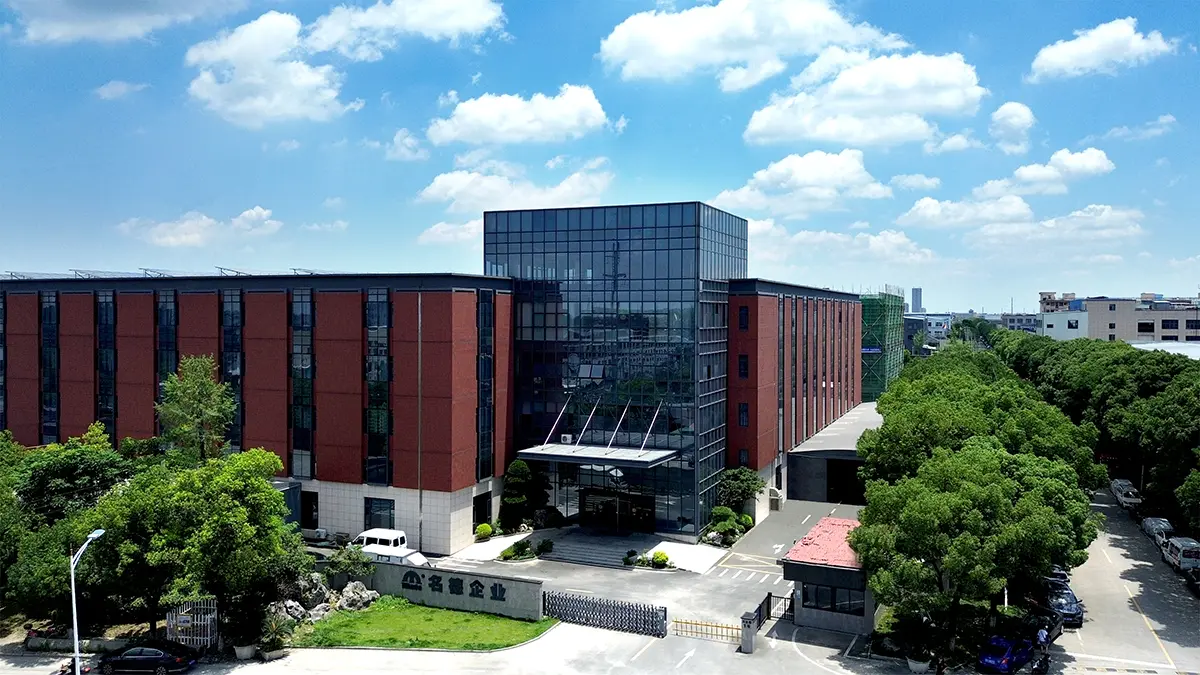
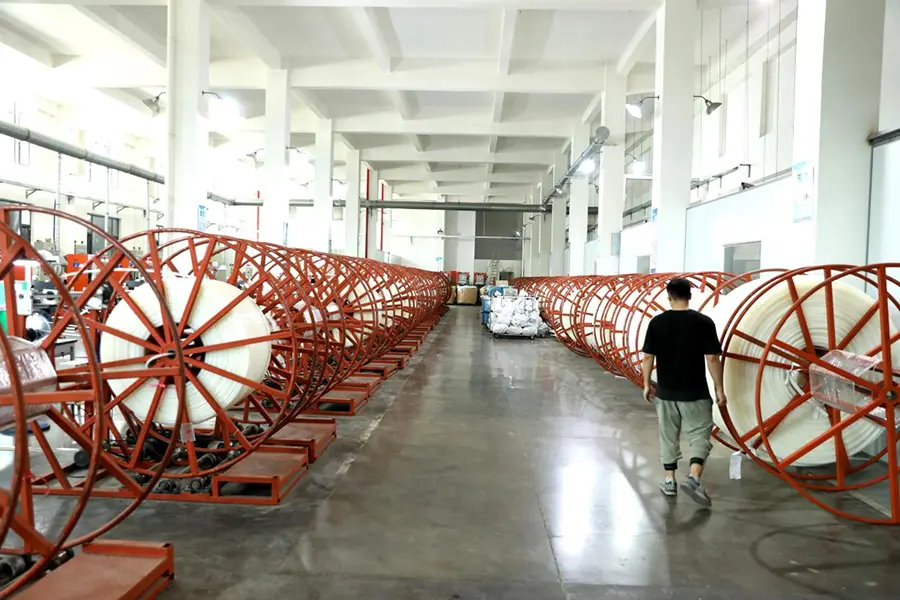
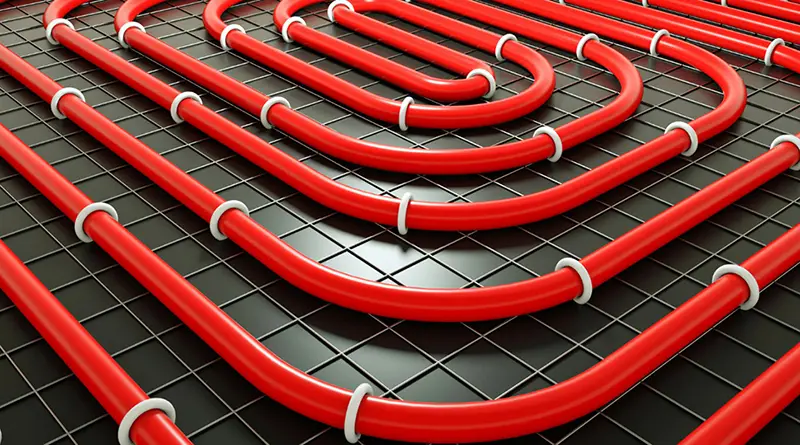
Rooted in the industrial hub of Zhejiang Province, China, Ningbo Minde Building Materials Co., LTD. has established a formidable legacy of innovation and manufacturing excellence. For more than two decades, we have focused exclusively on the engineering, development, and mass production of premium plastic piping systems, compression fittings, and industrial valves. Our specialized solutions are engineered for residential drinking water networks, advanced agricultural irrigation systems, and underfloor radiant heating grids.
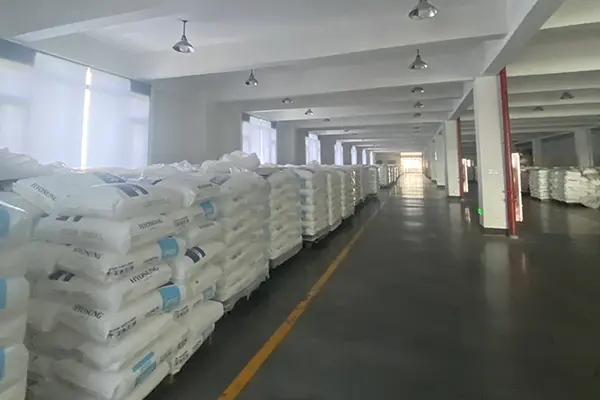
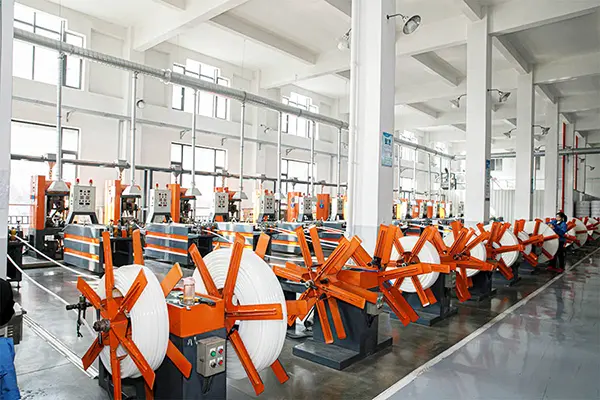
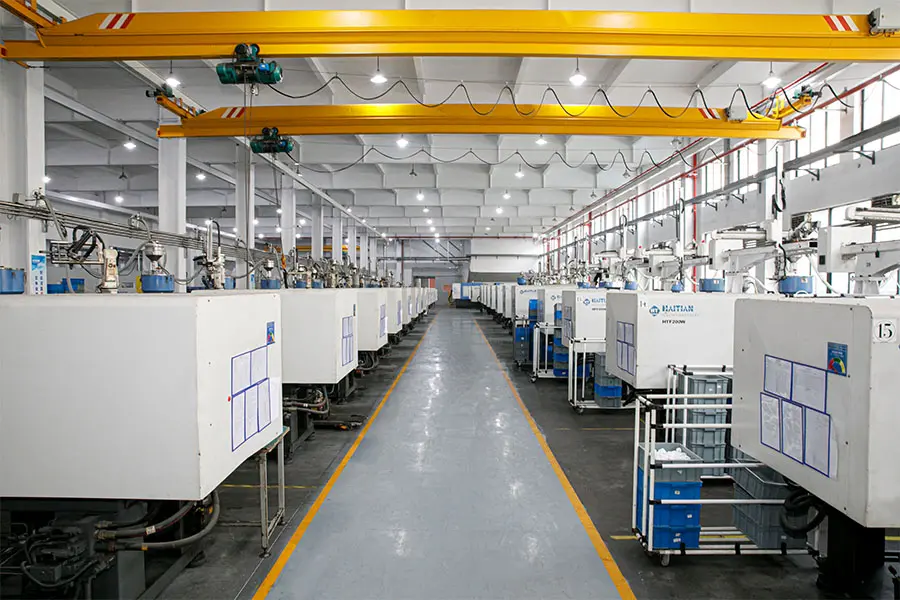
Minde operates on a foundational philosophy that pairs high-quality raw materials with advanced mechanical manufacturing. To guarantee 100% reliability, Minde utilizes high-grade, virgin imported raw materials from internationally acclaimed polymer producers, completely eliminating recycled components that compromise structural performance. Spanning over 90,000 square meters of high-tech production space, our facilities feature a fully automated raw material feeding system designed to eliminate human error and maintain chemical homogeneity across production runs.
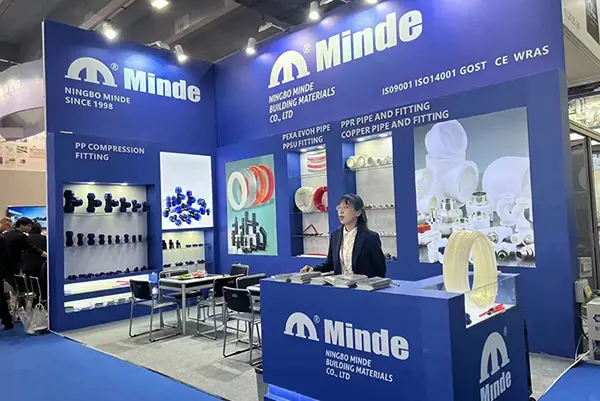
Across the globe, the rapid expansion of urbanization alongside the reconstruction of aging municipal infrastructures has generated unprecedented demand for polymeric plumbing solutions. Engineering, Procurement, and Construction (EPC) contractors are pivoting away from legacy copper and iron pipe networks due to material volatility, high installation costs, and issues like chemical leaching or rust.
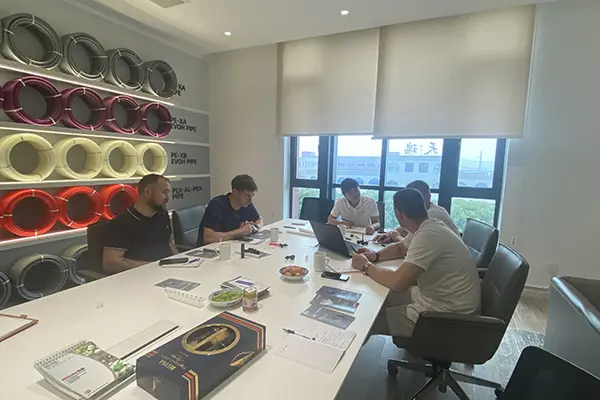
Global procurement teams must navigate local building codes and regional environmental stresses, making the flexibility of an ODM/OEM partner highly valuable. For instance, in the European market, procurement strategies focus heavily on radiant heating compatibility, strict eco-toxicity indicators, and compliance with standards such as Germany's DIN 8077/8078. Conversely, in the Middle East and South America, procurement managers prioritize high hydrostatic pressure resistance (PN16 or PN20) and UV stabilization to withstand harsh ambient warehouse storage and outdoor exposure before installation.
Modern commercial buildings demand complex water networks that serve multiple functions under varying temperatures and pressures. Minde addresses these requirements through custom solutions:
As the plumbing industry advances towards sustainable construction and green building standards like LEED and BREEAM, manufacturers must continually innovate. The technology roadmap for Minde centers on two primary goals: composite structural design and automated manufacturing efficiency.
Fiberglass Composite Extrusion (PPR-FG-PPR): Standard PPR can exhibit high thermal expansion rates when exposed to hot water loops. To resolve this, Minde's technical roadmap features multi-layer co-extrusion technology. This technique places a fiberglass-reinforced PPR composite core between two layers of pure PPR. The composite core reduces the pipe's overall linear expansion coefficient by up to 75%, matching the stability of metallic piping while retaining the benefits of polymer construction.
Microbial Inhibition Inner Layers: In response to the growing global focus on water safety, Minde is developing active antimicrobial PPR configurations. By integrating silver-ion (Ag+) compound additives into the co-extruded inner layer, these pipes prevent the colonization of Legionella and other harmful pathogens on the internal pipe walls, adding an extra layer of protection for hospitals, schools, and homes.
Minde maintains strict compliance protocols to ensure seamless entry into international markets. Our products carry several leading certifications:
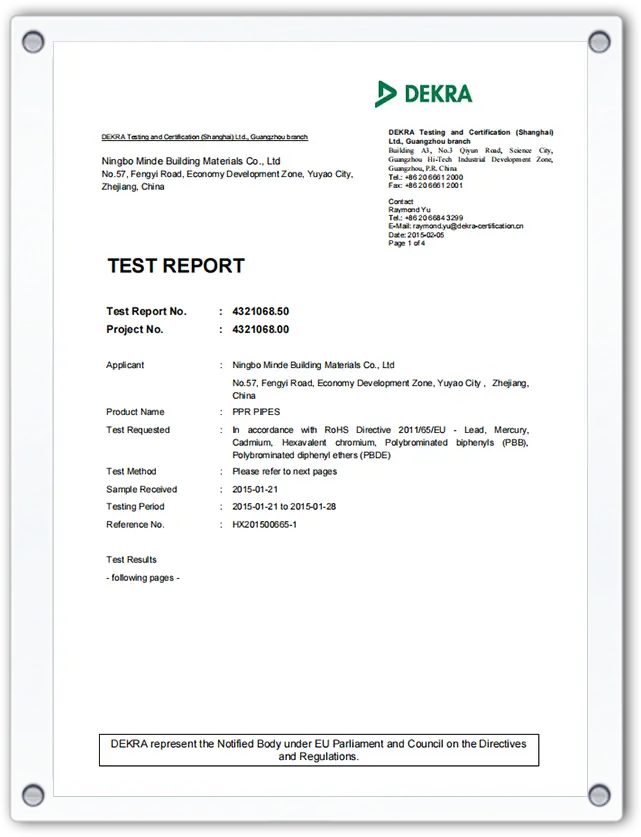
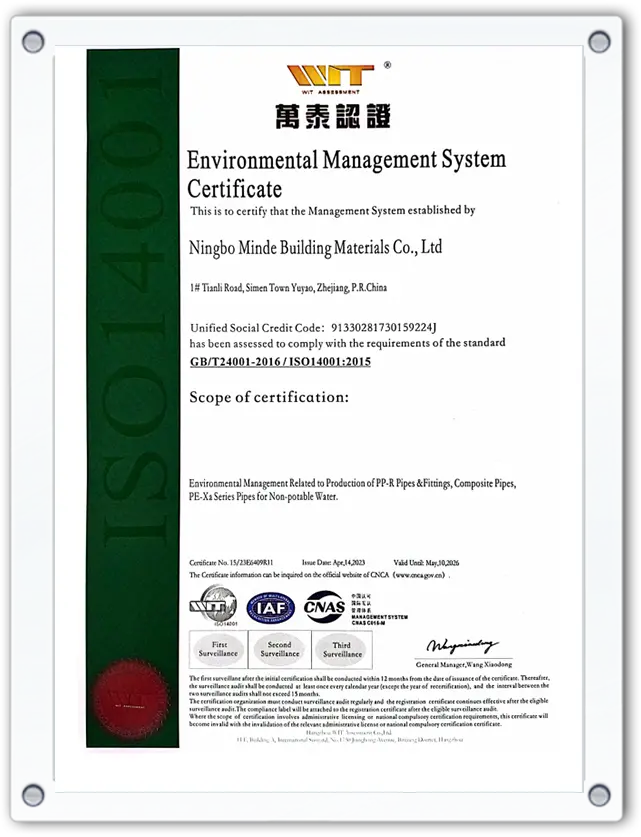
ISO 9001:2022 certified manufacturing practices, ensuring consistent batch-to-batch quality.
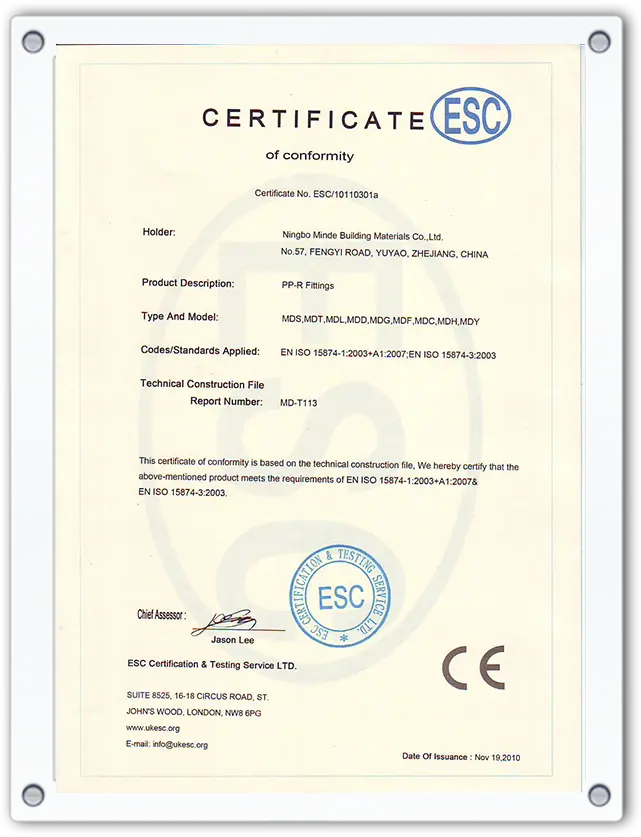
Complies with EU safety, health, and environmental protection standards for building materials.
Approvals from UK WRAS, Russian GOST, and international bodies for safe drinking water installations.
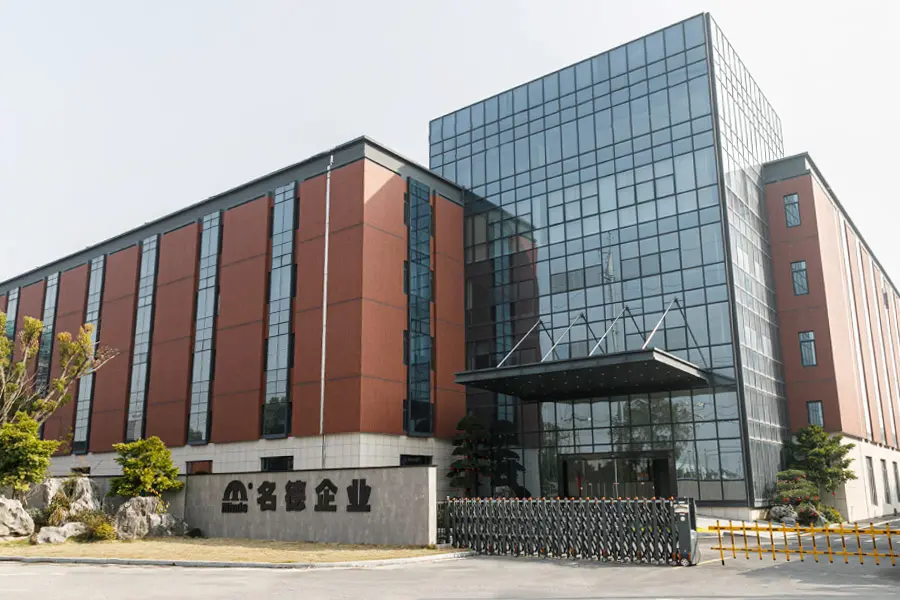

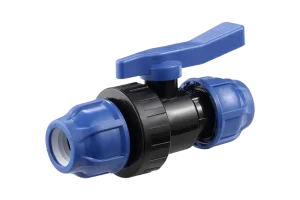
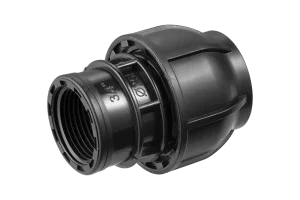
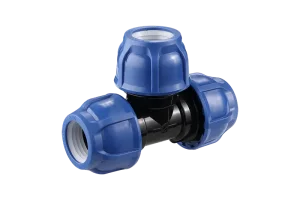
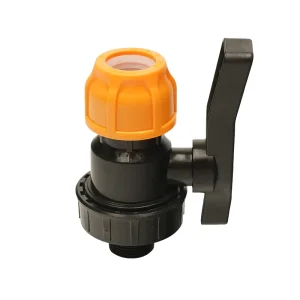
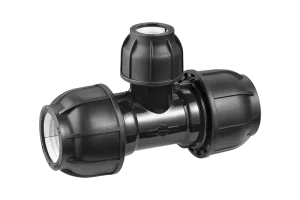
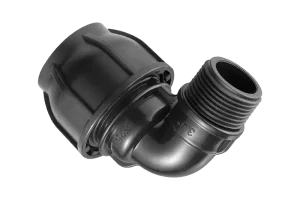
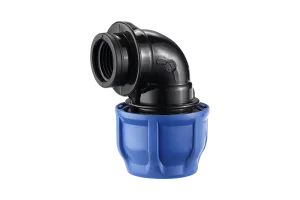
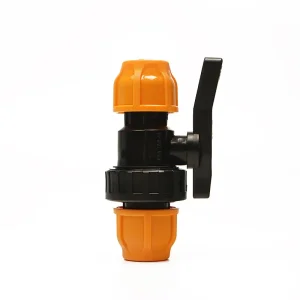
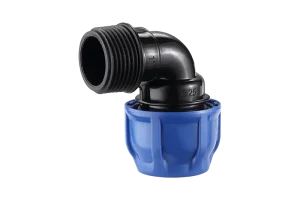
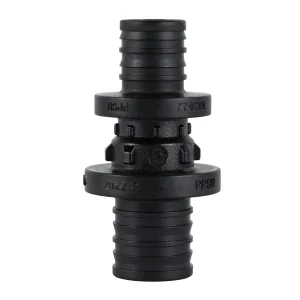
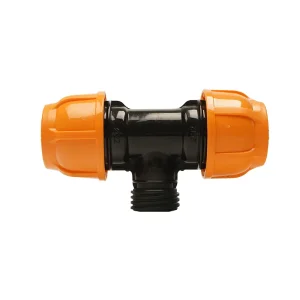
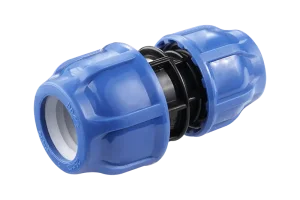
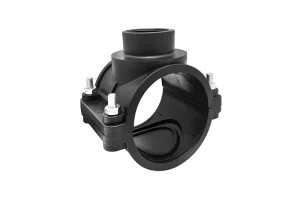
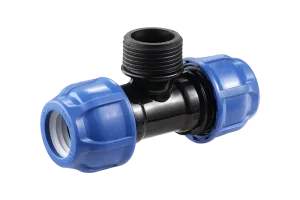
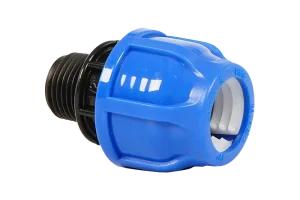
Minde's high-performance PPR and PP compression systems are designed to meet diverse plumbing and heating challenges worldwide.

Technical guidance and installation insights from Minde's engineering department.
Minde PPR pipes are engineered for a service lifespan of over 50 years. Under typical residential operating conditions (temperatures up to 70°C and dynamic pressures under 1.0 MPa), our random copolymer structure resists oxidation and degradation, outlasting conventional metal alternatives.
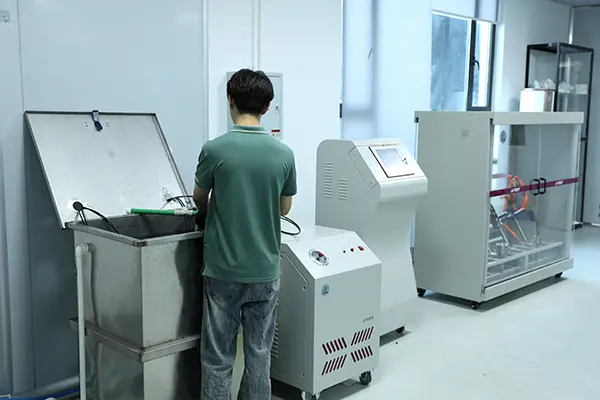
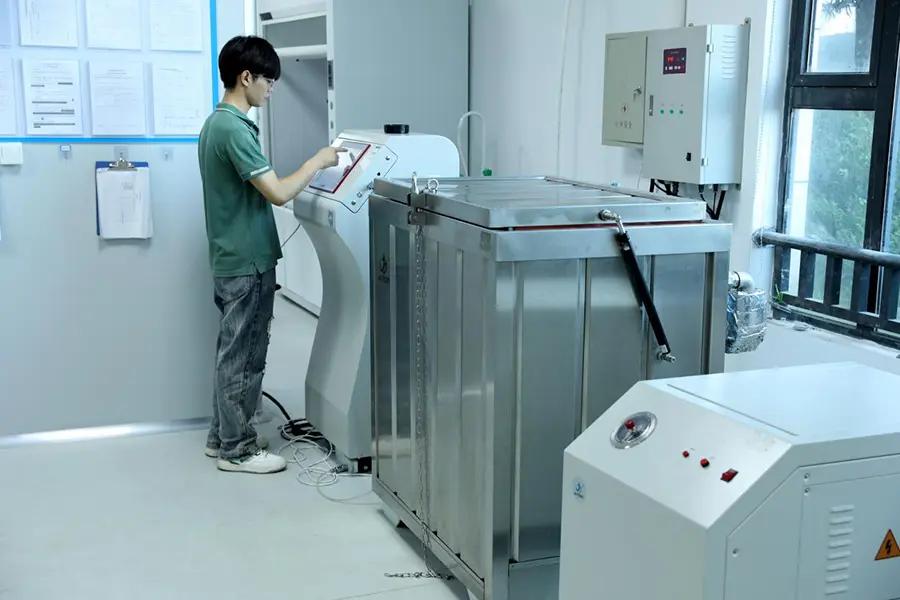
We implement a strict three-stage Quality Assurance protocol: testing raw materials upon arrival, conducting online monitoring during manufacturing, and performing physical pressure tests on finished batches. With 45 automated extrusion lines and 85 injection molding machines, our processes are standardized to deliver consistent quality across bulk shipments.
Polyphenylsulfone (PPSU) offers exceptional chemical resistance and high hydrolytic stability, eliminating the risk of corrosion or lime buildup. PPSU is also completely lead-free, ensuring compatibility with drinking water standards and offering a lighter, more cost-effective alternative to brass.
Yes, our PP compression fittings are designed to connect directly with standard HDPE pipes. Rated for PN16 pressure, these fittings feature a high-torque mechanical grip and high-performance O-rings, providing a secure, leak-proof seal without the need for specialized welding tools.
Thanks to our proximity to the major shipping ports of Ningbo and Shanghai, Minde offers efficient logistics coordination. Once customized designs are approved, standard container orders are typically completed and loaded for sea transit within 20 to 30 business days.
 Minde
Minde