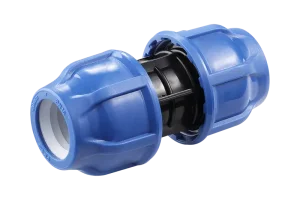
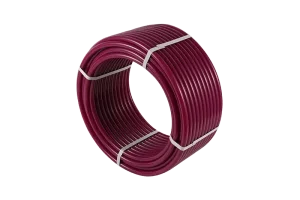
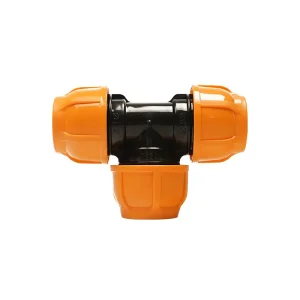
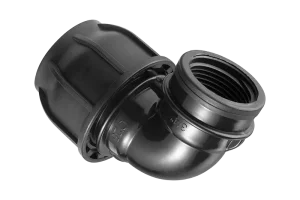
In modern civil engineering, MEP design, and industrial piping operations, the conveying of high-temperature potable water demands structural components capable of withstanding persistent thermal stresses. Polypropylene Random Copolymer (PP-R Type 3) represents the pinnacle of thermoplastics utilized in domestic hot water systems, sanitary heating, and underfloor thermal distribution layouts.
Unlike metallic conduits that are susceptible to galvanic corrosion, scaling, and pinhole leaks, or low-tier polymers that suffer rapid mechanical degradation under constant thermal load, PP-R maintains a high crystalline stability. By utilizing random ethylene-propylene copolymerization, the material combines the natural rigidity of polypropylene with the elastic flexibility of ethylene, mitigating the risk of brittle fractures at higher temperatures.
The global HVAC and plumbing market is increasingly shifting from single-layer PPR to multi-layer composite configurations. Incorporating a fiberglass core or an EVOH (Ethylene Vinyl Alcohol) oxygen barrier layer minimizes linear thermal expansion by up to 75%, matching the stability parameters of traditional copper lines while remaining easy to install.
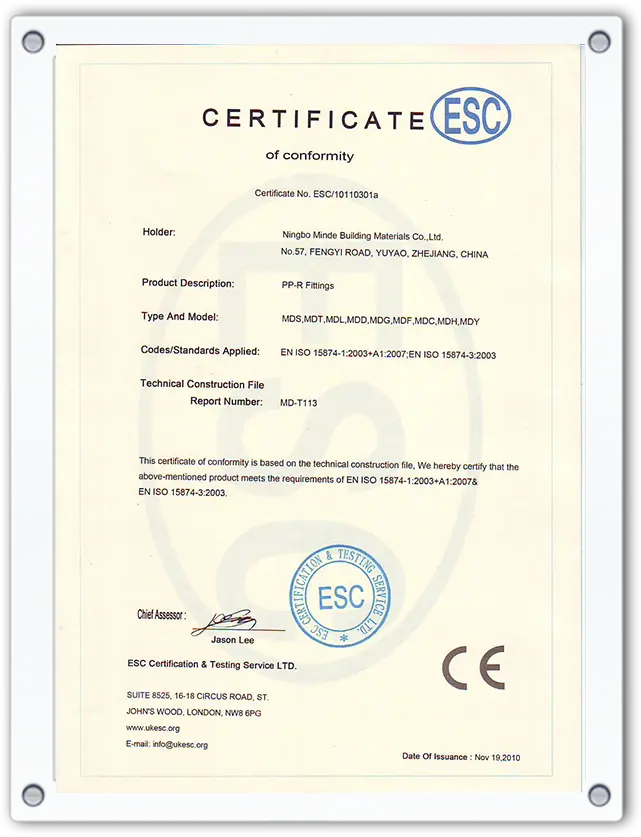
Governments worldwide are tightening regulations regarding heavy metal leaching in drinking water. Our lead-free, non-toxic raw materials comply with stringent European and global safety requirements, including CE, WRAS, and GOST certifications, ensuring zero chemical migration into potable water.
Large distributors and mechanical contractors require customized pipe profiles, custom branding, and varying color schemas (e.g., green, grey, blue, white) to differentiate in local markets. Flexible OEM and ODM pipelines allow scaling from design to bulk container loading with optimized lead times.
In selecting pipes for hot water supply, the Standard Dimension Ratio (SDR)—representing the ratio of the outer diameter to the wall thickness—is the primary variable. The most robust configurations for high-temperature service are SDR 6 (PN20 / PN25) and SDR 7.4 (PN16). Below is an engineering comparison matrix:
| PPR Class / Series | SDR Rating | Wall Thickness (For OD 32mm) | Max Operating Temp (Continuous) | Max Pressure Rating (at 70°C) | Primary Application Profile |
|---|---|---|---|---|---|
| PN16 (S 3.2) | SDR 7.4 | 4.4 mm | 70 °C | 1.0 MPa | Moderate Hot Water Supply, Heat Pumps |
| PN20 (S 2.5) | SDR 6.0 | 5.4 mm | 80 °C | 1.25 MPa | Central Domestic Hot Water distribution |
| PN25 (S 2.0) | SDR 5.0 | 6.5 mm | 95 °C (Peak) | 1.5 MPa | High-temperature industrial processing, radiator connections |
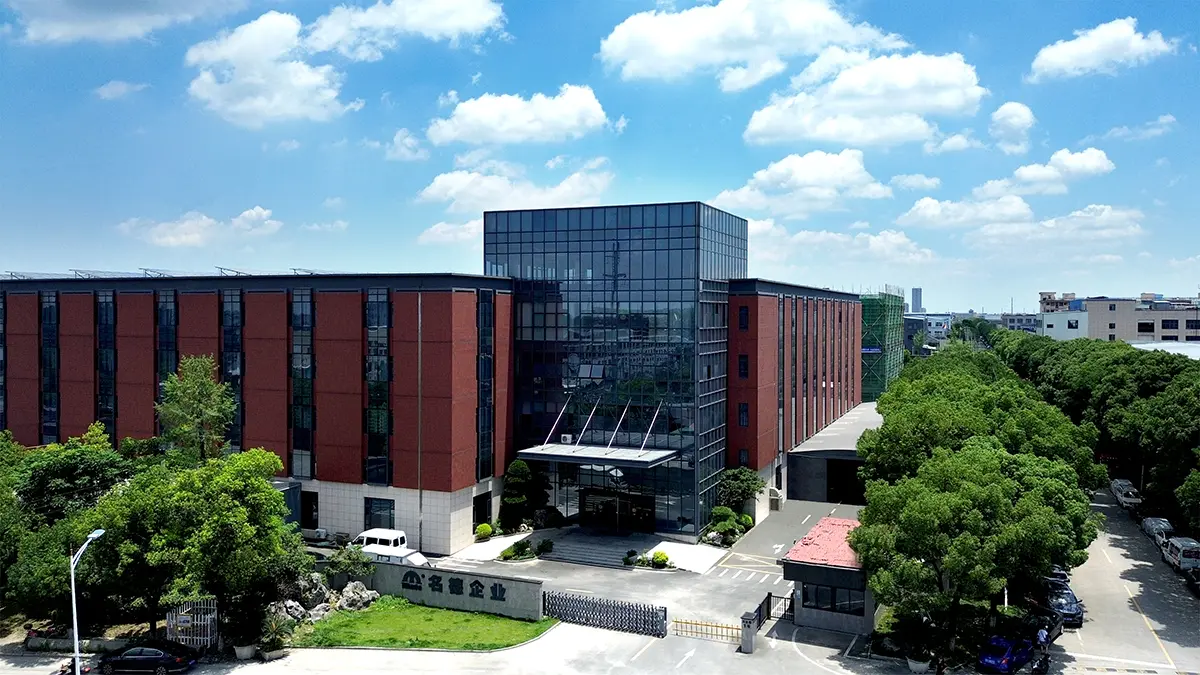
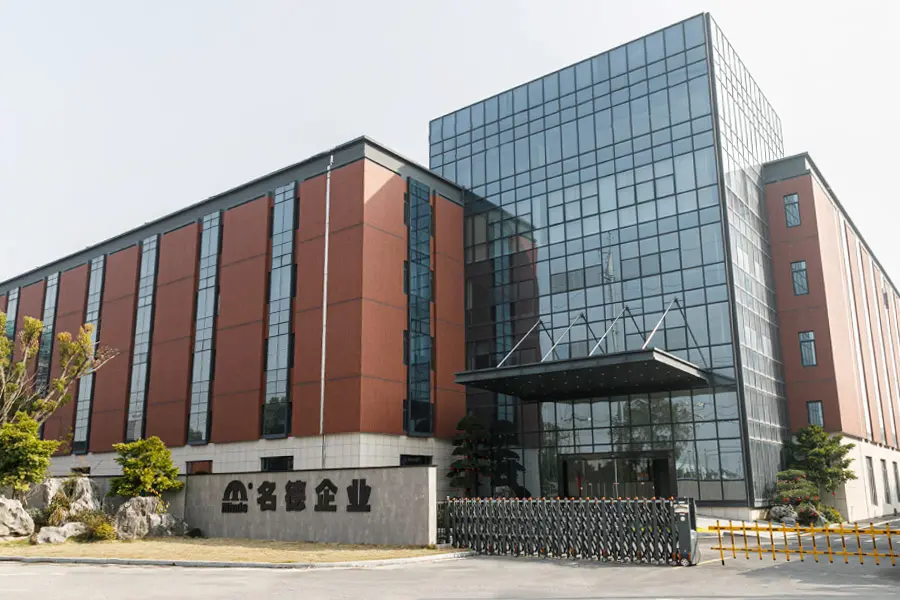
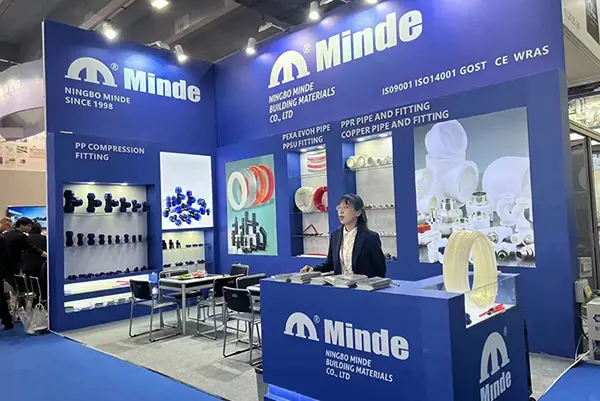
We are Ningbo Minde Building Materials Co., LTD., from Zhejiang Province, China. We are a factory specializing in the production of plastic pipes and fittings. Our products are widely used in residential water supply, agricultural irrigation, and underfloor heating systems. We have more than 20 years of experience in this field, providing high-quality products and efficient solutions for water supply systems.
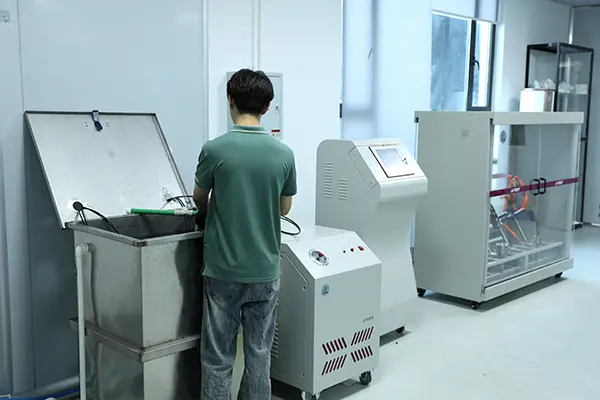
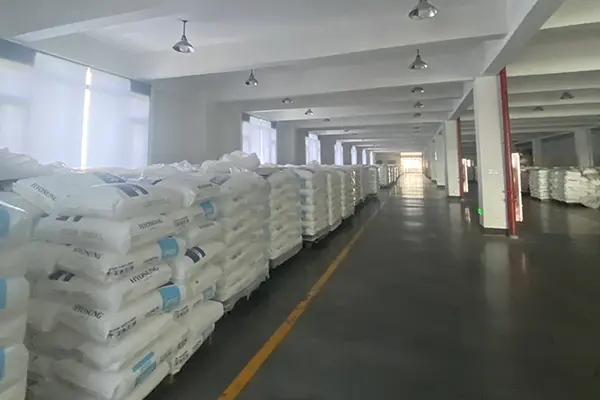
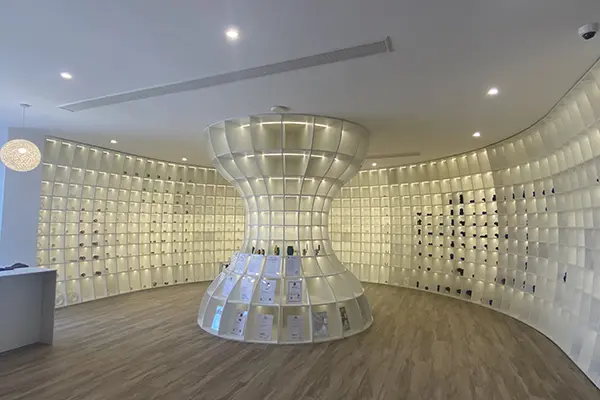
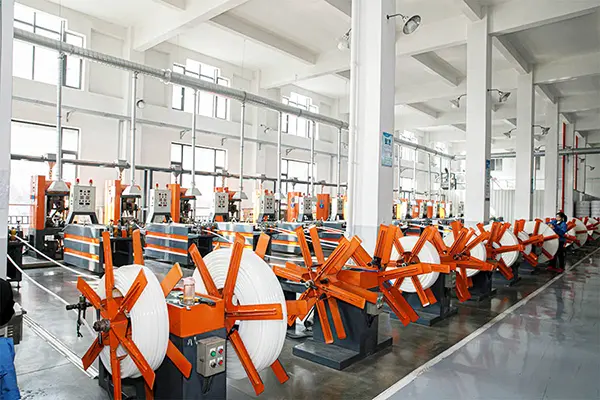
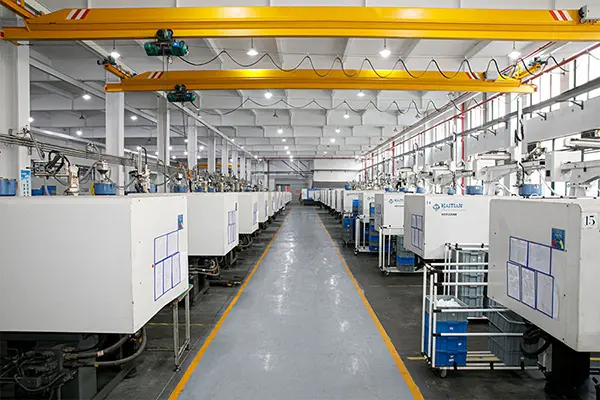
To provide households with environmentally friendly and high-quality pipes, MINDE uses high-quality imported raw materials. The company has 45 pipe production lines, a complete feeding system, 85 injection molding machines, and advanced testing equipment. To ensure 100% excellent quality, MINDE has set up three inspection points for product inspection and quality control: raw material inspection, process inspection, and product inspection. The company covers an area of more than 90,000 square meters, with more than 200 employees and a group of excellent technical backbone management personnel.
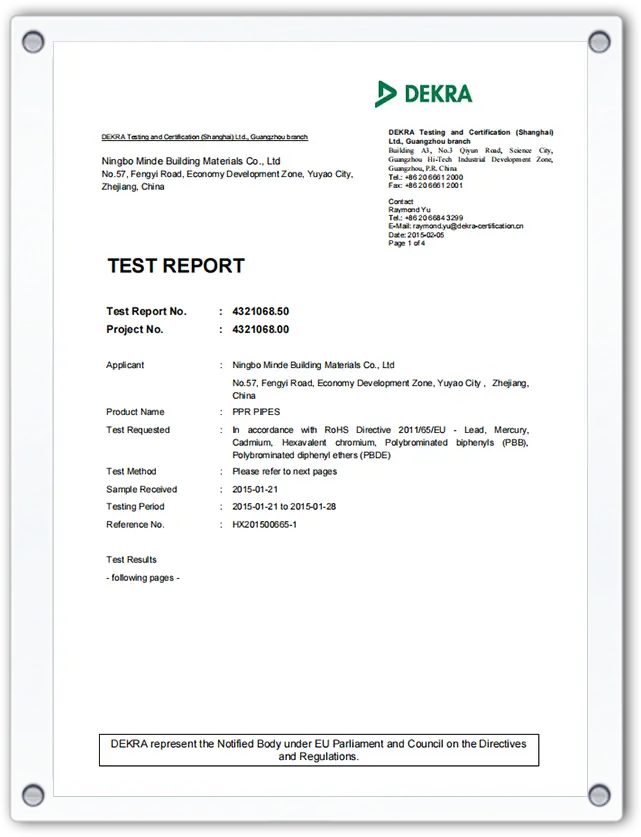
Our facility in Ningbo maintains a rigorous Quality Assurance framework, ensuring that every batch of pipes and fittings meets international engineering standards. We verify all manufacturing processes, from virgin pellet input to final pressure testing.
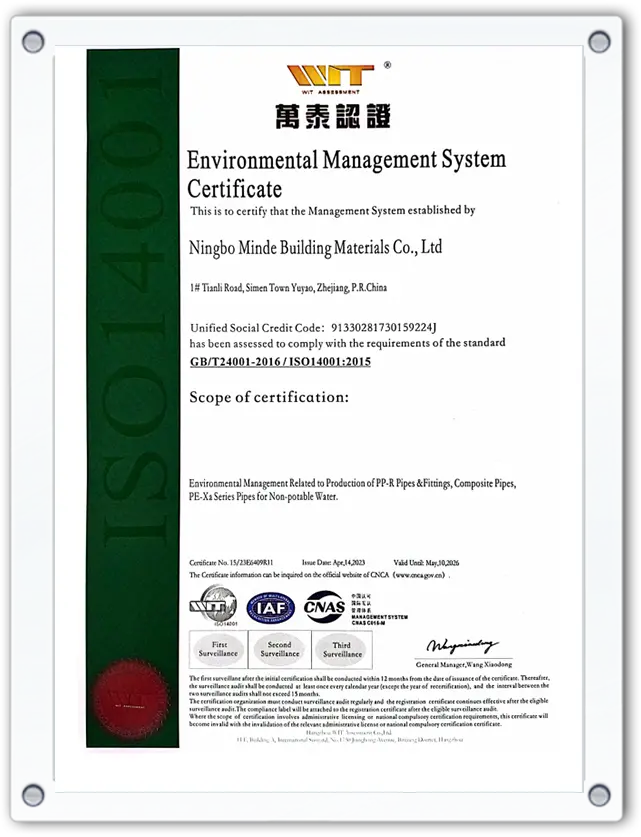
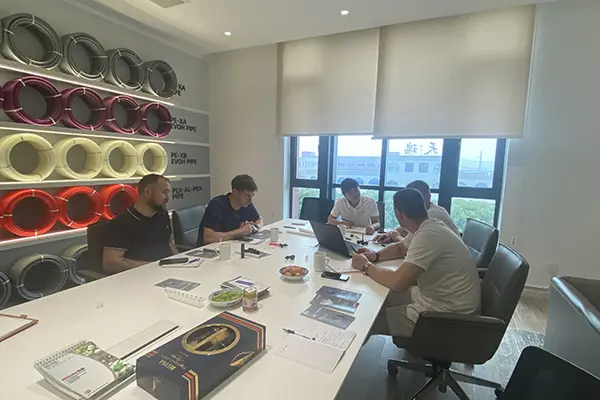
With high quality and high efficiency, the company has passed ISO9001:2022, ISO14001, CE, British WRAS, Russian GOST and other certifications. Products are exported to Russia, Ukraine, Southeast Asia, South America, the Middle East and other more than 50 countries.

To maintain competitiveness in the plumbing and municipal piping sector, MINDE's engineering department focuses on product innovation and material research:
By integrating a nucleating agent, we modify the crystalline structure of the PPR polymer chain from alpha to beta crystals. This allows pipes to achieve the same pressure resistance with thinner walls, increasing flow rate by up to 20% while saving raw material weight.
For food-grade and critical medical water installations, we co-extrude an inner composite layer infused with active silver ions. This design inhibits bio-film formation and bacterial multiplication inside hot water piping, maintaining sanitary standards over the system's lifetime.
100% of our production off-cuts are fed back into non-potable agricultural pipe lines, minimizing our environmental footprint. Our hot water supply systems are fully recyclable, helping green builders achieve LEED and BREEAM certifications.
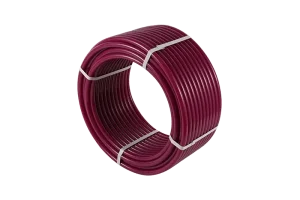
PPR hot water pipes (typically PN20 and PN25, SDR 6) are engineered for continuous operational temperatures up to 70°C with a service lifetime exceeding 50 years. They can withstand peak temperatures of 95°C for shorter periods, making them suitable for domestic boiler outputs and heating system integrations.
Pure PP-R has a thermal expansion coefficient of approximately 0.15 mm/mK. For hot water applications with long pipe runs, we recommend our fiberglass composite PPR lines (PPR-FB-PPR), which reduce thermal expansion to 0.035 mm/mK. Expansion loops and proper placement of anchor points are also recommended.
Every production batch undergoes a three-step quality control process: dimensional verification using ultrasonic scanning, hydrostatic pressure testing at 20°C and 95°C (DIN 8078 protocols), and melt flow index matching. This ensures 100% leak-proof reliability for all shipments.
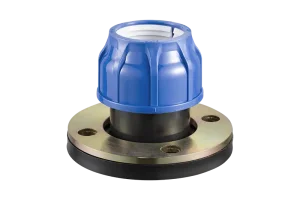
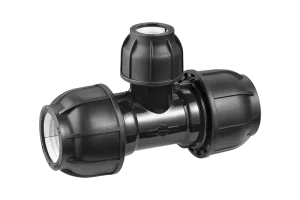
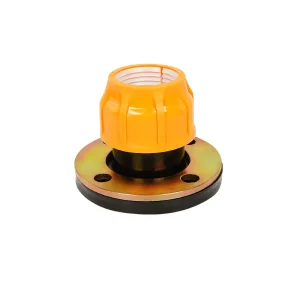
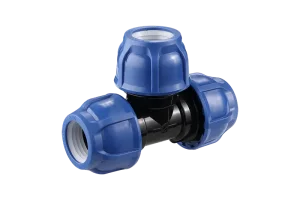
Yes, our range of products includes male and female threaded brass-insert fittings, transition flanges, and compression adaptors. These fittings enable reliable integration with boilers, pumps, valves, and existing copper or galvanized steel lines.
 Minde
Minde