Premium ISO & CE certified piping products directly from our modern factory production lines.
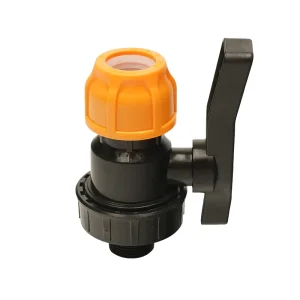
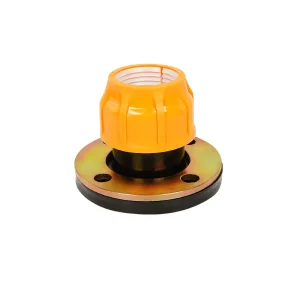
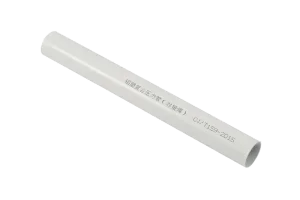
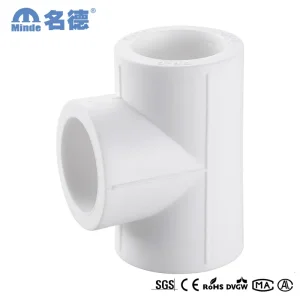
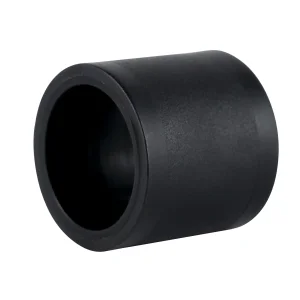
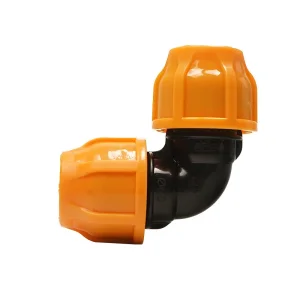
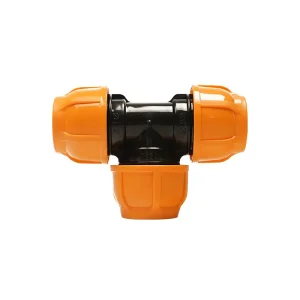
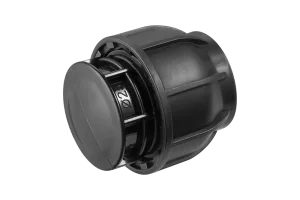
Comprehensive overview of Random Copolymer Polypropylene systems, global deployment trends, and quality benchmarks.
Polypropylene Random Copolymer (PPR) pipes have reshaped global water conveyance technology over the past two decades. As traditional metal pipes like copper and carbon steel face pricing volatility and susceptibility to corrosion and scale build-up, modern polymer networks have established a dominant share. From the residential infrastructure of Europe to the sprawling agricultural schemes of South America and the Middle East, PPR is highly valued for its mechanical robustness, non-toxicity, and chemical neutrality.
The global market for PPR pipes is driven by stringent municipal regulations governing lead containment in potable water systems. PPR's resistance to structural decay ensures long-term purity of water supply channels, which directly correlates with the rising demand for safe municipal frameworks in developing economic zones. Furthermore, in commercial industrial HVAC installations and high-temperature waste processing applications, the thermal insulation performance of PPR minimizes thermal energy dispersion, aligning industrial piping processes with international decarbonization goals.
Industrial piping designers specify pipelines using SDR (Standard Dimension Ratio) and PN (Pressure Nominal) metrics. These metrics determine the wall thickness required to sustain dynamic hydraulic stresses across specific temperature envelopes. Standard Classifications such as S5 (PN10) are engineered predominantly for cold-water networks (-10°C to 50°C), whereas S3.2 (PN16) and S2.5 (PN20) networks are deployed for hot-water distribution, radiant heating circuits, and industrial fluid processing.
| PPR Series Class | Nominal Pressure Rating (PN) | SDR Rating | Thermal Envelope | Primary Application Areas |
|---|---|---|---|---|
| S5 Series | PN10 | SDR 11 | -10°C to +50°C | Cold-water mains, agricultural irrigation gravity networks |
| S4 Series | PN12.5 | SDR 9 | 0°C to +60°C | Low-pressure potable lines, air-conditioning condensation loops |
| S3.2 Series | PN16 | SDR 7.4 | -10°C to +75°C | High-pressure water mains, light HVAC circuits |
| S2.5 Series | PN20 | SDR 6 | -10°C to +95°C | Underfloor radiant heating, hot-water lines, boiler connections |
Procuring PPR pipes requires balancing raw material composition with manufacturing tolerances. Standard OEM pricelists are typically influenced by the source of the virgin polymer resins. Industry-leading factories rely on premium imported polymers (such as Borealis, LyondellBasell, or Sabic) to prevent failures linked to poor molecular weight distribution.
Our quality standards dictate that no recycled or inferior secondary polymers are integrated into the extrusion lines. This preserves the material's elasticity, thermal fusion characteristics, and resistance to slow crack growth. Sourcing officers must verify three key verification factors during vendor evaluation: raw material melt flow rates, pipe wall concentricity, and certificate compliance with international criteria such as CE, WRAS, and GOST.
We source only high-grade, virgin polypropylene random copolymers. This ensures chemical stability, prevents structural embrittlement, and maintains clean organoleptic properties for safe drinking water transportation.
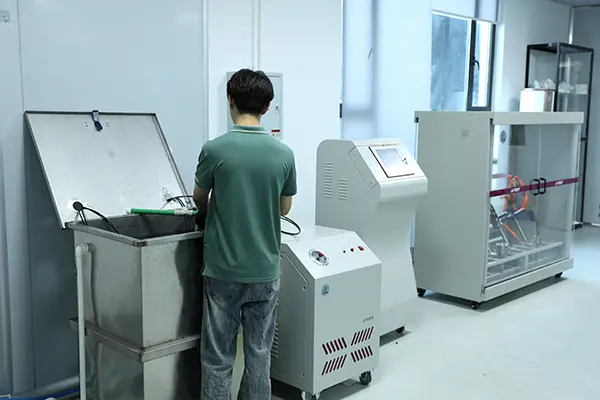
Quality testing is conducted across three stages: raw material validation, online dimensional monitoring during extrusion, and final hydrostatic testing of finished batches at 100% load.
A leading polymer piping and compression fitting manufacturer based in Zhejiang, China.
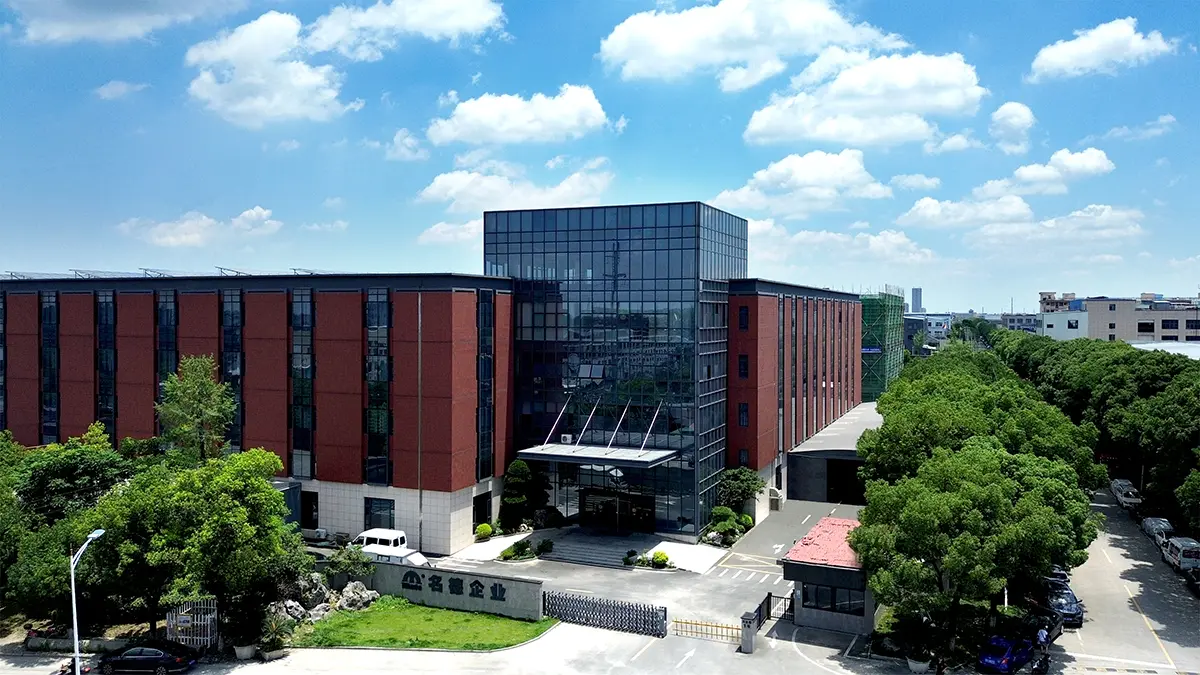
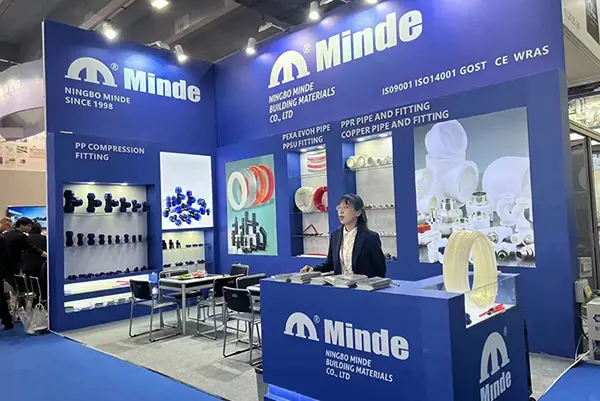
We are Ningbo Minde Building Materials Co., LTD., based in Zhejiang Province, China. We are a dedicated factory specializing in the design, development, and mass production of premium plastic pipes and high-durability fittings. Our products are widely used in residential water supply systems, industrial fluid networks, agricultural irrigation schemes, and underfloor radiant heating setups. With more than 20 years of manufacturing experience, we deliver reliable, high-performance pipeline solutions to clients worldwide.
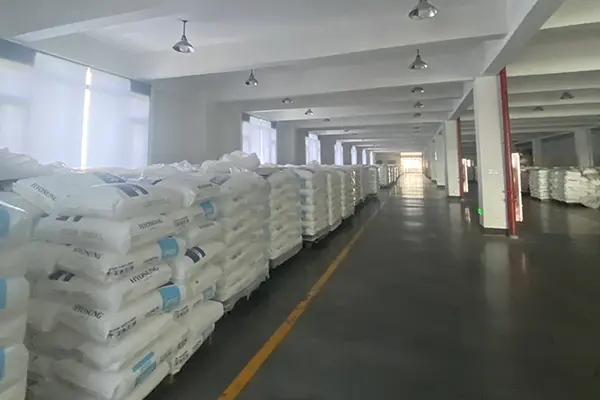
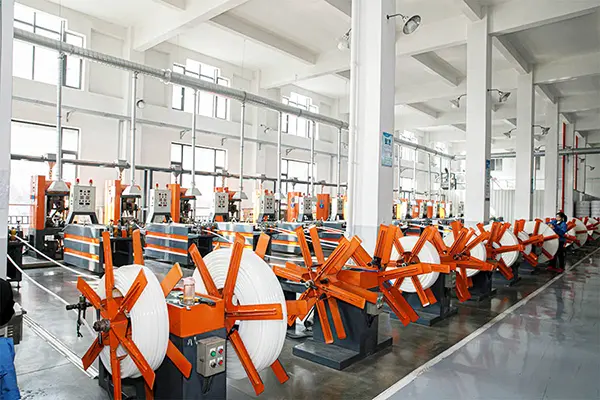
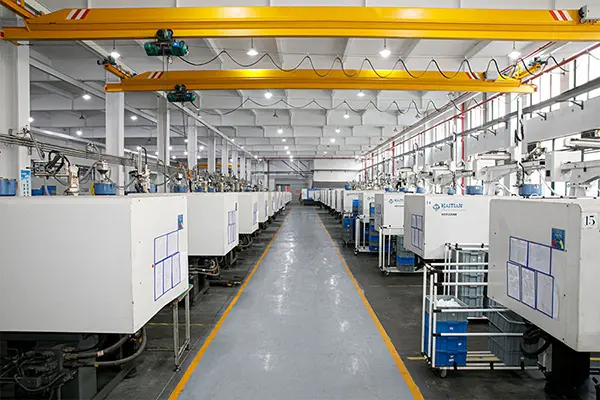
To provide clean, long-lasting piping networks, MINDE strictly utilizes high-quality imported raw materials. Our manufacturing facility spans over 90,000 square meters and houses 45 pipe production lines, a centralized automatic feeding system, and 85 precision injection molding machines. To maintain our standard of quality, we operate three separate inspection checkpoints covering raw materials, in-process production, and finished goods performance, ensuring reliable products reach our customers.
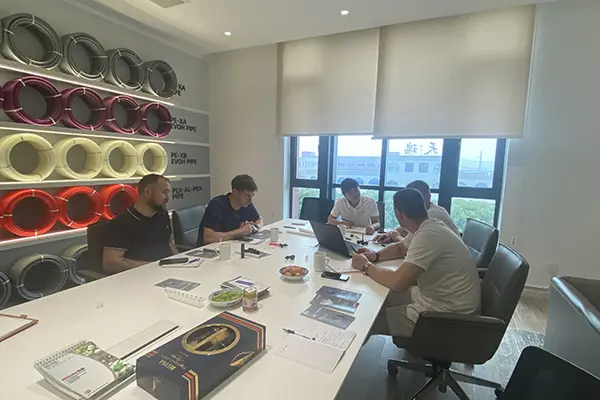
MINDE welcomes strategic partners globally. Our operational principles focus on Innovation, Quality, Competitive Pricing, and Reliable Service. We support brand development with technical assistance and responsive after-sales service, delivering cost-effective piping products to projects around the world.
Our quality management systems conform to global standards, ensuring product reliability for diverse international markets.
Ningbo Minde complies with major regulatory standards for environmental safety and structural load limits, holding certifications including ISO9001:2022, ISO14001, CE, British WRAS, and Russian GOST. We regularly export to over 50 countries, including Russia, Ukraine, Southeast Asia, South America, and the Middle East.
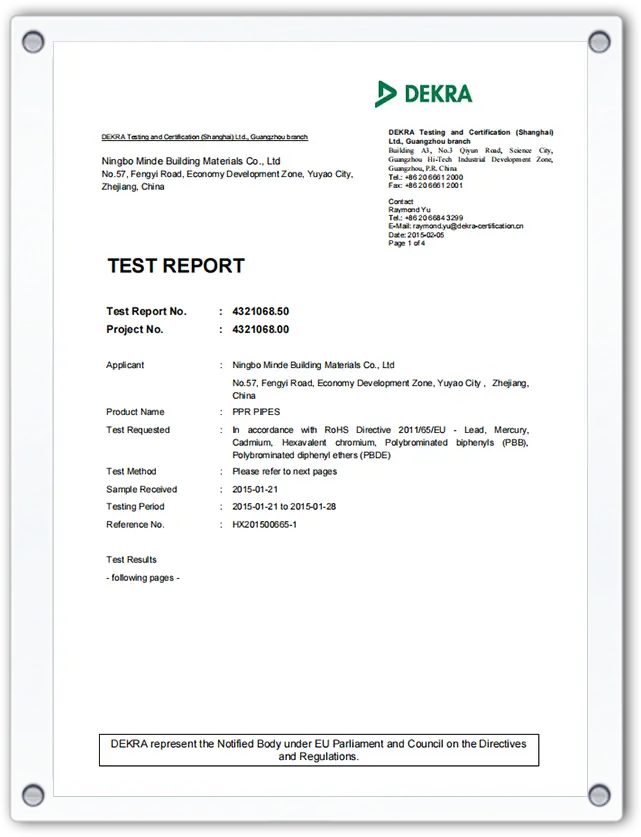
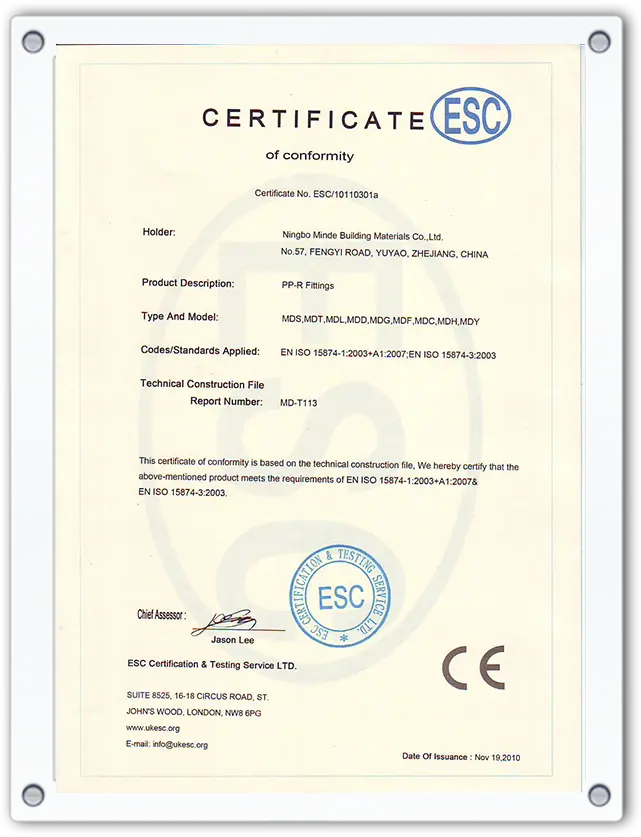
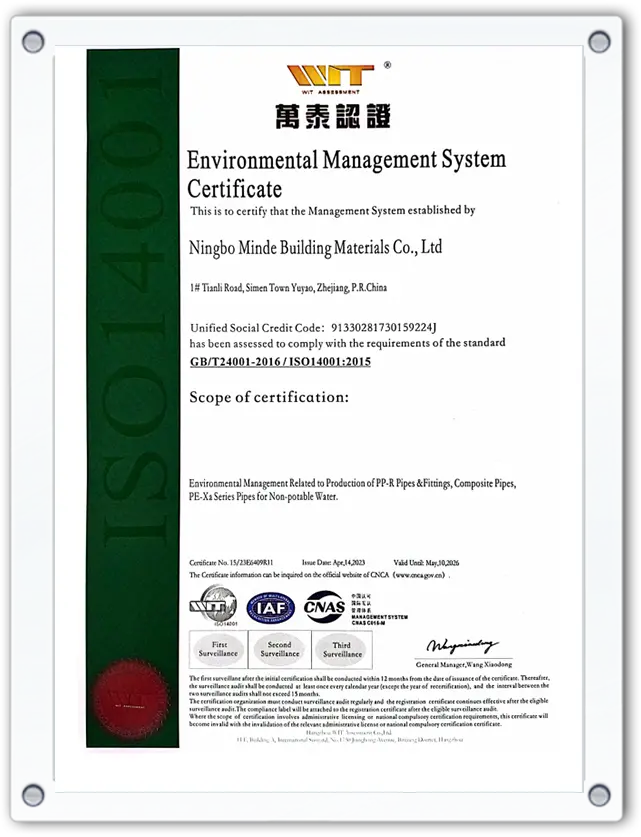
PPR networks provide reliable service across diverse operational conditions.
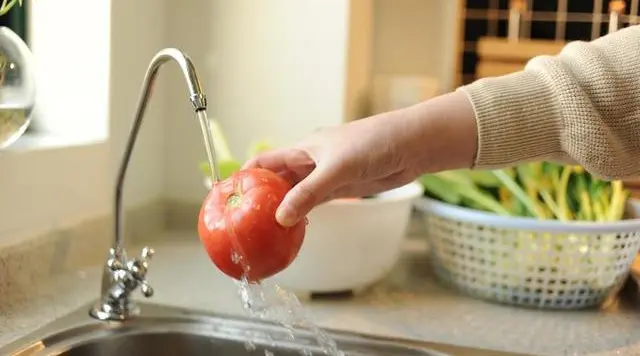
Our WRAS-compliant raw material composition prevents microbial growth and mineral scale build-up, maintaining clean and pure municipal drinking water supply.
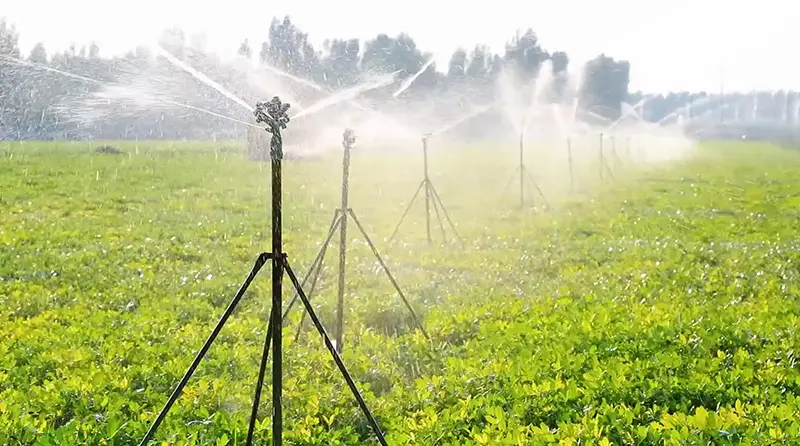
Our UV-resistant polymer formulations and compression fittings withstand mechanical stresses and soil movement in demanding open-field agricultural installations.
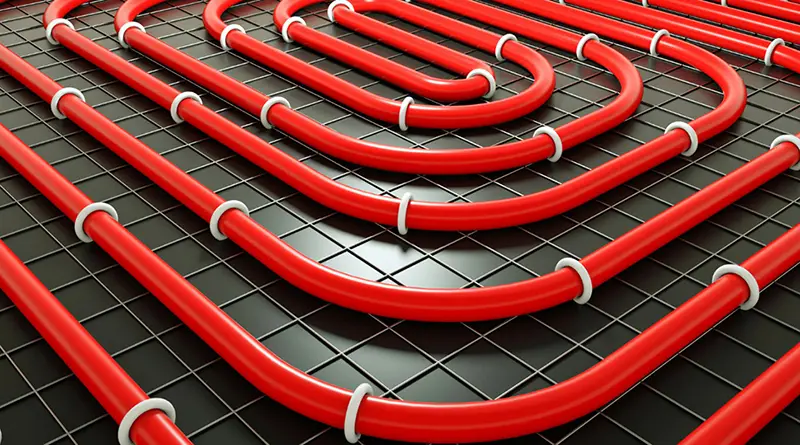
High thermal stability and low coefficient of expansion make our pipes suitable for underfloor hydronic heating loops, operating reliably at elevated temperatures.
Our commitment to material science research shapes our current and future product development.
To meet the demands of modern green building certifications (such as LEED and BREEAM), we focus on continuous engineering improvements:
PP-RCT (Polypropylene Random Copolymer with Modified Crystalline Structure) represents an evolutionary upgrade. Its fine-grained crystalline matrix improves pressure resistance at high temperatures, allowing for reduced pipe wall thicknesses and higher volumetric flow rates.
We are expanding production of multi-layer composite pipes, combining an aluminum barrier or fiberglass core with inner and outer PPR layers. This composite structure reduces thermal linear expansion by up to 75% compared to standard solid-wall polymer pipes.
Our research includes introducing antimicrobial liners that continuously release silver ions. This technology active prevents biofilm formation on internal pipe walls, addressing a key challenge in hospital and food-processing piping systems.
Sustainability shapes our engineering goals. Our PP-R formulations are designed to be fully recyclable at the end of their operational lifecycle, reducing environmental impact compared to non-recyclable alternatives.
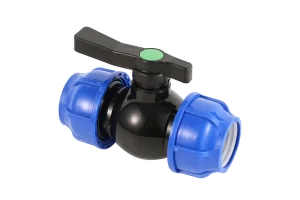
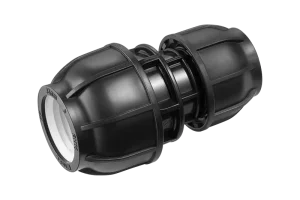
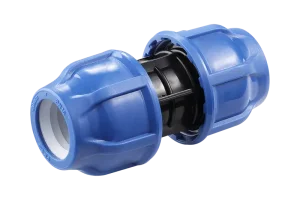
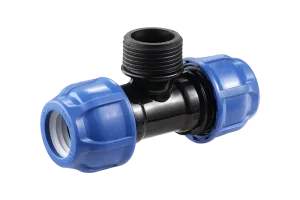
Explore our complete range of high-performance polymer pipes and compression fittings.
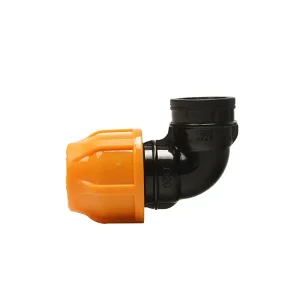
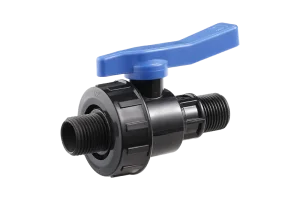
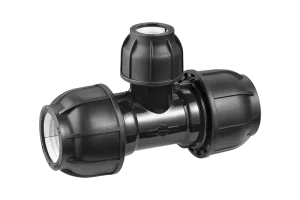
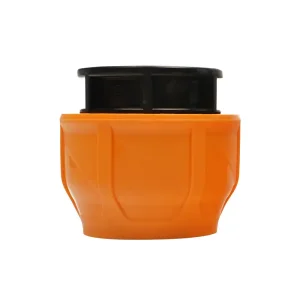
Technical guidance and sourcing information for piping procurement managers.
 Minde
Minde