High-performance engineering solutions tested to exceed international industrial pipeline safety norms.
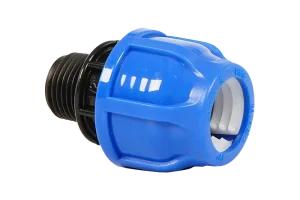
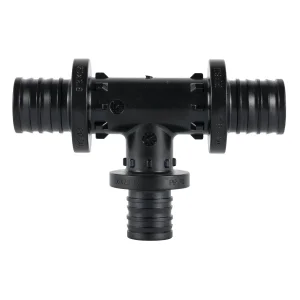
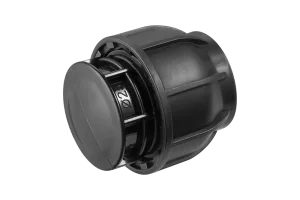
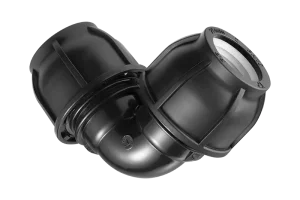
In modern industrial design, mechanical engineering, and civil construction, fluid management systems demand absolute operational integrity. Historically, infrastructure relied on metallic pipeline configurations (copper, galvanized steel, carbon steel) that suffer from calcification, chemical corrosion, scaling, and high thermal dissipation rates. Over the past three decades, a structural paradigm shift has occurred, moving toward advanced polymeric configurations—chiefly Polypropylene (PP), Polyethylene (PE), and Cross-linked Polyethylene (PEX). Under the generic categorization of "Blue Piping Systems," these polymers have established a dominant position in municipal water supply, modern micro-irrigation, and underfloor radiant heating networks.
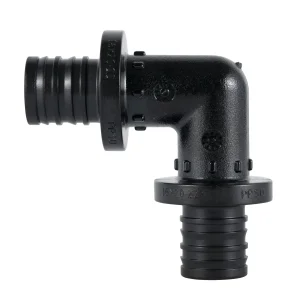
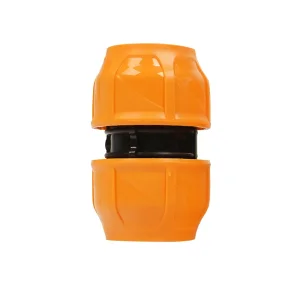
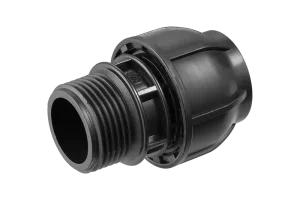
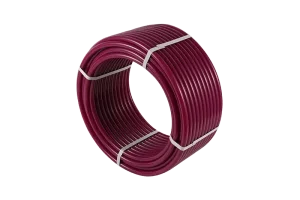
This technical whitepaper examines the design principles, material science, and manufacturing protocols driving this transformation. Specifically, it analyzes high-pressure PN10/PN16 polypropylene (PP) compression fittings, multilayer cross-linked polyethylene (PE-Xa) pipes, and high-performance poly-phenylsulfone (PPSU) fittings manufactured by Ningbo Minde Building Materials Co., LTD. By evaluating raw material parameters, mechanical tolerances, and compliance standards, this document serves as a comprehensive resource for global B2B procurement officers, engineering consultants, and utility project managers.
To understand the structural superiority of Minde’s product range, it is essential to examine the chemical and physical characteristics of the polymers utilized. Each polymer is chosen for specific application environments:
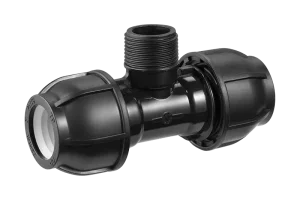
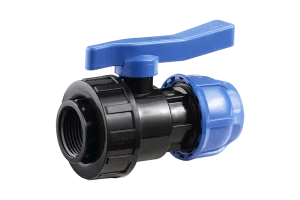
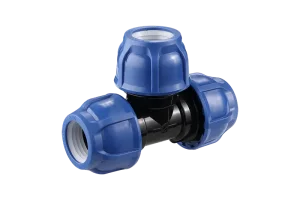
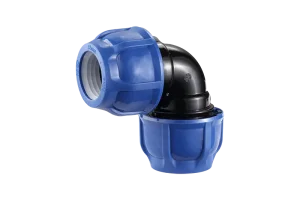
Polypropylene Random Copolymer (PP-R) is a modified polypropylene that introduces ethylene into the polymer chain. This modification enhances the material's impact strength, particularly at low temperatures, and improves its flexibility. In high-pressure applications (PN16 systems), Minde employs high-grade raw polypropylene to manufacture compression fittings. The PP material offers excellent resistance to chemical attack by acids, alkalis, and organic solvents, making it ideal for agricultural chemical injection lines and industrial fluid processes.
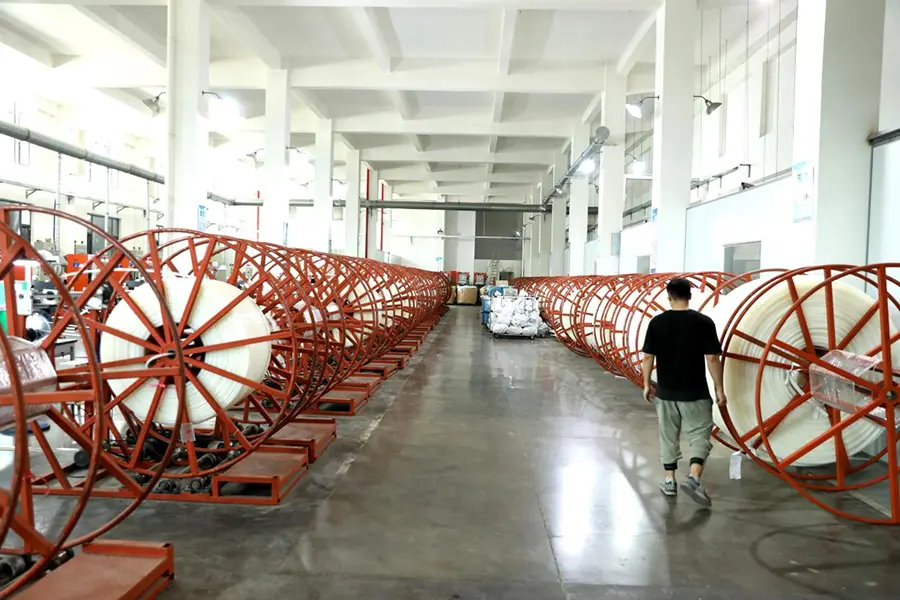
The PE-Xa formulation represents the highest cross-linking grade achieved via the Engel method. In this process, peroxide is added to the HDPE raw material before extrusion, initiating cross-linking during the manufacturing stage. This produces a cross-linking degree exceeding 70-80%, resulting in superior mechanical memory (thermal recovery), high pressure resistance at elevated temperatures (up to 95°C), and exceptional resistance to stress cracking. To prevent oxidation of metallic system parts (boilers, radiators, pumps), the pipes are co-extruded with an Ethylene Vinyl Alcohol (EVOH) oxygen barrier layer, limiting oxygen permeation in compliance with DIN 4726.
For high-temperature and high-impact connection nodes, Poly-phenylsulfone (PPSU) has largely replaced brass fittings in residential plumbing. PPSU is an amorphous high-performance thermoplastic offering high heat deflection temperatures (up to 200°C), outstanding hydrolytic stability, and resistance to repeated thermal shock. It contains no heavy metals or trace lead, satisfying strict global drinking water regulations such as NSF/ANSI 61.
Optimized industrial capacity ensuring supply chain stability and high manufacturing output.
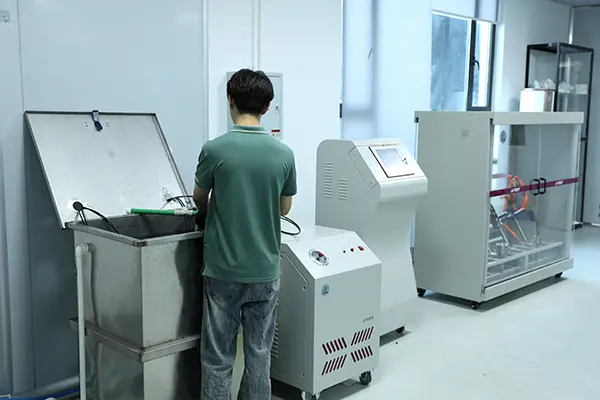
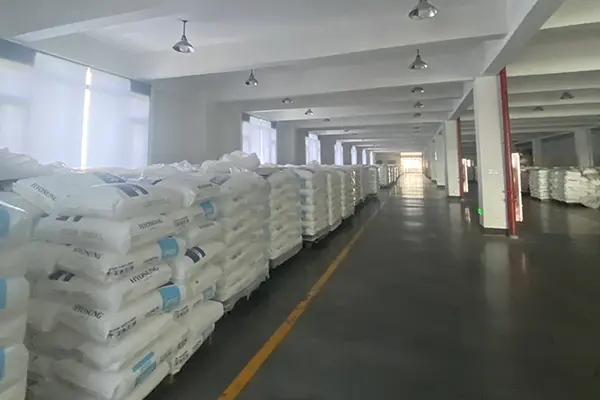
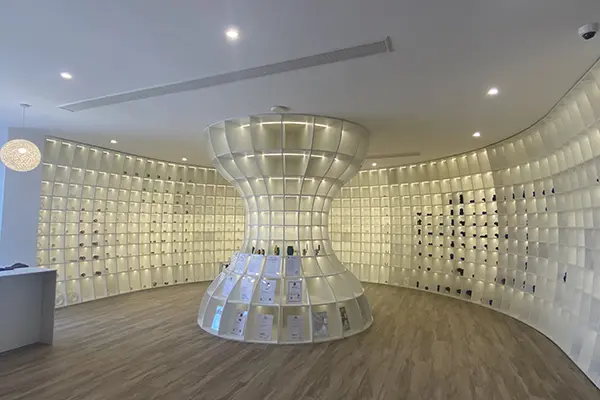
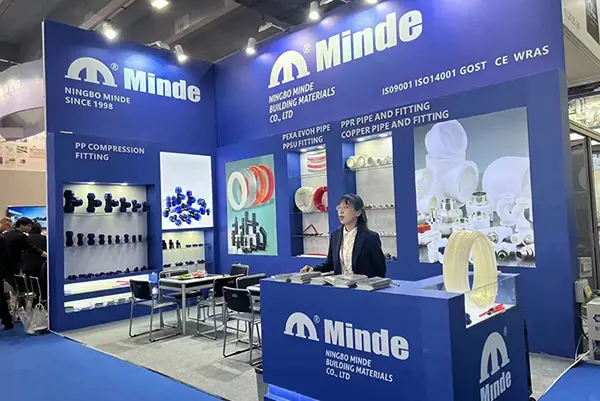
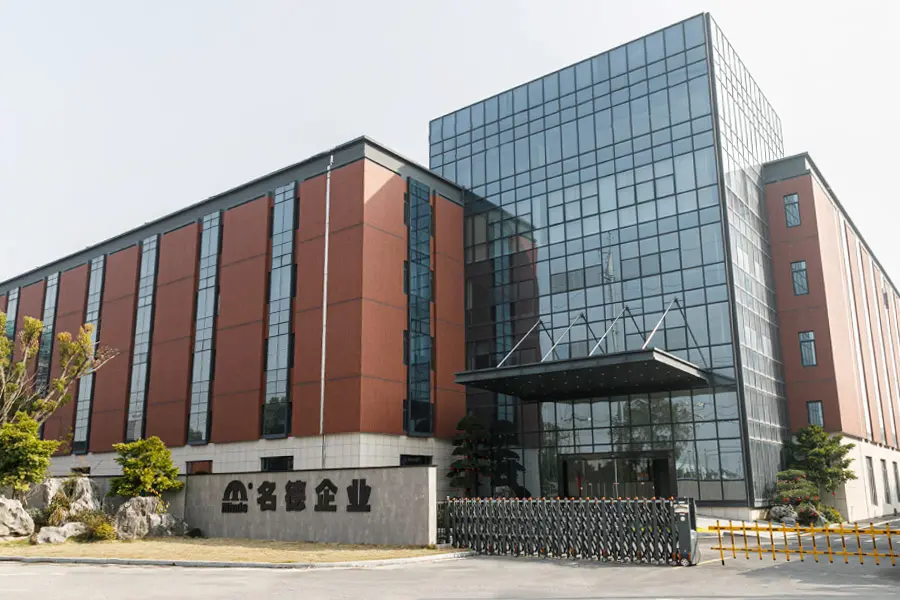
B2B procurement is rarely driven by product parameters alone; it depends heavily on supply chain resiliency, manufacturing scale, and cost structures. Operating out of Ningbo, Zhejiang Province—one of China’s premier maritime export clusters—Ningbo Minde Building Materials Co., LTD. achieves competitive cost structures through vertically integrated manufacturing processes.
1. Raw Material Sourcing: The company relies exclusively on high-performance imported raw materials. This prevents polymer degradation during melting and extrusion, securing consistent physical performance that local recycled materials cannot deliver.
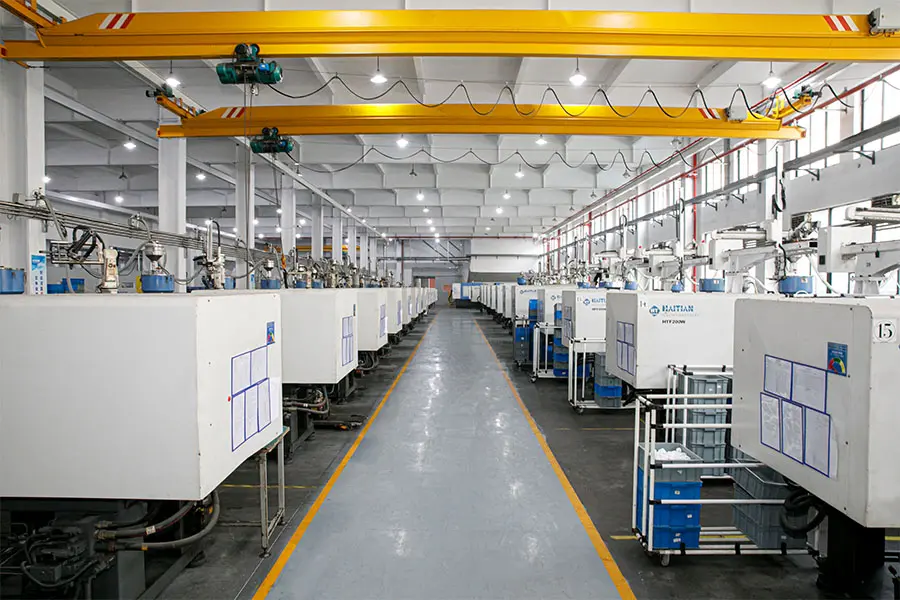
2. Advanced Machinery & Automation: By operating 45 pipe production lines and 85 high-speed precision injection molding machines, Minde minimizes human error through automated resin feeding, parameter tracking, and real-time monitoring. This degree of automation keeps cycle times short and maintains high dimensional accuracy.
3. Three Inspection Points (3IP) QC Protocol: To ensure high quality, Minde implements three distinct quality gates:
| Quality Gate | Testing Protocol | Target Parameters |
|---|---|---|
| Incoming Material Inspection | Melt Flow Index (MFI) test, Density test, Moisture content evaluation | Polymer purity, raw material consistency |
| In-Process Quality Control | Dimensional check (laser diameter meters), continuous wall thickness monitoring | Concentricity, inner/outer diameter compliance |
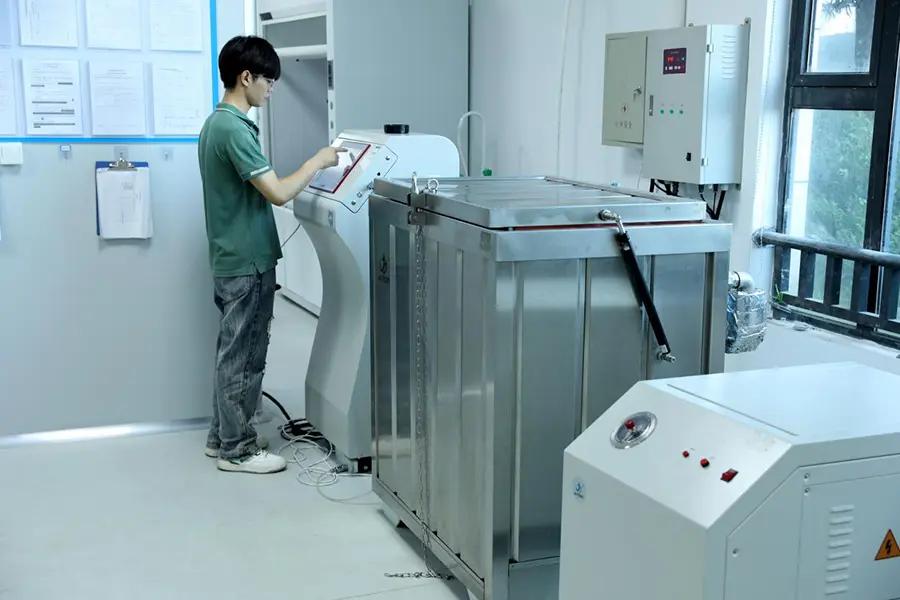
| Finished Product Assessment | Hydrostatic pressure testing (1.5x rated pressure), thermal cycle test, tensile strength tests | Zero-leakage certification, burst pressure threshold verification |
This systematic approach protects against mechanical failures, split-ring slippage, and weld line fatigue, helping the company meet certification standards in over 50 destination countries.
Why mechanical engineers and large infrastructure distributors choose Minde systems.
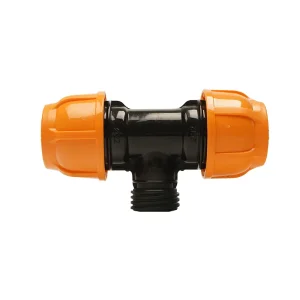
Advanced NBR/EPDM O-rings combined with high-tensile polyacetal (POM) split rings ensure reliable gripping force under high pressure fluctuations, eliminating the risk of pipe slippage.
Designed to operate reliably within a temperature range of -10°C to 50°C for PP compression fittings, and up to 95°C for specialized PE-Xa heating lines.
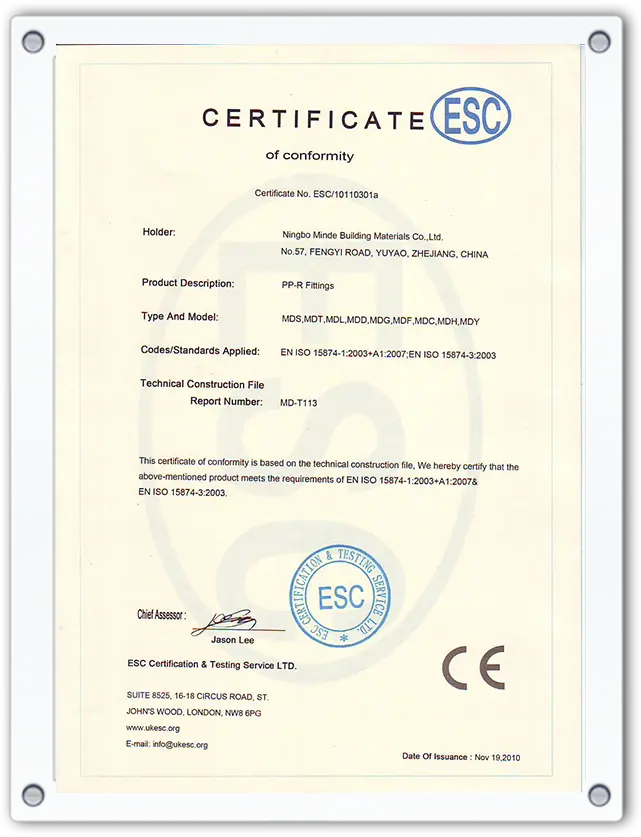
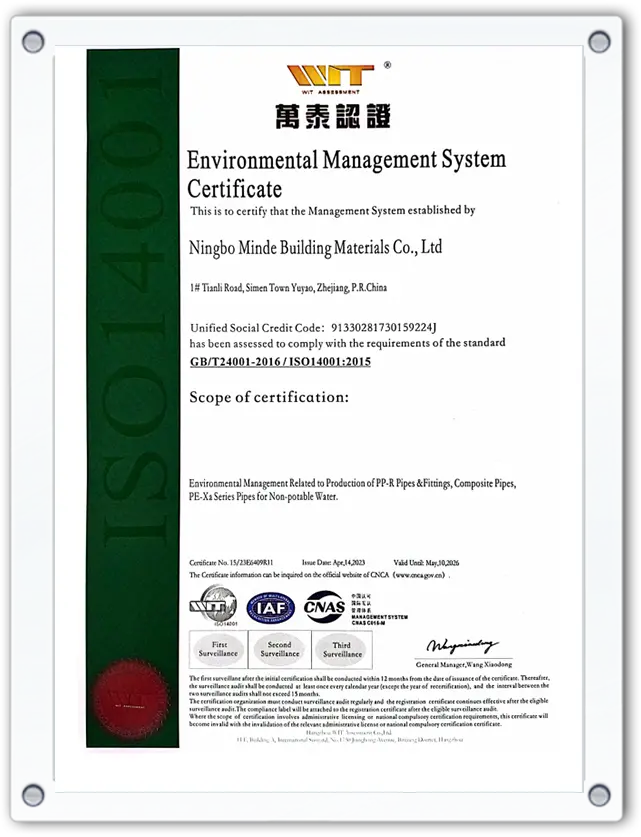
Fully compliant with international industry standards, holding ISO9001:2022, ISO14001, CE, British WRAS, and Russian GOST certifications.
Providing reliable fluid containment across diverse operating environments.
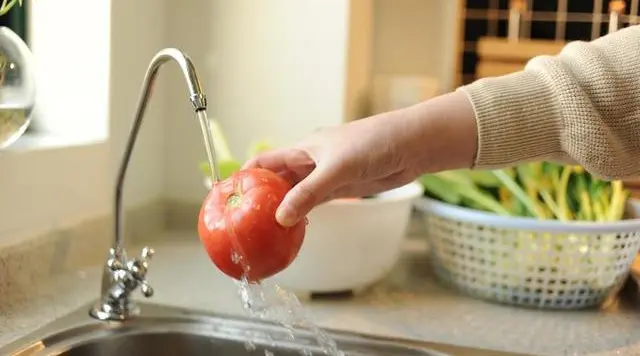
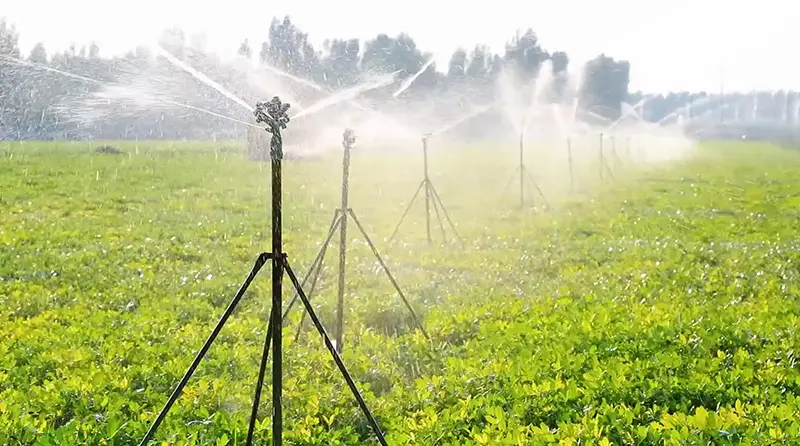
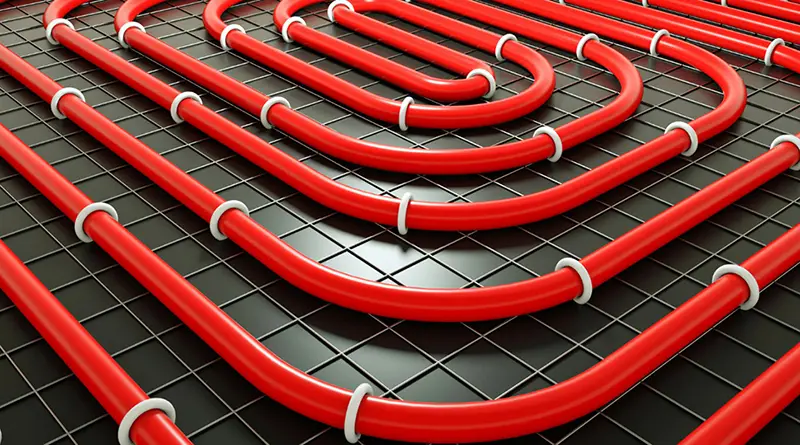
The global piping and fittings sector is undergoing rapid evolution driven by three primary market trends:
Decarbonization and Circular Economy: Project developers now prioritize piping systems that generate low carbon footprints during manufacturing. Polyethylene and polypropylene systems require significantly less primary energy to manufacture than traditional cast iron or copper lines. Their lightweight nature also reduces shipping-related emissions.
Labor Shortages and Quick-Install Solutions: Modern construction schedules are shorter than ever, and qualified mechanical plumbers are increasingly difficult to source. Screw-type compression fittings and PPSU push-fit connectors reduce installation times by up to 60% compared to solvent-cement welding or metal brazing, without requiring specialized installation tools.
Infrastructure Resiliency: Climate change has increased the frequency of severe weather events, freeze-thaw cycles, and seismic shifts. Flexible piping systems (like PE-Xa and HDPE) deform without fracturing, mitigating water damage in shifting soils and extreme cold weather zones.
When selecting a manufacturer for plastic piping components, procurement teams must evaluate key operational criteria beyond unit price:
Tested and certified by international quality agencies for global deployment.
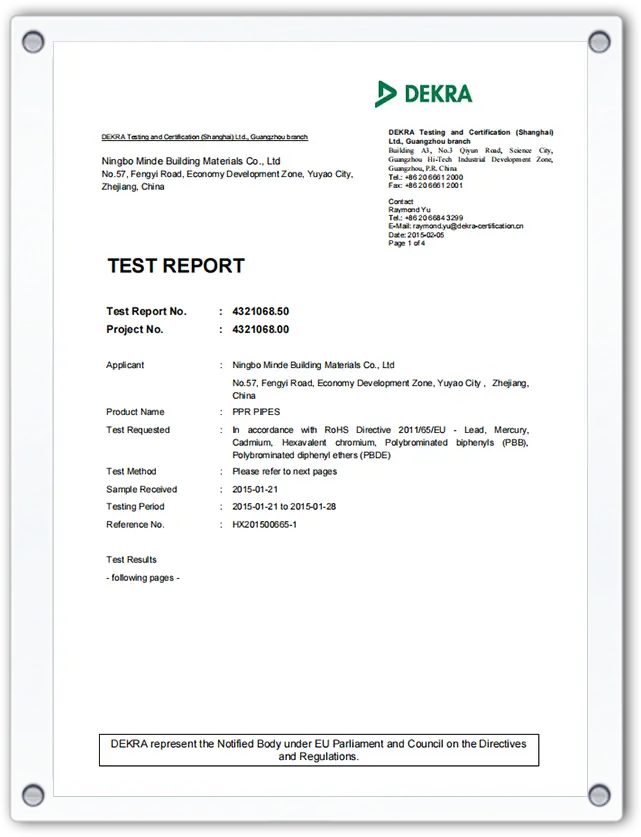

Technical responses to common procurement and engineering inquiries.
Designed for easy installation and reliable performance under high pressure conditions.
 Minde
Minde