Direct from factory sourcing. Engineered to ISO & CE standards for guaranteed structural integrity and leak-proof installation.
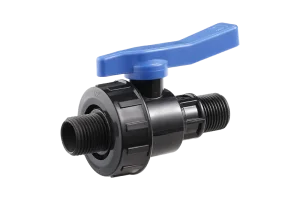
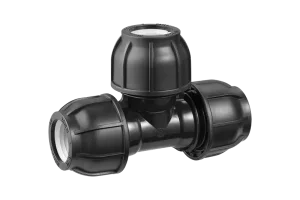
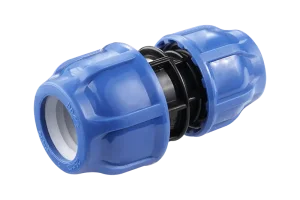
An in-depth look at Polypropylene Random Copolymer flange connections, manufacturing parameters, global procurement standards, and technology trends.
The fluid transport industry has witnessed a monumental transition from traditional metallic systems to lightweight, corrosion-free thermoplastic networks. Among these, Polypropylene Random Copolymer (PPR) has established itself as the leading material for hot and cold water distribution, HVAC chilled water loops, and heavy industrial chemical processing. In larger diameters, the mechanical joining of PPR pipelines requires highly reliable flange connections.
Historically, metallic flanges were prone to galvanic corrosion, pitting, and scale build-up, especially at junction points where dissimilar materials met. Modern PPR flanges eliminate these failure points by utilizing fusion welding to integrate with the main pipe run while employing heavy-duty backing rings (often steel-reinforced or galvanized carbon steel) to distribute structural compression load. The latest innovation trends focus heavily on PPR-CT (Polypropylene Random Copolymer with Crystalline Structure and Temperature Resistance). PPR-CT flanges deliver improved stress-rupture strength, higher pressure capacities at elevated temperatures, and thinner walls, resulting in superior hydraulics and volumetric flow rates.
When sourcing PPR flanges and matched piping components on a commercial scale, engineering and procurement offices look beyond raw pricing. High-specification EPC (Engineering, Procurement, and Construction) operations prioritize absolute standard conformity and raw material traceability. Flange components must precisely match international standard drillings (e.g., DIN 2501 PN10/PN16, EN 1092-1, and ANSI B16.5 Class 150) to enable seamless interfacing with cast iron valves, steel pumps, and other auxiliary systems.
Critical factors evaluated during procurement audits include:
| Material Feature | PPR Flanges (with backing ring) | Carbon Steel Flanges | PVC-U Flanges |
|---|---|---|---|
| Corrosion Resistance | Excellent (Highly inert to acids & alkalis) | Poor (Prone to oxidation & scale) | Very Good (Limited thermal bounds) |
| Operating Temperature | -10°C to +95°C (Long term) | -29°C to +425°C | 0°C to +60°C |
| Jointing Reliability | Homogeneous Fusion (Zero leak path) | Threaded / Welded (High labor cost) | Solvent Cement (Prone to chemical degradation) |
| Weight / Installation Cost | Ultra-lightweight / Fast socket/butt welding | Heavy / High rigging and welding cost | Lightweight / Moderate installation speed |
| Longevity (Water service) | 50+ Years (Maintenance-free) | 15-25 Years (Requires coating/maintenance) | 20-30 Years |
"For piping runs above 110mm, butt-fusion and electrofusion methods represent the industry standard. Flange adapters must feature extended spigot lengths to accommodate the clamping systems of automated welding machines. This minimizes heat dissipation gaps and ensures the mechanical joint exceeds the hoop stress capabilities of the raw pipe."
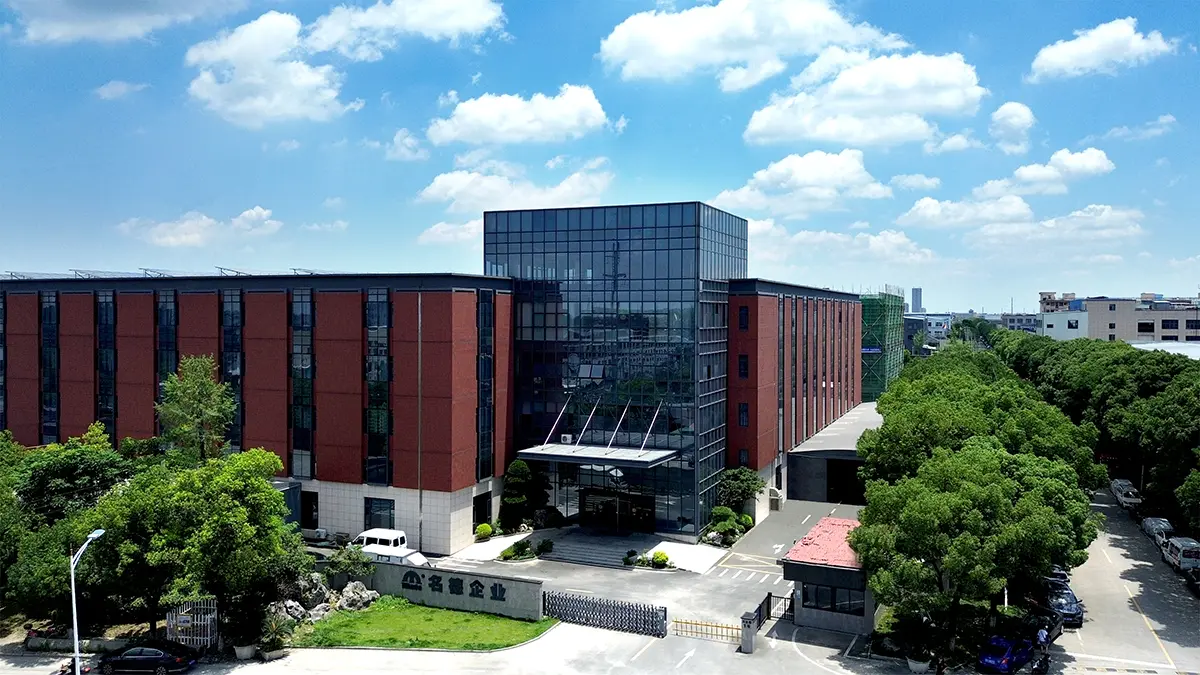
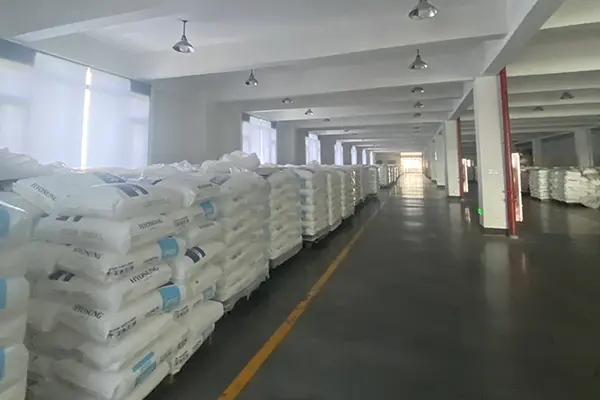
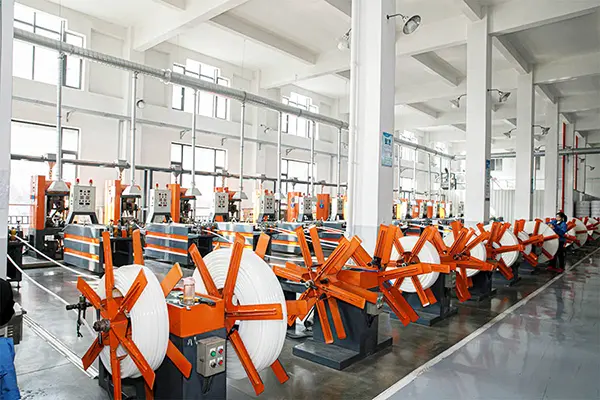
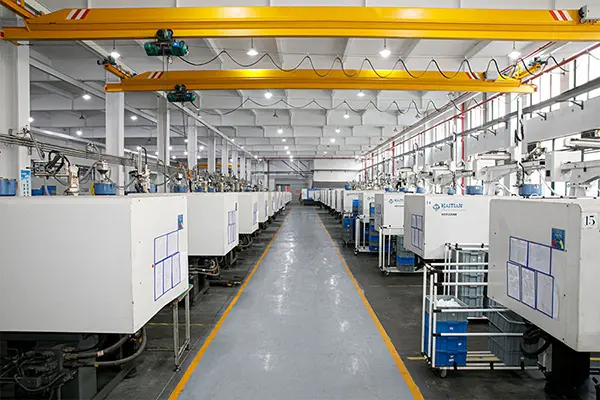
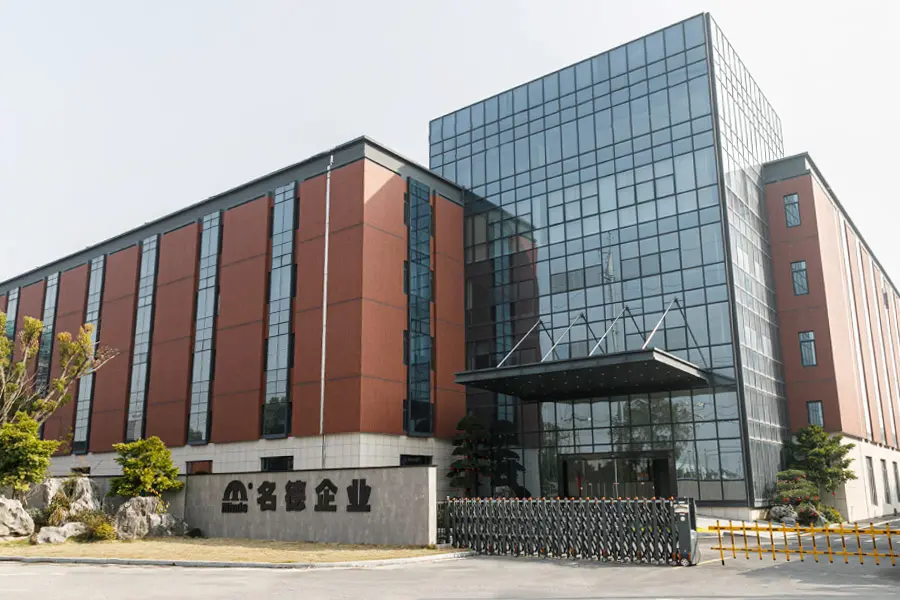
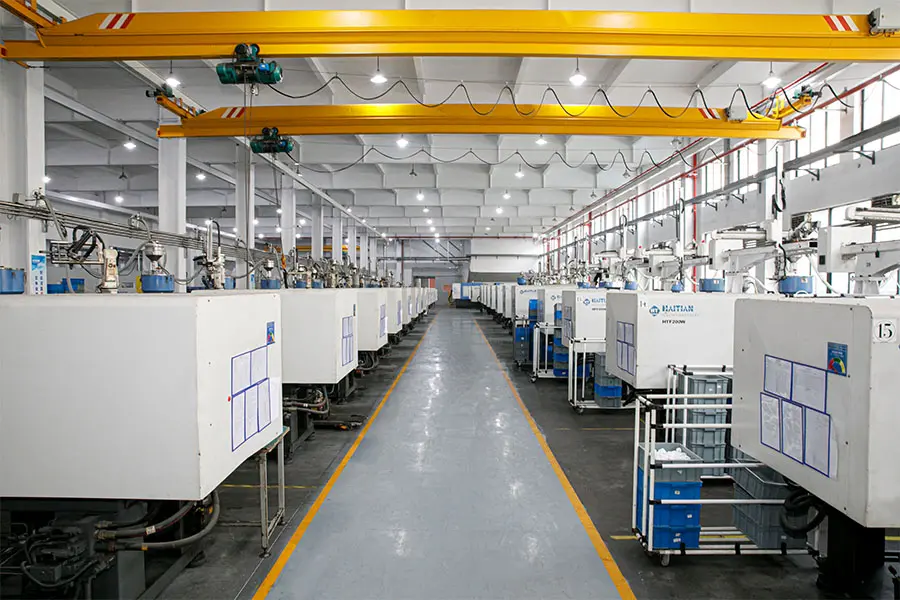
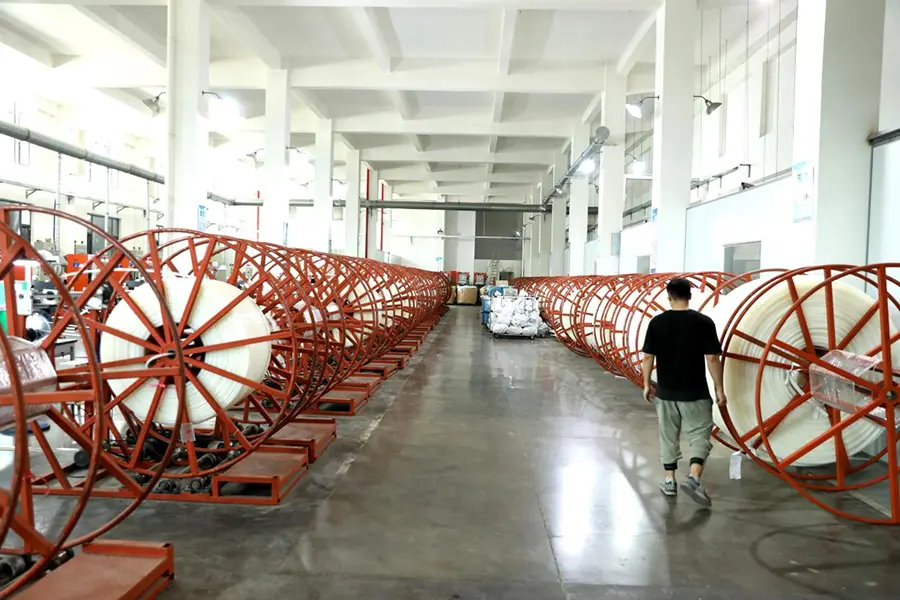
Manufacturing excellence in the modern era relies on digital infrastructure, automated batch tracking, and massive scale. Ningbo Minde Building Materials Co., LTD., located in Zhejiang, China, exemplifies this Factory 4.0 paradigm. Utilizing a state-of-the-art facility spanning over 90,000 square meters, Minde operates 45 fully automated pipe extrusion lines and 85 precision injection molding machines integrated with centralized automatic raw material feeding systems.
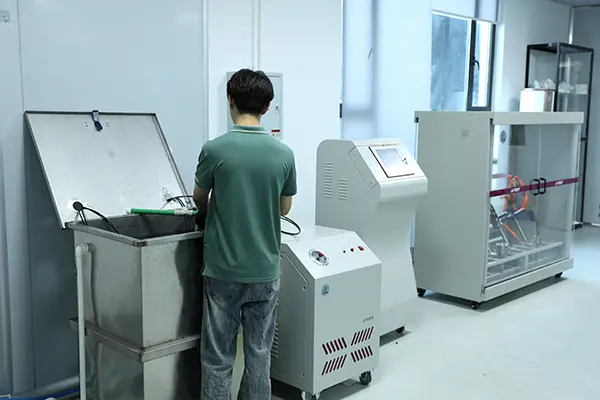
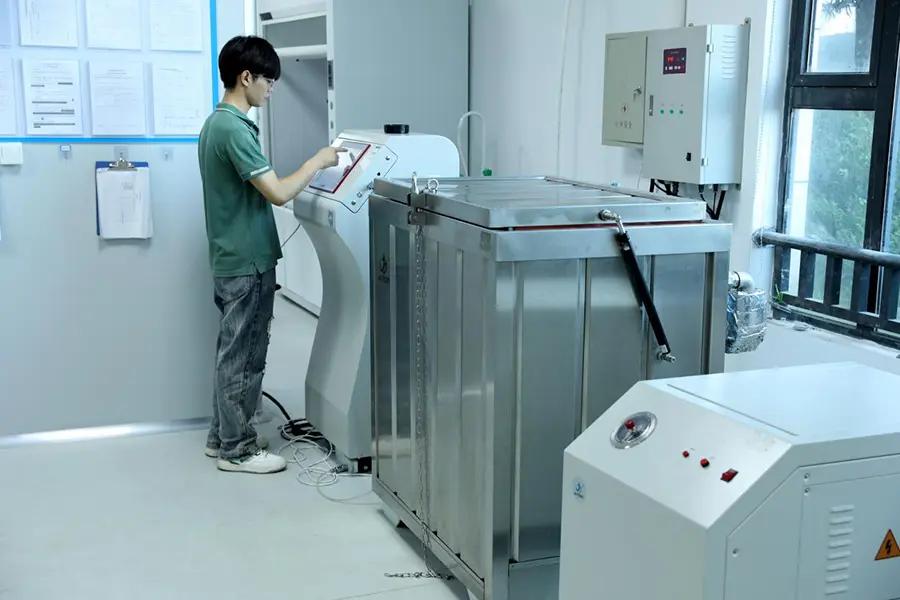
This massive manufacturing footprint allows for extreme efficiency in running large-scale batches while maintaining tight dimensional tolerances. By controlling the raw material feed automatically, batch consistency is maintained across multi-ton runs, drastically reducing dimensional drift. Our triple quality inspection protocol (raw material verification, in-process dimensional audits, and finished-product pressure testing) guarantees that every flange adapter and PP compression fitting leaves the plant with 100% operational readiness.
Because PPR systems possess a smooth inner wall surface that resists scale and prevents bacteria colonization, they are widely deployed across various global climates and vertical markets:
A trusted global leader in thermoplastic pipe manufacturing for over 20 years.
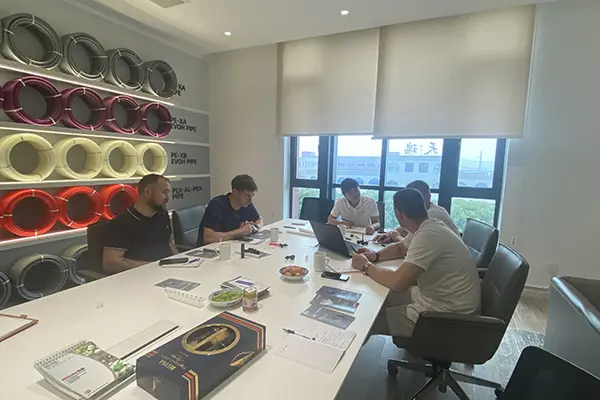
Based in Zhejiang Province, China, Ningbo Minde Building Materials Co., LTD. has grown into an international benchmark for plastic water pipes and compression fittings. Focusing heavily on engineering innovation and premium raw material sourcing, Minde satisfies the requirements of domestic hot/cold water, agricultural irrigation, and radiant floor heating. Our highly qualified technical workforce coordinates with robust factory management, giving global buyers high flexibility in custom ODM/OEM designs and large scale container shipping.
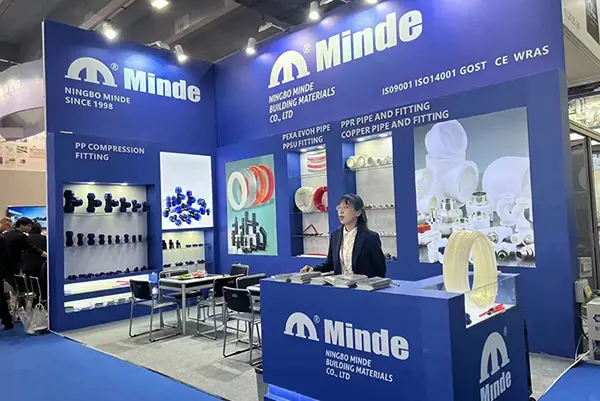
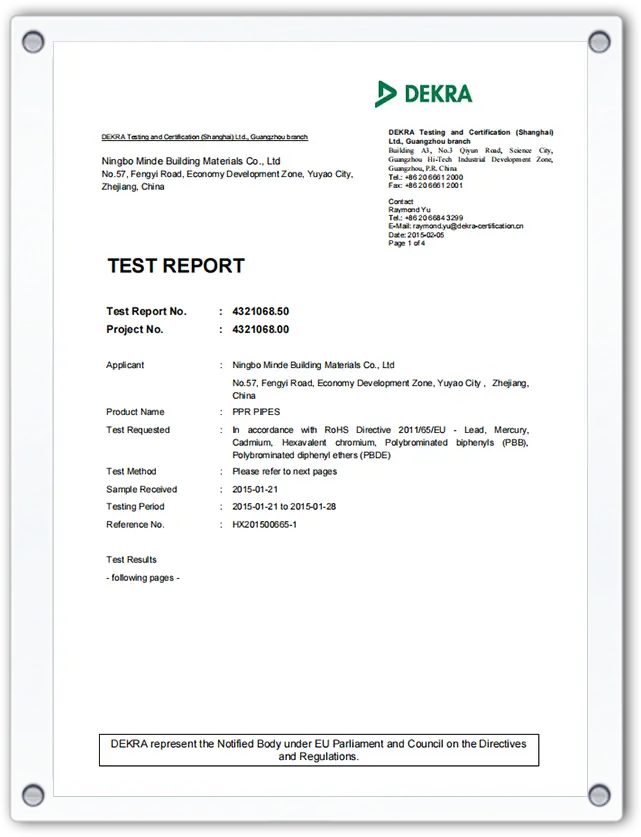
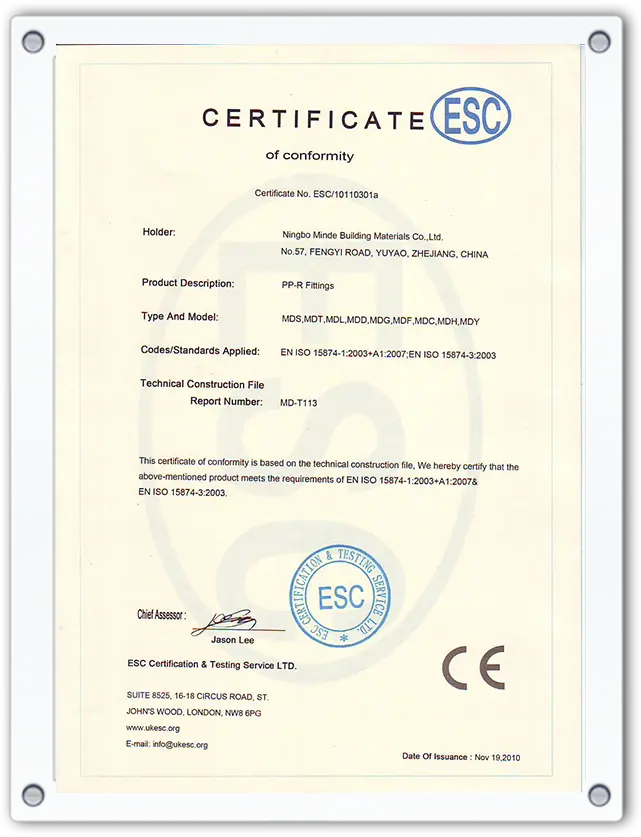
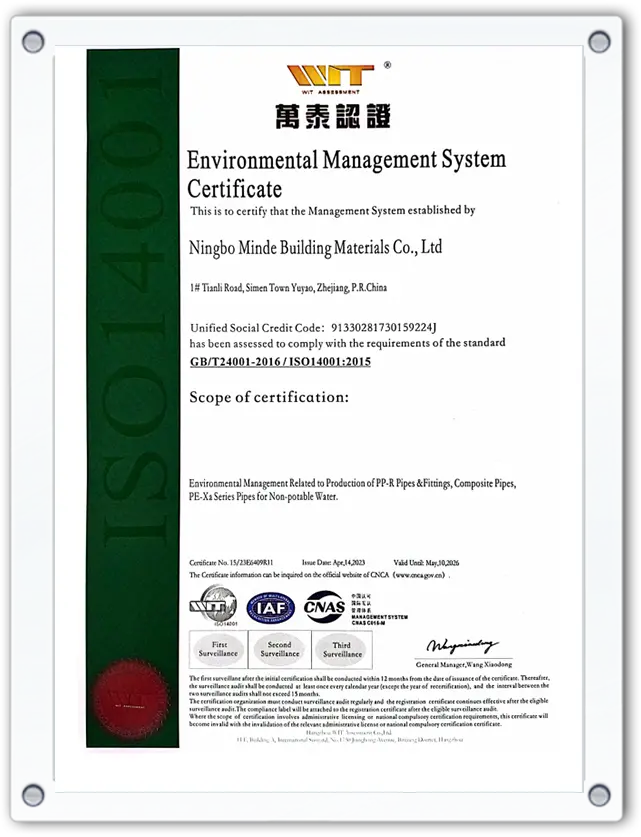
Our commitment to quality is backstopped by global certifications including ISO9001:2022, ISO14001, CE, British WRAS, and Russian GOST. Our products are exported to Russia, Ukraine, Southeast Asia, South America, and the Middle East.
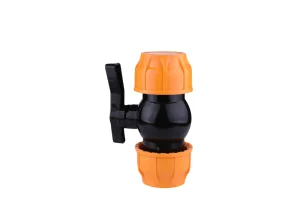
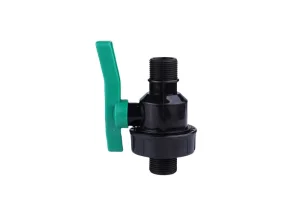
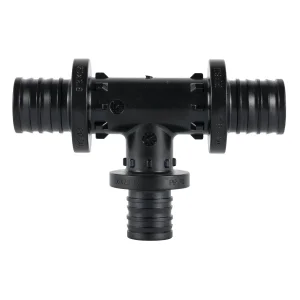
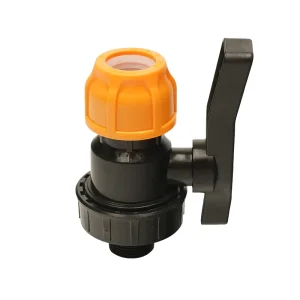
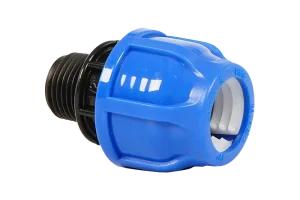
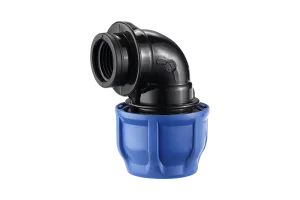
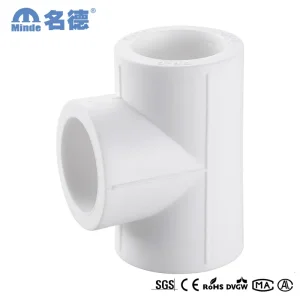
We supply full product arrays: from PN10/PN16 PP compression fittings, HDPE connectors, PPSU equal tees, to cold/hot water PPR pipes and valves. We help clients manage their entire fluid-handling systems under one roof.
Where raw virgin polymers are engineered into high-durability infrastructure components.

Expert answers to the most common engineering and procurement questions regarding PPR systems.
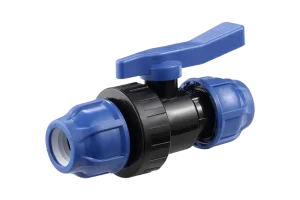
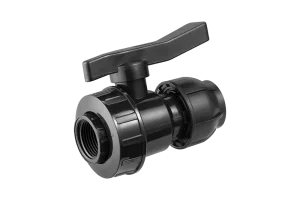
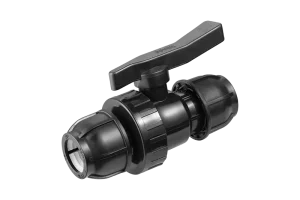
Complete your thermoplastic networks with compatible high-pressure ball valves and thread connections.
 Minde
Minde