Explore our precision-molded components engineered for seamless integration. Retaining maximum structural reliability, high flow parameters, and leak-free joint consolidation under PN16 environments.
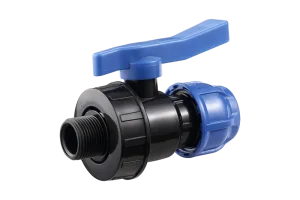
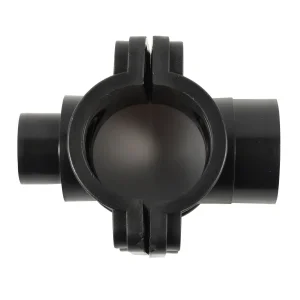
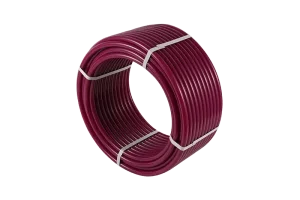
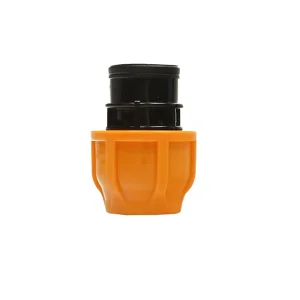
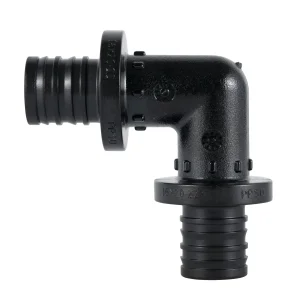
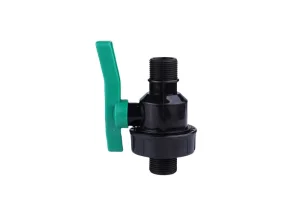
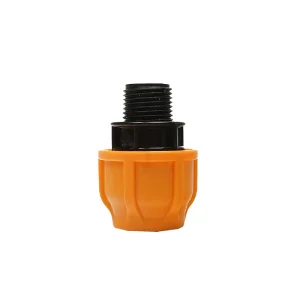
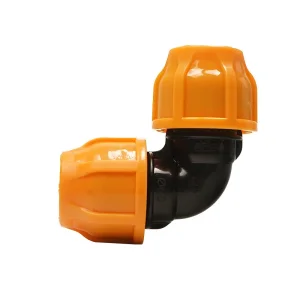
Critical perspectives on copolymer chemistry, fluid dynamic stability, and pressure tolerance matrix structures.
In modern industrial and civic fluid dynamics, the transition between pipeline cross-sections is a primary locus for mechanical stress, cavitation, and friction losses. The PPR Reducer (Polypropylene Random Copolymer Reducer) stands out as a critical element designed to resolve these geometric velocity modifications without introducing points of systemic vulnerability. Unlike homopolymers or conventional block copolymers, Random Copolymer Polypropylene features ethylene molecules distributed randomly within the propylene molecular backbone. This precise polymerization optimizes the material for high-temperature threshold sustainability and dynamic impact resistance.
Our global pipeline systems deploy these engineering components to connect pipe divisions of varying nominal diameters. This enables structural fluid systems to transition smoothly while sustaining mechanical stability. We evaluate the manufacturing lifecycle of PPR reducers on three foundational tenets: material structural density, precise mold calibration, and strict adherence to nominal pressure classifications.
| Nominal Parameter (SDR) | Wall Rating (PN) | Optimal Continuous Temp | Peak Temporary Temp | Tensile Strength at Yield | Common Applications |
|---|---|---|---|---|---|
| SDR 11 | PN 10 | 20°C | 50°C | ≥ 23 MPa | Cold water networks, localized agricultural gravity irrigation |
| SDR 7.4 | PN 16 | 60°C | 80°C | ≥ 25 MPa | High-pressure cold water lines, commercial plumbing networks |
| SDR 6 | PN 20 | 70°C | 95°C | ≥ 26 MPa | Hydronic underfloor heating distribution, centralized industrial hot water |
| SDR 5 | PN 25 | 90°C | 110°C | ≥ 28 MPa | Specialized thermodynamic cycles, high-temperature chemical transport |
The next generation of infrastructure piping relies on advanced polymer modifications and smart monitoring compatibility.
Integration of organoclays and graphene-based nanoplatelets into raw PPR resins is projected to enhance tensile strength by up to 35% while retaining flexibility. This molecular-level structural reinforcing mitigates micro-crack propagation under prolonged cyclic thermal loading.
By implementing co-extrusion technology, next-generation PPR piping integrates an Ethylene Vinyl Alcohol (EVOH) polymer layer. This creates a highly effective oxygen barrier that prevents gas intrusion, halting oxidative decay of boiler components in closed-loop hydronic networks.
Future production components feature embedded micro-RFIDs and standardized QR identity indices. This facilitates seamless lifecycle tracking from injection mold extraction through installation and subsequent building decommissioning phases, aligning with global green building mandates.
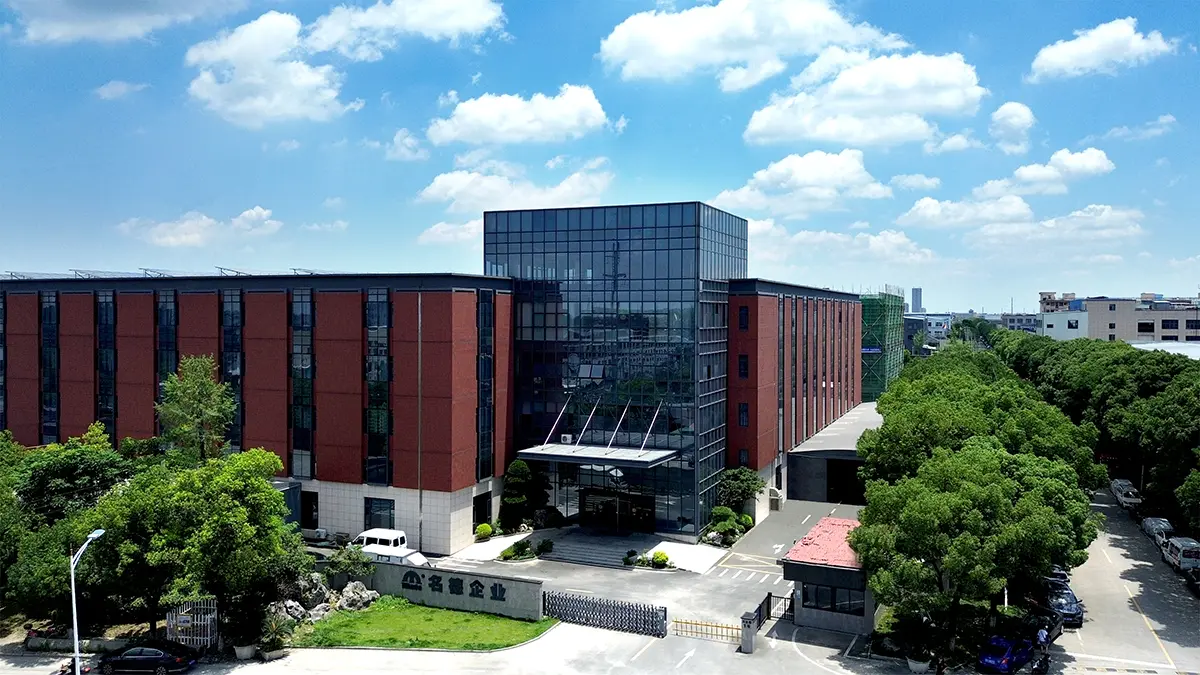
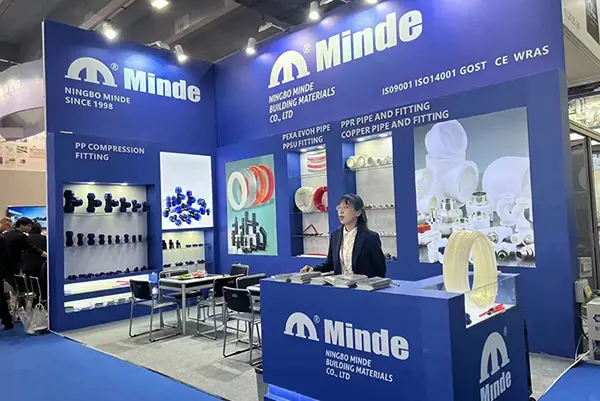
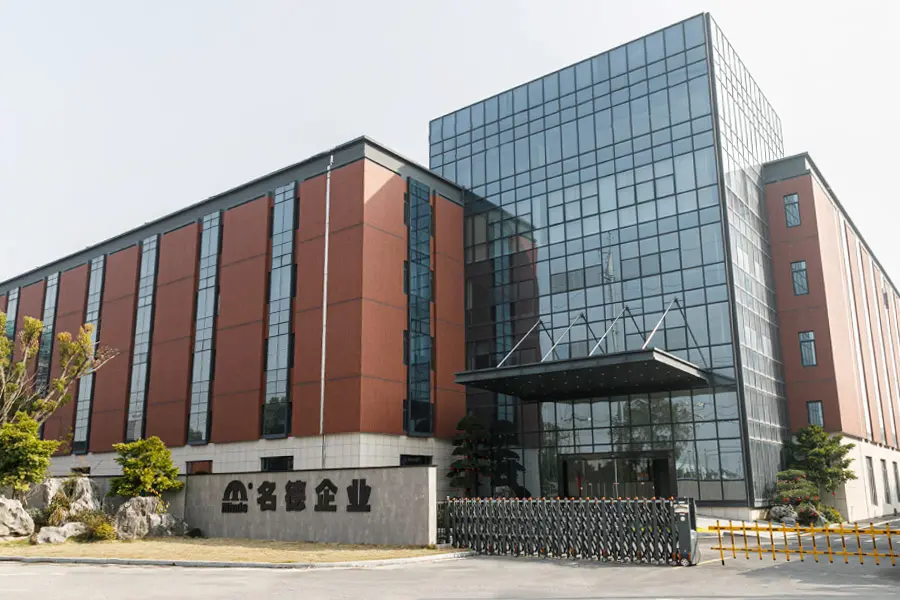
Located in the manufacturing hub of Ningbo, Zhejiang Province, Ningbo Minde Building Materials Co., LTD. has built a world-class manufacturing complex spanning over 90,000 square meters. By implementing Lean Production systems alongside ISO 9001:2022 principles, we minimize production variations and ensure product consistency across batch volumes.
We source only high-grade imported virgin raw copolymer resins, ensuring our pipes and reducers avoid the structural failures typical of recycled polymer fillers. Our facility coordinates complex order allocations across multiple production lines, maintaining rapid lead times and supply chain reliability for large-scale municipal infrastructure projects.
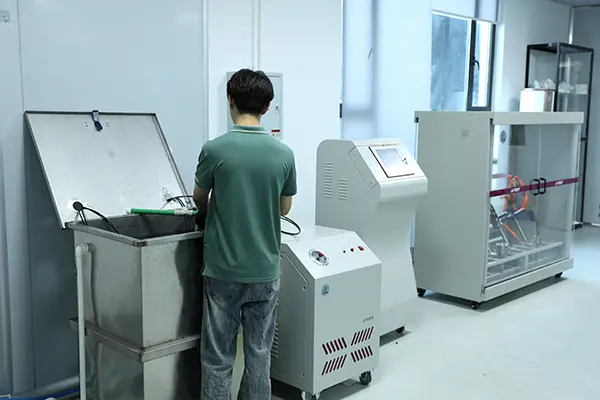
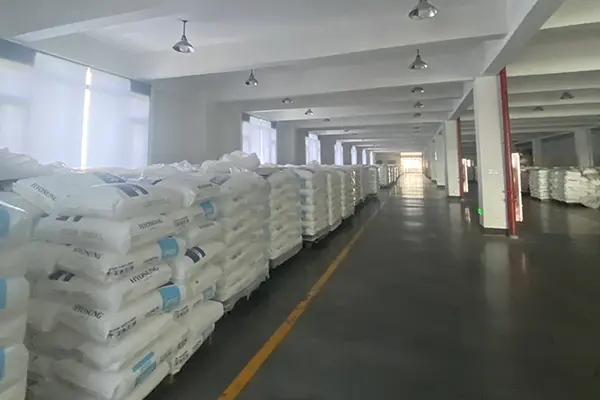
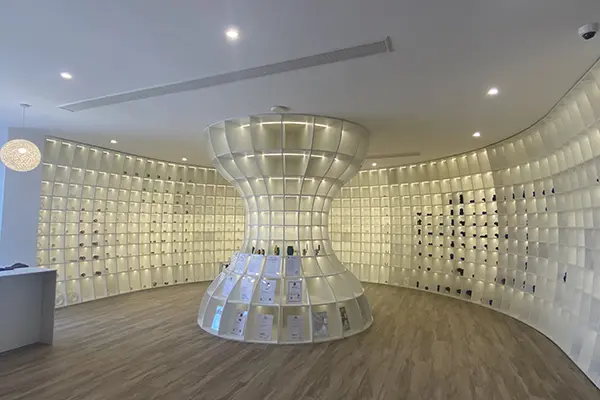
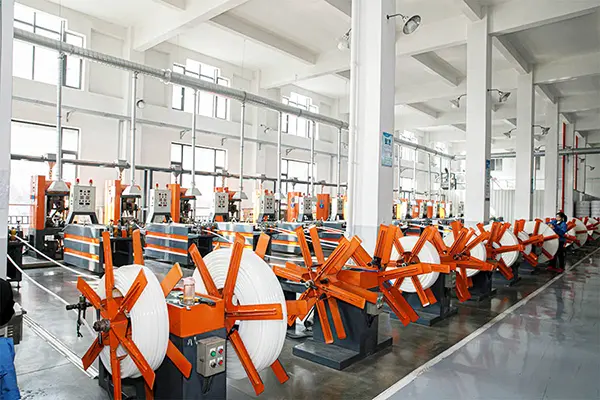
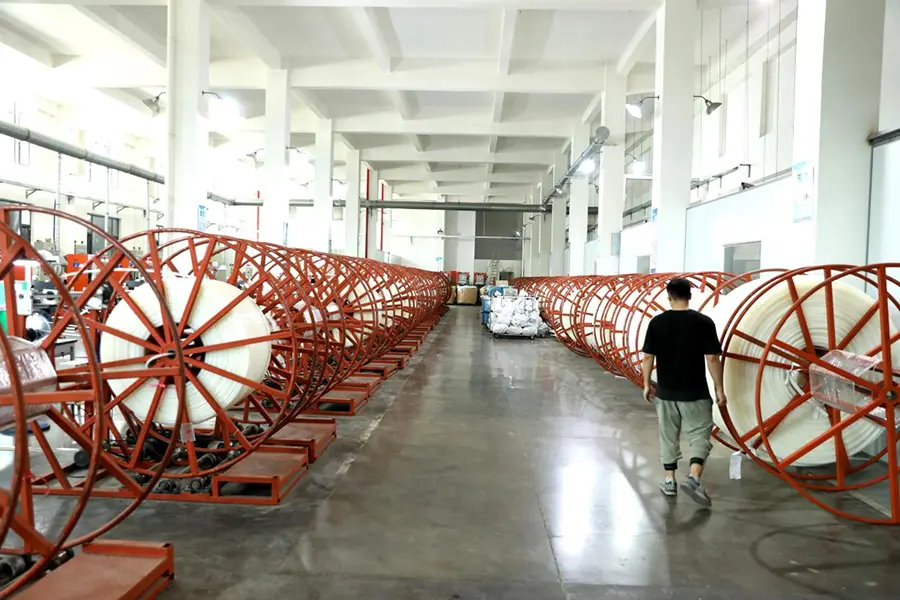
Automated Extrusion Lines
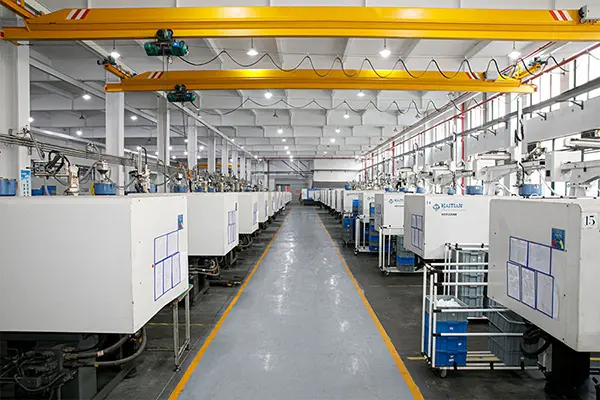
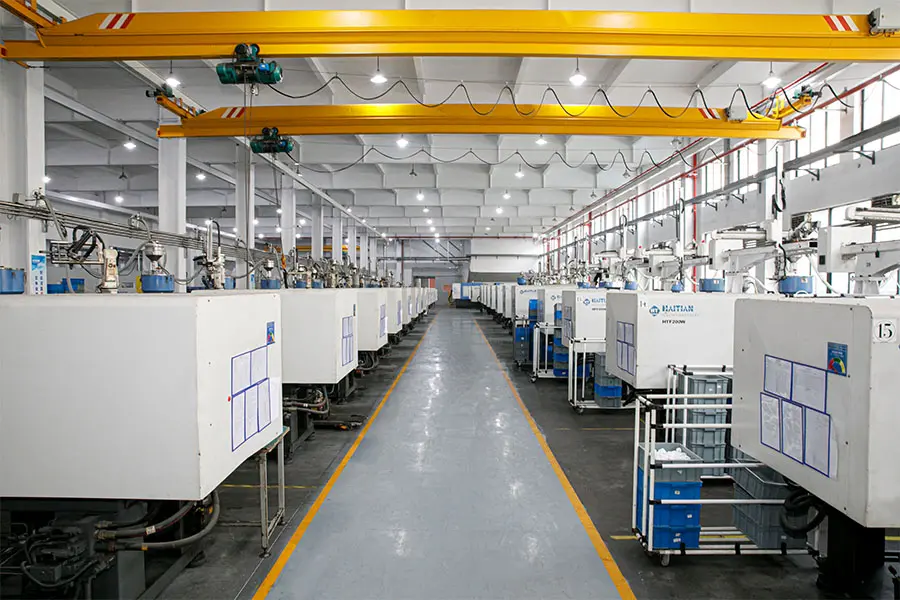
Precision Injection Molding Machines
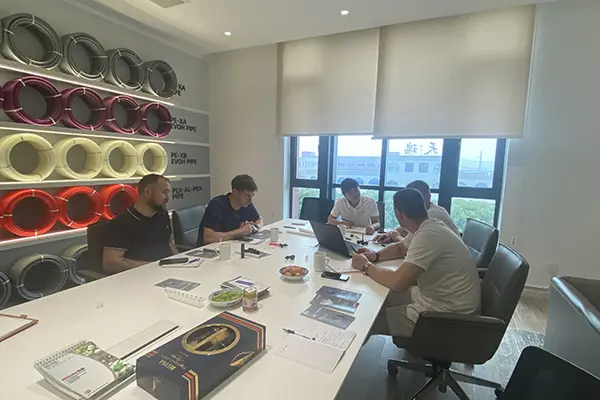
Specialized Tech Backbone Professionals
Standardized Manufacturing Facility
Optimizing the Total Cost of Ownership (TCO) through direct-from-factory sourcing, smart bulk discounts, and long-term price hedging.
For international supply chain managers and project engineers, the procurement of PPR piping components is not merely a transaction but a long-term risk management process. Fluctuations in upstream global polymer resin prices directly impact the wholesale cost of finished fittings. To mitigate this risk, we offer structured pricing options that help stabilize costs over multi-year projects.
Our wholesale price structure is built around order volume thresholds, raw material costs, and customization requirements. By purchasing directly from our facility in Ningbo, clients eliminate intermediary markups and gain direct access to our engineering team for custom molding projects (OEM/ODM). To support this, we maintain a raw resin stockpile that shields our regular contract partners from sudden market shifts.
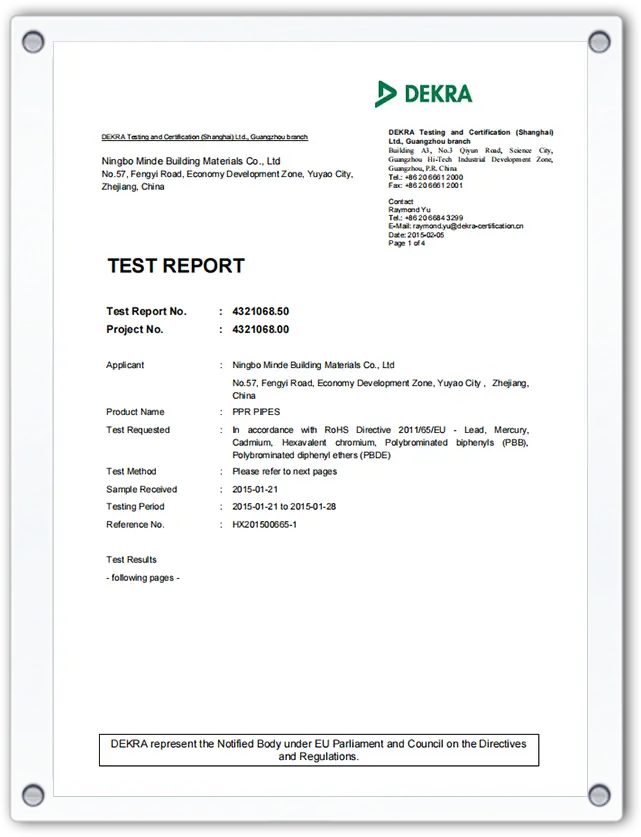
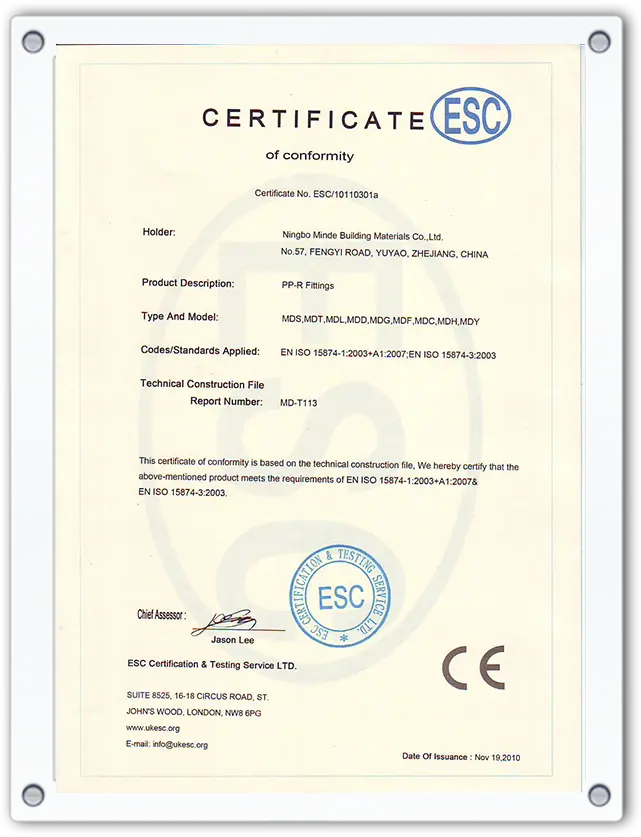
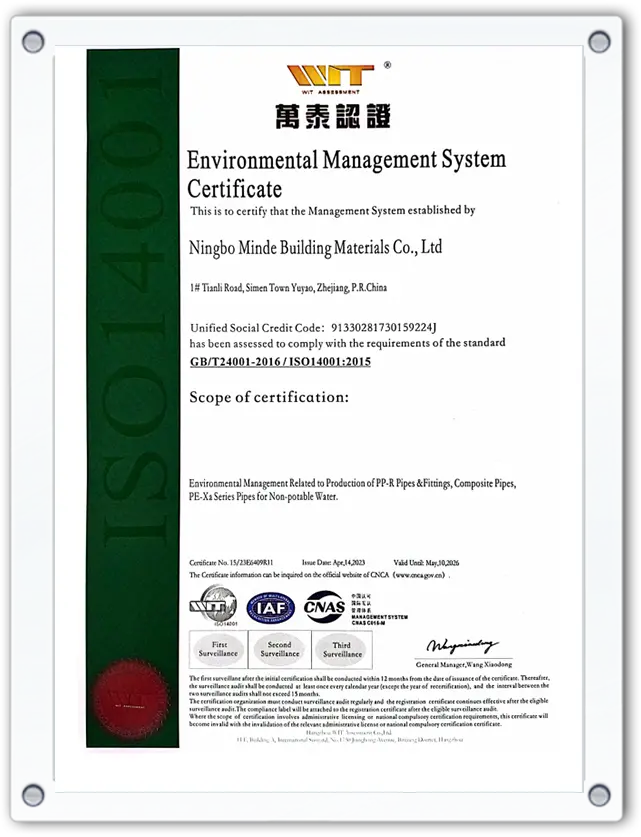
Tailoring polymer network installations to meet the performance and safety demands of diverse applications.

Our PPR components are certified food-grade and resist scale accumulation, maintaining pure drinking water quality in residential and commercial developments.

Built for durability in agricultural environments, these fittings withstand fertilizer exposure, soil movement, and dynamic hydraulic pressure fluctuations.
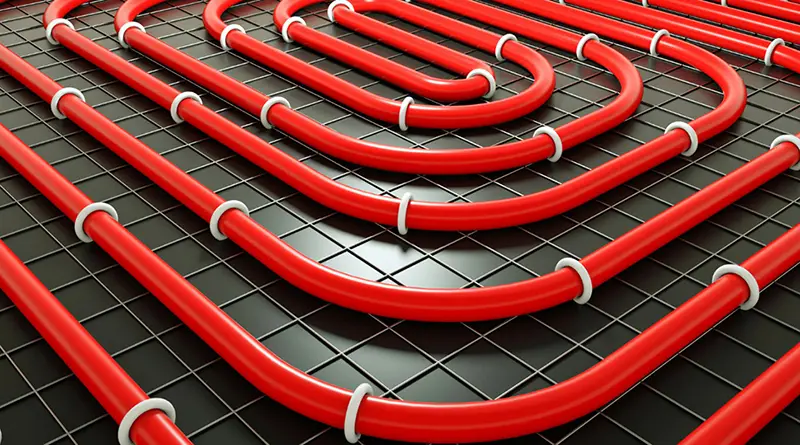
Offering high thermal stability up to 95°C, these components prevent oxygen penetration to protect hydronic loops from internal corrosion.
How Minde supports complex global supply requirements with tailored production and dedicated technical oversight.
At Ningbo Minde, we work closely with engineering firms, regional distributors, and utility developers worldwide. We understand that standard, off-the-shelf components don't always fit specialized system configurations. Our design and tooling teams collaborate with clients to customize wall thicknesses, build unique geometry angles, or mold dual-material connectors to suit specific operating pressures and layouts.
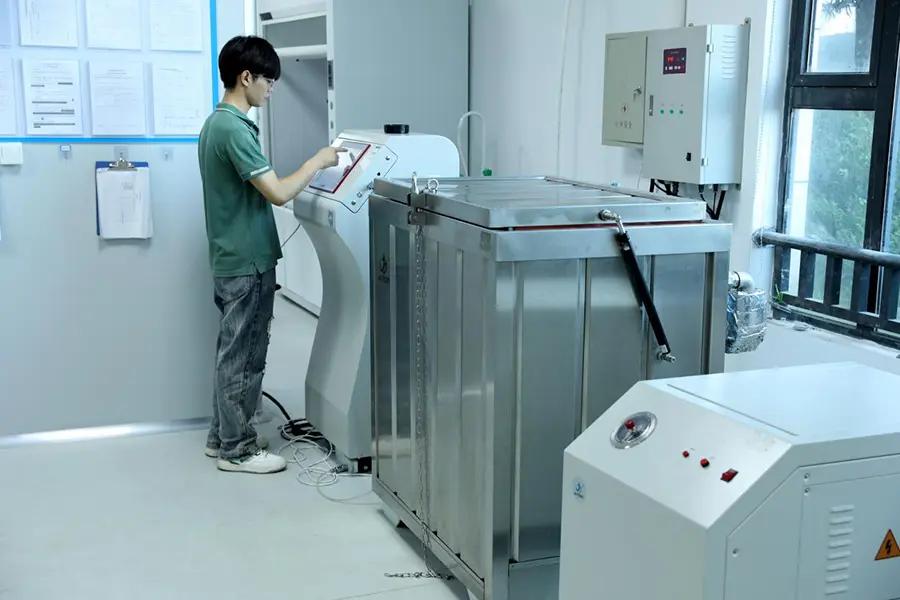
Our raw material testing protocols ensure that every batch of virgin PP-R resin complies with European health standards, eliminating chemical leaching risks in potable water networks. Additionally, our automated extrusion processes maintain tight wall-thickness tolerances, simplifying alignment and thermal fusion jointing in the field.

Detailed, expert answers to key engineering and installation questions on PPR Reducers.
Under a continuous operating temperature of 20°C and a working pressure of 1.6 MPa, PPR reducers made from premium virgin resin have an estimated design life of over 50 years. This service lifespan complies with the ISO 15874 structural testing standard framework.
Recycled PP regrind often contains contaminants and degraded polymer chains, which reduce impact strength, weaken pressure resistance, and increase the risk of stress cracking at thermal fusion joints. Using virgin copolymer resin ensures a reliable, uniform molecular structure throughout the fitting.
As operating temperatures rise, the maximum allowable pressure for PPR decreases. For example, a PN20 reducer rated for 2.0 MPa at 20°C is typically derated to approximately 0.6 to 0.8 MPa at a continuous heating temperature of 70°C over a 50-year lifecycle.
Successful fusion jointing depends on three key parameters: a heating temperature of 260°C (±10°C), sufficient insertion heating time (typically 5 to 12 seconds depending on nominal diameter), and preventing any rotation of the pipe or fitting during connection.
Yes, Random Copolymer Polypropylene offers high chemical resistance. It is highly resistant to aqueous solutions of inorganic salts, mineral acids, and alkaline solutions, making it suitable for chemical fluid transport within pH ranges of 1 to 14.
Our reducers feature optimized internal geometries that minimize abrupt changes in velocity. This design reduces flow turbulence and pressure drops, lowering the risk of localized cavitation damage and system noise.
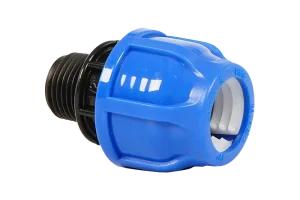
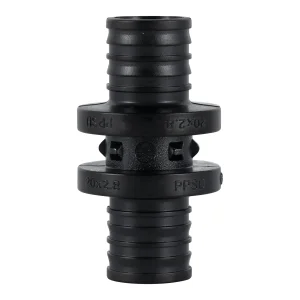
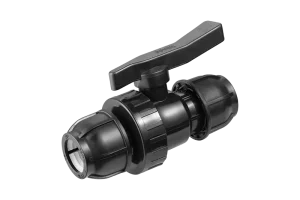
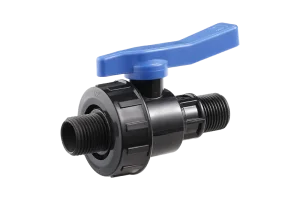
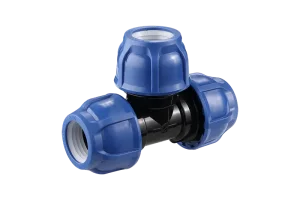
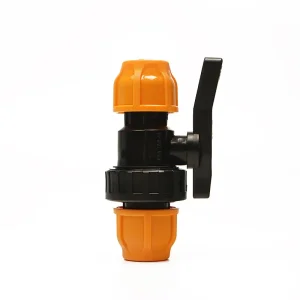
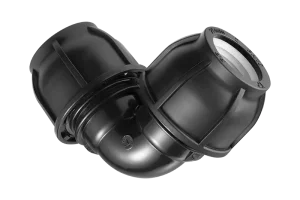
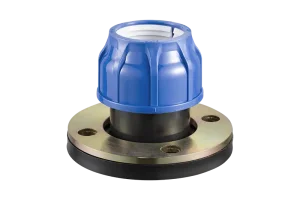
A comprehensive range of high-performance couplings, valves, and elbows designed to support global supply and engineering standards.
Get access to custom specifications, wholesale price lists, and engineering consultation for your specific project requirements.
Request Custom Pricelist & Catalog Minde
Minde