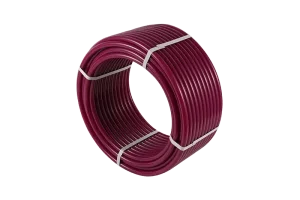
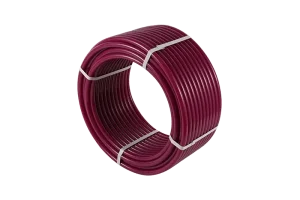
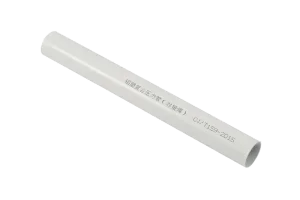
High-durability multilayer pipes designed for Russian HVAC and municipal infrastructure installations.
Plumbing and radiant heating systems in Russia must endure some of the most aggressive environmental challenges on earth. With winter temperatures plunging below -40°C across regions like Siberia, the Urals, and the Far East, traditional rigid piping materials such as copper, carbon steel, and even basic polypropylene (PP-R) regularly face catastrophic failure due to freeze-expansion fractures, thermal stress, and high mineralization in municipal supply lines.
Cross-linked polyethylene (PEX) represents a paradigm shift in structural polymer engineering. The physical process of cross-linking—specifically through the peroxide method (PE-Xa) or silane method (PE-Xb)—alters the molecular structure of polyethylene from a linear chain to a rigid 3D macromolecular network. This structural change yields an incredibly resilient material with an outstanding "memory effect" (elastic recovery), allowing the pipe to expand dynamically if water freezes inside and then shrink back to its original dimensions once thawed, without structural micro-cracks or wall thinning.
Co-extruded Ethylene Vinyl Alcohol (EVOH) layer prevents oxygen permeation down to < 0.1 g/m³·day, preventing oxidation and corrosion of expensive boiler components and steel radiators in closed-loop systems.
Engineered to handle constant operating temperatures up to 95°C and emergency spikes of up to 110°C, perfectly matching Russian central heating configurations.
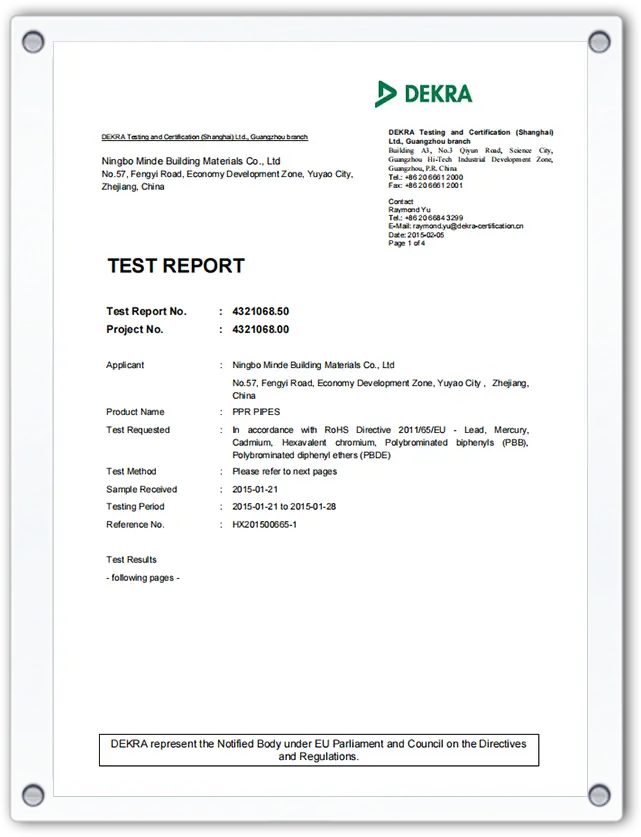
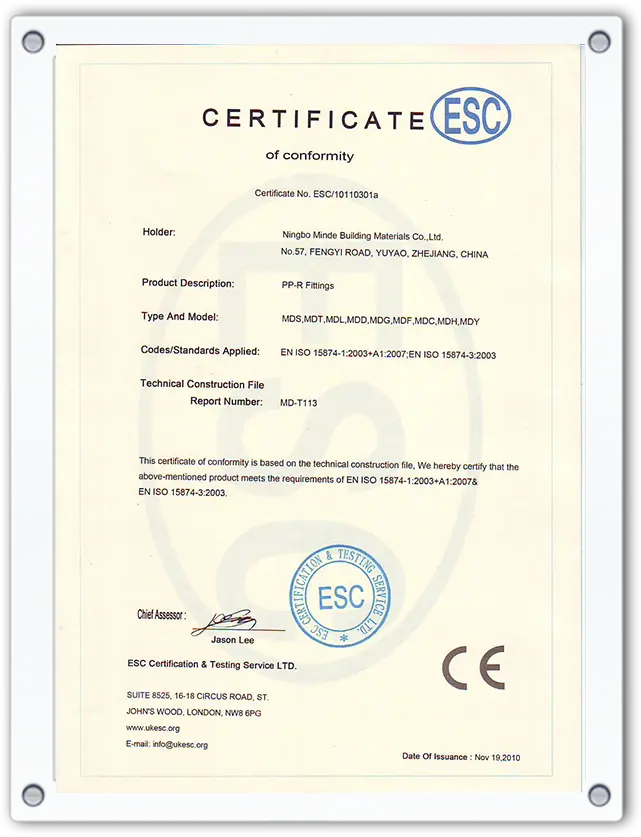
Minde PEX pipes fully meet Russian GOST R 52134-2003 standards alongside European CE and ISO approvals, validating high safety thresholds for domestic drinking water.
How legislative changes and construction modernization shape Russia's polymer pipeline demand.
The Russian Federation has accelerated its modernization of regional municipal utilities under state programs targeting green building envelopes and energy-efficient retrofitting. In cities like Moscow, Saint Petersburg, Kazan, and Novosibirsk, regional planners are phasing out heavy cast-iron and steel pipeline networks in favor of high-density cross-linked polyethylene solutions. The shift is driven by three main factors:
| Property Parameter | PE-Xa (Peroxide Method) | PE-Xb (Silane Method) | PEX-Al-PEX (Multilayer) | Traditional PP-R (Polypropylene) |
|---|---|---|---|---|
| Cross-linking Degree | ≥ 70% | ≥ 65% | ≥ 65% (Inner/Outer) | N/A (Thermoplastic) |
| Thermal Conductivity | 0.38 W/m·K | 0.41 W/m·K | 0.45 W/m·K (due to Al core) | 0.24 W/m·K |
| Flexibility / Bend Radius | 5 x OD (Outer Diameter) | 6 x OD | 5 x OD (Retains shape) | Rigid (Requires elbows) |
| Oxygen Diffusion Barrier | Excellent (with EVOH co-extrusion) | Excellent (with EVOH co-extrusion) | 100% Absolute (Aluminium Layer) | Poor (High oxygen ingress) |
| Low Temp. Brittleness | Down to -100°C | Down to -95°C | Down to -80°C | 0°C to -5°C (Highly brittle) |
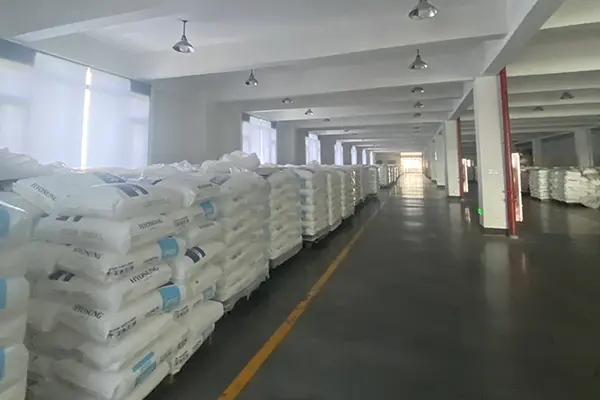
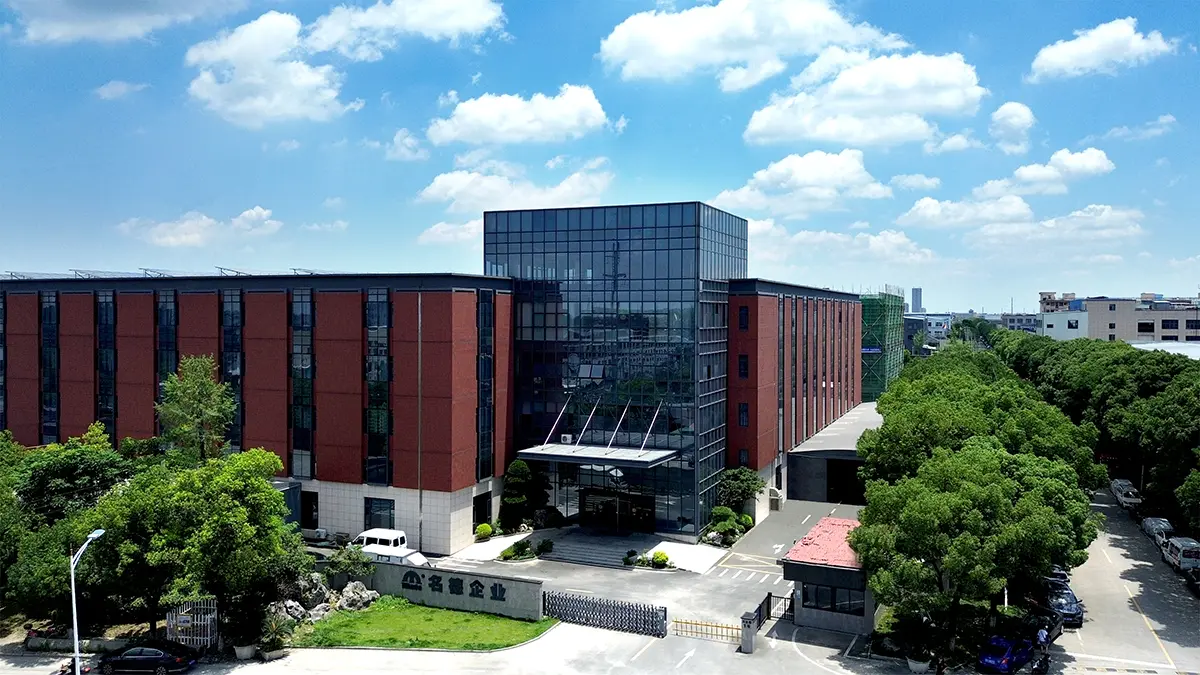
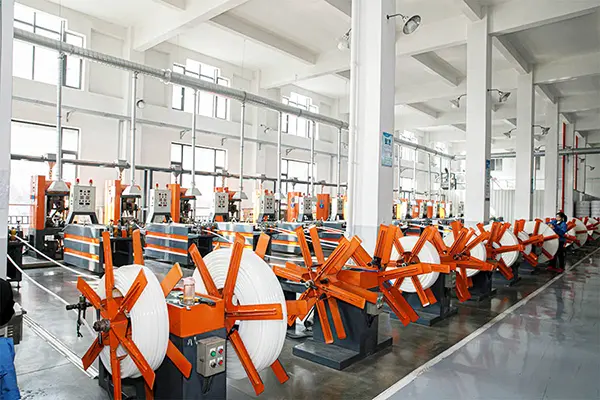
As international supply networks undergo structural re-alignments, Russian contractors and global distributors require highly reliable, high-output manufacturers who can guarantee continuous material flow. Ningbo Minde Building Materials Co., LTD., located in Zhejiang Province, China, has built a world-class manufacturing base integrating smart manufacturing protocols to achieve unprecedented supply consistency.
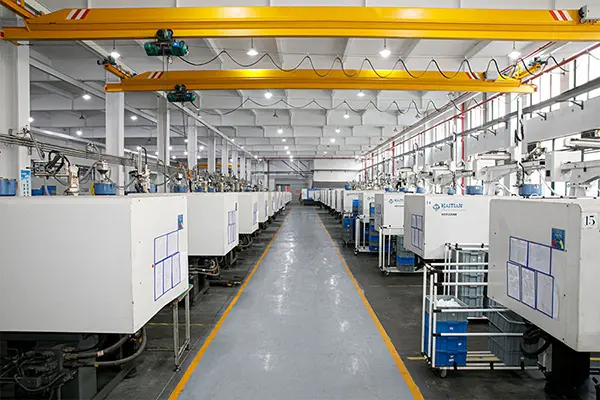
Our Factory 4.0 infrastructure utilizes closed-loop automated raw material conveying, advanced German-engineered gravimetric dosing systems, and real-time ultrasonic wall thickness scanning along our extrusion lines. This eliminates manual configuration errors, ensuring that every meter of PEX pipe conforms exactly to specified tolerances for wall thickness and concentricity—critical factors that prevent leakage at connection points.
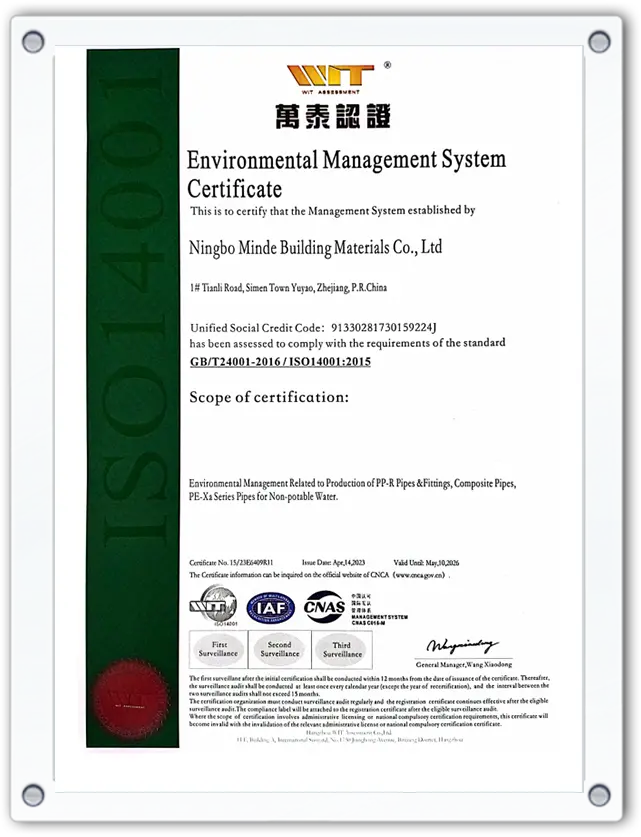
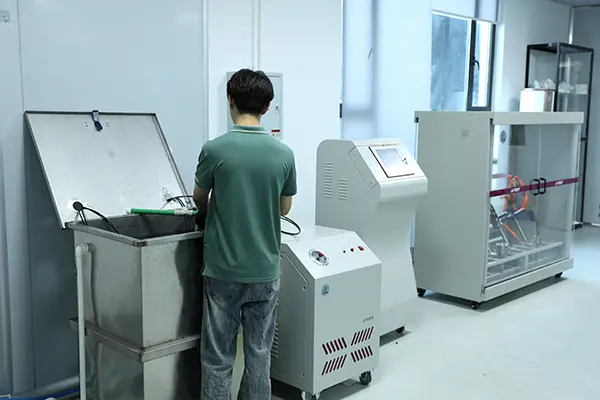
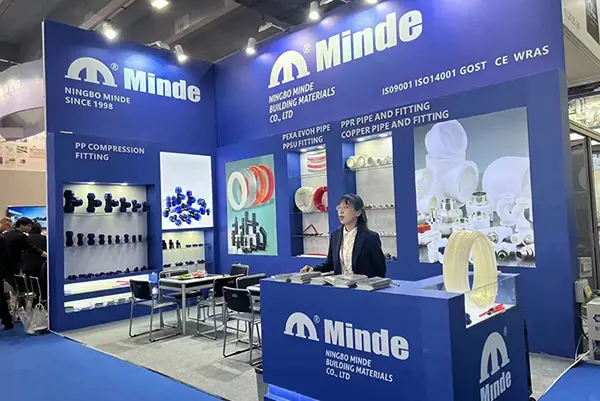
Our facility operates three independent quality checkpoints: Incoming Raw Material Validation, In-Process Control Inspection, and Finished Product Outflow Testing. Minde products carry key global credentials including ISO9001:2022, ISO14001, CE, British WRAS, and Russian GOST certifications.
Analyzing specific design frameworks where Minde PEX pipes provide distinct competitive edge.
Under modern Russian SNiP regulations, residential heating networks are increasingly moving away from vertical riser pipes to horizontal apartment-by-apartment layouts connected via distribution manifolds. Utilizing Minde PEX-Al-PEX multilayer pipes allows contractors to route lines directly through floor screeds without intermediate joints. The aluminum core provides excellent structural rigidity and low thermal expansion, ensuring that embedded lines do not buckle under structural load or thermal cycles.
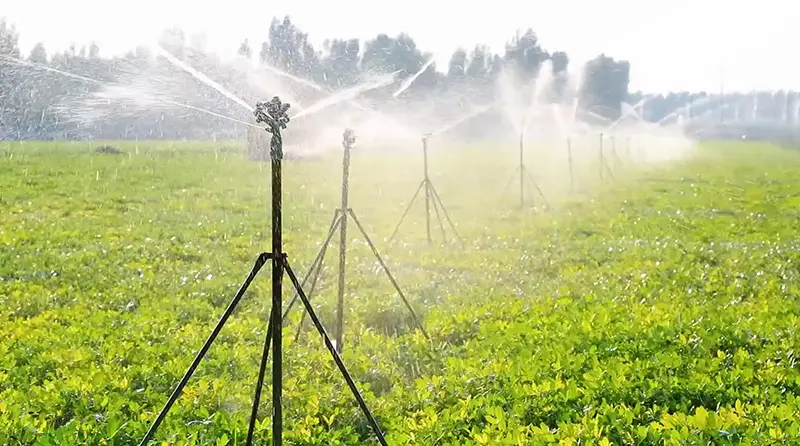
In high-latitude farming operations (e.g., agricultural complexes in the Leningrad and Moscow regions), maintaining root zone temperatures is critical for year-round crop production. PE-Xa pipes are laid in heavy soil substrates to circulate low-temperature wastewater from regional energy plants. Resistance to mechanical scratches during backfilling, high chemical resilience to soil fertilizers, and thermal stability make PE-Xa the only economically viable option for these large-scale municipal agricultural grids.
Rather than excavating corroded municipal steel pipes under city streets, urban engineers are adopting trenchless relining technologies. Minde flexible PE-Xa pipes can be pulled directly through old steel or cast-iron lines. The high flexibility of PEX allows long continuous lengths to traverse slight bends in legacy networks, reducing excavation costs and minimizing traffic disruptions in historical city centers.
Navigating global polymer index dynamics, shipping corridors, and pricing variables for high-volume Russian distributors.
Understanding the pricing structure of PEX pipes is essential for engineering procurement departments managing multi-million Ruble infrastructure budgets. The overall cost per meter of high-grade PEX in Russia is determined by four key macroeconomic and technical components:
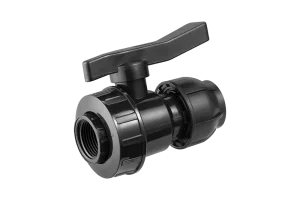
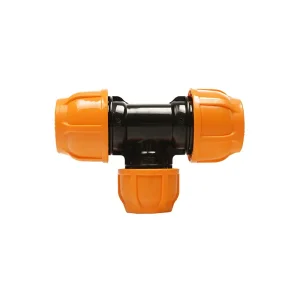
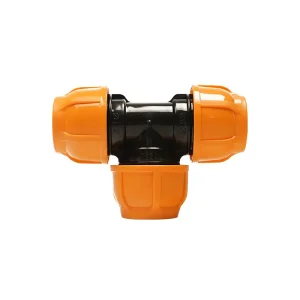
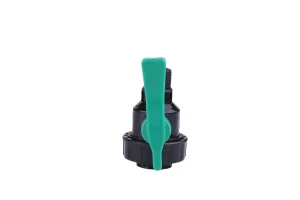
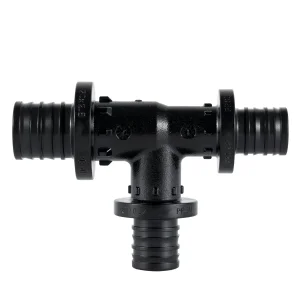
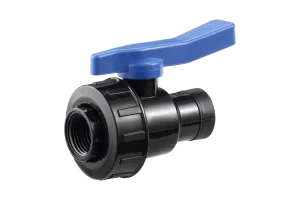
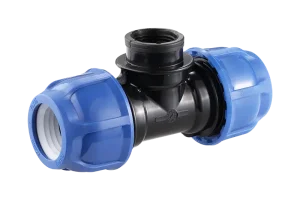
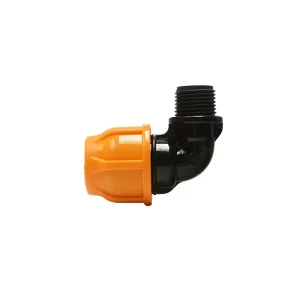
High-integrity connections and valves rated for PN16 pressure thresholds across municipal and commercial utility layouts.
 Minde
Minde