Premium connection hardware tailored for standard Dutch municipal and agricultural pipe diameters.
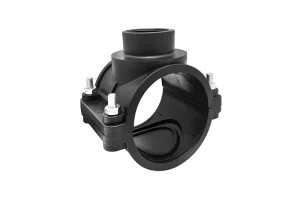
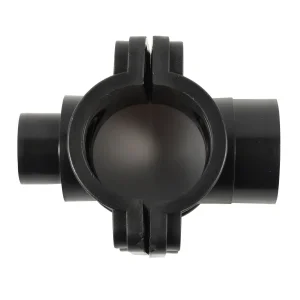
A comprehensive analysis of agricultural irrigation, modern water management, and the engineering advantages of using premium PP Clamp Saddles.
With more than a quarter of its landmass situated below sea level, the Netherlands is globally recognized for its state-of-the-art water management systems, known as Delta Technology. In addition to dike networks and storm surge barriers, sub-surface piping infrastructure requires exceptionally high standard materials. The soft, shifting clay and peat soils characteristic of the Dutch polders create constant, low-frequency movement in buried pipelines. Traditional rigid joints fail under these stresses. Flexible, high-density polyethylene (HDPE) systems connected via premium-grade Polypropylene (PP) Clamp Saddles offer the ideal technical response. The mechanical absorption of minor ground shifting combined with robust, leak-free compression seals prevents contamination and system pressure drops.
The continuous fluctuation of groundwater levels in polder systems dictates that any connection branch must resist soil subsidence. The MINDE clamp saddle range integrates structural elasticity and high-tensile clamp configurations to distribute ground loads uniformly, reducing localized stress concentration on PE100 and PE80 piping systems.
Dutch horticulture (Kastuinbouw) utilizes precise drip irrigation systems requiring reliable lateral connections. PP clamp saddles provide high-speed, scalable branching on sub-mainlines without the requirement of electrofusion. This drastically reduces system downtime and setup overhead in high-tech farming facilities.
Potable water lines in the Netherlands must prevent any trace-element leaching. By utilizing premium imported virgin PP raw materials, MINDE fittings satisfy European food-contact regulatory principles, preventing heavy metals or organic contaminants from entering clean drinking water.
In municipal planning and industrial wastewater management across the Netherlands, the selection of piping connections goes beyond mere cost estimation. It is about ensuring lifecycle sustainability. Standard steel or cast-iron saddles suffer heavily from corrosion, particularly in coastal zones with high soil salinity like Zeeland, South Holland, and North Holland. Polypropylene clamp saddles present an inert behavior to chemical agents, fertilizers, and galvanic corrosion. This is highly crucial when managing nutrient feed systems in closed-loop hydroponics, which frequently contain weak acid and salt concentrations that would degrade metal pipelines.
Moreover, the integration of quick-branch solutions in modern Dutch infrastructure aligns with the circular economy goals. Because MINDE PP clamp saddles do not require chemical glues or irreversible welding processes, networks can be easily reconfigured, expanded, or decommissioned. The materials are 100% recyclable, fitting perfectly into the Cradle-to-Cradle (C2C) design frameworks widely promoted in Dutch urban planning.
A summary of standard hydraulic parameters and material configuration options optimized for typical Dutch utility profiles.
| Property | Technical Specification | Relevance to Netherlands Field Use |
|---|---|---|
| Nominal Pressure (PN) | PN10 & PN16 Series Availability | Enables safe deployment in low-pressure polder drainage and high-pressure mainlines. |
| Clamp Saddle Body | High-Performance Polypropylene-Block Copolymer (PP-B) | Ensures high impact strength, even in cold winters (sub-zero temperatures in Gelderland). |
| Reinforcement Ring | Stainless Steel (AISI 304 or 316) Options | Required for threads above 2" to prevent deformation when coupling with metal valves. |
| Gasket Material | Nitrile Rubber (NBR) / EPDM Elastomer | Provides high elastic memory and sealing capability against micro-leakages. |
| Bolts & Nuts | Galvanized Steel / Stainless Steel A2/A4 Grade | Corrosion resistance against acidic peat soil and coastal salt spray. |
Direct manufacturing strength from Ningbo Minde Building Materials Co., LTD., backed by over 20 years of technical heritage.
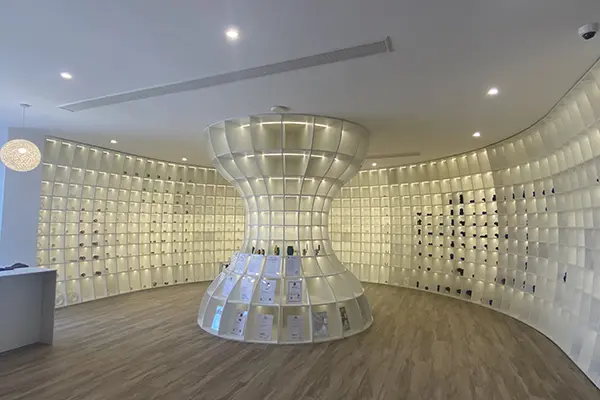
Ningbo Minde Building Materials Co., LTD., based in Zhejiang Province, China, is a specialized, world-class manufacturing facility covering more than 90,000 square meters of space. Our operation is tailored for high-volume, high-precision production of plastic piping systems, supporting global utility companies, contractors, and agricultural projects.
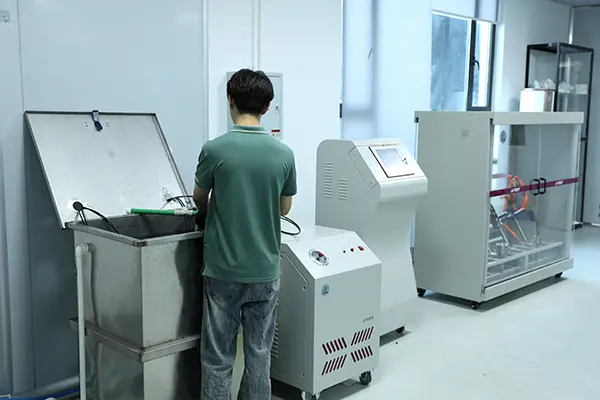
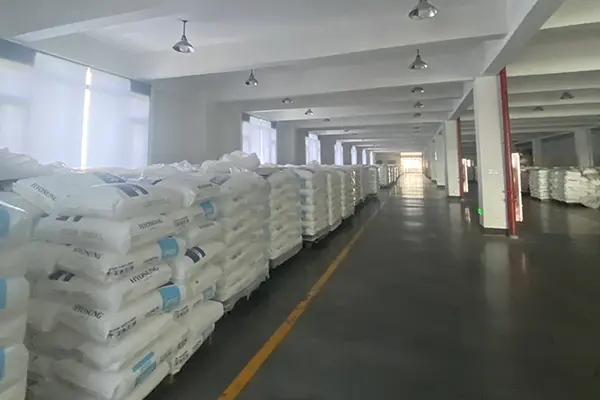
To ensure zero defect tolerance, MINDE implements a systematic three-stage inspection system: raw material checking, in-line process assessment, and post-production testing. Utilizing high-grade imported virgin polymers guarantees our products withstand extreme operating conditions without cracking or leaking.
Take a look inside our high-tech manufacturing facility, where raw material feeds automatically into our energy-efficient injection moulding lines.
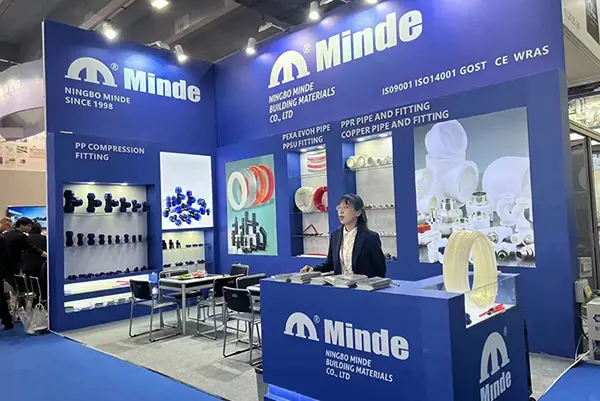
Our commitment to global standards enables seamless validation with regional European codes, including CE, WRAS, and GOST protocols.
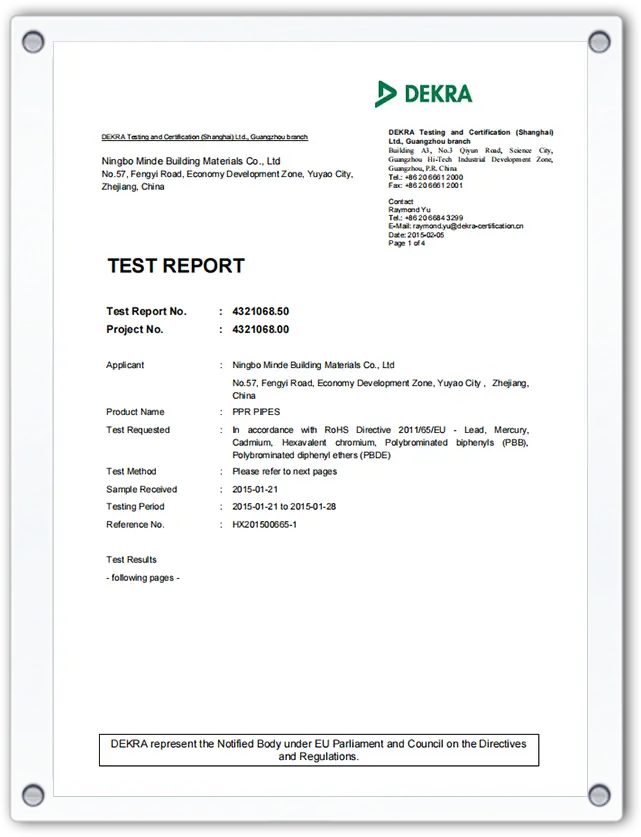
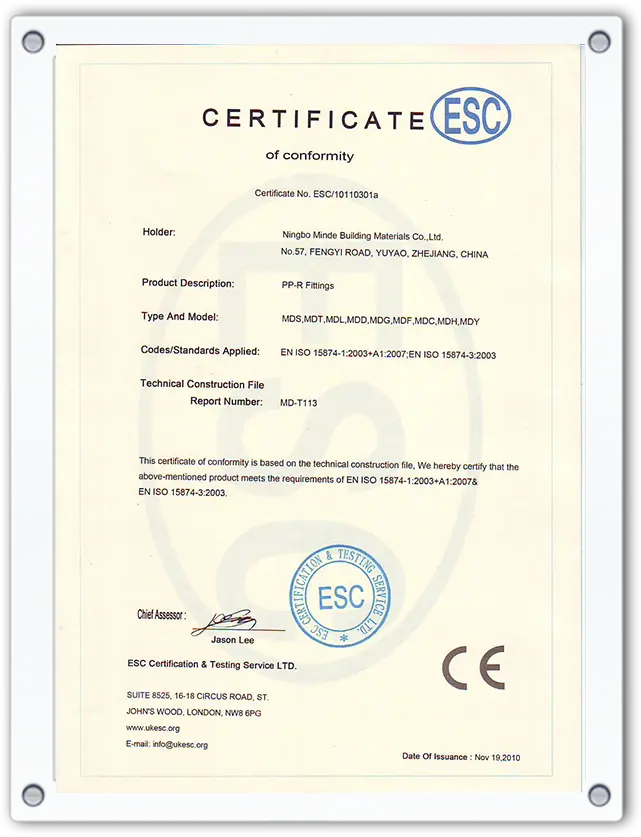
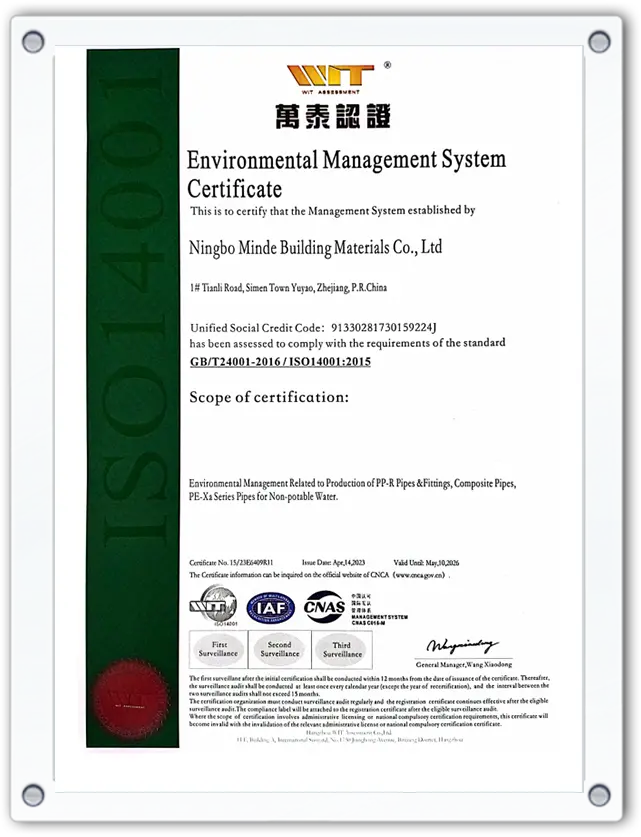
For Dutch water distribution systems, product compatibility with the KIWA certification guidelines is critical. In the Netherlands, drinking water network products must comply with the strict hygienic and mechanical validation parameters. Although we are an overseas factory, our raw material sourcing strictly aligns with European drinking water directives. We supply full technical documentation, Material Safety Data Sheets (MSDS), and hydraulic pressure testing sheets to local Dutch engineering agencies to facilitate compliance approval processes.
Whether you are managing municipal projects in Rotterdam, agricultural expansions in the Flevoland polder, or supply warehouses in Amsterdam, our logistics team coordinates container shipments directly to major ports, offering efficient transit times and customs support.
By 2030, the Dutch construction and infrastructure industry aims to achieve significant circularity goals. Traditional plastic piping fittings are increasingly evaluated on their environmental footprint. MINDE is actively researching bio-sourced Polypropylene resins and low-temperature injection molding cycles to reduce energy consumption during production.
Additionally, we are upgrading our design metrics to optimize the flow geometry inside our clamp saddles. A smoother internal surface profile reduces localized friction and turbulence, resulting in less pressure drop and energy consumption in the overall pump system.
Request Technical Drawing SheetsExpert answers addressing the selection, installation, and compliance of PP Clamp Saddles in utility and agricultural systems.
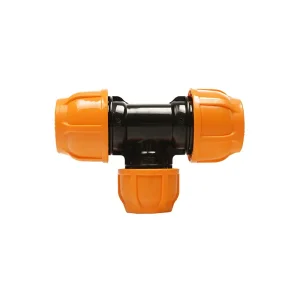
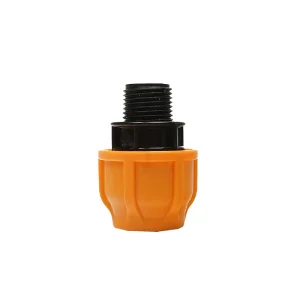
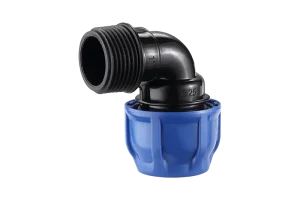
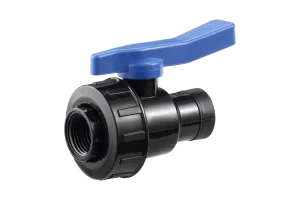
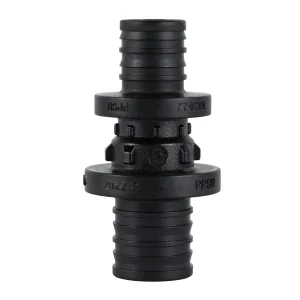
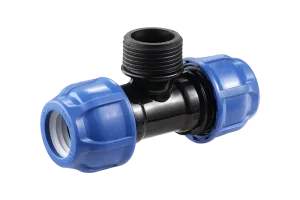
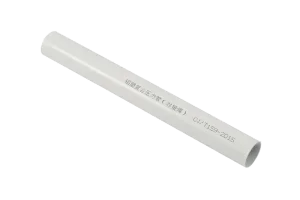
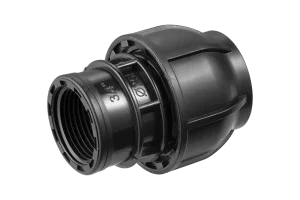
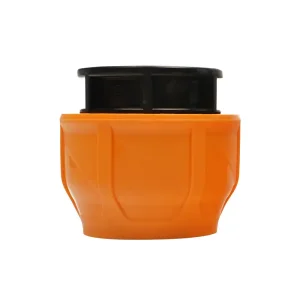
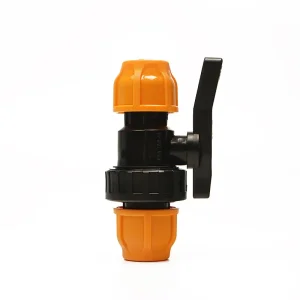
Complete your layout with our certified compression adaptors, elbows, and control valves.
Need custom dimensions or bulk pricing for the Netherlands market?
Send Inquiry Now Minde
Minde