Premium Grade PP Compression Components Engineered for High Pressure HDPE Line Installation
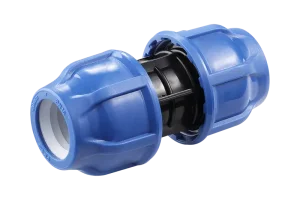
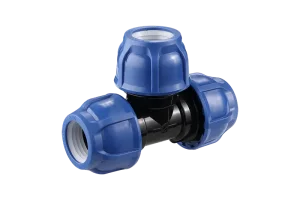
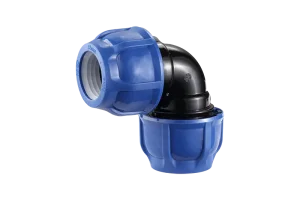
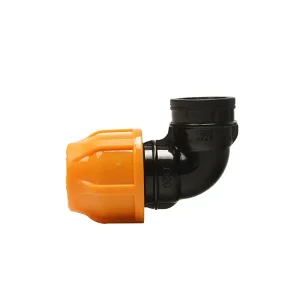
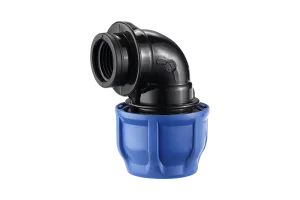
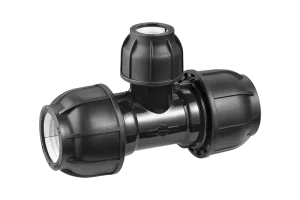
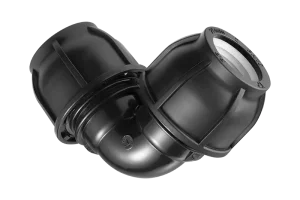
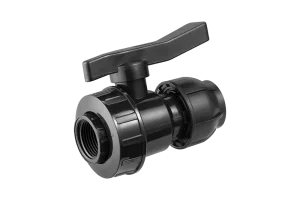
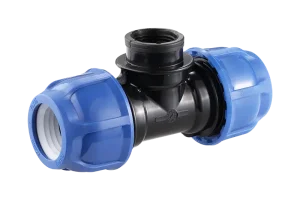
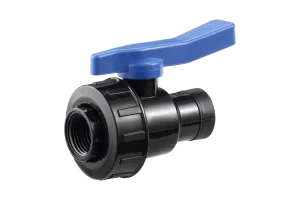
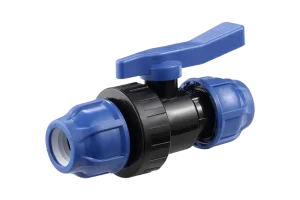
The South African infrastructure market is undergoing a structural transition. Rapid urbanization across metropolitan hubs like Johannesburg, Cape Town, and Durban, coupled with critical water scarcity challenges in agricultural zones like the Limpopo and Western Cape provinces, demands robust, highly efficient hydraulic connection solutions. PP Compression Fittings PN10 (Polypropylene Block Copolymer Jointing Systems rated for 10 Bar pressure) have emerged as the industry benchmark for joining High-Density Polyethylene (HDPE) water reticulation networks without requiring specialized electrofusion welding equipment.
For contractors, municipal engineers, and procurement managers in the Southern African Development Community (SADC), obtaining reliable cost data and working with verified manufacturers is critical. South Africa’s extreme climate—characterized by high UV index, significant diurnal temperature ranges, and shifting soils—demands piping materials that offer mechanical flexibility, chemical resistance, and long-term joint integrity. This technical whitepaper analyzes the market conditions, pricing drivers, factory production standards, and material specifications for PP Compression Fittings PN10 within the South African commercial landscape.
PP compression fittings offer a mechanical, weld-free installation method that reduces on-site labor requirements by up to 70%. When working with HDPE SDR 11 or SDR 17 pipes, ensuring the outer diameter (OD) tolerance aligns with SANS 4427 / ISO 4427 specifications is crucial to avoid pressure drops or pipe pull-out.
To understand the application of PN10 fittings, we must look at the specific macro segments driving demand in South Africa:
Potable water reticulation, local town council service lines, and rural water storage systems using SANS compliant jointing methods.
Vast micro-irrigation, drip irrigation, and borehole water conveyance schemes across the Free State and Northern Cape farmlands.
Temporary slurry decanting, tailing dam networks, and chemical-laden mine water transmission lines in Rustenburg and Witbank.
In these environments, traditional metal joints are prone to galvanic corrosion and scaling. In contrast, Polypropylene Block Copolymer (PP-B) fittings offer absolute chemical neutrality, preventing structural degradation when exposed to acidic mine drainage (AMD) or pesticide-rich agricultural runoff.
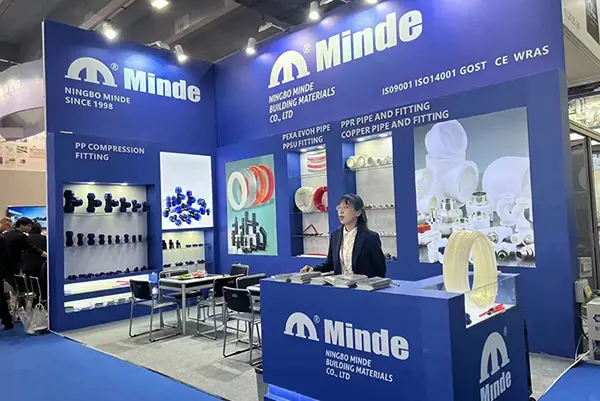
Ningbo Minde Building Materials Co., LTD. is a professional manufacturing factory rooted in Zhejiang Province, China, focusing exclusively on the research, production, and sales of plastic water pipes and matched pipe fittings. With over two decades of deep industry experience, we have grown into a trusted supplier serving global plumbing, agricultural, and floor heating industries. Our comprehensive product portfolio covers full sets of PP compression fittings, PPR pipes, and connectors, widely deployed in residential potable water supply, farm irrigation projects, and modern underfloor heating systems.
To guarantee eco-friendly, long-lasting pipeline products for end users, Minde strictly adopts premium imported virgin raw materials for all production lines, eliminating recycled inferior materials that cause leakage or short service life. Our factory spans over 90,000 square meters of standardized production workshops, equipped with 45 automated pipe extrusion lines and 85 precision injection molding machines, supported by a fully automated feeding system to stabilize raw material mixing and molding consistency. More than 200 skilled staff work alongside a professional team of technical engineers and experienced management backbones, balancing large-scale mass production with customized order flexibility for global clients.
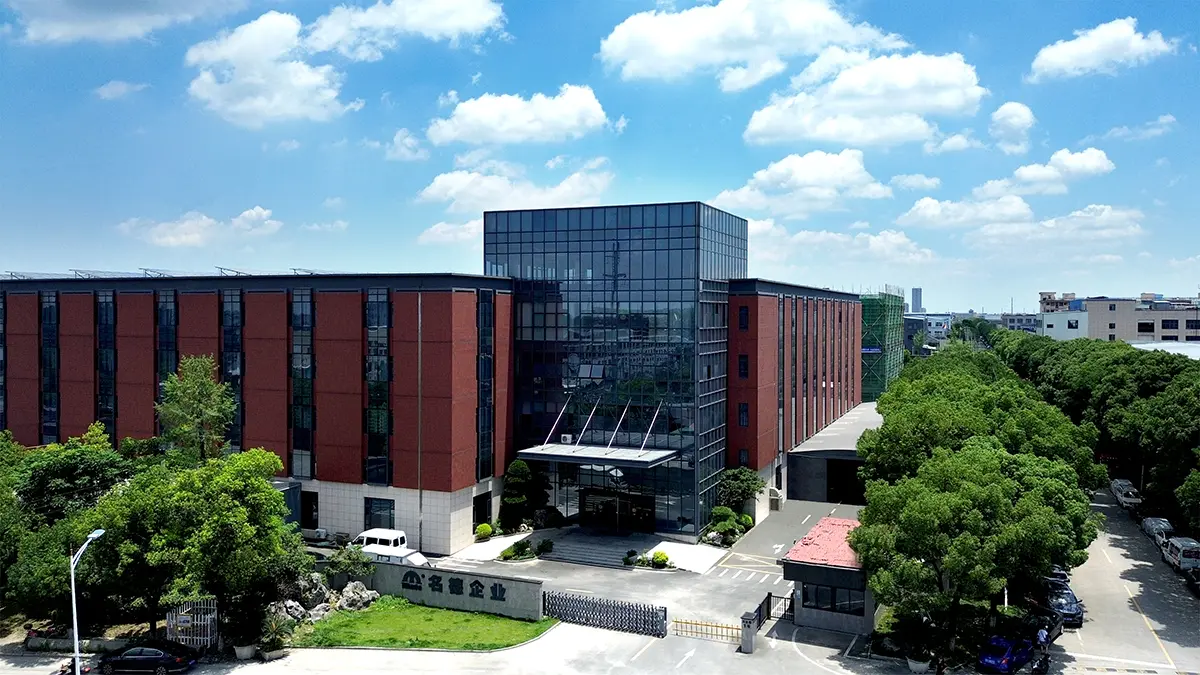
Our factory utilizes closed-loop automated production loops, assuring that each raw material batch is pneumatically loaded into dry storage before injection molding. This prevents moisture contamination and micro-void defects within the fitting bodies.
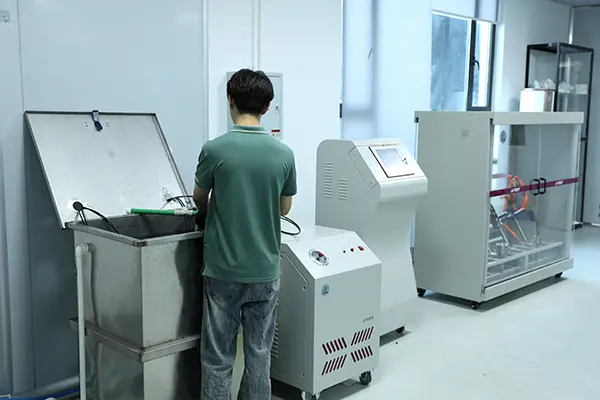
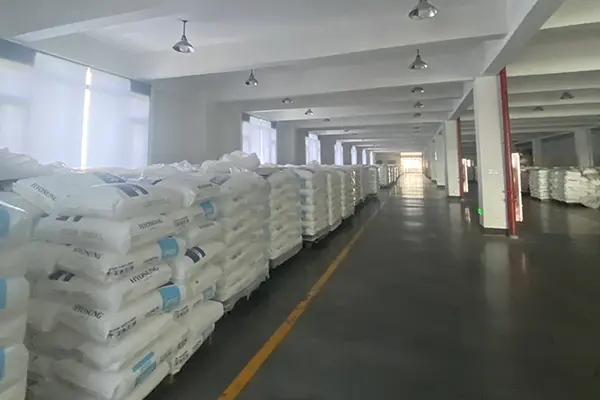
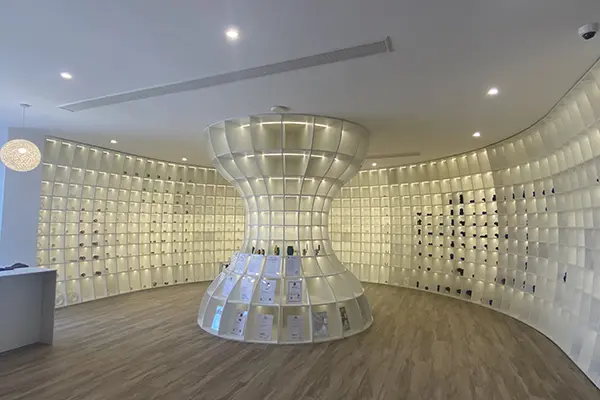
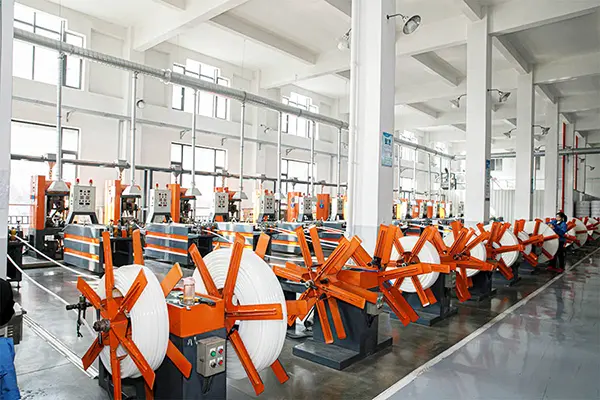
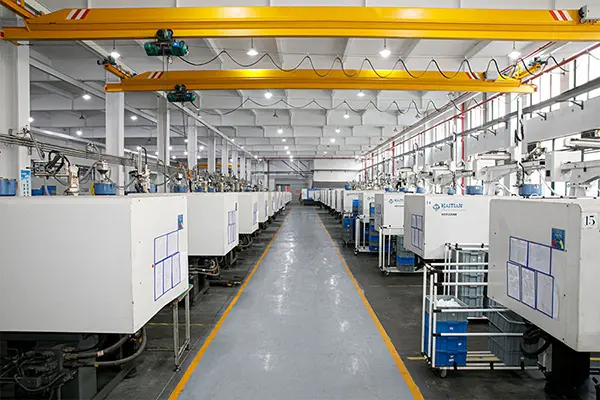
We employ full-process inspection: Raw Material Verification (melt flow rate and density analysis), In-Process Control (dimensional verification, wall thickness checks), and Post-Production Testing (hydrostatic pressure testing at 1.5 times nominal pressure, impact tests, pull-out force limits).
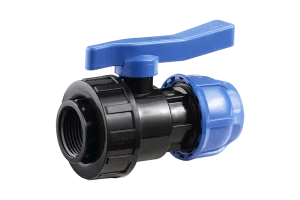
The structural integrity of a PP compression fitting lies in its physical design. Unlike PVC solvent cement joints or copper soldering, a mechanical compression fitting relies on five internal parts working dynamically:
Molded using high-impact Polypropylene Block Copolymer (PP-B) containing UV stabilizers to withstand intense South African solar exposure.
Polyacetal (POM) split-ring design that bites into the HDPE pipe, preventing longitudinal slippage and pipe pull-out under high-pressure spikes.
Highly elastic Nitrile Rubber (NBR) or EPDM profile seal, ensuring an air-tight, leak-free joint under both positive pressure and negative vacuum conditions.
Pressure vs. Temperature Coefficiency: Under standard conditions (20°C), a PN10 fitting has a nominal working pressure of 10 Bar (1.0 MPa). However, as temperatures rise in the dry South African interior (up to 40°C during summer), pressure capacity must be de-rated in accordance with international standards. Our fittings are designed with safety factors exceeding 1.25x nominal rating to prevent premature failure during hot summer afternoons.
For major civil engineering projects and municipal tenders in South Africa (managed by departments like Rand Water or Johannesburg Water), compliance is non-negotiable. Minde products have undergone intensive international testing to guarantee suitability for drinking water and high-stress civil infrastructure.
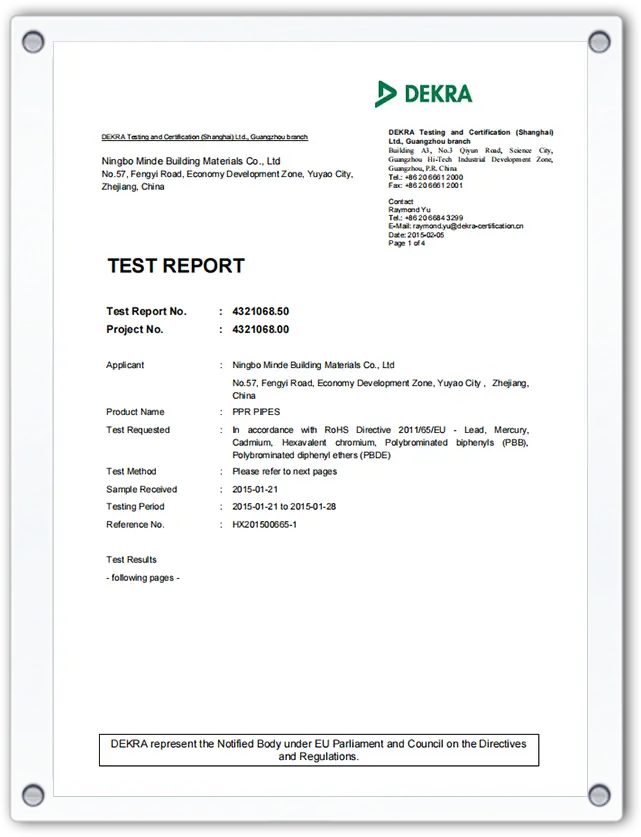
ISO 9001:2022 Quality System Management Approved
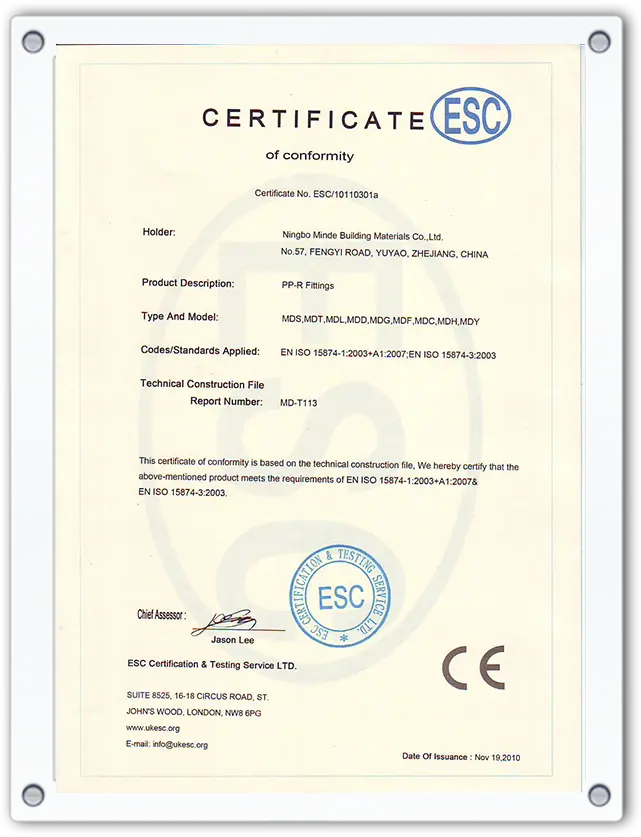
CE Compliance For EU Standard Pipe Distribution
WRAS Approved Drinking Water Material Compliance
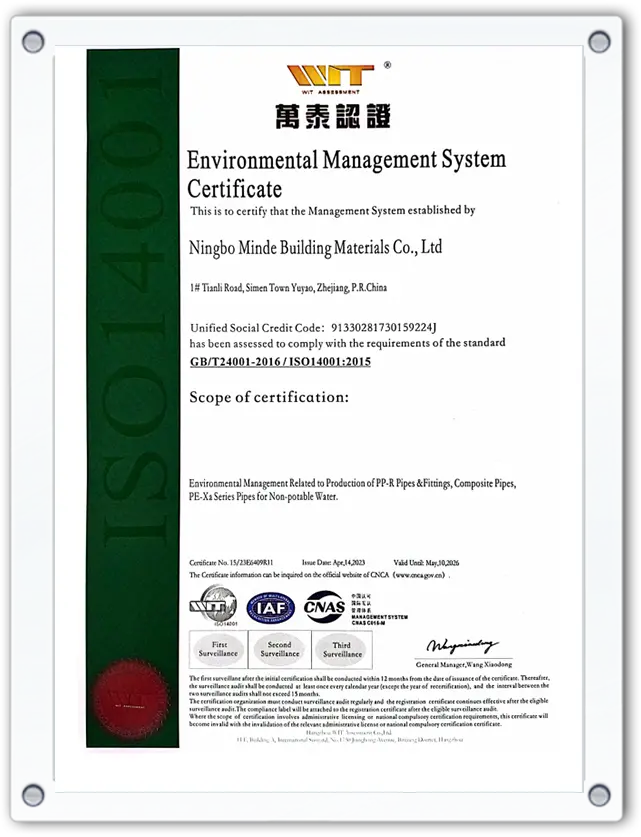
Additionally, our production pipeline aligns with Russian GOST and ISO 14001 environmental safety regulations, assuring global procurement officers of our corporate social responsibility and strict carbon-footprint reduction compliance.
When purchasing from China to supply the South African market, global procurement managers must evaluate total cost of ownership (TCO) beyond the factory-gate price. Factors influencing the final landing cost include:
By cooperating with Ningbo Minde directly, South African regional distributors bypass middle trading agencies, securing OEM prices with flexible ODM design support (e.g. customized logos, SANS color-coding, or special packaging designs).
Premium PP-B & PPR Piping Solutions with Global Approvals & Direct Factory Quotes
 Minde
Minde