Advanced hot & cold water piping distribution components optimized for durability under Indian climatic conditions.
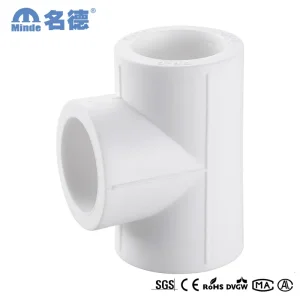
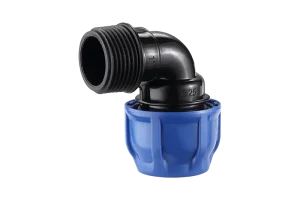
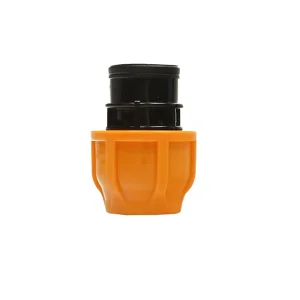
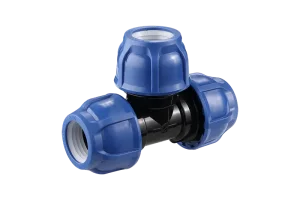
India's plumbing, irrigation, and industrial infrastructure are undergoing a massive transformation. Driven by rapid urbanization, smart city initiatives, and nationwide clean water initiatives like the Jal Jeevan Mission, the demand for durable, non-corrosive, and high-performance fluid transportation systems has skyrocketed. Historically dependent on Galvanized Iron (GI) and polyvinyl chloride (PVC) pipes, Indian contractors, engineers, and municipal authorities are rapidly transitioning to Polypropylene Random Copolymer (PPR) and High-Density Polyethylene (HDPE) systems.
In many parts of India, municipal water supplies are characterized by hard water with high mineral and dissolved solid content. Traditional GI pipes corrode and develop internal scale buildup, which drastically reduces flow rate and compromises water quality. In contrast, PPR fittings and pipes offer a completely smooth inner surface. This eliminates scaling and erosion, maintaining a low hydraulic friction coefficient over a operational lifespan exceeding 50 years.
Furthermore, India's diverse climate—ranging from the freezing temperatures of northern Himalayan regions to the extreme summer heat exceeding 45°C in central and western plains—requires materials with low thermal conductivity and high mechanical strength. PPR's superior elasticity and thermal properties prevent structural cracking during freeze-thaw cycles and maintain pressure ratings even under prolonged hot water delivery.
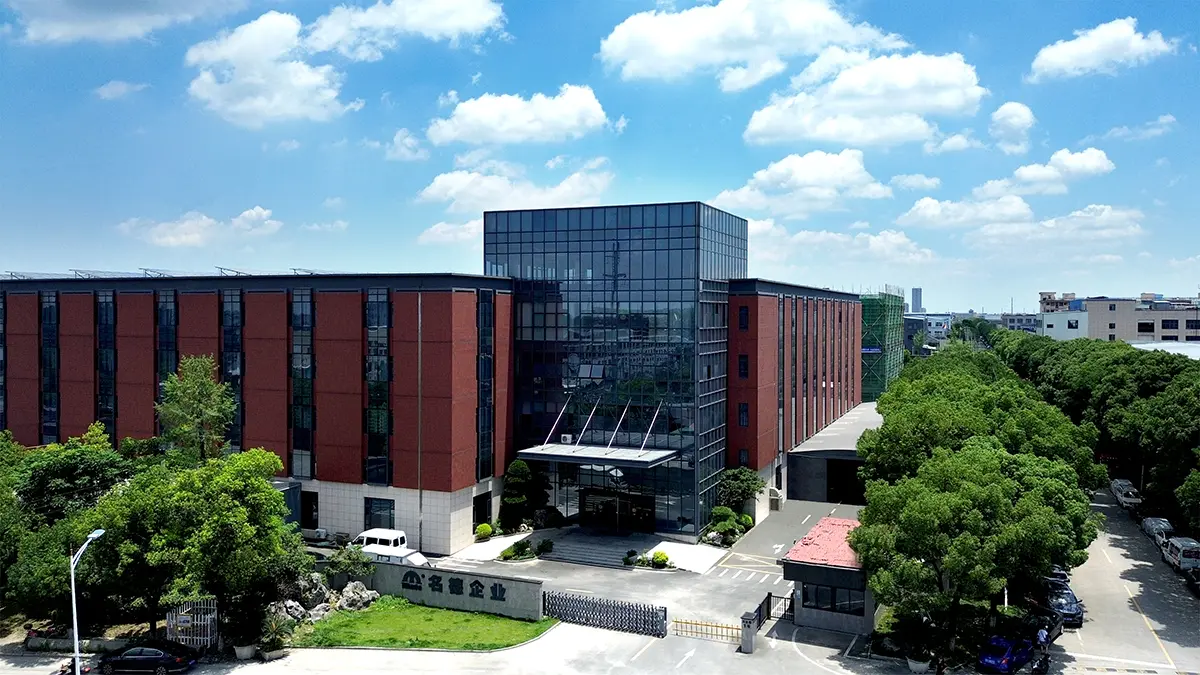
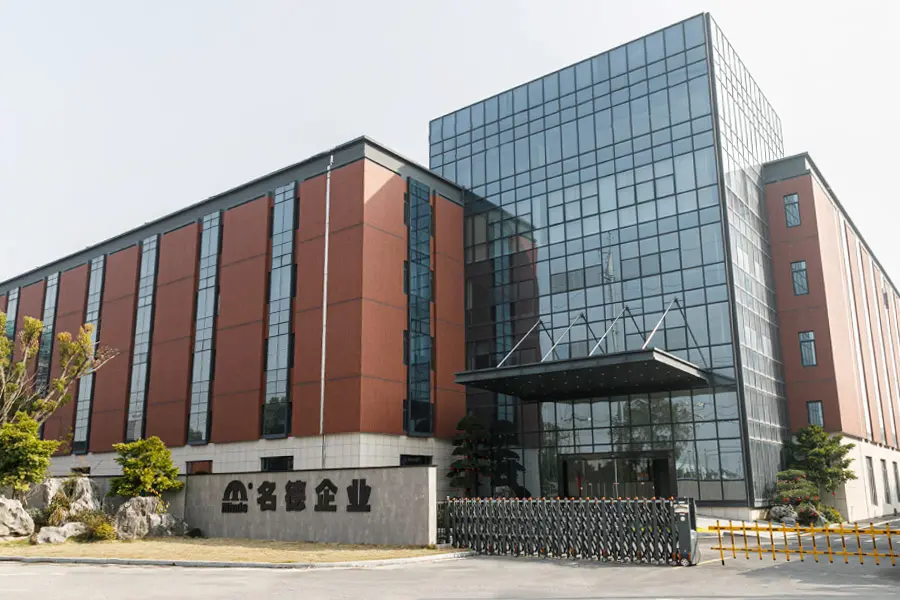
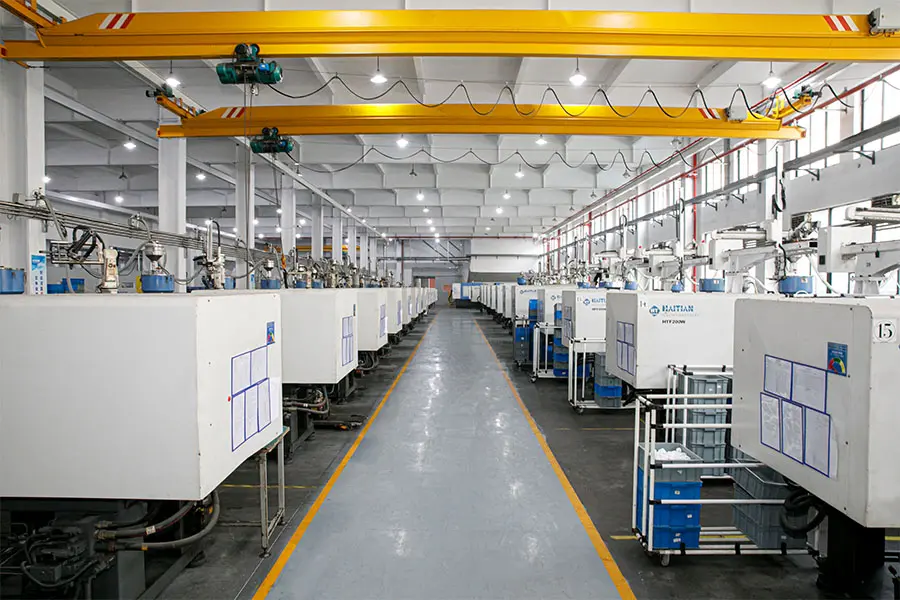
Our primary manufacturing facility, based in Ningbo, Zhejiang Province, China, covers a sprawling footprint of 90,000+ square meters. We operate with a workforce of over 200 dedicated professionals, including a highly experienced technical management team. By executing a strict three-point quality control regimen—encompassing raw material analysis, in-process quality monitoring, and final pressure destruction tests—we ensure that every batch of PPR and PP compression fittings complies with international CE, ISO9001:2022, WRAS, and GOST standards.
To support global supply chains and bulk procurement from India and neighboring regions, we utilize premium imported virgin polymer resins, avoiding recycled materials that cause premature aging or high-pressure failures. Our factory integrates advanced automated raw material feeding systems that feed 85 injection molding machines and 45 pipe production lines, assuring consistency in wall thickness and structural integrity.
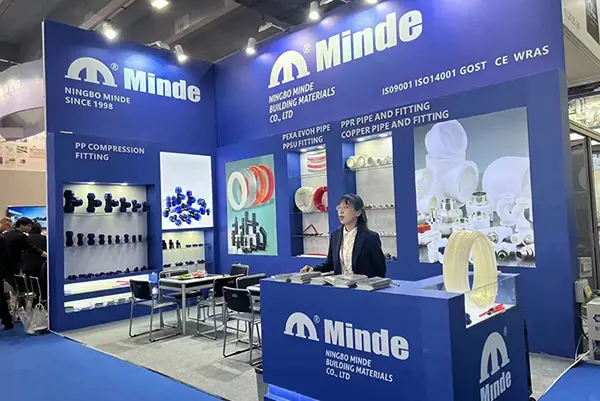
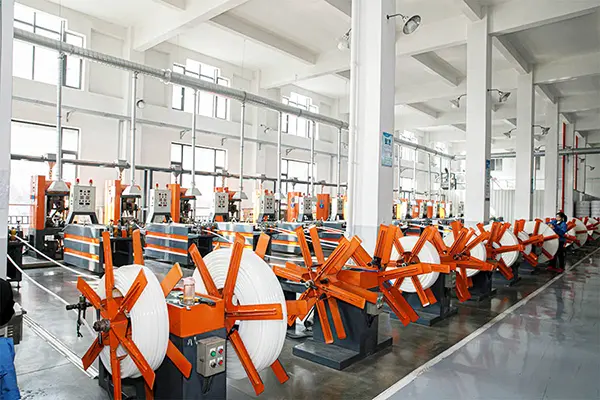
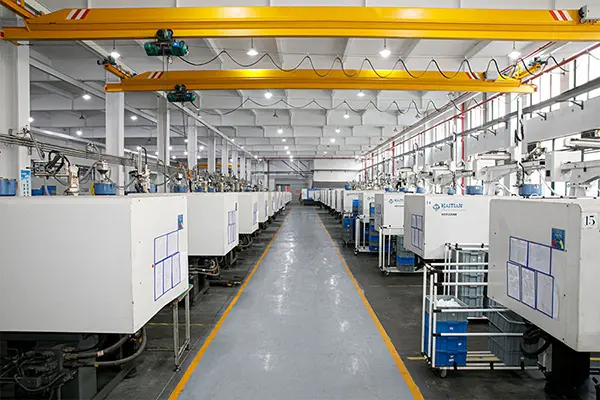
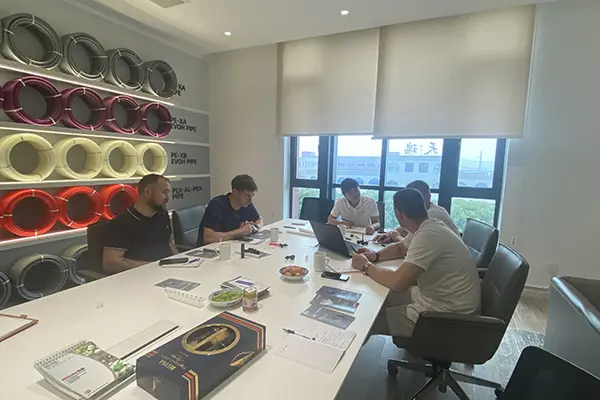
Engineered to deliver high performance across diverse construction and industrial sectors.
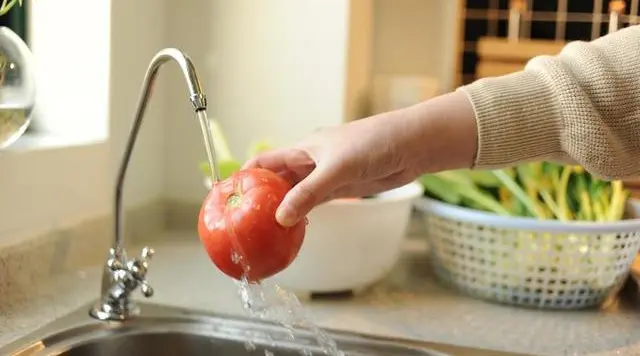
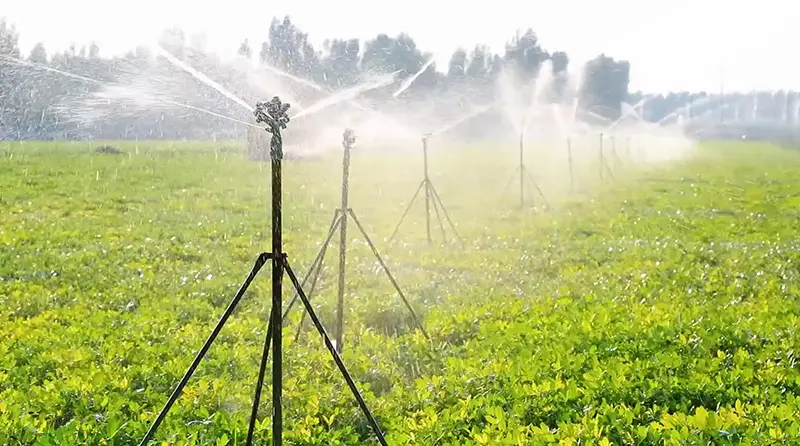
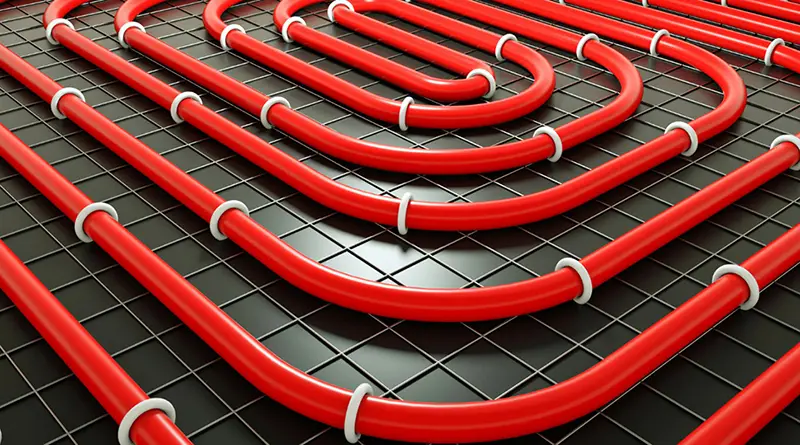
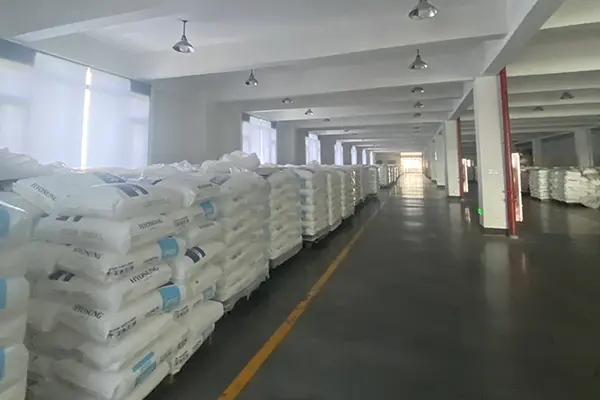
We source premium copolymer raw materials to prevent environmental stress cracking and structural degradation over decades.
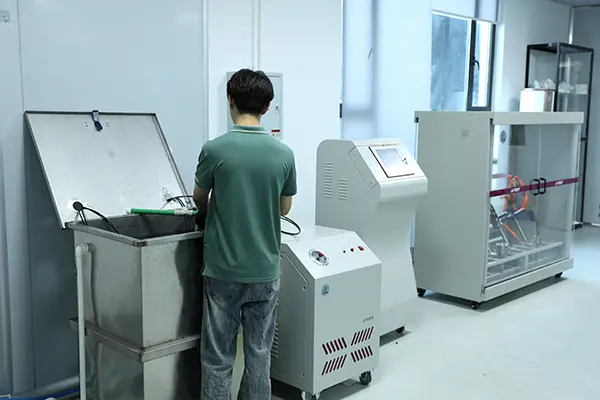
Hydraulic pressure, thermal degradation, and impact resistance are tested at three separate checkpoints during manufacture.
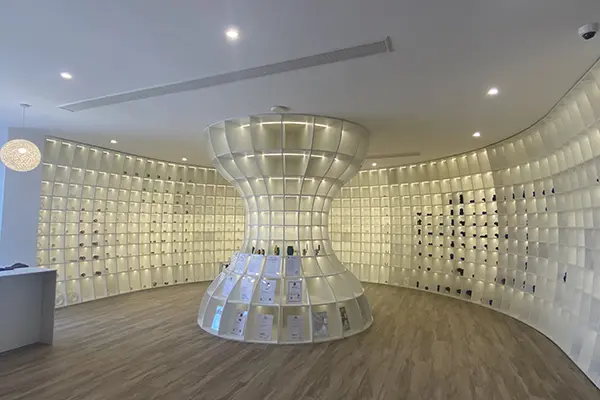
Fully certified with UK WRAS, CE Certification, ISO9001, and Russian GOST standards for high-pressure applications.
Minde piping products are engineered to conform to strict international benchmarks, ensuring seamless approval processes in Indian engineering and construction tenders.
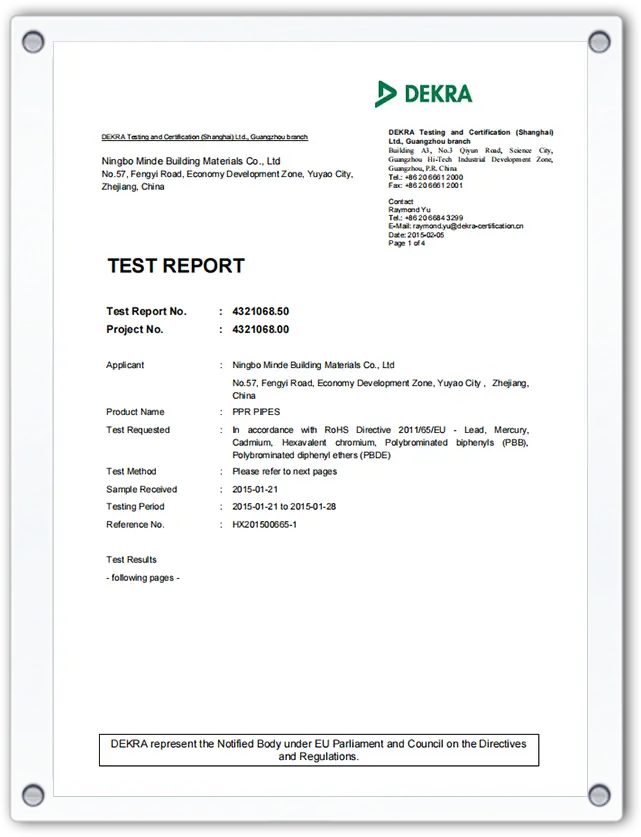
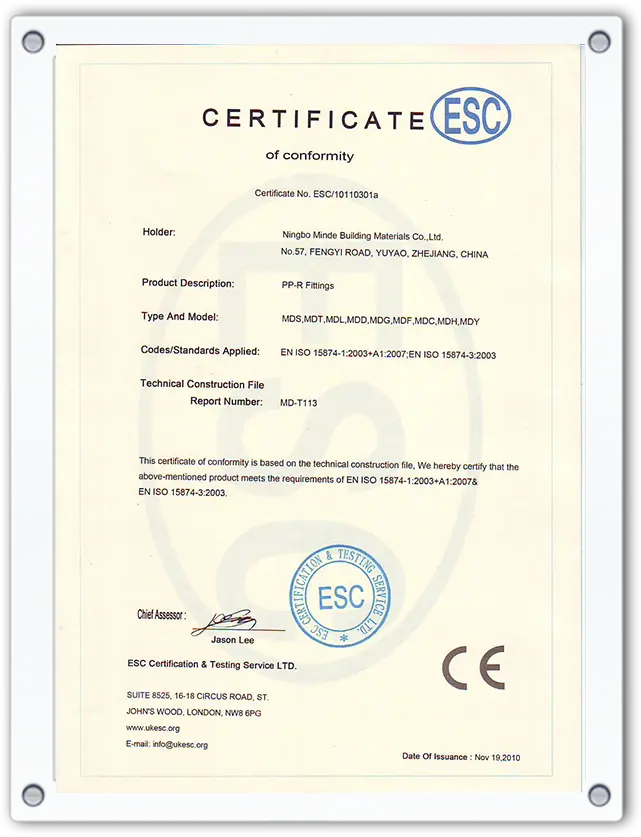
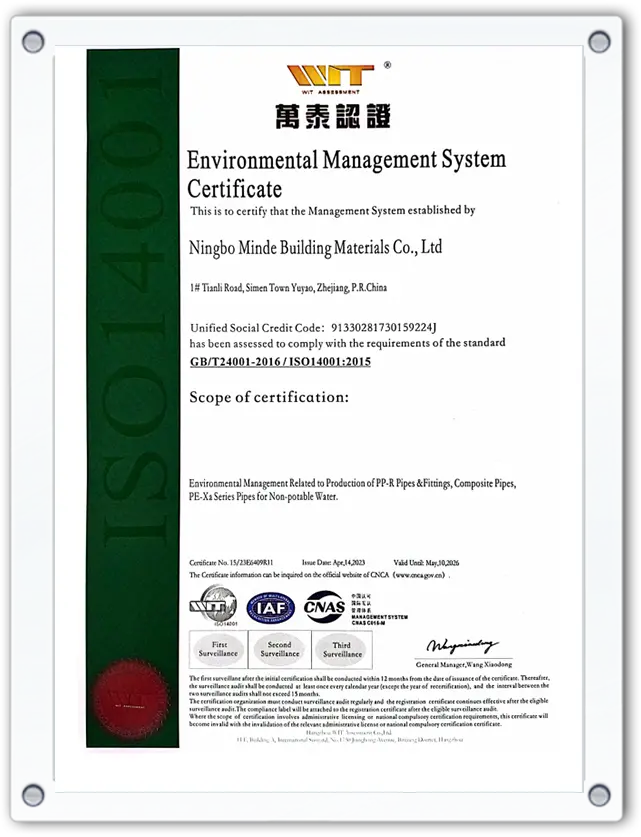
Our commitment to excellence has helped us obtain WRAS certification for safe drinking water, CE mark for compliance with European safety standards, and GOST-R certification for Eastern European markets. For distributors and developers in major Indian urban areas like Delhi-NCR, Mumbai, Bengaluru, Hyderabad, and Chennai, these certifications provide third-party validation of material reliability, long-term hydrostatic strength, and non-toxicity.
Importing plumbing components in volume requires optimization across several operational metrics: container utilization, customs clearances, and Lead-Time (L/T) consistency. Operating out of Ningbo, one of the world's most active and technologically advanced container ports, Minde provides Indian buyers with significant logistics advantages. Normal ocean freight transit from Ningbo to major Indian ports—such as Nhava Sheva (Mumbai), Chennai Port, and Mundra (Gujarat)—ranges from 15 to 22 days, allowing distributors to maintain lean stock schedules.
When engineering residential high-rises or industrial facilities, project managers often run comparative cost analyses between PPR and CPVC/GI systems. Although the initial raw material cost of metal systems can fluctuate with global commodity prices, their high installation and maintenance costs frequently lead to budget overruns. PPR fittings feature a unique fusion-welded connection. Once heat-fused, the pipe and the fitting merge to create a single, continuous polymer structure, eliminating joint leaks—the most common point of failure in traditional piping systems.
For Indian developers, this results in:

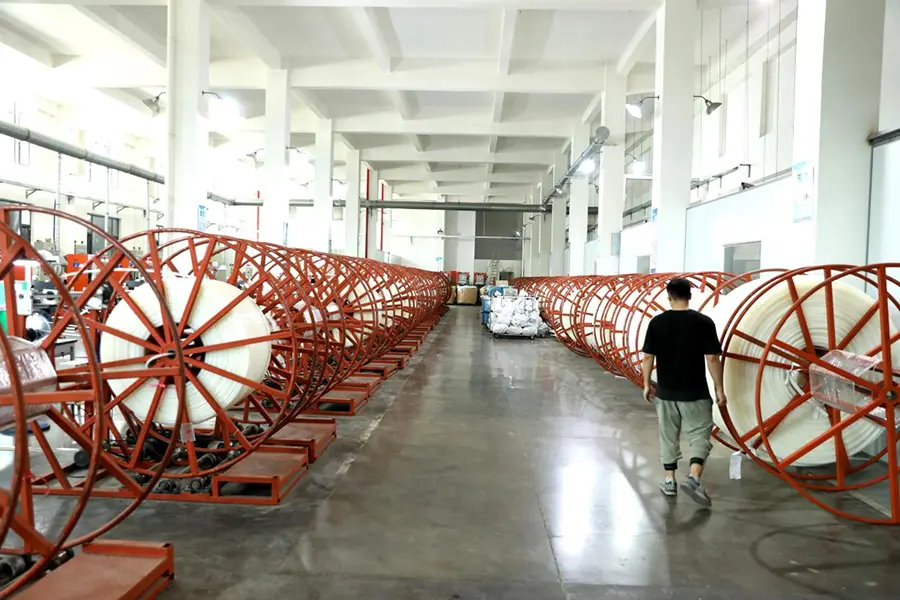
Explore our full range of international-grade products, keeping all original URLs and components intact for project specification and ordering.
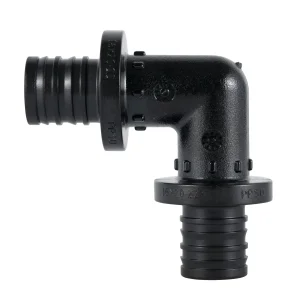
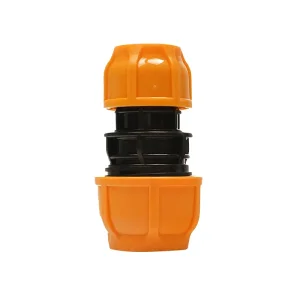
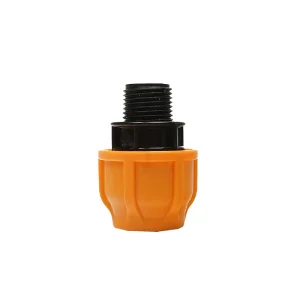
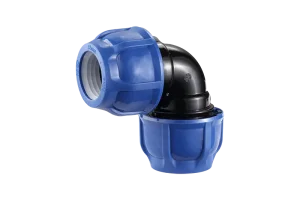
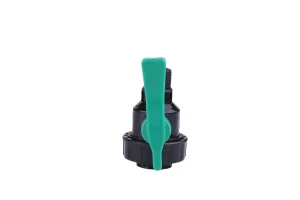
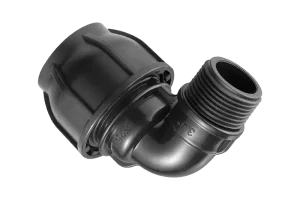
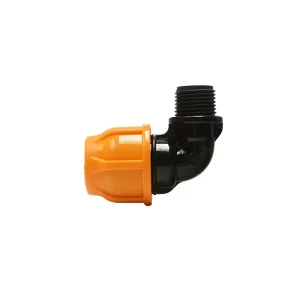
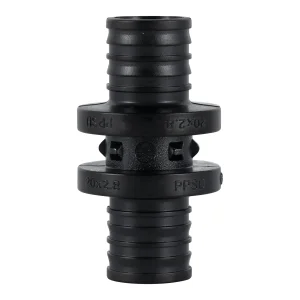
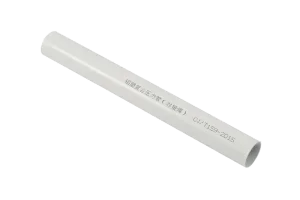
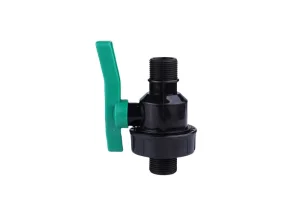
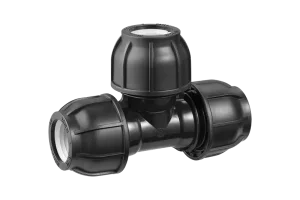
Direct technical answers addressing B2B procurement queries, material chemistry, and installation practices.
PPR (Polypropylene Random Copolymer) utilizes fusion-welding technology that melts the joint into a single homogenous system. Unlike CPVC, which relies on chemical solvent cements that can weaken over time and release trace chemical pollutants, PPR joint integrity is molecularly identical to the pipe body. Additionally, PPR exhibits higher impact elasticity, making it less brittle than CPVC under low temperatures, and has a lower thermal conductivity that preserves water temperature.
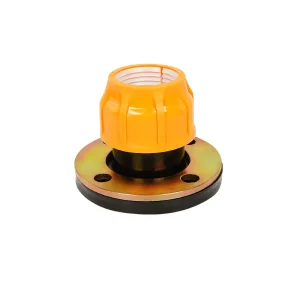
Our PP compression fittings are designed to operate at pressures up to PN16 (16 bar or 1.6 MPa) at normal temperatures. They feature high-performance nitrile rubber (NBR) O-rings that prevent leaks even under vacuum conditions. The high-rigidity split ring (polyacetal) provides solid mechanical resistance against pipe pull-out, which is critical for agricultural irrigation networks subject to water hammer and surface shifts.
Direct exposure to strong UV radiation can degrade raw polypropylene. For outdoor installations in India, we recommend utilizing black PP-compression fittings, which incorporate carbon black UV stabilizers, or insulating exposed PPR hot/cold lines with UV-resistant coatings or thermal insulation sleeves. This step maintains mechanical strength and extends the operational lifetime to over 50 years.
Minde S5 series PPR systems operate reliably within a temperature range of -10°C up to 95°C. For industrial boiler hot water systems, our PPR composite piping handles hot water cycles with minimal thermal expansion compared to standard unreinforced polymer variants.
Ningbo Minde is certified under ISO9001:2022 and ISO14001. Our plumbing systems comply with CE standards, have obtained WRAS certification in the UK for drinking water compatibility, and hold Russian GOST certifications, assuring top-tier reliability for B2B procurement tenders.
 Minde
Minde