Romania’s construction and infrastructure sectors are undergoing a significant structural transition. Guided by the EU Cohesion Policy, the National Recovery and Resilience Plan (PNRR), and municipal utility modernization drives, Romanian developers and utility agencies are aggressively replacing aging galvanized and cast-iron networks. The geographical diversity of Romania—from the freezing winter climates of the Carpathian Mountains to the scorching summers of the Danube Plain—places harsh thermo-mechanical demands on piping infrastructures.
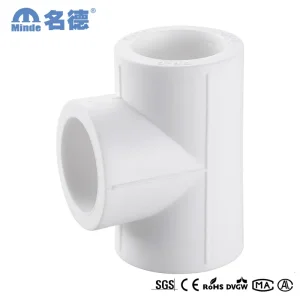
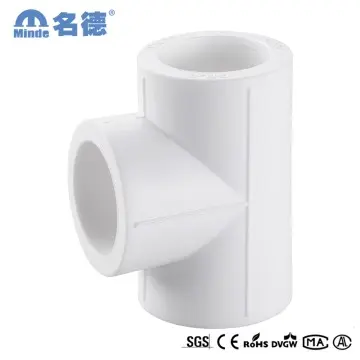
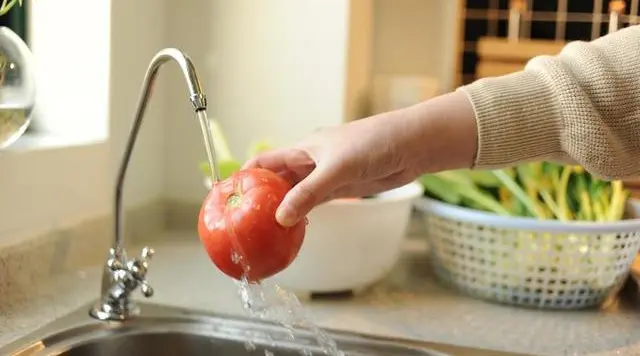
In response, Polypropylene Random Copolymer (PPR) pipes and compression fittings have emerged as the standard for civil, industrial, and agricultural hydraulic systems. Compared to traditional copper and steel, PPR offers zero corrosion risk, low thermal conductivity, and a service lifetime exceeding 50 years under continuous high-pressure conditions. As a leading manufacturer, Ningbo Minde Building Materials Co., LTD. provides Romania with engineered polymer systems designed to withstand extreme freeze-thaw cycles while maintaining compliance with EU drinking water standards.
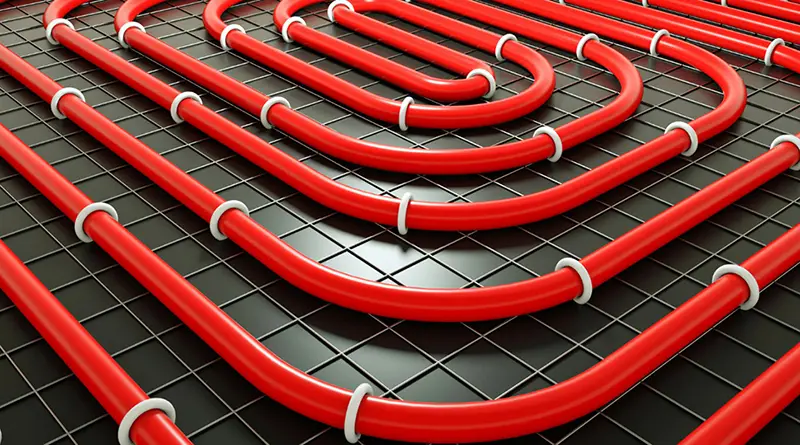
Major Romanian metropolises like Bucharest, Cluj-Napoca, Timișoara, and Iași are witnessing a surge in high-rise residential construction and commercial real estate. These modern buildings demand complex HVAC setups and integrated underfloor heating systems. PPR-FR (Fiber-Glass Reinforced) and multilayer oxygen-barrier PE-Xb piping are critical in preventing dissolved oxygen from corroding boilers, heat exchangers, and metal pumps.
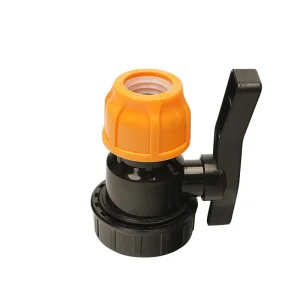
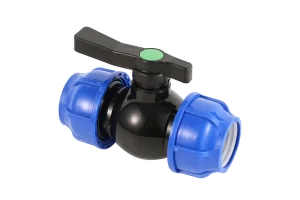
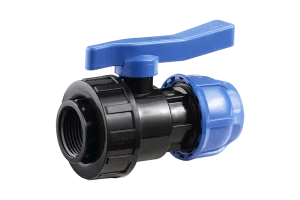
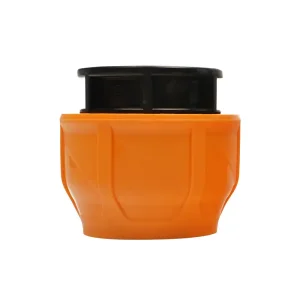
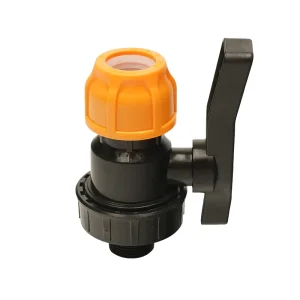
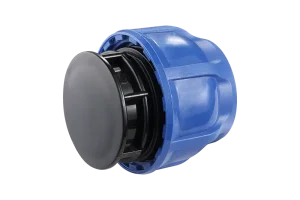
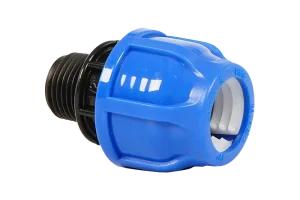
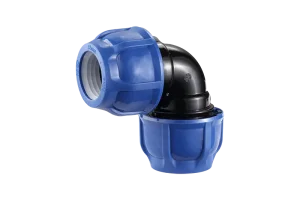
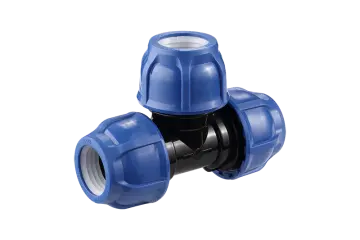
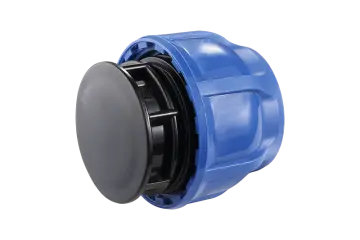
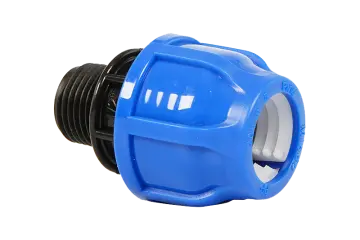
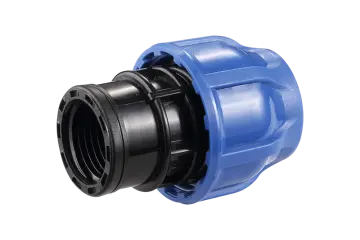
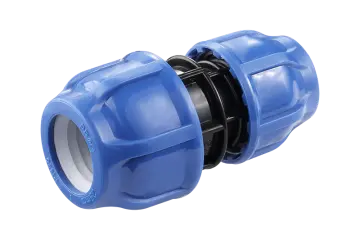
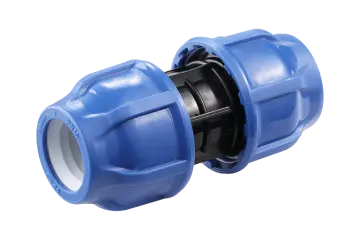
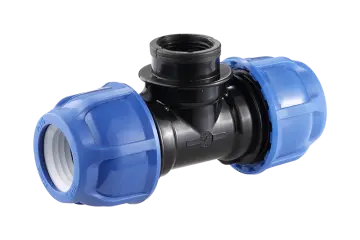
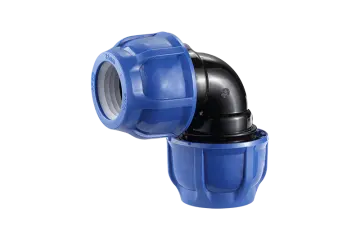
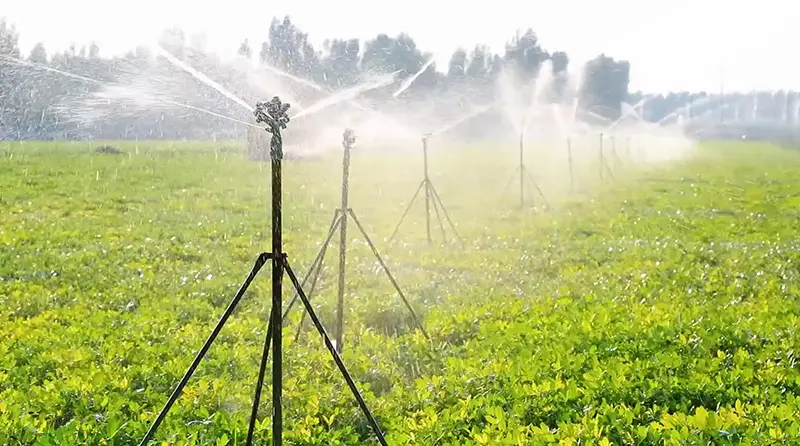
The agricultural flatlands of southern and eastern Romania require highly resilient water transportation networks for micro-irrigation. Here, PP compression fittings and PN16 quick-connect valves are critical. Their ability to handle high pressures (up to 16 bar) without heat fusion makes installation rapid and cost-effective across vast rural farming grids.
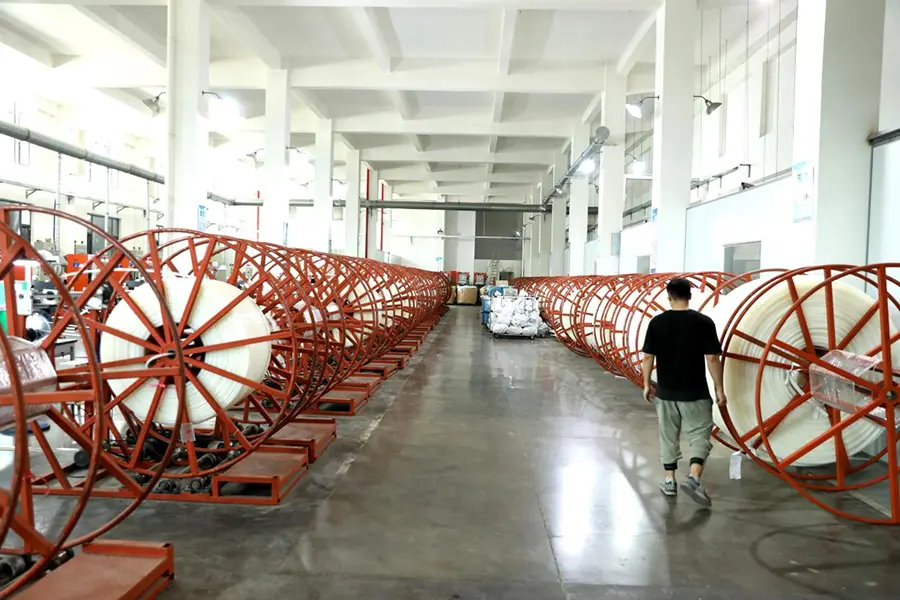
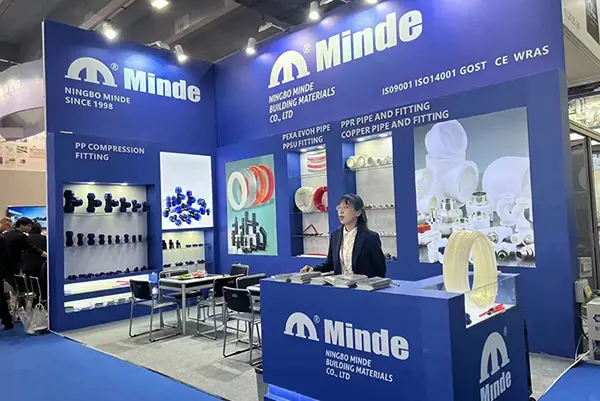
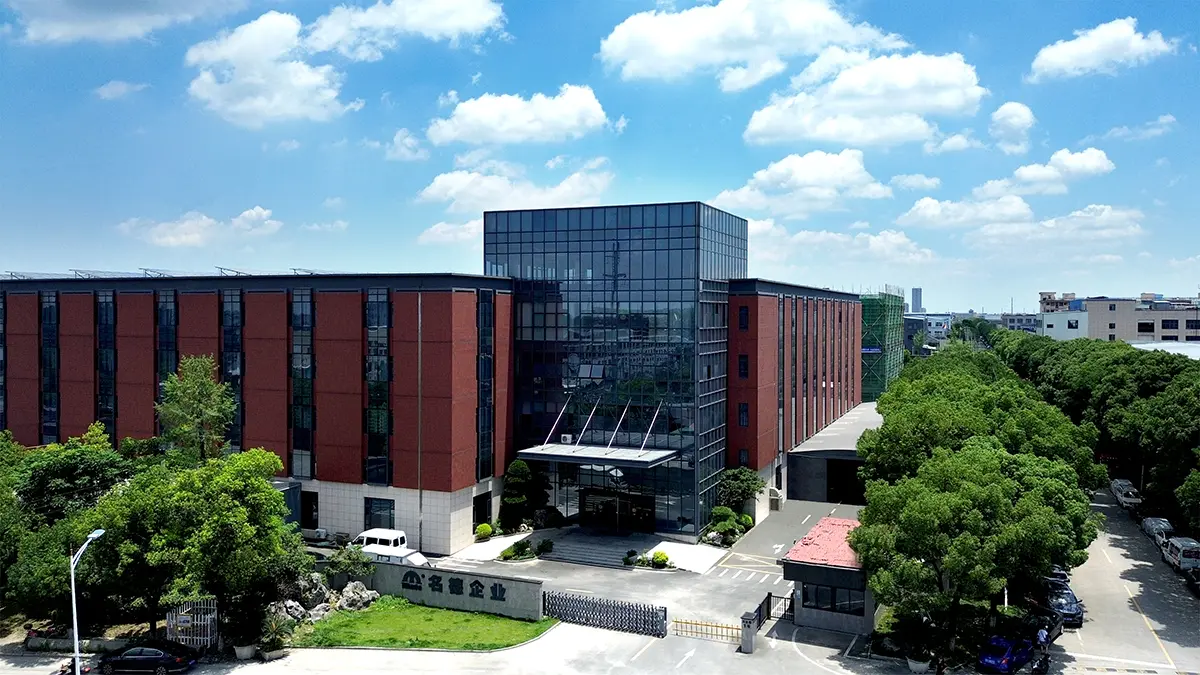
Ningbo Minde Building Materials Co., LTD., located in Zhejiang Province, China, is a vertically integrated developer and manufacturer of polymer plumbing systems. With over 20 years of experience in engineering high-durability plastic pipes and fittings, we support municipal contractors, agricultural engineers, and private distributors in Romania and 50+ other nations worldwide.
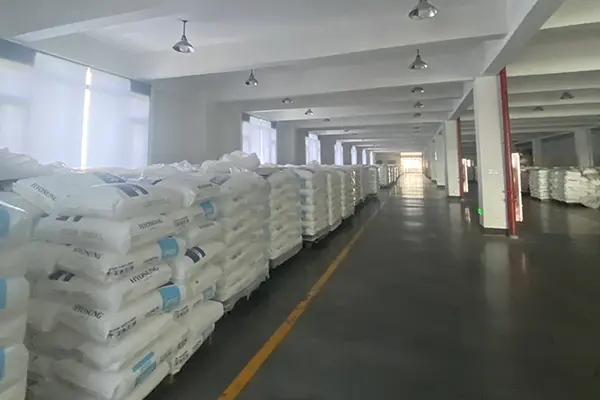
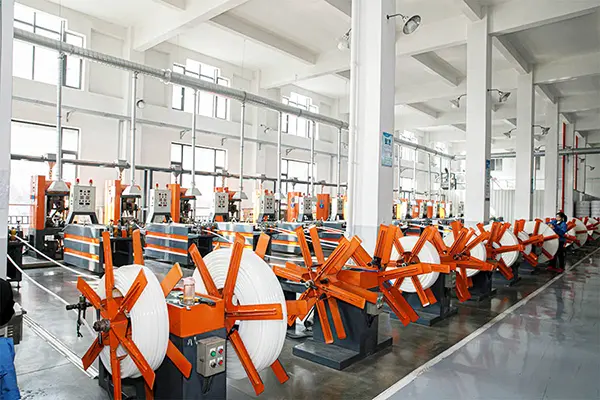
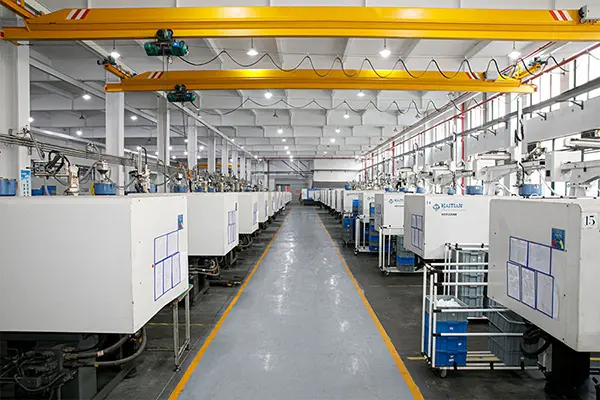
To ensure complete safety for potable water applications, MINDE strictly utilizes 100% premium virgin raw materials sourced from world-class petrochemical leaders (such as Borealis and Hyosung). This ensures our PPR and PP compression lines are free from heavy metal contamination, maintain chemical stability under varying pH levels, and resist long-term thermal oxidation. Our production campus covers an expansive 90,000+ square meters, utilizing cutting-edge automation to fulfill high-volume international orders while maintaining strict batch traceability.
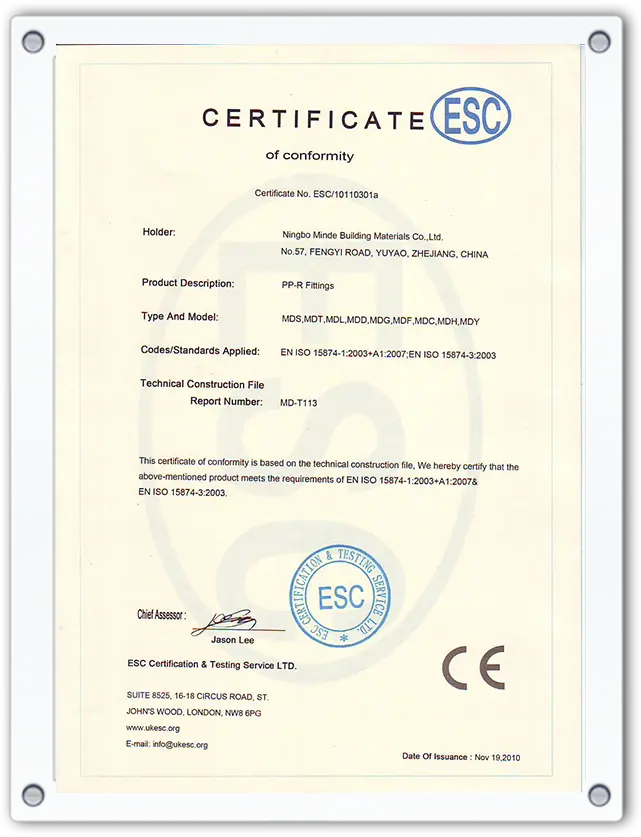
Modern plumbing requires high thermal resistance and mechanical resilience. Not all polypropylene fittings are manufactured equally. At MINDE, our PPR pipeline systems conform strictly to European Standard EN ISO 15874.
Inferior fittings often contain post-consumer recycled plastics, which introduce microscopic impurities. Under continuous pressure and temperature cycles, these impurities lead to stress cracking and premature failure. We utilize only virgin PPR-80 random copolymer. This molecular configuration features ethylene molecules randomly distributed along the polypropylene backbone, maximizing impact strength (especially at sub-zero temperatures) and granting optimal chemical resistance against disinfectants like chlorine and chloramines.
A key challenge for Romanian plumbing designers using plastic pipelines is thermal expansion. Standard PPR expands significantly under hot water cycles. To address this, we manufacture fiber-reinforced composite PPR pipes (PPR-FG). The intermediate fiberglass layer limits linear expansion by up to 75%, matching the stability profile of copper while eliminating the weight and material cost.
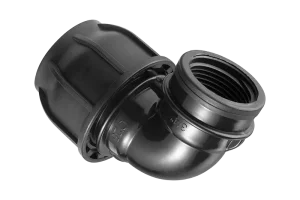
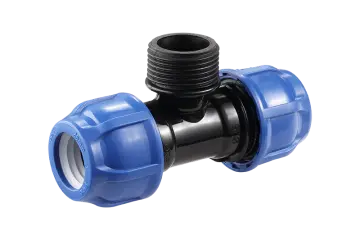
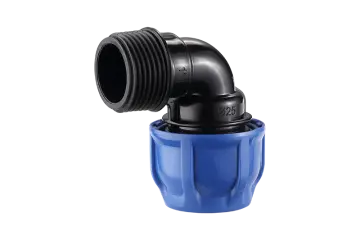
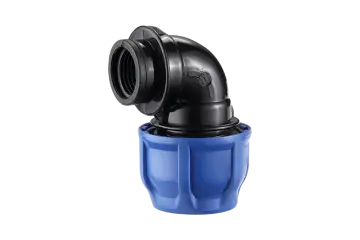
In transitions between plastic and metal threads (such as valves, boilers, and heat meters), galvanic corrosion presents a significant risk. MINDE’s threaded fittings feature heavy-duty brass inserts with specialized anti-rotation grooves. These inserts are nickel-plated or made of DZR brass to prevent de-zincification when exposed to aggressive Romanian geothermal municipal waters.

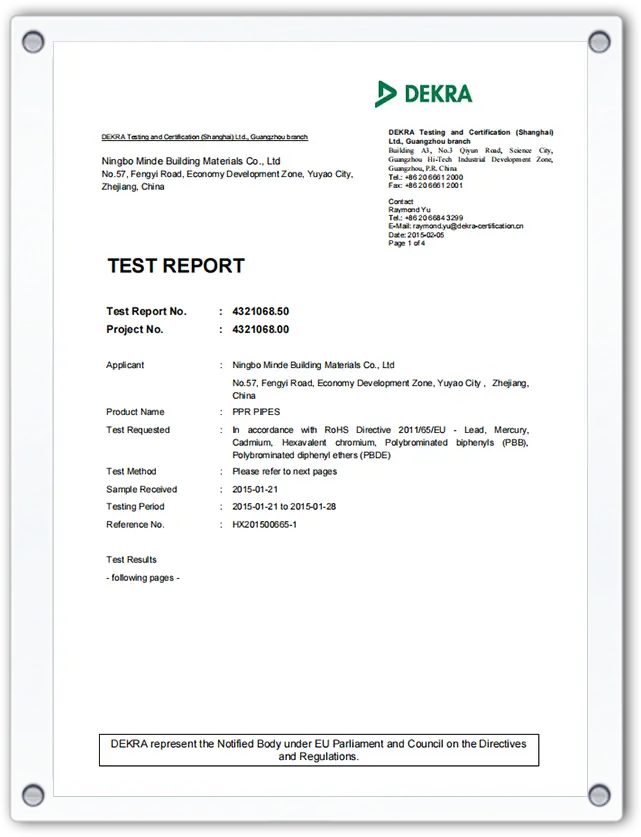
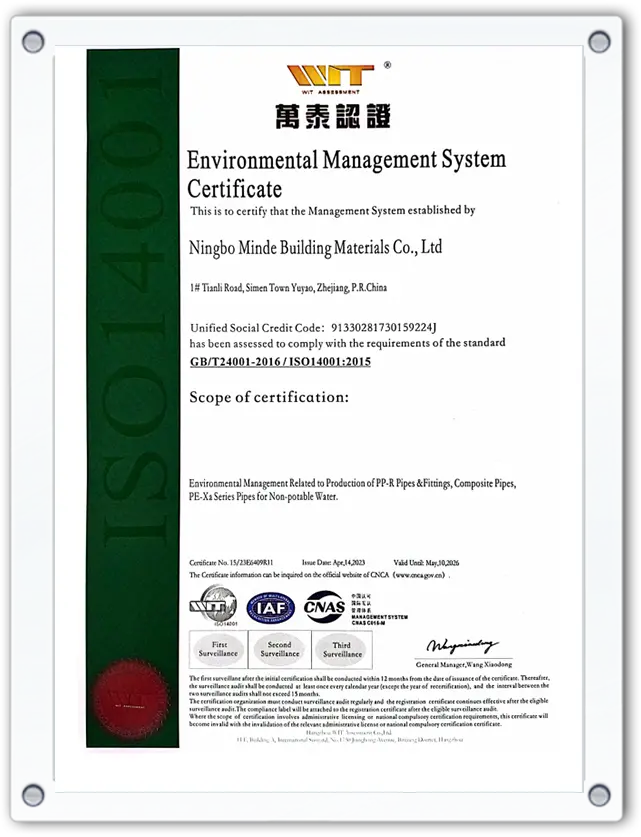
The Inspectoratul de Stat în Construcții (ISC) in Romania mandates that all polymer components utilized in municipal drinking water and public heating grids possess valid international performance testing reports. MINDE maintains a comprehensive suite of quality certifications:
Our products are fully compliant with EU construction products regulations, enabling smooth customs clearance and regulatory sign-offs on Romanian construction sites.
Guarantees that no harmful chemical compounds, odor, or micro-organisms leach into drinking water networks, meeting safe hygiene and health requirements.
Reflects our advanced management standards and eco-responsible production protocols. We implement rigorous energy-saving metrics in our factory.
Demonstrates our system's capacity to maintain structural integrity under extreme sub-zero conditions, which is crucial for northern Romanian mountain climates.
The durability of a PPR piping network relies heavily on installation quality. Unlike mechanical systems, joint fusion forms a homogenous material union. Below, MINDE’s engineering team outlines the precise hot-fusion parameters required to achieve a lifetime leak-proof seal under Romanian ISC plumbing guidelines.
Pipes must be cut perpendicular to their axis using sharp, burr-free pipe cutters. Wipe the welding zone of both pipe and fitting with isopropyl alcohol to remove oil, dust, or moisture. Draw a weld depth marker on the pipe based on diameter specifications to avoid over-insertion during heating.
Preheat the fusion machine to exactly 260°C (±5°C). Heating plates must be clean. Once the tool reaches the set temperature, push the pipe and fitting into the heating adapter simultaneously, without rotation. Begin counting heating time immediately.
Quickly remove the components from the heating adapter and slide the pipe smoothly into the fitting until the welding depth line is covered by the double collar. Keep the parts aligned without rotation. Apply constant pressure during the assembly window to form a solid, molecularly fused joint.
Allow the joint to cool completely before applying mechanical stress or water pressure. Once construction is complete, perform a hydraulic pressure test at 1.5 times the nominal working pressure (e.g., 24 bar for a PN16 system) for 24 hours to verify system integrity before sealing walls or flooring.
For Romanian plumbing importers, distributors, and general contractors, selecting a pipeline supplier involves balancing cost, lead times, and manufacturing quality. Partnering with Ningbo Minde Building Materials Co., LTD offers several strategic advantages:
Ningbo is home to the world's largest deep-water seaport (Ningbo-Zhoushan Port). This geographic advantage enables direct, high-frequency maritime freight routes to the **Port of Constanța**, Romania's primary Black Sea shipping hub. This direct route minimizes transit times, lowers container shipping rates, and reduces transshipment delays.
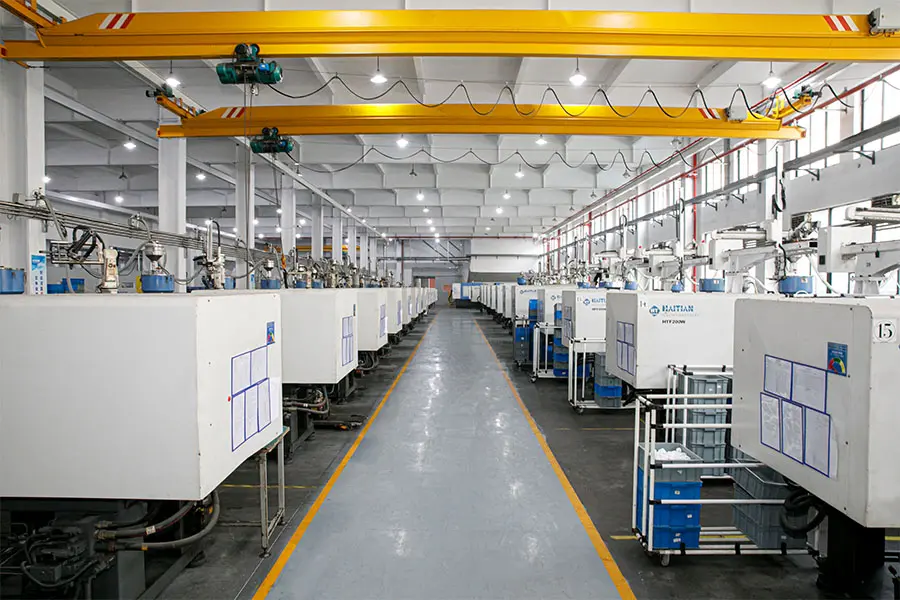
Operating 45 extrusion lines and 85 high-capacity injection molding machines allows MINDE to purchase high-grade raw polymer resins in bulk. This volume purchasing insulates our European partners from the pricing volatility common among smaller domestic manufacturers, helping you secure stable profit margins.
We offer fully customized branding services for Romanian regional distributors. This includes printing specialized bar codes, item numbers, and Romanian language installation instructions directly onto outer packaging. We also support customized pipe extrusion marking lines to meet local utility company requirements.
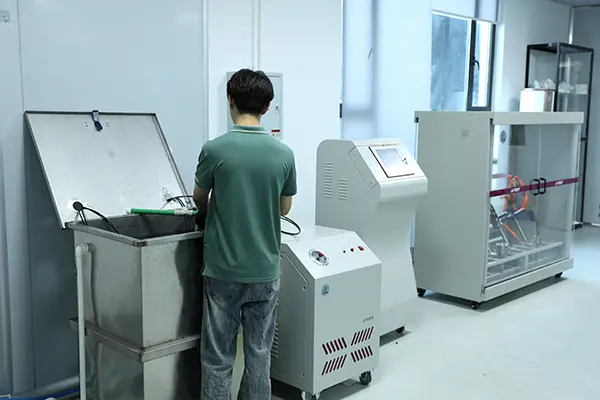
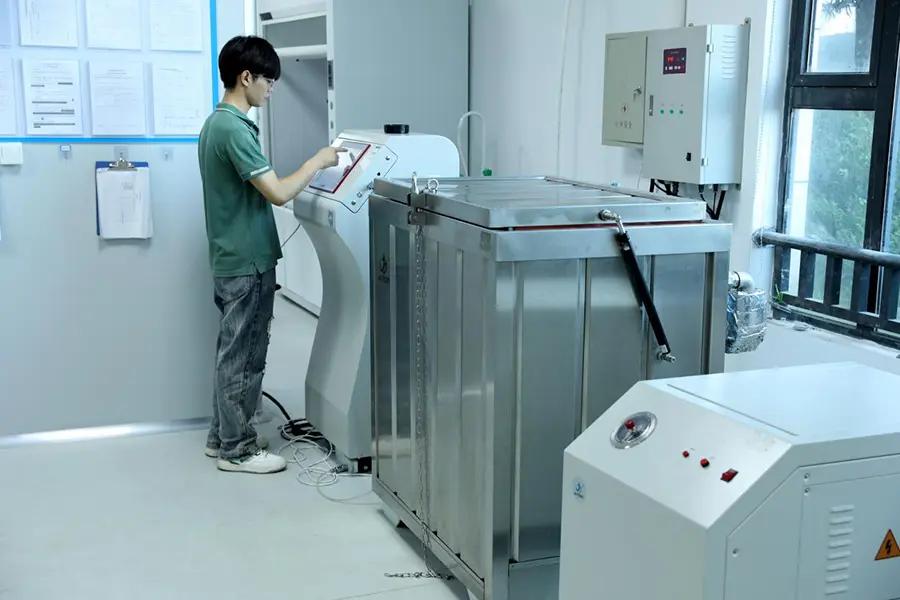
Our three-point quality control protocol (incoming raw material testing, real-time extrusion tolerances monitoring, and final batch burst pressure testing) guarantees that every shipping container matches our certified CE quality standards. We retain physical samples and digital test logs for every production batch for up to 5 years.
Our dedication to performance is proven by successful deployments across Romania. Below are three representative projects where Minde pipeline systems met demanding local requirements:
For a multi-family residential development in Cluj-Napoca, the engineering contractor required oxygen-barrier underfloor piping capable of maintaining integrity under cyclical thermal loads.
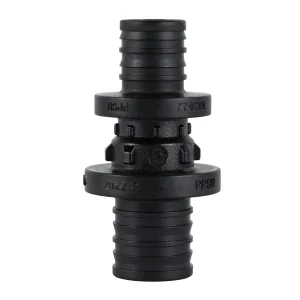
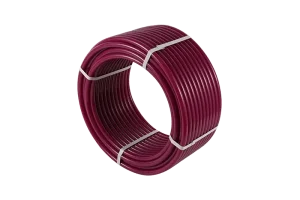
Solution: Minde 5-Layer PE-Xb EVOH Pipes and PPSU Reducing Couplings. The EVOH co-extruded barrier layer successfully limited dissolved oxygen ingress, protecting the development's central hydronic boilers and circulating pumps from oxidation.
A large-scale agricultural cooperative required high-pressure irrigation lines capable of being quickly deployed and reconfigured directly in open fields.
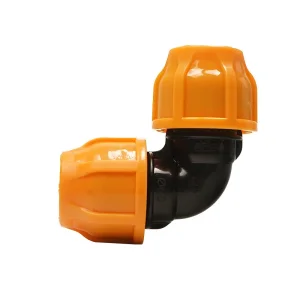
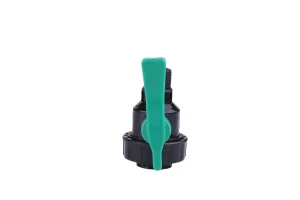
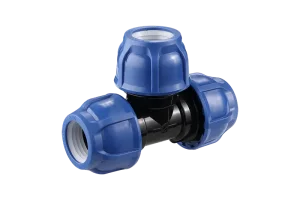
Solution: Minde PP PN16 Compression Equal Tees and Quick-Connect Compression Ball Valves. The mechanical grip-ring design allowed on-site assembly without electric generators or specialized heat-fusion machinery, reducing overall installation costs.
An older seaside municipal district required the replacement of deteriorating galvanized steel pipes with corrosion-resistant, food-grade alternatives.
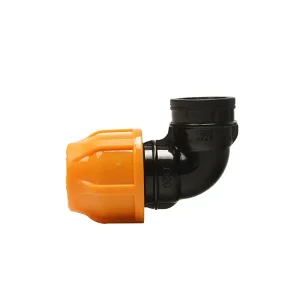
Solution: Minde CE-Certified PN16 PPR Pipes and Threaded Transition Elbows. The non-corrosive properties of our virgin PPR copolymer eliminated rust issues, and the high-grade brass inserts ensured stable connection points to existing metal mains.
Get in touch with our engineering team today for technical catalogs, certificate copies, and factory-direct pricing for the Romanian market.
Send Inquiry Now Minde
Minde