Direct supply line engineered to comply with strict municipal code demands, featuring superior freeze-thaw tolerance and high-pressure ratings.
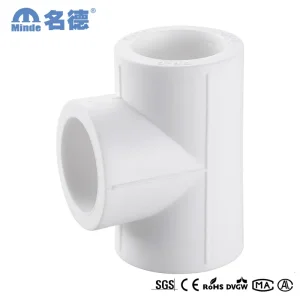
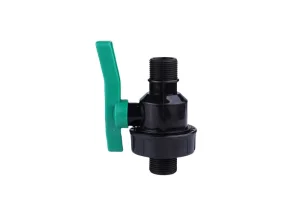
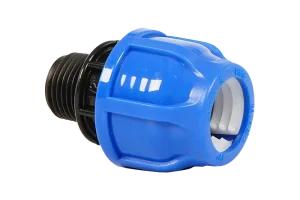
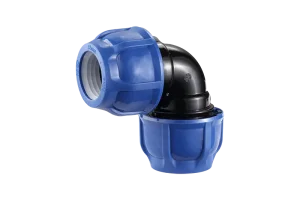
Chicago, a historic hub of industrial manufacturing and architecture, presents a highly demanding environment for municipal and commercial mechanical systems. The Great Lakes region is defined by extreme weather dynamics: temperatures drop below -10°C (14°F) in severe winters, followed by humid, warm summers. Standard metallic pipes (carbon steel, ductile iron, and copper) are susceptible to rapid degradation, internal scaling, and freeze-cracking. Under these conditions, modern mechanical engineers and municipal procurement officers are shifting to advanced copolymer structures, specifically Polypropylene Random Copolymer (PPR) and High-Density Polyethylene (HDPE) systems, to replace legacy materials.
The City of Chicago faces one of the largest lead service line replacement challenges in the United States. Municipalities are actively evaluating long-term, non-corrosive, thermoplastic alternatives for interior water distribution, heat exchange, and tertiary supply networks. PPR piping is inherently inert; it does not leach toxic heavy metals, nor is it susceptible to galvanic corrosion or pitting. By choosing high-quality PPR and PP compression systems, developers ensure compliance with NSF/ANSI 61 standard frameworks, guaranteeing clean, safe drinking water distribution for decades.
Our flagship product line, the S5 Series PN10 PPR Pipe, is custom-tailored to handle temperatures ranging from -10°C to 50°C for cold-water infrastructure. For hot-water, commercial hydronic heating, and radiant underfloor applications, our material range includes specialized polymer options like PE-Xb EVOH pipes with oxygen barriers. The integrated molecular lattice structure absorbs structural shocks and dampens water hammer occurrences—common in multi-family residential towers in the Loop and Chicago metropolitan industrial zones.
Our PPR pipes are constructed using premium imported virgin raw materials. The random copolymerization process introduces ethylene molecules randomly into the polypropylene molecular chain, altering its crystalline properties. This delivers several critical structural advantages:
Designed for chemical resistance across pH ranges 1 to 14. Perfect for Chicago commercial kitchens, mechanical utility rooms, and agricultural applications.
PPR systems employ heat fusion methods, transforming joints into monolithic plastic networks. Leak risks are virtually zero compared to traditional press-fittings.
Tested under strict creep rupture conditions at 20°C and 50 years working pressure, minimizing long-term infrastructure maintenance costs.
Operating as Ningbo Minde Building Materials Co., LTD., located in Zhejiang Province, China, our modern factory utilizes high-efficiency production frameworks. We manage 45 fully automated pipe production lines alongside 85 injection molding machines configured with central automated material feeding systems to ensure absolute consistency across every batch.
To secure E-E-A-T reliability metrics, our quality control process monitors three critical processing gateways:
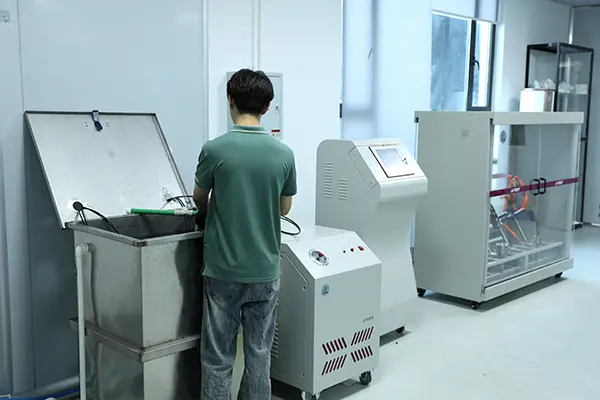
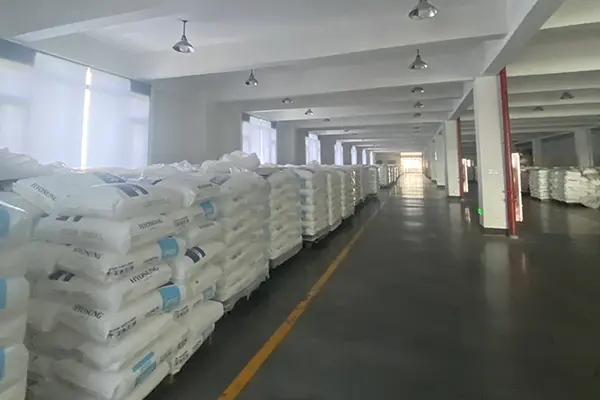
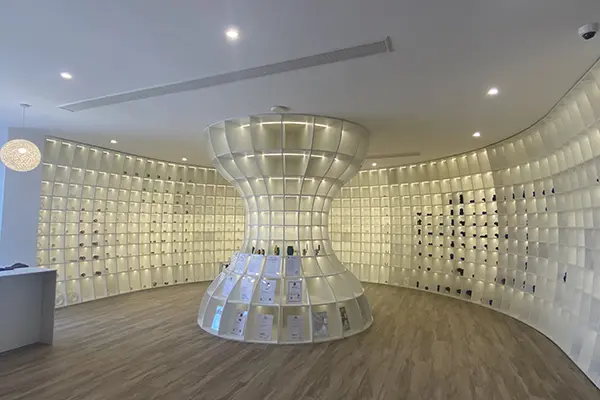
We conform to strict regulatory bodies to enable seamless customs clearance and deployment in global project locations. Our operation has passed audit qualifications for ISO9001:2022, ISO14001, CE Certification, British WRAS Approval, and GOST. Our compliance systems ensure Chicago engineering and procurement projects obtain materials certified to meet mechanical design expectations.
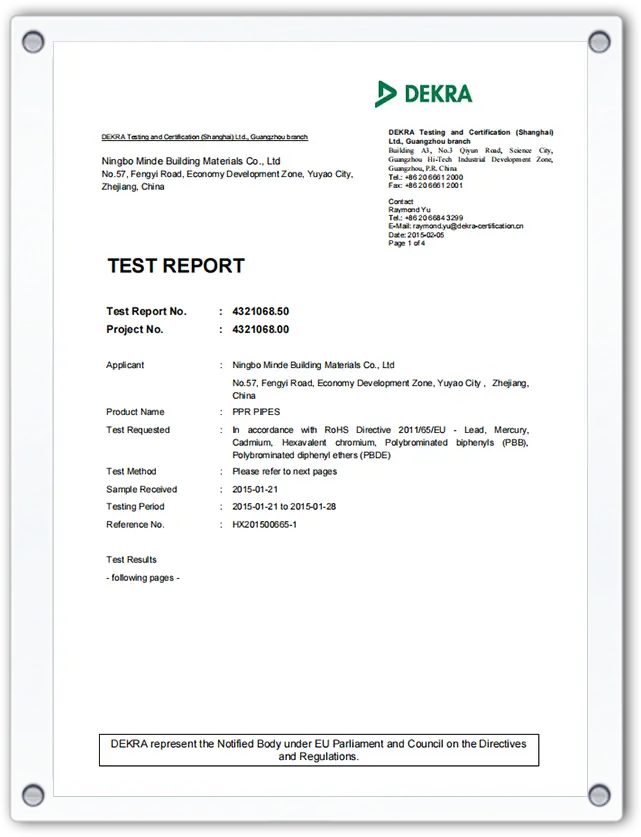
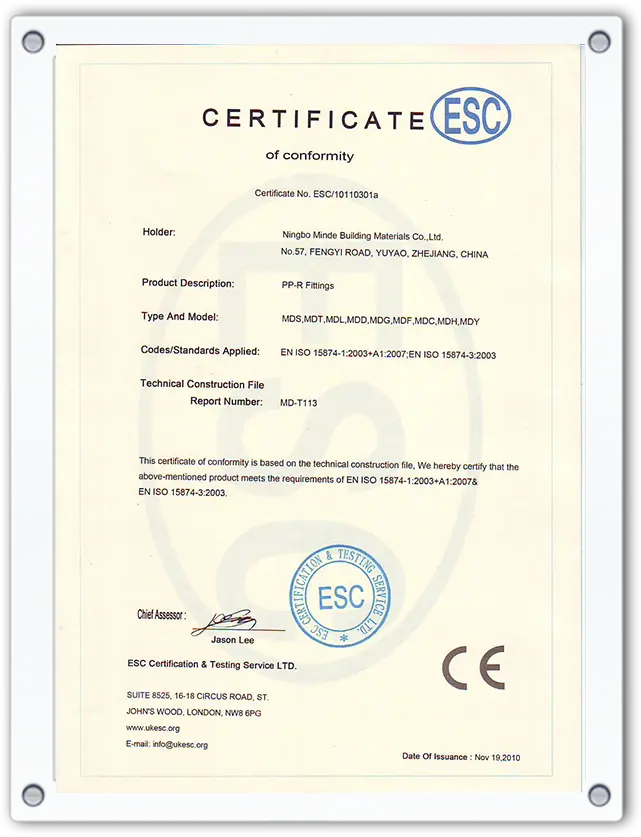
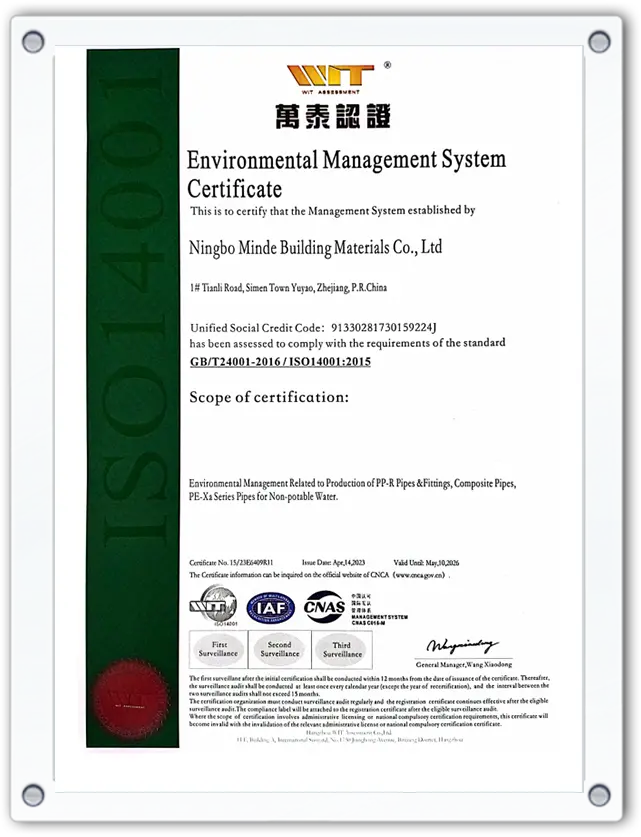
Explore our complete range of certified PPR pipes, PE-Xb EVOH, and heavy-duty PP compression fittings designed for reliable, high-pressure distribution.
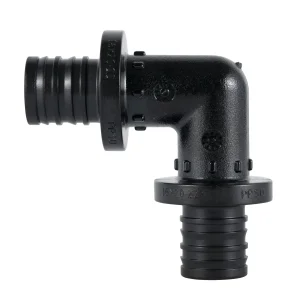
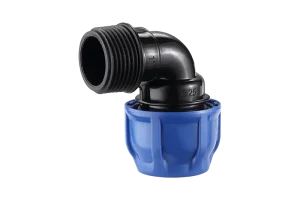
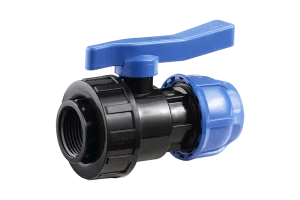
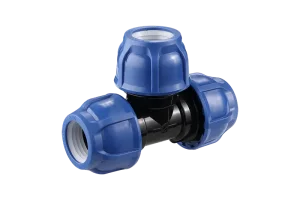
Get answers to common mechanical specifications, shipping logistics, and compliance topics for North American distribution.
 Minde
Minde