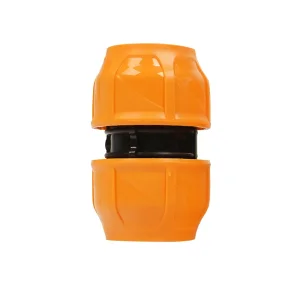
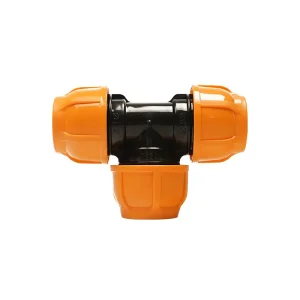
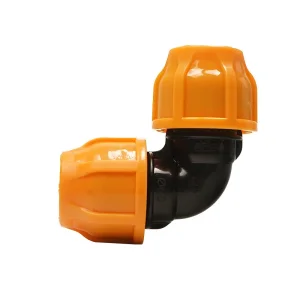
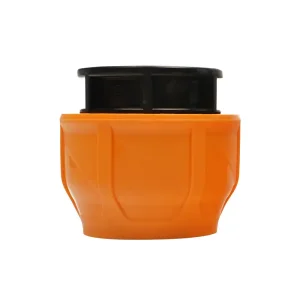
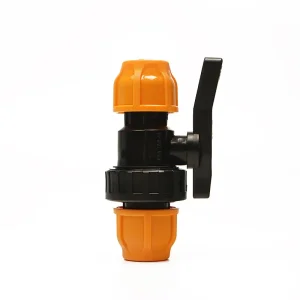
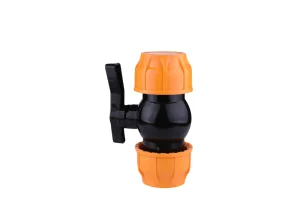
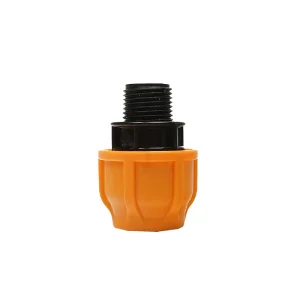
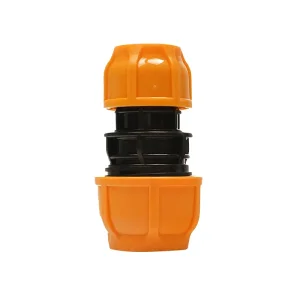
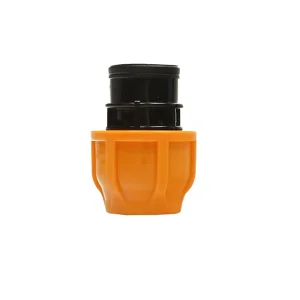
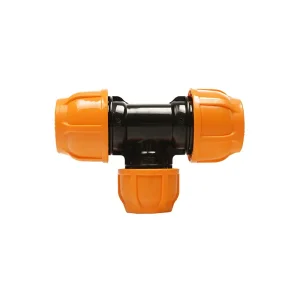
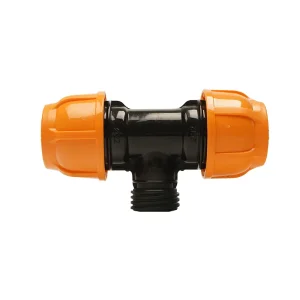
High-grade PN16 mechanical fittings for continuous water supply networks, featuring chemical resistance and rapid joint security.
The Republic of Kiribati, an archipelagic nation composed of 33 atolls and reef islands spanning across the central Pacific Ocean, faces unprecedented climate-induced freshwater challenges. With a thin groundwater lens vulnerable to saltwater intrusion, rainfall fluctuations, and rising sea levels, developing an air-tight, anti-corrosive water distribution network is not merely an engineering task—it is a survival imperative.
Traditional metallic pipes degrade rapidly under Tarawa's extremely humid, salt-laden marine air and corrosive coral sands. Minde's PN16 Polypropylene (PP) compression fittings and HDPE pipeline systems provide a non-reactive solution, guaranteeing zero chemical degradation, preventing water contamination, and preventing precious drinking water losses through leakage.
Globally, water resource managers are shifting towards smart, flexible, and high-pressure thermoplastic piping systems. The transition from PN10 to PN16 grade compression fittings ensures a higher safety margin against sudden pressure fluctuations, water hammer effects, and seismic shifts common in oceanic regions.
By enforcing certifications like British WRAS, European CE, and ISO 9001, Ningbo Minde ensures that the municipal systems developed in South Tarawa or the outer Line Islands are comparable in engineering excellence to metropolitan water utilities in Europe and Australasia, ensuring long-term project longevity (50+ years design life).
Infrastructure in Kiribati must withstand severe solar radiation (UV index exceeding 11 year-round) and high soil salinity. Non-stabilized plastics degrade under these conditions, cracking and causing system failures. Minde fittings incorporate active carbon black and specialized UV stabilizers to absorb energy from solar rays without polymer structural decay.
Furthermore, because the coral subgrade consists of abrasive sand and coarse shell fragments, mechanical fittings must exhibit superior abrasion resistance. Minde's high-grade PP-B (polypropylene block copolymer) formulation ensures outstanding stress-crack resistance and mechanical strength under high shear stresses.
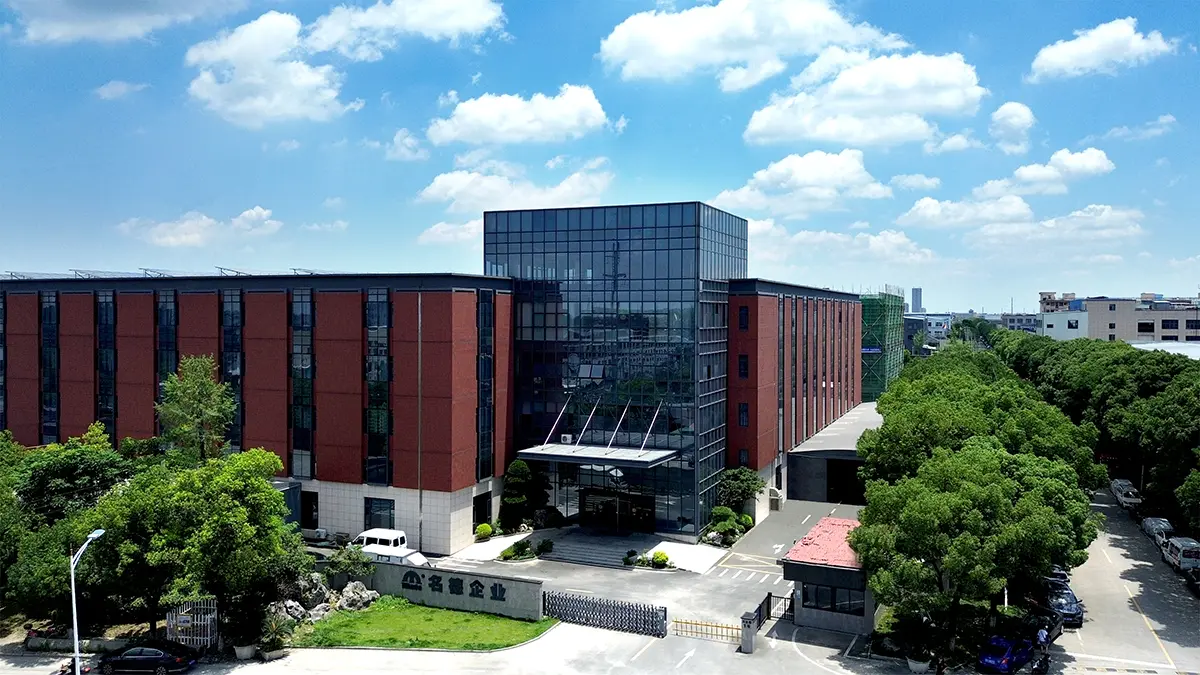
Rooted in Zhejiang Province, China, Ningbo Minde Building Materials Co., LTD., operates an advanced 90,000+ square meter manufacturing facility specifically configured to supply municipal-grade potable water and agricultural distribution equipment. With a history spanning more than 20 years, Minde balances massive production capacity with strict engineering quality control.
Our quality assurance process operates on a strict three-tier check system: Raw material incoming verification, in-process moulding monitoring, and post-production pressure testing. To guarantee absolute chemical safety for drinking water systems, we only use premium virgin imported raw materials, completely banning recycled plastics. This dedication is backed by international certifications including ISO9001:2022, ISO14001, CE, British WRAS, and Russian GOST.
Our workshop houses state-of-the-art automated machinery designed to maintain micro-millimeter precision across every injection cycle.
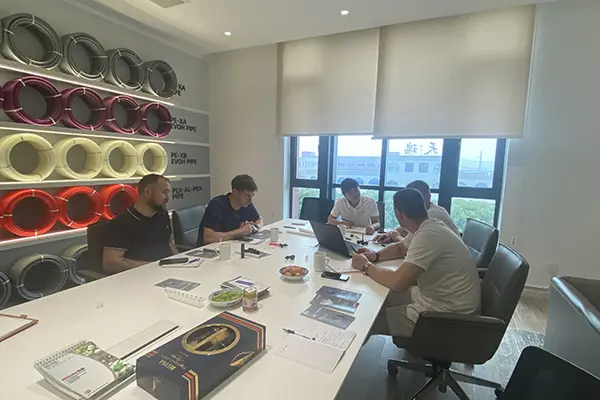
Every production batch is traced back to the raw material load, ensuring that quality claims are verified at every manufacturing step.
How Minde pipeline systems are applied across key sectors in Kiribati to support sustainable community development.
From extraction from municipal wells (like those in Bonriki) to distribution to residential taps, our PN16 PP compression couplings and tees form leak-proof supply systems. Because they require no welding or specialized power tools on-site, they are ideal for remote island logistics and simple hand-tool assembly.
Sustainable food security projects in Kiribati rely on rainwater harvesting and precise micro-irrigation systems. Our chemical-resistant PP valves and tee connections ensure nutrients are delivered directly to crops without mineral buildup or chemical leaching into the fragile soils.
Desalination units are increasingly critical to address groundwater salinity. Minde's PP compression fittings are built to handle highly saline reverse-osmosis concentrates and product streams, outperforming stainless steel and brass fittings at a lower overall project cost.
We are constantly investing in research and development to align our manufacturing technologies with global green-building initiatives and smart-water distribution goals.
For isolated nations like Kiribati, our goal is to design zero-maintenance fittings that continue to operate reliably for decades, minimizing downstream waste and reducing municipal maintenance budgets.
Developing advanced masterbatches incorporating next-generation hindered amine light stabilizers (HALS) to extend the outdoor service life of exposed PP fittings in high-UV regions to over 25 years without color fading or cracking.
Engineering integrated compression ball valves with built-in pressure indicators and flow optimization metrics, enabling faster site commissioning and hydraulic balancing of regional municipal segments.
Adapting eco-certified manufacturing processes to reduce greenhouse gas emissions per ton of polymer processed, aligning directly with the carbon neutrality goals of Pacific Island nations.
Premium ISO-certified components designed to provide flow control, reducing connections, and reliable pipe transitions.
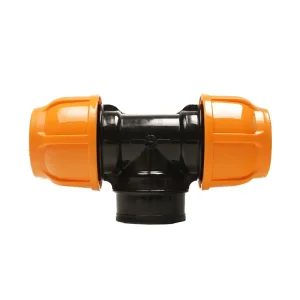
Get professional answers regarding high-pressure polypropylene compression fittings and logistics configuration for the Pacific region.
While Kiribati has relatively low topographic variation, pressure surges (water hammer) are common in municipal water supply networks due to frequent pump cycling and air pockets in dry lines. A PN16 fitting (rated at 1.6 MPa or 16 bar) provides a higher safety margin, preventing joint blowouts and minimizing maintenance overhead under dynamic pressure variations.
Our fittings are made from virgin PP-B (polypropylene block copolymer), which is completely inert to chemical attack, salt, and acidic coral sand. Unlike cast iron, copper, or galvanized steel fittings, PP cannot corrode or rust. This makes it the ideal material for high-salinity coastal areas in the Pacific.
Equatorial UV radiation causes molecular chain scission in lower-grade plastics, leading to brittleness. Minde integrates carbon black and specialized organic UV stabilizers during our extrusion and injection processes. This ensures the polymer chains remain intact under continuous sun exposure, matching the 50-year service life of underground pipelines.
Yes. Minde mechanical compression fittings are designed to connect with any metric-sized PE and HDPE pipes (such as SDR11, SDR13.6, and SDR17) that comply with ISO 4427 or EN 12201 standards. The connection relies on outer diameter sizing, making it versatile across multiple piping configurations.
Orders are packaged in export-grade seaworthy cartons and pallets to prevent damage during sea transit. Shipments typically depart from Ningbo Port (Zhejiang, China) with a sea transit time of 25–45 days to Betio Port, Tarawa, depending on routing and transshipment hubs. We provide full customs clearance documentation, certificates of origin, and bill of lading files for smooth clearance.
Absolutely. Our factory uses 100% virgin raw materials with no heavy-metal additives. The entire compression fitting assembly is CE certified and has passed British WRAS certification, meeting strict requirements for drinking water contact without chemical leaching or taste alterations.
Receive custom project discounts, certified technical drawings, and factory-direct pricing for the PN16 compression fittings series.
Send Inquiry Now Minde
Minde