Explore our top-tier PN10 and PN16 certified thermoplastic configurations designed for agricultural irrigation networks, residential potable distribution systems, and industrial fluid transmission lines.
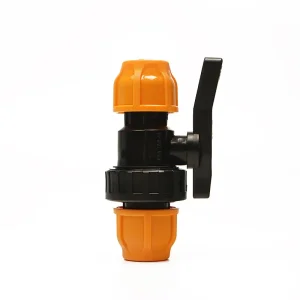
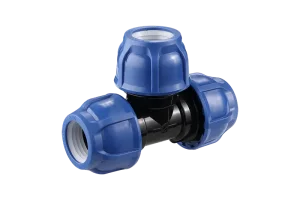
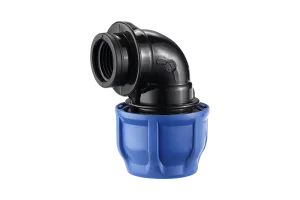
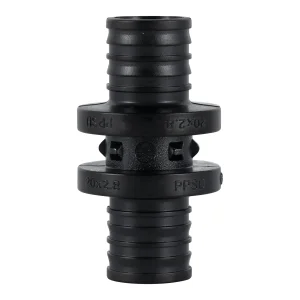
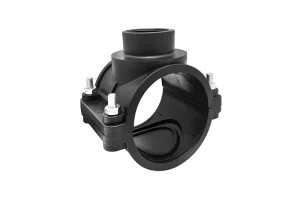
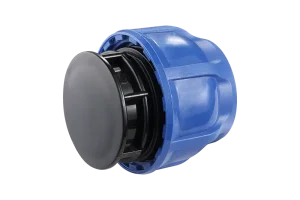
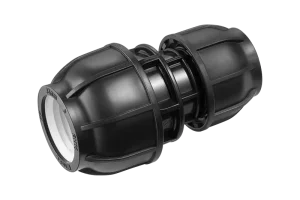
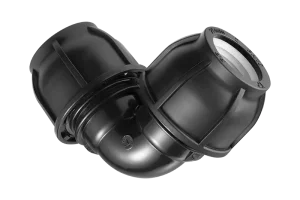
In the field of high-end piping engineering and industrial fluid transfer systems, polypropylene (PP) systems represent a major milestone. Known for their exceptional chemical inertia, high thermal deformation resistance, and structural stability, polypropylene-based hoses and compression connectors have replaced traditional metal pipelines in many key areas. As global industries shift toward environmental sustainability and efficiency, the demand for non-toxic, anti-corrosive fluid components has grown rapidly.
The international supply chain is undergoing deep structural adjustments. Industrial contractors and civil project procurement departments are no longer looking only at lower initial purchase costs. Instead, they are evaluating overall operating costs, including product longevity, resistance to Environmental Stress Cracking (ESCR), compatibility with heavy chemicals, and ease of installation. In this context, China's polymer manufacturing sector has evolved from simple bulk output to highly precise, custom-engineered manufacturing. Factories now produce certified products that comply with strict global safety, health, and environmental regulations.
SEO Insights & Industry Trend: Polypropylene and polyolefin materials provide superior resistance to microbial growth, scale buildup, and electrolytic corrosion compared to traditional iron or copper pipes. This makes them ideal for modern eco-friendly buildings and smart agricultural micro-irrigation systems.
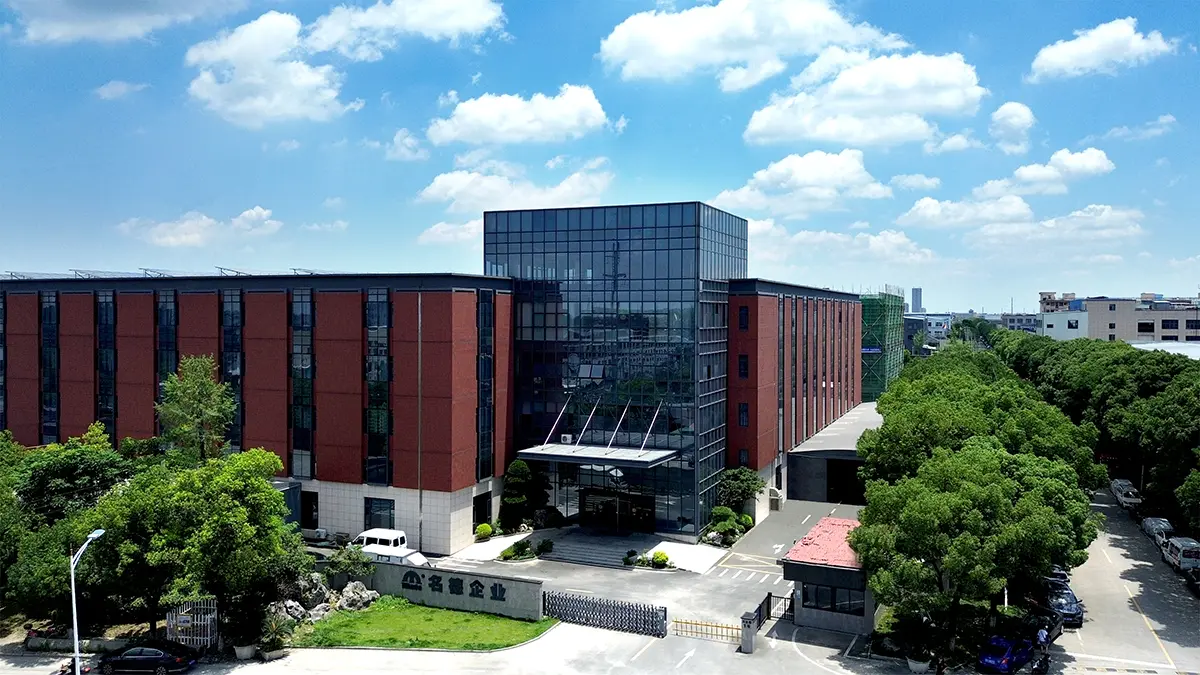
Ningbo Minde Building Materials Co., LTD., based in Zhejiang Province, China, is a dedicated manufacturer of high-quality plastic piping systems. With over twenty years of deep manufacturing experience, our enterprise provides robust fluid delivery components for residential plumbing, modern agricultural networks, and energy-efficient underfloor heating configurations.
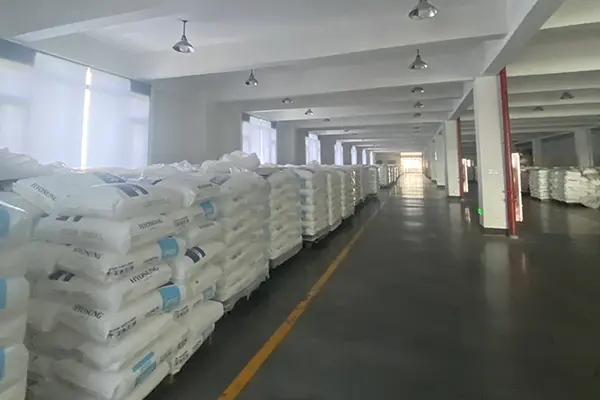
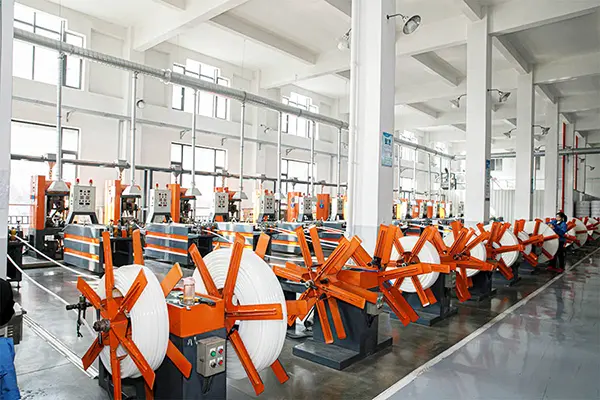
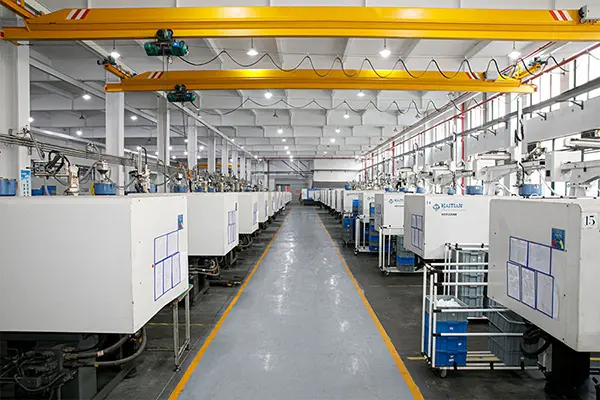
To maintain product integrity, Minde uses imported virgin raw materials, avoiding recycled, lower-grade polymers that can cause premature structural failures under pressure. The company operates a 90,000 square meter factory equipped with 45 automated pipe extrusion lines, 85 high-tonnage precision injection molding machines, and an integrated central raw material feeding system. These automated resources ensure consistent compound blending and dimensional accuracy for every production batch.
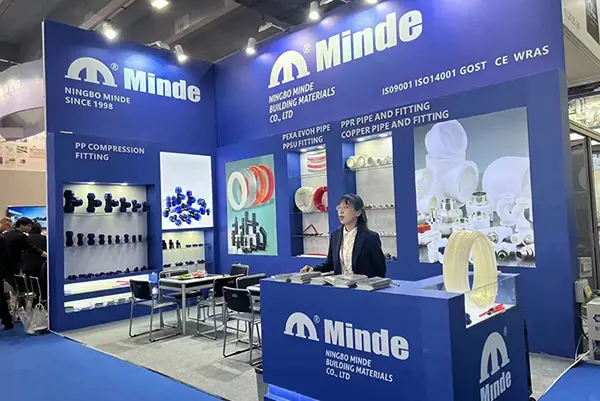
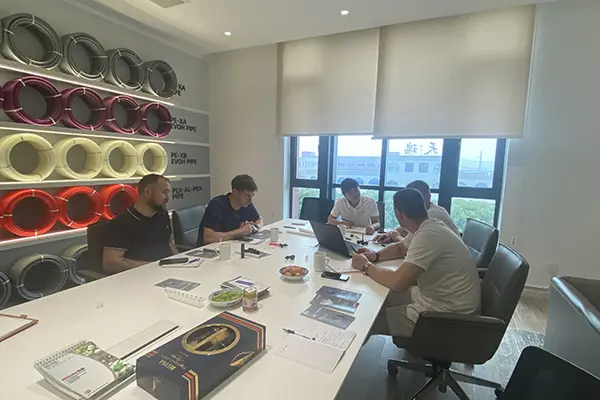
Understanding the mechanical limits and chemical performance of polypropylene systems is essential for proper engineering design. Polypropylene (PP) compounds used by Minde are split into high-performance sub-categories like PP Random Copolymer (PPR), PP Homopolymer (PPH), and PEXa (Cross-linked Polyethylene) to match specific piping requirements.
For high-pressure connections, our products are categorized by nominal pressure classes: PN10 (designed for cold-water plumbing and standard agricultural irrigation) and PN16 (engineered for more demanding water distribution systems and warm-water environments). Below is a structural comparison showing how our polyolefin materials perform under standard operating pressures:
| Material Class | Pressure Class (PN) | Thermal Operating Range | Environmental Stress Cracking (ESCR) | Primary Industrial Applications |
|---|---|---|---|---|
| PP Random Copolymer (PPR) | PN10 & PN16 | -10°C to +50°C (optimized) | > 1000 Hours (ASTM D1693) | Potable Water, Cold Supply |
| PP Compression Fitting | PN16 (High Spec) | -5°C to +45°C | High Structural Integrity | HDPE Pipe Joints, Agri-Irrigation |
| PPSU (Polyphenylsulfone) | PN16 & High Temp | -40°C to +95°C | Excellent Hydrolytic Stability | Hydronic Floor Heating, PEXa Joints |
| PEXa (EVOH Barrier) | Specialist Heating | -20°C to +95°C | Oxygen Diffusion Resistant | Underfloor Radiant Systems |
These material structures ensure that Ningbo Minde pipes and compression couplings maintain long-term hoop stress resistance. This prevents wall deformation even when exposed to fluctuating pressures and chemical additives in agricultural fertilizers.
The practical value of polypropylene pipes and compression fittings shows in their performance across diverse and demanding global environments. As a primary supplier, Minde designs pipeline configurations tailored to specific localized conditions:
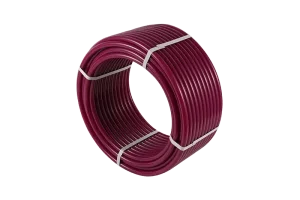
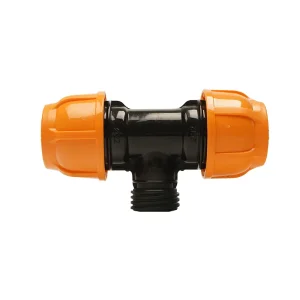
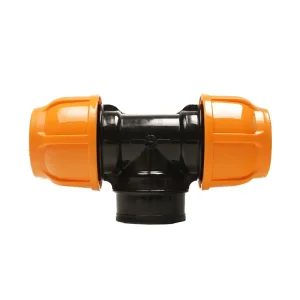
In dry regions like the Middle East and parts of South America, large-scale micro-irrigation systems need fittings that resist UV degradation. Minde's PN10 Equal Tees and Reducing Couplings connect directly with flexible polypropylene hoses and HDPE field distribution pipes. These joints remain leak-proof under daily thermal expansion and contraction cycles caused by desert climates.
Urban municipal standards demand non-toxic components for drinking water distribution. Our WRAS-approved PP compression fittings and cold-water PPR pipes prevent heavy-metal contamination. Smooth inner pipe walls prevent scale and mineral buildup, maintaining flow efficiency and lower hydraulic pumping costs over decades of continuous use.
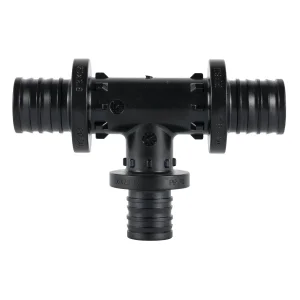
For residential heating in Northern Europe and Russia, PEXa pipes with EVOH oxygen barriers prevent corrosion of downstream metal boiler parts. Combined with PPSU couplings and equal tees, these systems form a durable, oxygen-impermeable matrix that can be safely embedded directly into concrete floor screeds.
Supply chain reliability is critical for industrial projects where shipping delays can affect project budgets. Located near Ningbo Port—one of the busiest shipping hubs in the world—Ningbo Minde provides efficient logistical advantages to simplify ocean freight for global buyers.
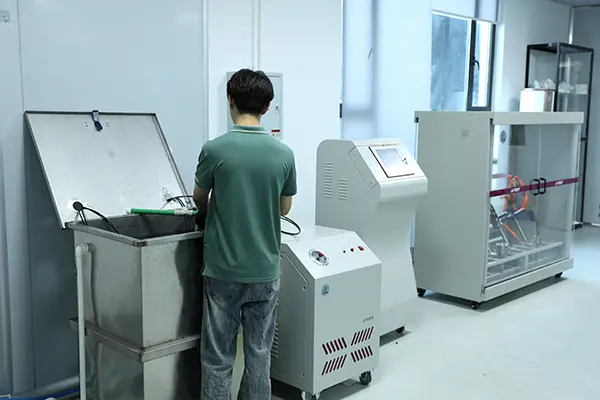
Our three independent quality control check points ensure that product batches undergo testing before departure. These quality checks are integrated into our daily workflow:
We test incoming virgin polypropylene polymers to confirm melt flow index (MFI), density, and moisture limits. This prevents low-quality polymers from entering production.
Our extrusion lines monitor dimensional accuracy, wall thickness, and outer diameter tolerances. Operating parameters like screw speed and cooling water temperature are adjusted in real time.
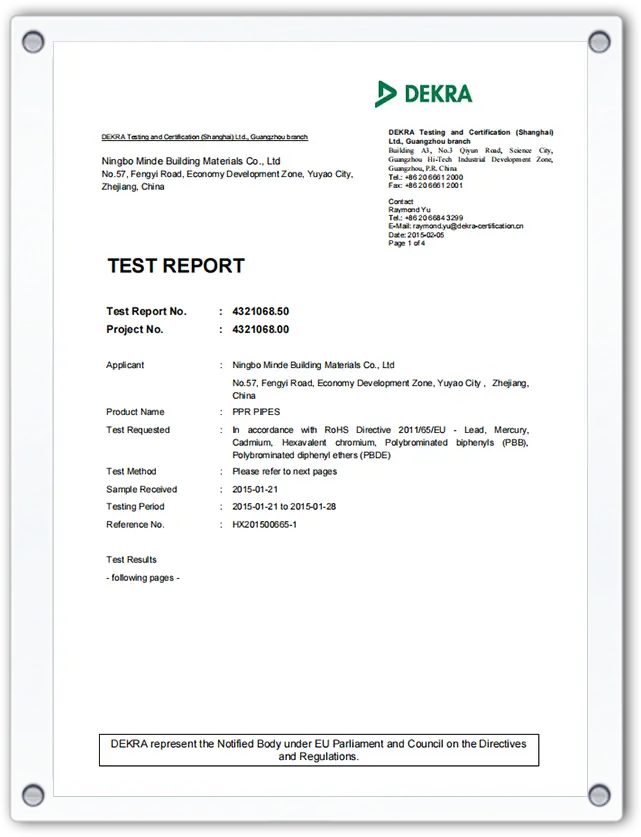
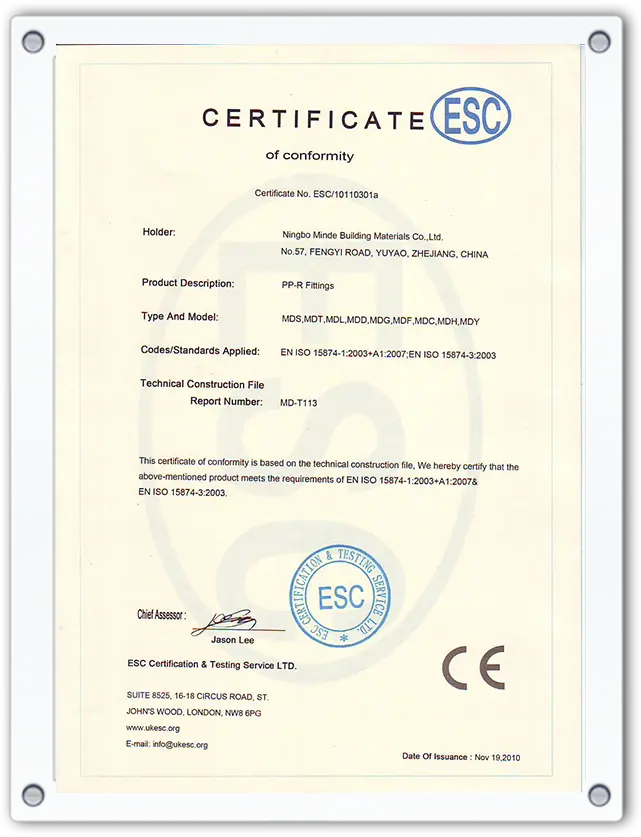
Finished products are subjected to long-term pressure tests. This ensures that Minde fittings meet ISO 9001, CE, WRAS, and GOST standards before packaging.
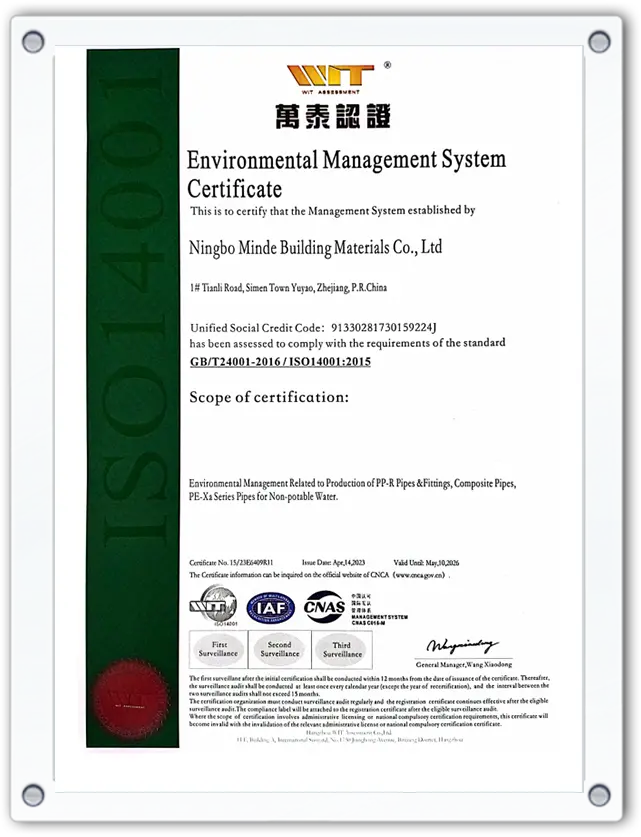
Minde's quality management systems are certified to ISO9001:2022 and ISO14001. We maintain WRAS drinking water approval, Russian GOST, and European CE conformity.
Modern fluid system engineering is moving toward smarter, more sustainable materials. To support this direction, Minde's engineering research team is pursuing three primary goals:
Developing next-generation polypropylene copolymers that can withstand higher continuous operating temperatures. This expands their use in industrial waste heat recovery and chemical lines.
Evaluating bio-based polypropylene resins to lower our manufacturing carbon footprint. This initiative supports environmental sustainability goals for green building projects.
Refining multi-layer co-extrusion methods to build carbon-black barriers, UV-blocking layers, and glass-fiber reinforced cores directly into our high-pressure piping lines.
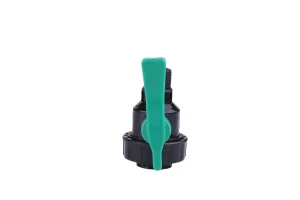
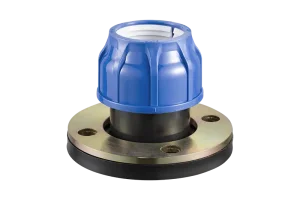
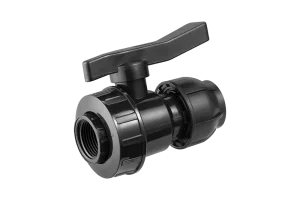
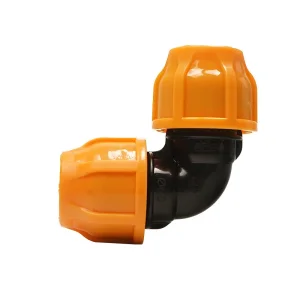
We supply a complete system of components, including thread elbows, flange connectors, ball valves, and barrier pipes, to build a reliable, integrated fluid delivery system.
These detailed answers address common questions raised by mechanical engineers, procurement professionals, and technical coordinators during project planning:
 Minde
Minde