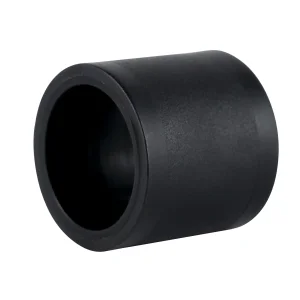
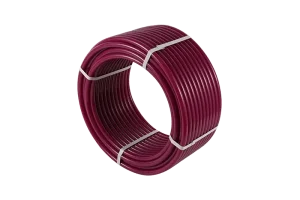
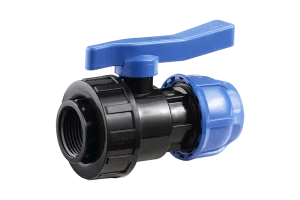
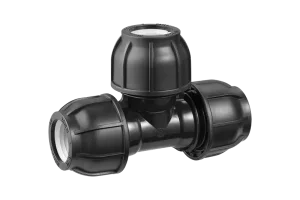
Premium PE-XA pipes, PN16 PP compression fittings, and heavy-duty flow control systems designed for critical fluid routing operations.
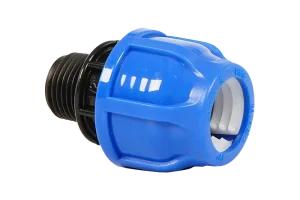
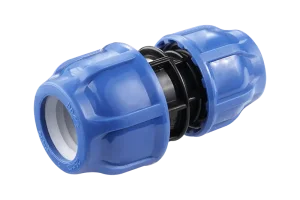
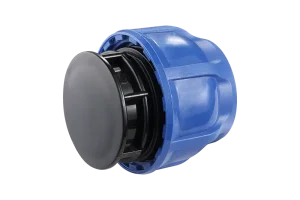
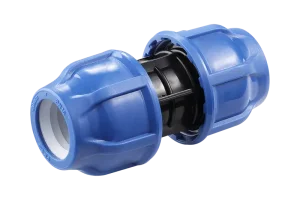
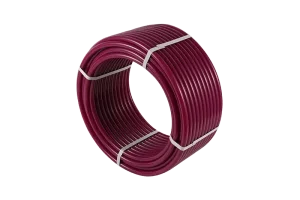
Analyzing the chemistry, mechanical performance, and cross-linking methodologies driving modern high-temperature hydronic and plumbing networks.
Cross-linked polyethylene (PEX) represents a paradigm shift in plumbing architecture. Among the chemical methodologies utilized to cross-link polymer matrices, the PE-Xa (Engel/Peroxide) process yields the highest cross-linking density—typically exceeding 70% to 85%. Unlike PE-Xb (silane cross-linking) or PE-Xc (electron beam irradiation), PE-Xa is cross-linked during the hot extrusion phase while the polymer is in an amorphous state above its crystalline melting point.
This molecular configuration binds carbon atoms into a three-dimensional covalent grid. The practical result is outstanding thermal memory, allowing the pipe to easily expand and subsequently shrink back to its original profile. This property prevents crack propagation and permits cold-expansion piping joints. Contractors leverage this behavior to eliminate complex soldering, solvent welding, and mechanical crimping, improving system throughput and joint integrity.
Note on Oxygen Barrier (EVOH) Performance: High-performance PE-Xa pipes utilize an Ethylene Vinyl Alcohol (EVOH) co-extruded outer layer. This barrier restricts oxygen diffusion into radiant loops, preventing oxidation damage to metallic boilers, pumps, and manifolds.
Understanding the differences between PE-Xa, PE-Xb, and PE-Xc is crucial for mechanical designers selecting systems for commercial municipal water lines or hydronic slabs. The table below outlines key engineering metrics:
| Property Metric | PE-Xa (Peroxide Method) | PE-Xb (Silane Method) | PE-Xc (Radiation Method) |
|---|---|---|---|
| Cross-Linking Density (%) | 70% - 85% (Highest Uniformity) | 65% - 70% | 60% - 65% |
| Flexibility / Bend Radius | 6x Outer Diameter (Highly Flexible) | 8x Outer Diameter | 10x Outer Diameter (Stiffest) |
| Thermal Memory (Kink Recovery) | Excellent (Fully heat-recoverable) | Poor (Kinks require splice fittings) | Poor |
| Creep Rupture Resistance | Maximum resistance under continuous load | Moderate performance profile | Low-to-moderate profile |
Delivering state-of-the-art polymer plumbing systems globally with over 20 years of precision production expertise.
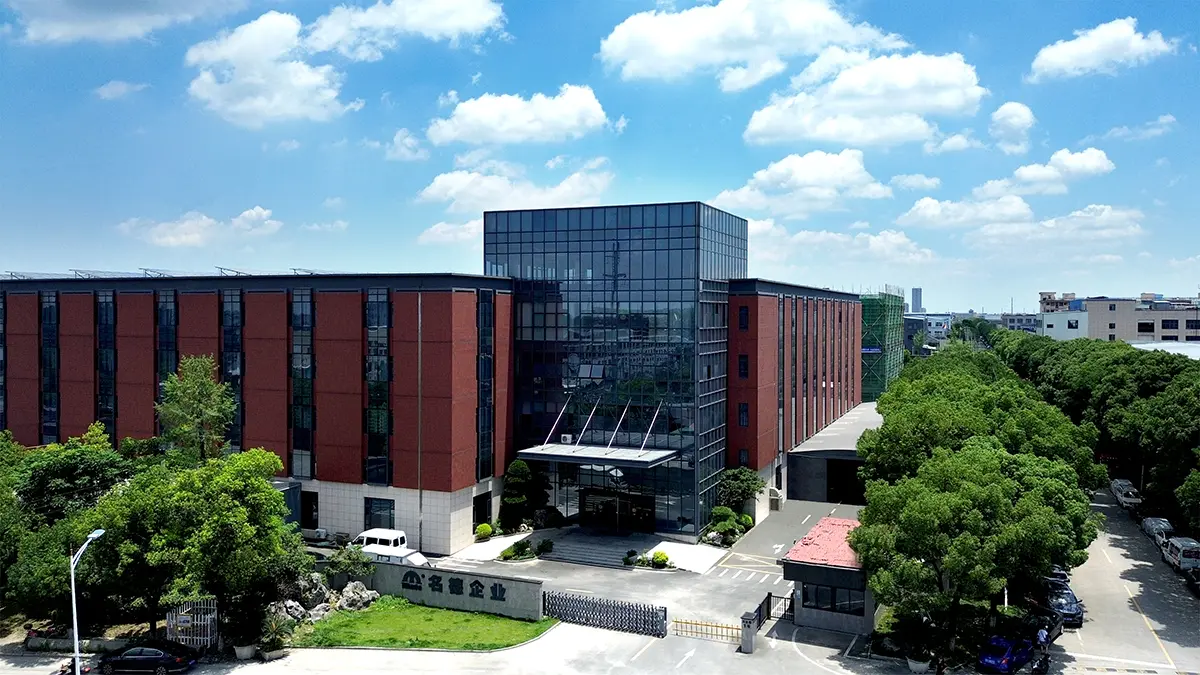
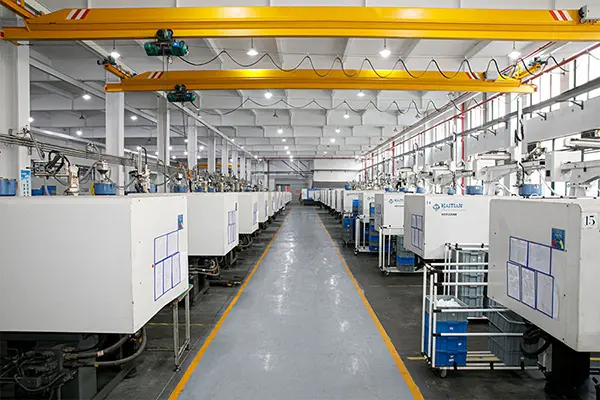
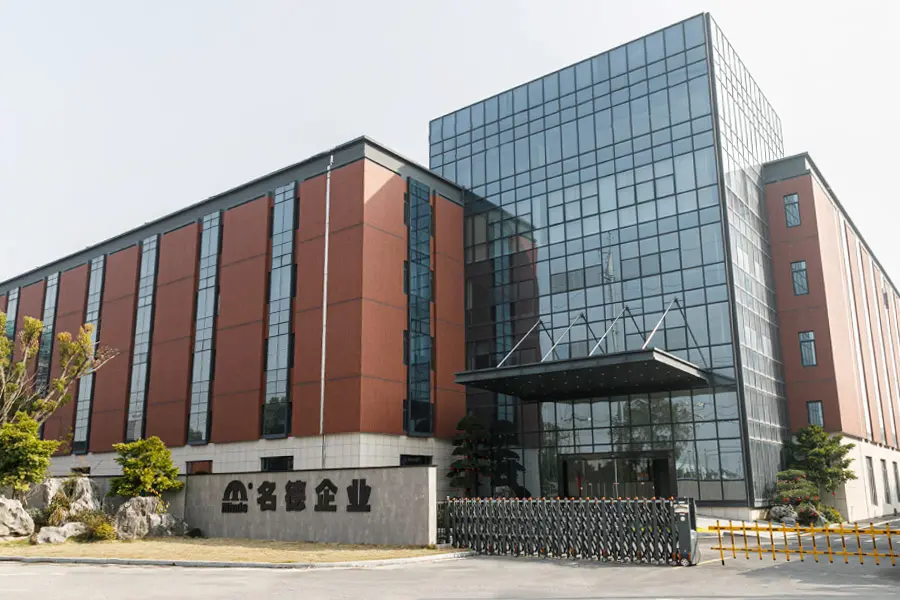
Rooted in Zhejiang Province, China, Ningbo Minde Building Materials Co., LTD. has grown into a leading manufacturing hub specializing in thermoplastic pipes and matching fluid connections. Our systems support residential plumbing, high-efficiency agricultural irrigation networks, and multi-zone hydronic floor heating layouts. By selecting premium raw materials and maintaining strict process controls, Minde ensures leak-free fluid transmission across demanding industrial and municipal configurations.
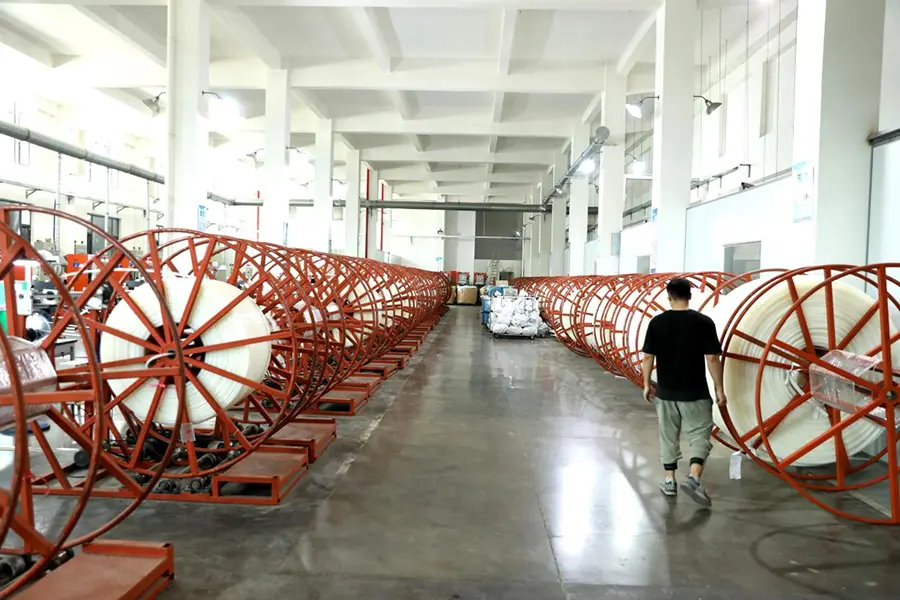
Pipe Production Lines
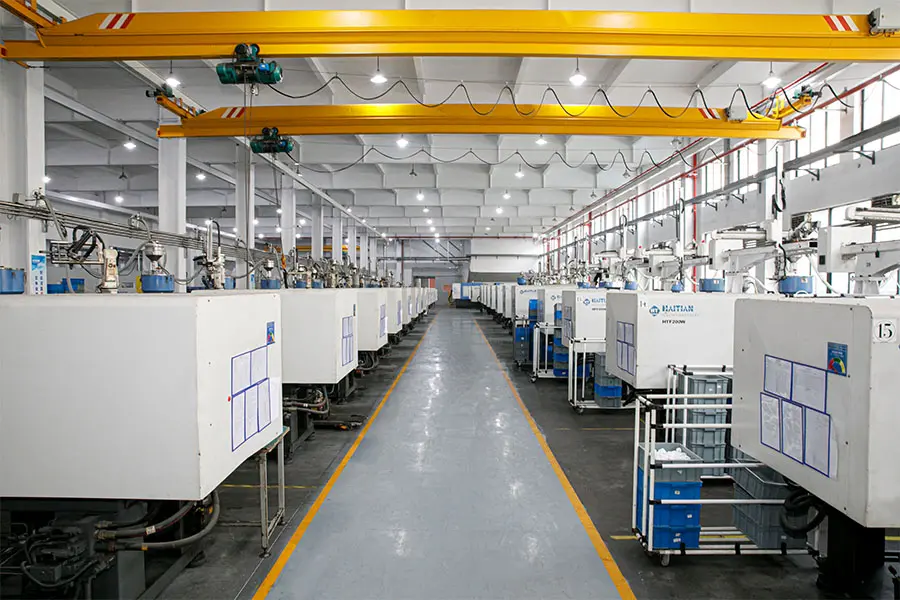
Precision Injection Molding Machines
Skilled Employees & Engineers
Square Meters Floor Space
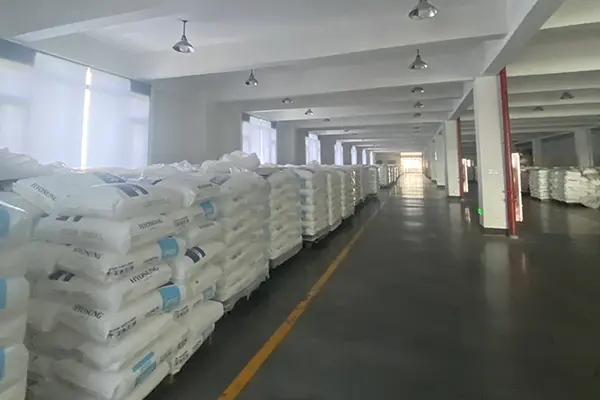
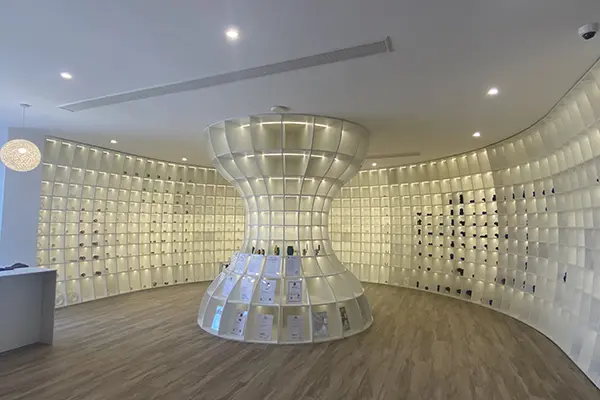
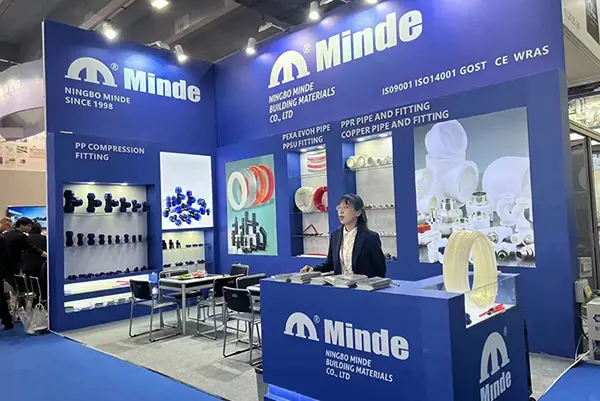
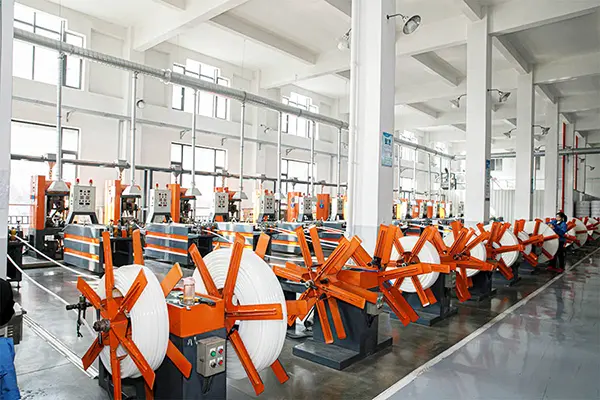
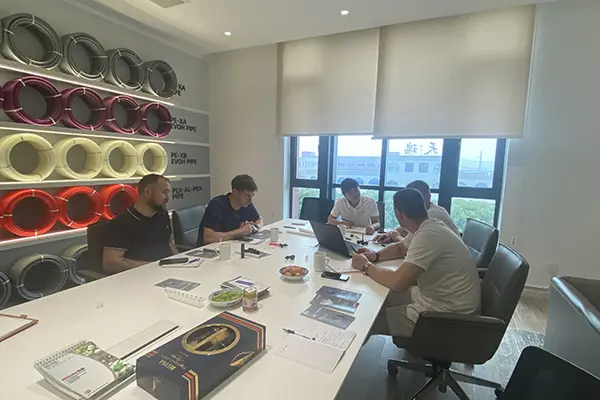
Deploying targeted polymer piping strategies across hydronic heating, industrial irrigation, and municipal water networks.
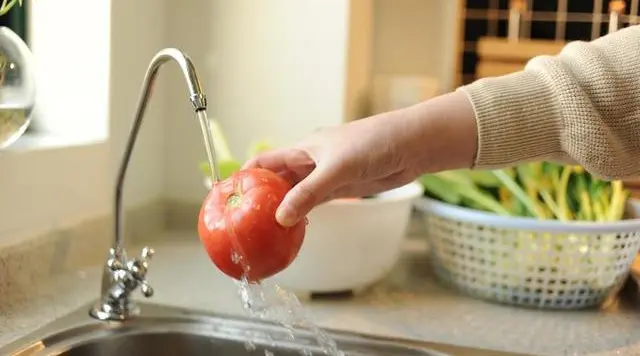
Minde PE-Xa piping runs carry zero taste or odor contamination. Verified by global quality certifications (WRAS, CE, GOST, ISO), our products guarantee continuous supply safety for residential and health-critical applications.
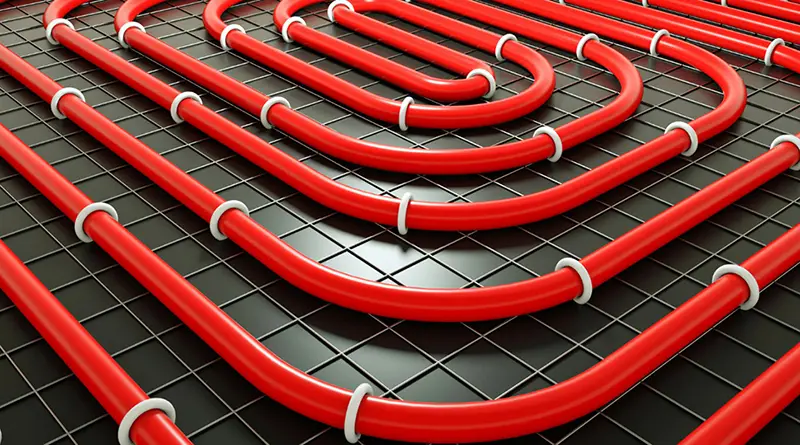
Multi-layered PE-Xa barrier systems embedded in concrete slabs provide efficient thermal radiation. The oxygen barrier coating prevents oxidation in boilers, supporting reliable long-term radiant loop installations.
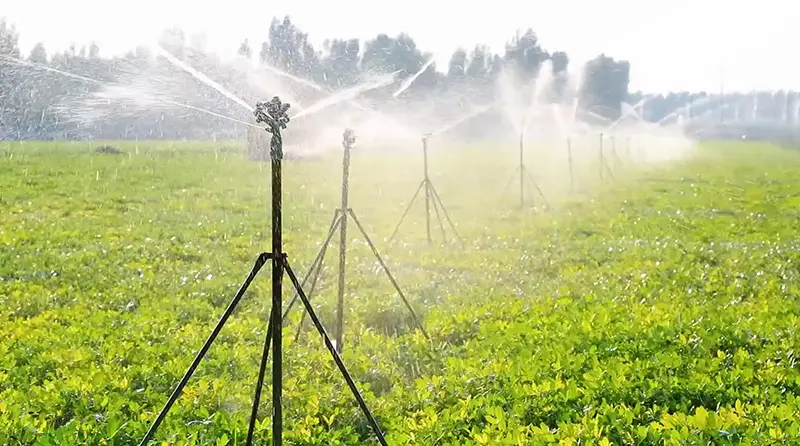
Coupled with Minde's high-grade PP compression components, our heavy-duty lines withstand thermal shifts and ground movements, ensuring reliable water delivery for large-scale agricultural projects.
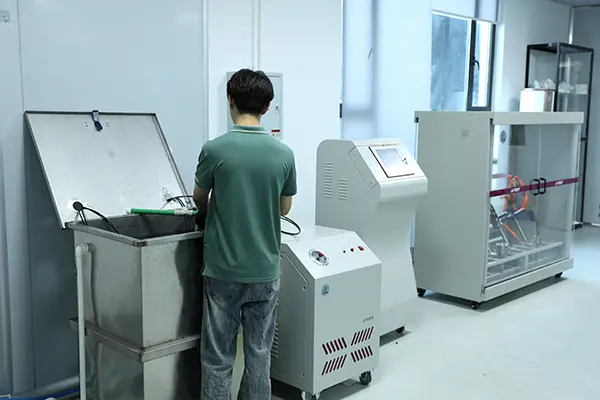
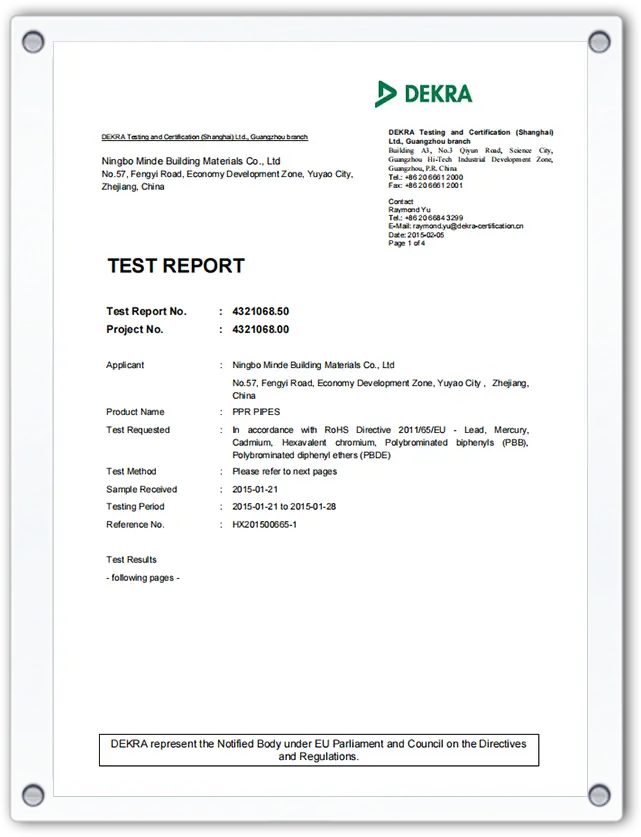
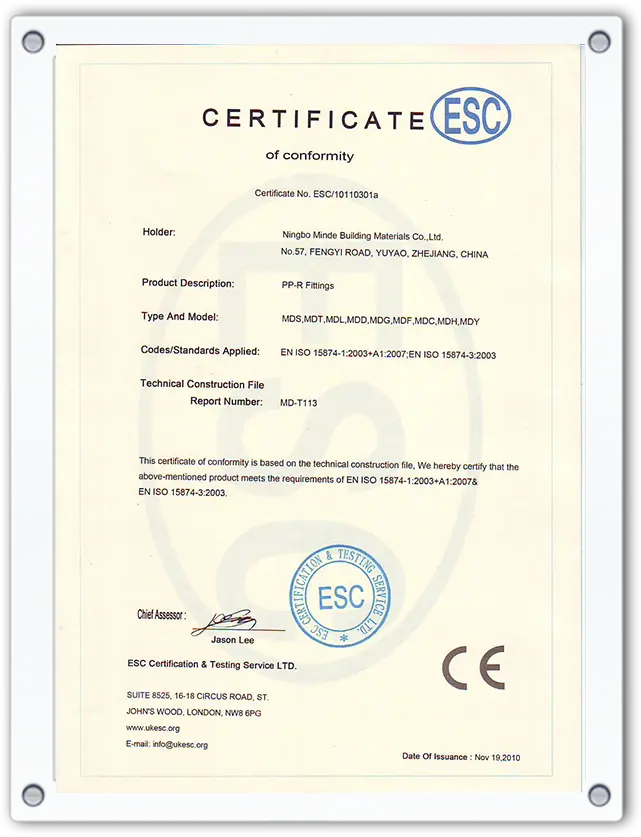
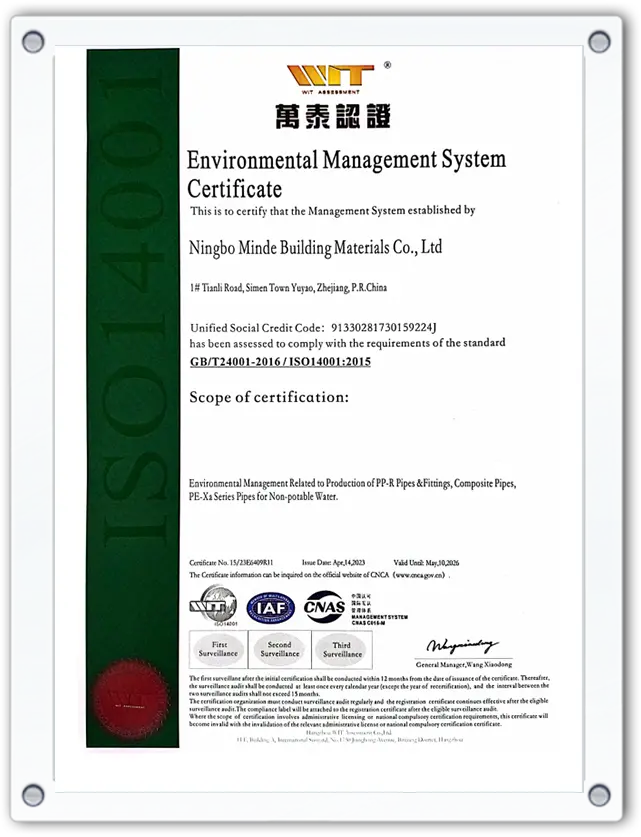
Global construction and mechanical engineering codes require absolute proof of material performance. Ningbo Minde ensures compliance by testing every manufacturing run against rigorous international standards.
Our production system operates under ISO 9001:2022 (Quality Management System) and ISO 14001 (Environmental Management System) guidelines. Finished goods are certified for conformity in various regional markets, holding certifications such as the British WRAS for drinking water safety, EU CE Certification, and the Russian GOST specification for high-pressure operations.
Verification of incoming high-density polyethylene polymer matrices before processing.
Real-time laser calibration of wall thickness and cross-linking levels during extrusion.
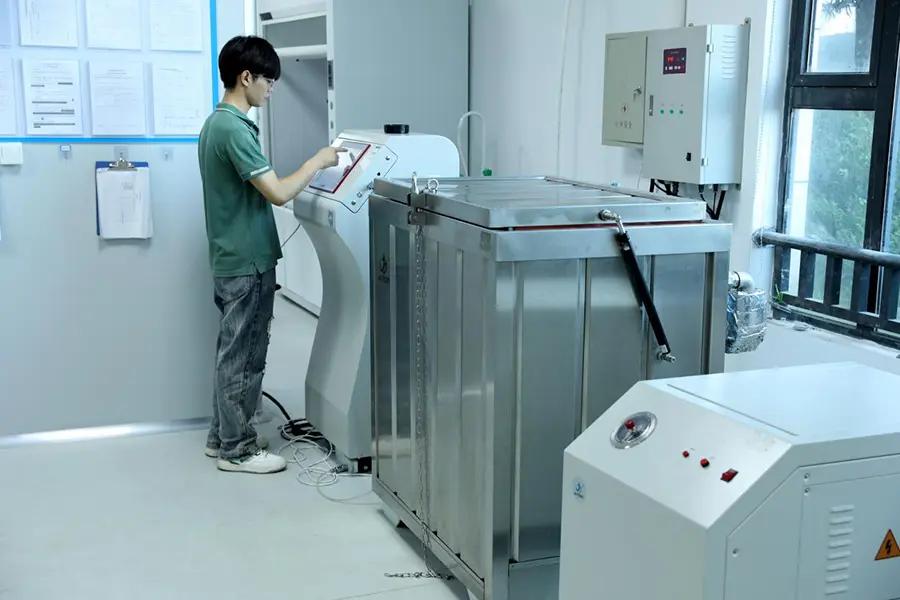
Burst pressure tests, stress-cracking evaluation, and thermal cycles to ensure 100% reliability.
Exported to more than 50 countries, including South America, Southeast Asia, and the Middle East.

Aligning polymer production engineering with ecological responsibility and global green building frameworks.
Future building designs require systems with diagnostic and telemetry options. Minde is researching sensory networks that interface with PE-Xa manifolds. These systems use ultrasonic transducers and pressure-drop sensors to identify small leaks before structural damage occurs.
Additionally, advancements in our peroxide extrusion lines aim to lower energy use, helping project developers secure green building points under systems like LEED (Leadership in Energy and Environmental Design) and BREEAM.
Because cross-linked thermoset materials do not melt under typical heat processes, recycling PEX has traditionally been difficult. Minde is collaborating with polymer researchers on chemical recycling systems.
These systems process waste PEX into base hydrocarbons, which can then be used to produce new virgin-grade polymer stocks. This circular approach minimizes landfill waste while keeping production performance at the high standard required by global piping codes.
Addressing structural details, chemical compatibility, and pressure performance for pipeline installers and design engineers.
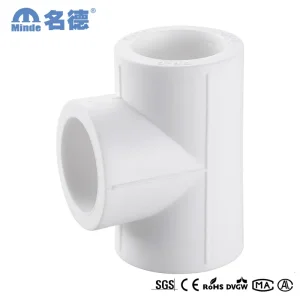
Complete your layout with high-pressure PPR systems, PPSU couplers, and specialized connection components.
 Minde
Minde