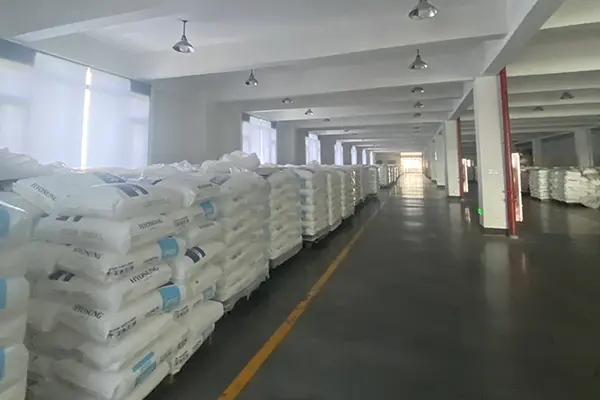
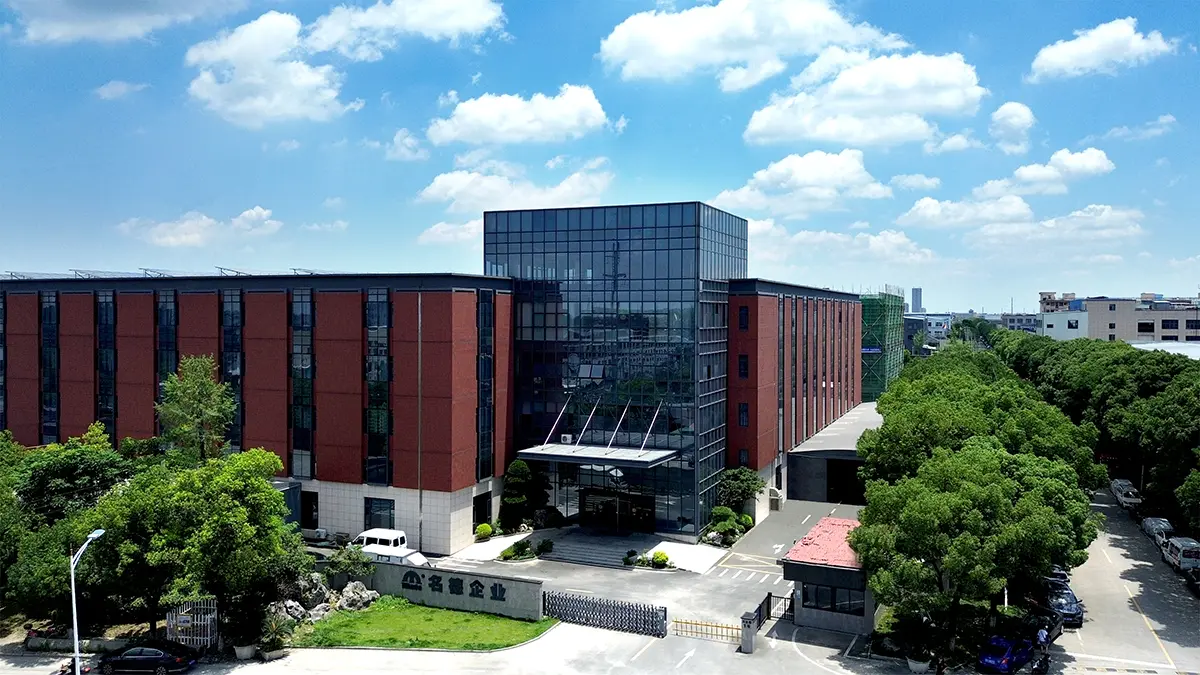
Based in Zhejiang Province, China, Ningbo Minde is a vanguard manufacturer specializing in high-performance polymer piping configurations. Over the past 20 years, we have built a solid reputation for engineering residential water supply frameworks, agricultural irrigation mechanisms, and cutting-edge underfloor heating networks. By using 100% premium virgin imported raw materials, Minde establishes a benchmark of longevity and hydraulic integrity that standard operations cannot match.
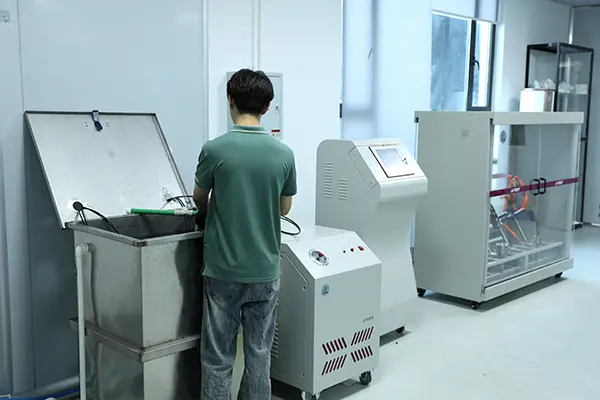
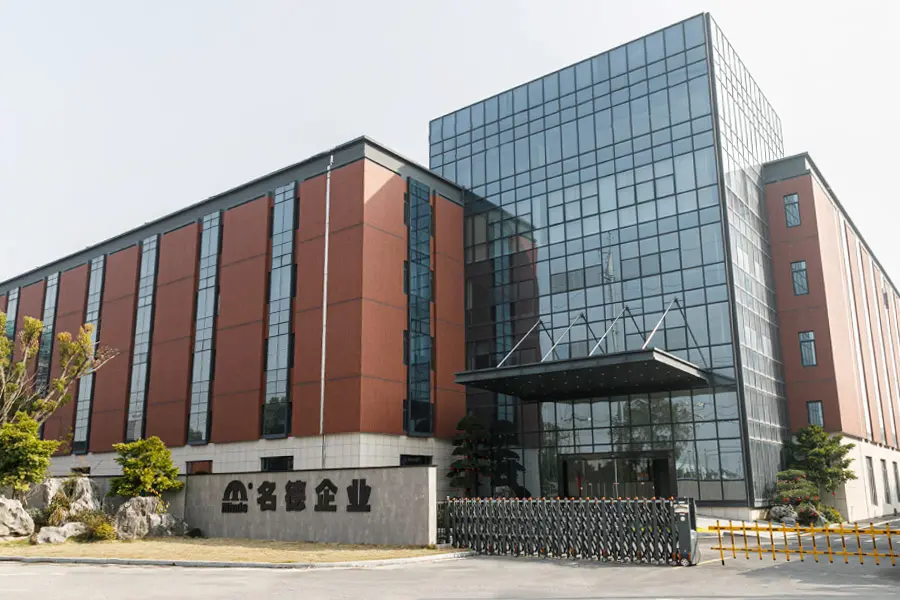
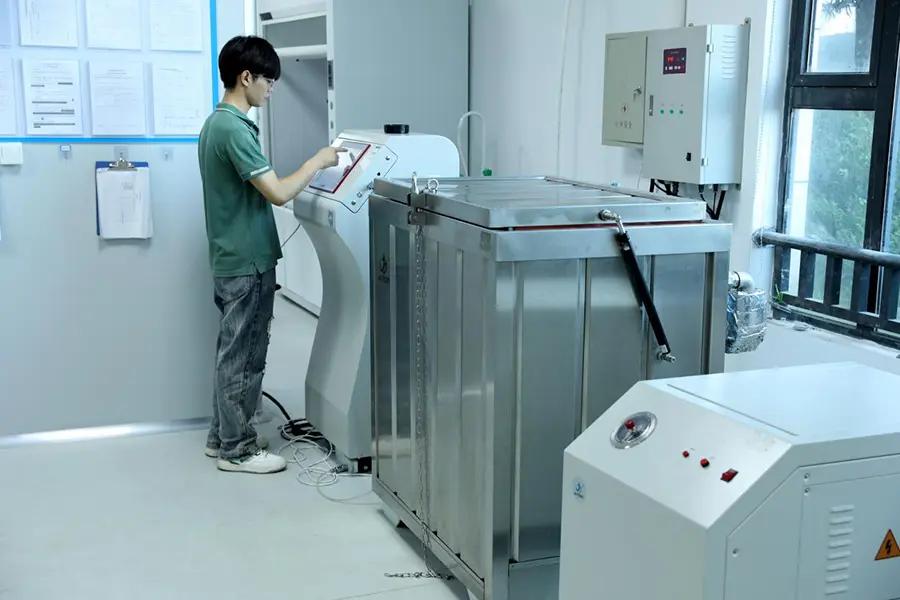
Our facility spans over 90,000 square meters, hosting advanced testing laboratories and comprehensive quality control check-points. We verify production at every phase: incoming raw materials, mid-process extrusion parameters, and post-production physical tolerance testing.
Cross-linked polyethylene (PEX) has transformed modern plumbing, radiant heating, and municipal distribution systems. Within this product range, the 3/4" PEX tubing size represents the backbone of medium-to-high flow rate commercial and residential networks. Unlike 1/2" lines, which are typically used for local branch runs to individual fixtures, 3/4" tubing acts as the primary feed loop. It maintains consistent pressure profiles across complex piping geometries and reduces friction losses.
Globally, the demand for 3/4" PEX has risen due to its flexibility, chemical resilience, and ease of installation compared to traditional copper or rigid PVC systems. As commercial builders prioritize cost-efficiency and corrosion resistance, PEX systems provide an adaptable solution that handles pressure fluctuations (up to PN16 and PN20 ratings) and extreme temperature ranges.
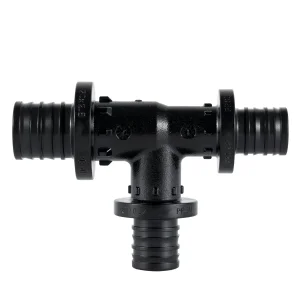
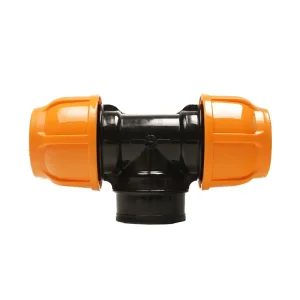
SEO Insight / Information Gain: Sourcing directors should look beyond unit prices and evaluate the cross-linking method (PEX-a, PEX-b, PEX-c) alongside fitting compatibility. Integrating PEX pipelines with PP compression systems and PPSU (polyphenylsulfone) tees ensures long-term reliability in high-stress installations.
To source effectively, engineers must distinguish between the three primary cross-linking processes. Each method influences the polymer's crystalline structure, flexibility, and pressure ratings:
| Classification | Manufacturing Method | Cross-Linking Density | Key Characteristics & Application Areas |
|---|---|---|---|
| PEX-a | Engel Method (Peroxide cross-linking during extrusion) | > 70% to 85% | Highest flexibility, thermal memory (can repair kinks with a heat gun), ideal for underfloor heating. |
| PEX-b | Silane Method (Moisture cure after extrusion) | > 65% to 70% | Higher burst pressure limits, slightly stiffer structure, lower cost, high chlorine resistance. |
| PEX-c | Irradiation Method (Electron beam radiation post-extrusion) | > 60% | Eco-friendly production, uniform wall thickness, slightly more rigid structure. |
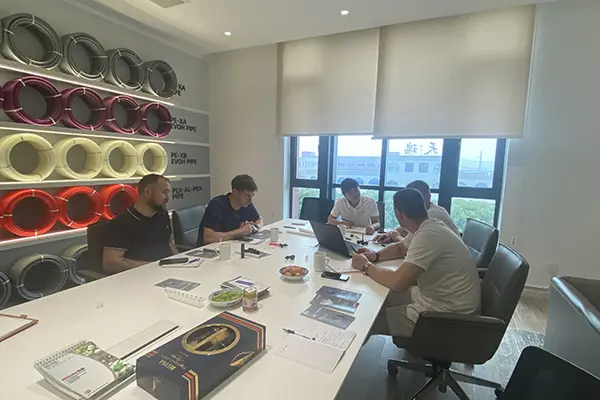
Selecting the right PEX supplier involves evaluating raw material logistics, quality control consistency, and automated production capacities. Ningbo Minde Building Materials Co., LTD. leads the industry by combining Zhejiang's mature industrial ecosystem with rigorous internal quality control standards.
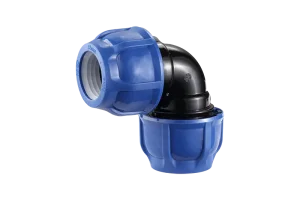
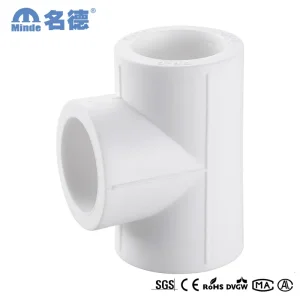
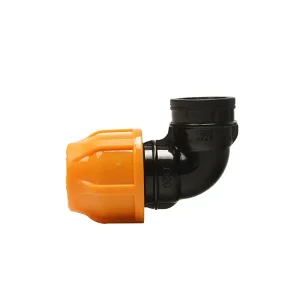
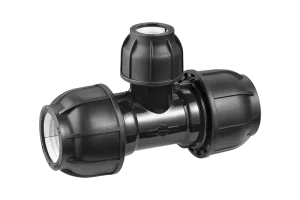
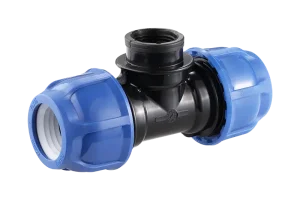
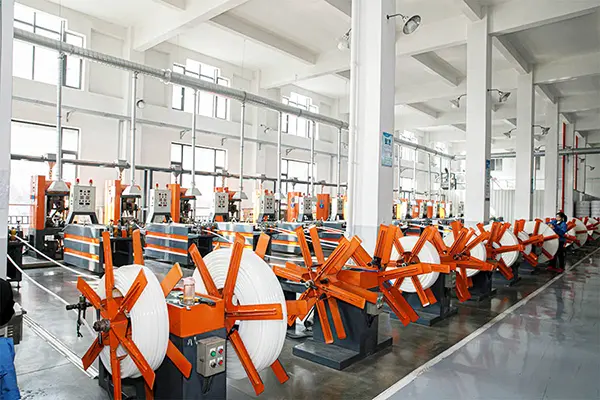
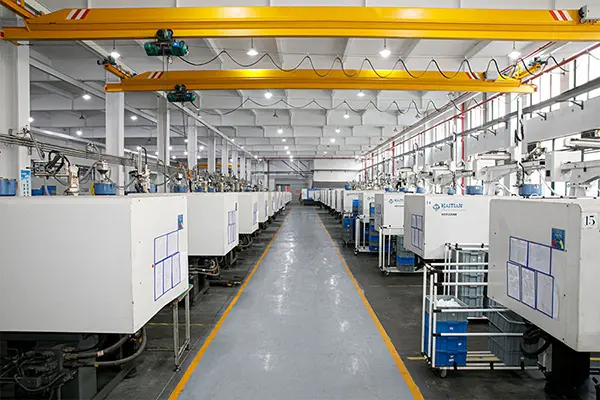
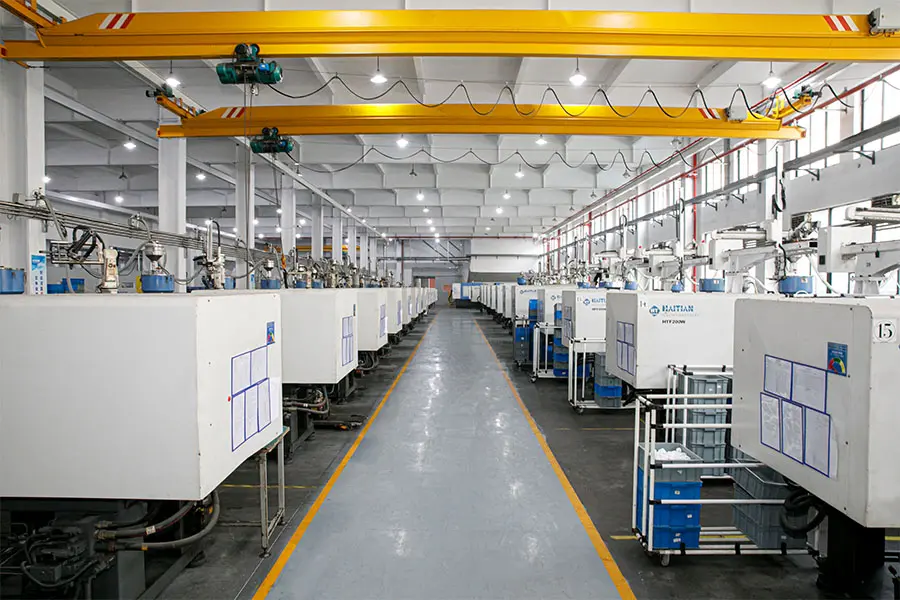
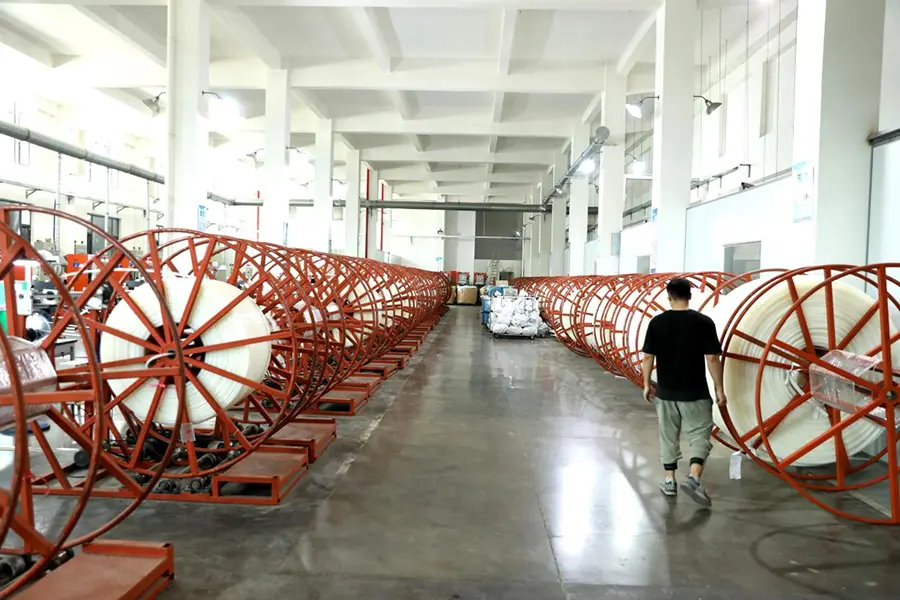
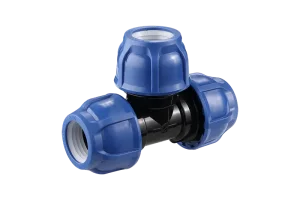
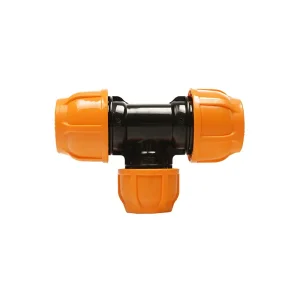
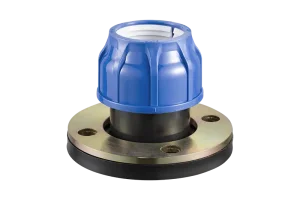
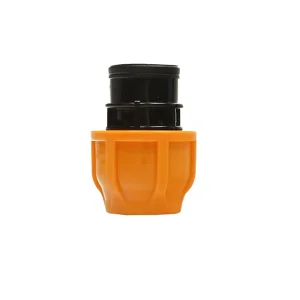
Our factory utilizes advanced feeding and mixing systems to ensure exact material ratios for every extrusion run. Our 45 pipe production lines operate continuously, reducing lead times for high-volume orders. In addition, our 85 precision injection molding machines produce complementary components—such as PP compression fittings, PPSU reducing tees, and PPR transitions—ensuring perfect system compatibility and preventing leaks.
At Minde, we run a three-stage quality control system designed to eliminate production anomalies:
We test every batch of imported virgin HDPE, PP, and PPSU polymers to verify melt flow rate, density, and chemical purity.
Laser diameter controllers and ultrasonic wall-thickness gauges continuously monitor our extrusion lines to keep tolerances under 0.1mm.
Randomly selected finished pipes undergo hydraulic pressure testing (up to PN16/PN20) and thermal cycling tests to confirm structural integrity.
A secure piping system requires reliable connections. High-quality 3/4" PEX tubing must connect smoothly to other elements of a building's water system, such as PPR main lines or HDPE agricultural irrigation networks.
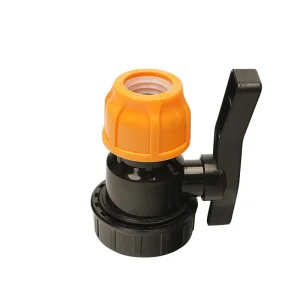
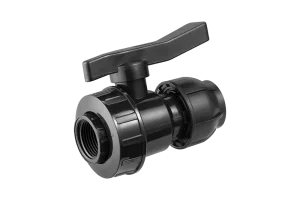
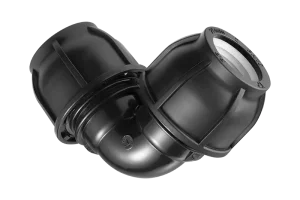
To meet this need, Minde manufactures complementary fittings:
3/4" PEX tubing acts as the primary distributor for radiant heating networks, ensuring even warmth and long-term reliability in high-temperature subfloor loops.
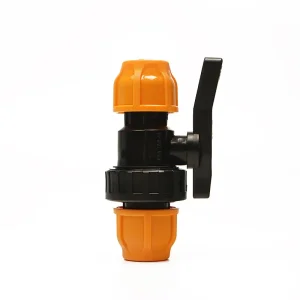
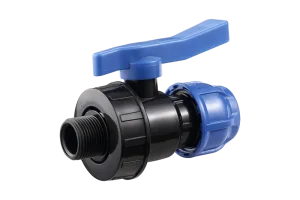
Minde PP compression fittings and ball valves connect seamlessly to HDPE pipes, offering excellent UV stability and leak-proof performance under high pressure.
Manufactured using NSF61-certified materials, our piping and fittings prevent heavy metal leaching to guarantee safe, clean drinking water delivery.
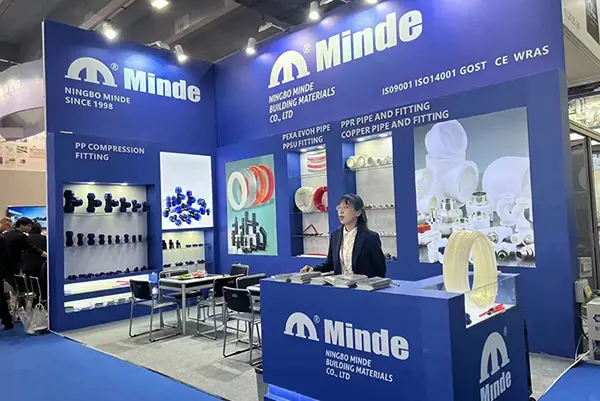
Our focus on quality and efficiency has earned us key international credentials. Minde is fully certified to export to Russia, Ukraine, South America, the Middle East, and European markets.
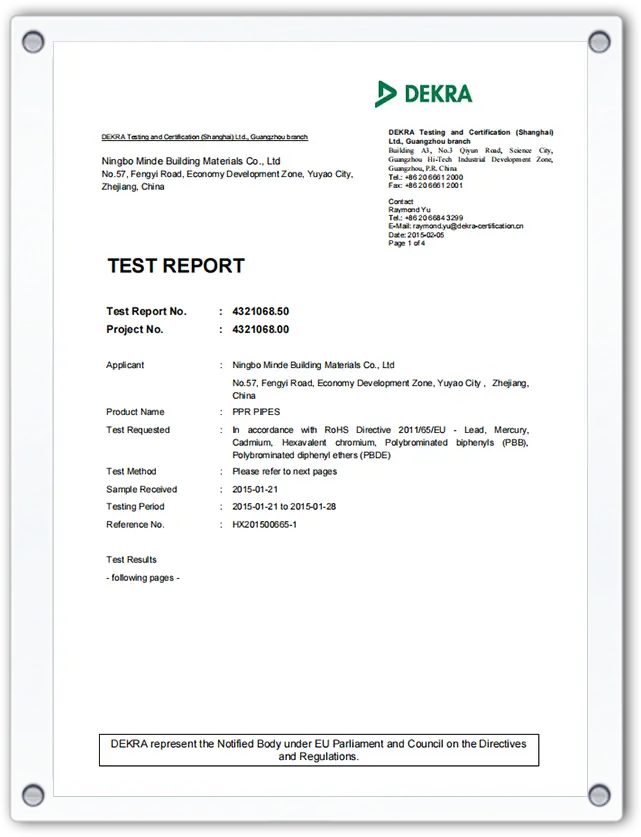
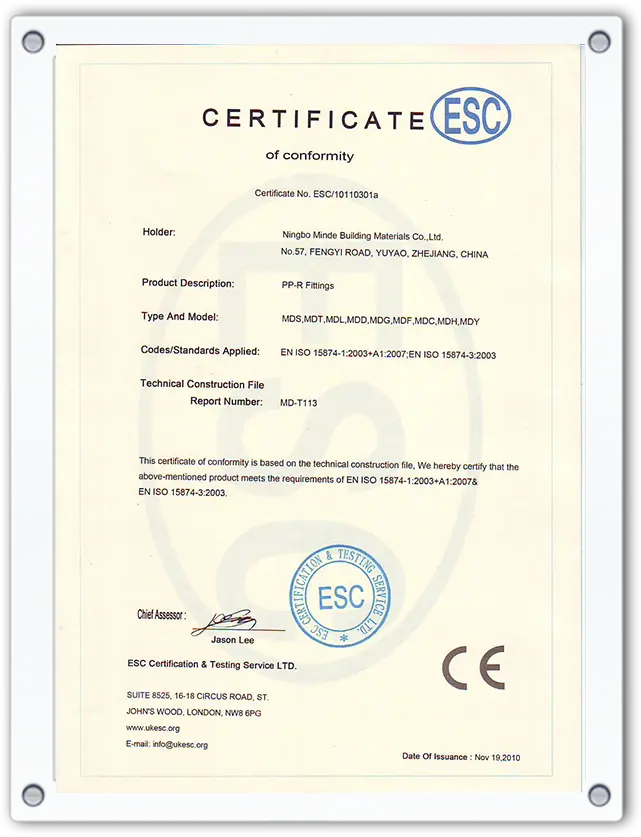
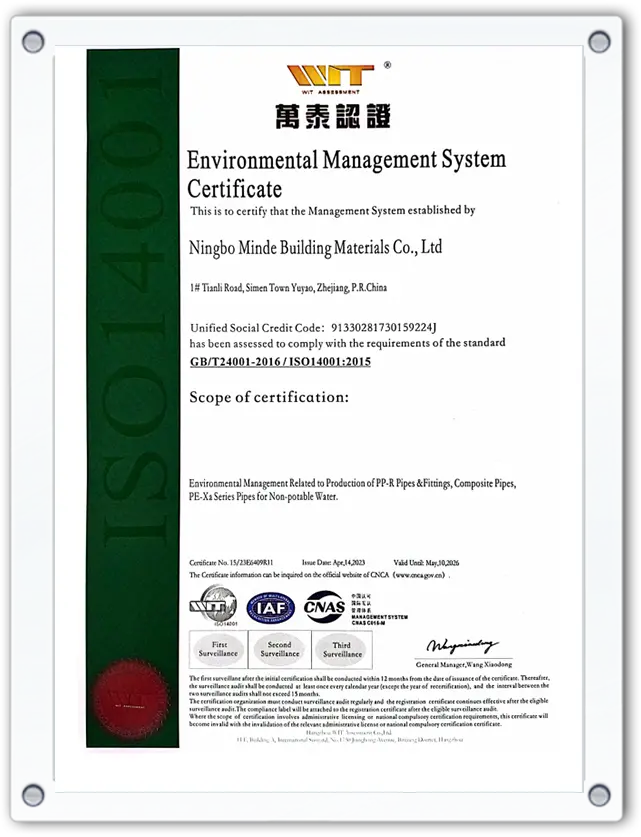

For procurement managers and engineers, sourcing from a manufacturer involves analyzing several critical performance metrics:
Verify that the tubing meets the standard pressure-temperature ratings. Under typical ASTM F876 standards, a quality 3/4" PEX line should sustain:
In municipal water systems where chlorine is used for sanitation, PEX tubing must feature an antioxidant stabilization package (often classified as Class 5 chlorine resistance) to prevent oxidative degradation and premature failure.
For closed-loop hydronic heating systems, an Ethylene Vinyl Alcohol (EVOH) oxygen barrier layer is essential. This co-extruded layer prevents oxygen molecules from entering the heating fluid, protecting iron pumps, boilers, and manifolds from corrosion.
Purchasing directly from Chinese factories like Ningbo Minde streamlines the procurement process. Container load optimization is achieved by combining heavy extrusion pipes with lightweight injection fittings in the same shipment, reducing ocean freight costs. Additionally, Minde's proximity to the Port of Ningbo ensures fast dispatch to global destinations, keeping projects on schedule.
 Minde
Minde