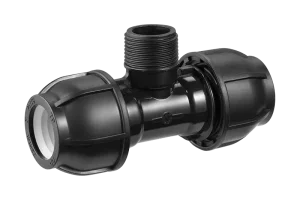
Explore our certified range of professional piping products engineered for maximum durability, structural reliability, and flow efficiency.
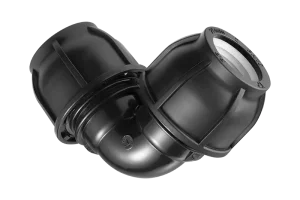
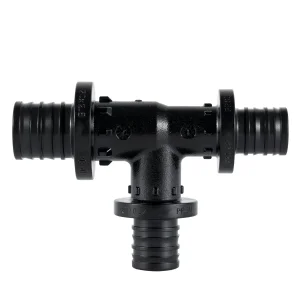
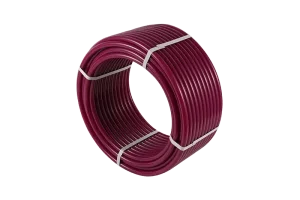
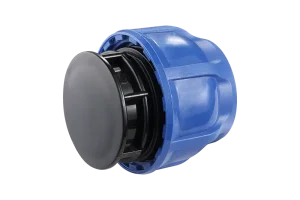
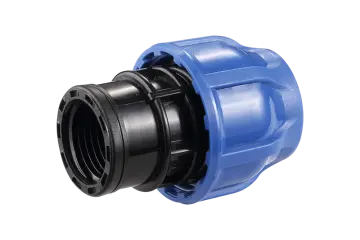
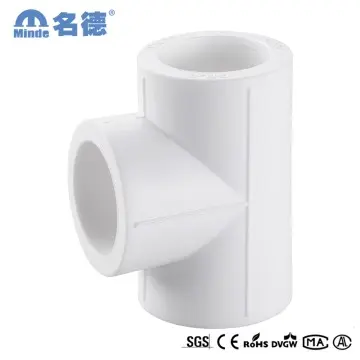
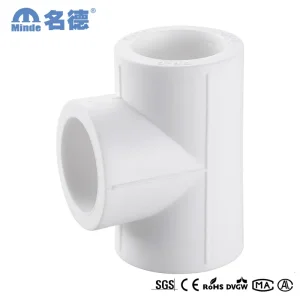
In contemporary fluid conveyance networks, transition fittings serve as vital components connecting thermoplastic piping systems to metallic fixtures, valves, and measuring instruments. Specifically, the PPR Female Adaptor acts as a reliable bridging mechanism, designed to integrate PP-R (Polypropylene Random Copolymer) pipelines with brass or bronze threads. Achieving structural integrity, leak-proof performance, and chemical stability requires a deep understanding of polymer chemistry and metallurgy.
A high-quality PPR female adaptor is more than just plastic wrapped around a metal insert. The quality is determined by the knurling design of the brass component, the choice of polypropylene raw materials, and the injection molding parameters. Substandard transition fittings often suffer from thermal expansion mismatch, leading to micro-leaks and structural failure over extended periods. Ningbo Minde ensures high standards through systematic testing and precision manufacturing.
Our PPR Female Adaptors are manufactured from top-tier virgin polypropylene random copolymer resin (PP-R). This polymer offers high molecular weight, chemical inertness, and structural strength at elevated temperatures. Unlike standard polypropylene homopolymers, the random insertion of ethylene molecules into the polymer chain prevents brittle failures, especially under high mechanical stress.
The metallic component features heavy-duty brass inserts, typically made from HPb59-1 or CW617N alloys, depending on the regulatory requirements of the destination country. To prevent heavy metals from leaching into potable water systems, Minde offers low-lead and lead-free options. The interface between the metal insert and the PPR body utilizes a double-knurled structure with mechanical anchoring grooves. This configuration resists rotational torque and axial tension during installation and thermal cycling.
Rooted in the manufacturing cluster of Ningbo, Zhejiang Province, China, Ningbo Minde Building Materials Co., LTD. is a professional production facility with over two decades of industry expertise. We focus on the research, production, and distribution of premium plastic pipes and fittings, providing engineered solutions for residential water networks, agricultural irrigation, and radiant underfloor heating installations.
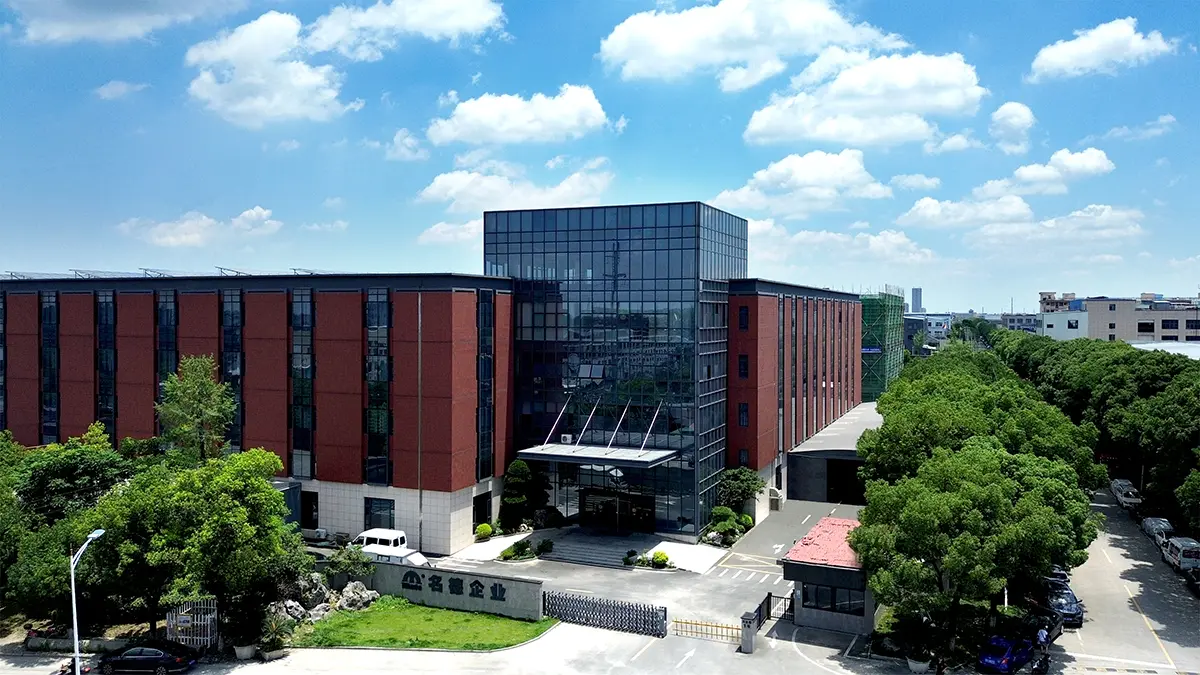
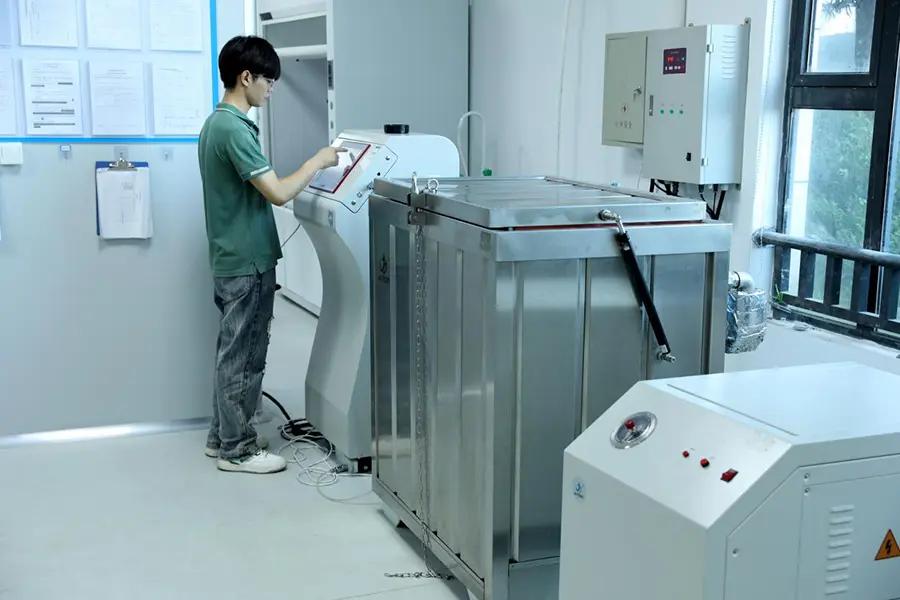
To ensure high quality, Minde utilizes premium imported raw materials and maintains a fully automated feeding system. Quality control is managed across three distinct inspection points:
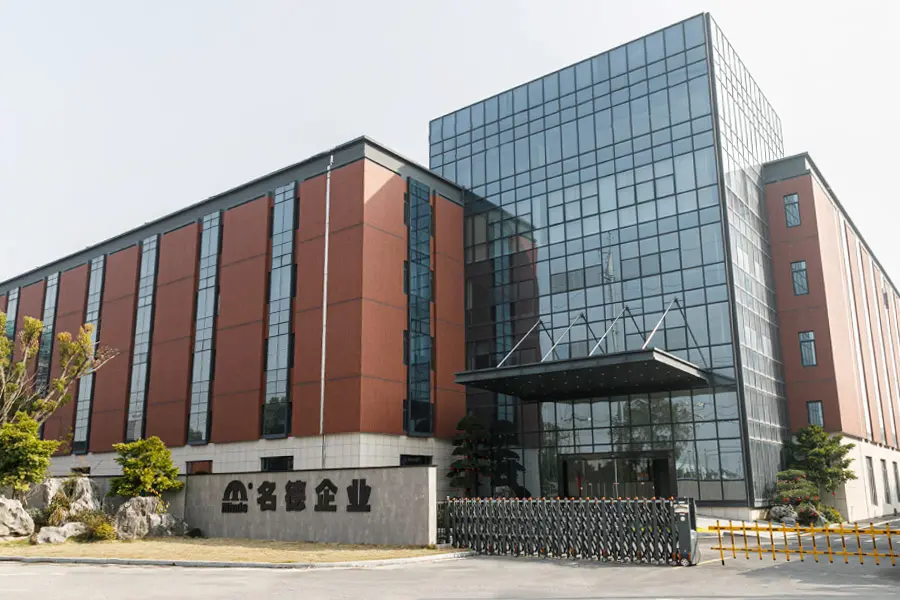
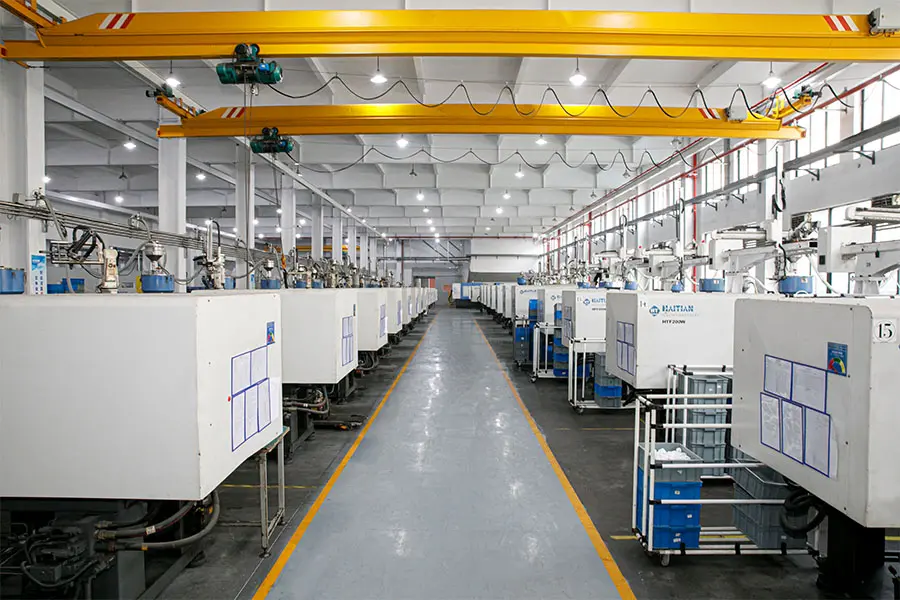
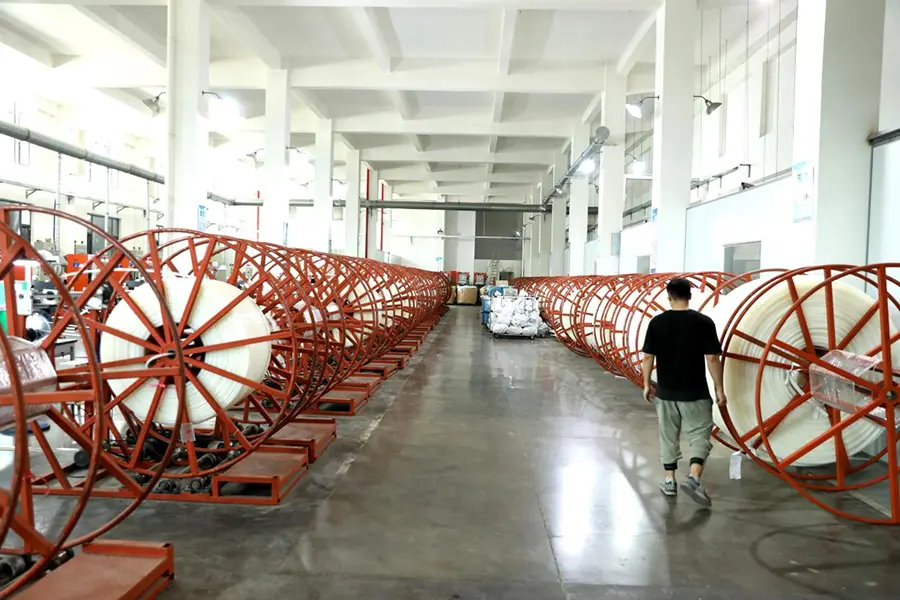
Our production facility in Ningbo utilizes advanced automation and clean manufacturing environments to deliver reliable pipe fittings.
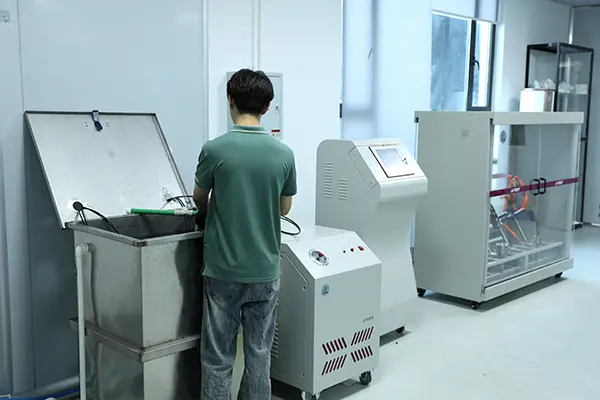
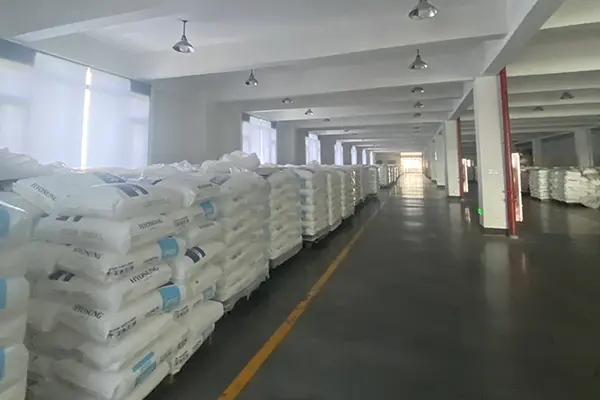
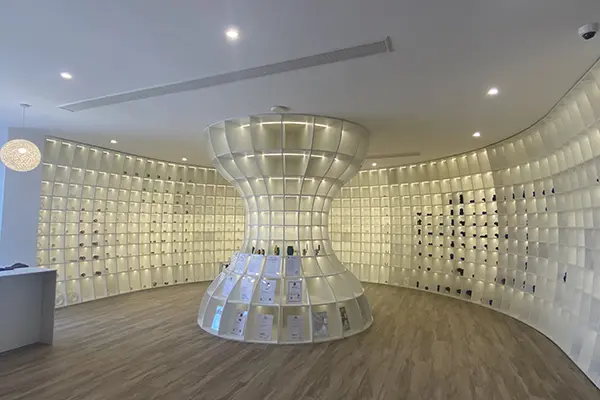
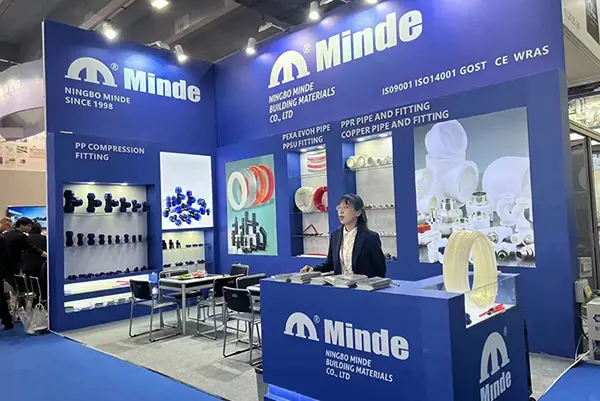
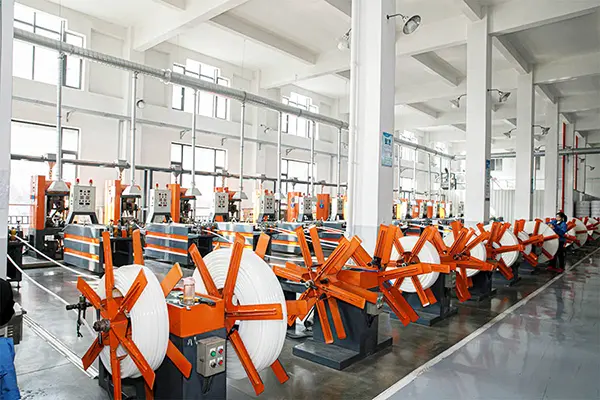
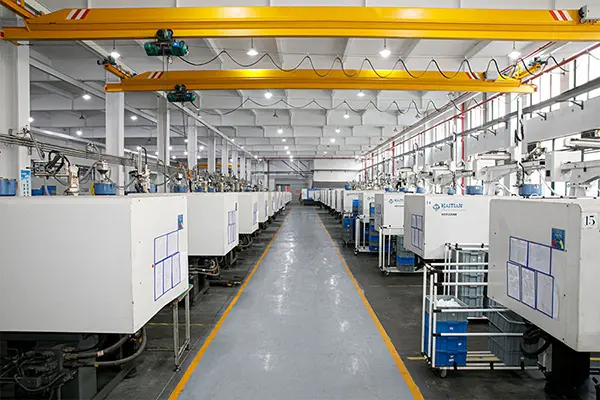
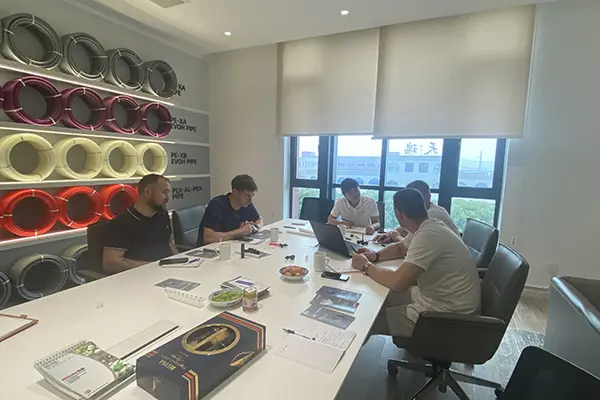
Our facility is located in Ningbo, Zhejiang, providing direct access to deepwater port infrastructure (Ningbo-Zhoushan Port). This geographic proximity reduces domestic transit times and lowers international freight costs, helping us maintain competitive FOB pricing for global buyers.
Equipped with 85 advanced injection molding machines, we offer OEM and ODM customization. We design customized molds based on specific wall thicknesses (SDR6, SDR7.4, SDR11) and adapt metallic thread configurations (BSPT, NPT, Metric) to meet regional requirements.
PPR Female Adaptor pricing fluctuates based on raw PP-R resin indices and the LME copper index. Minde stabilizes pricing through bulk purchasing agreements for raw materials. Our pricing levels scale according to order volume, with standard wholesale prices starting at competitive price-per-piece baselines.
When sourcing PPR female adaptors, B2B procurement managers should evaluate the overall cost of ownership rather than unit cost alone. Low-cost components containing recycled plastic or thin brass inserts can fail under pressure, leading to leaks and liability issues. Minde's use of virgin materials and robust brass designs helps prevent long-term maintenance costs.

Minde PPR pipelines and transition fittings are certified for residential water systems. The lead-free brass inserts prevent corrosion and help maintain safe drinking water quality, complying with international NSF61 standards.
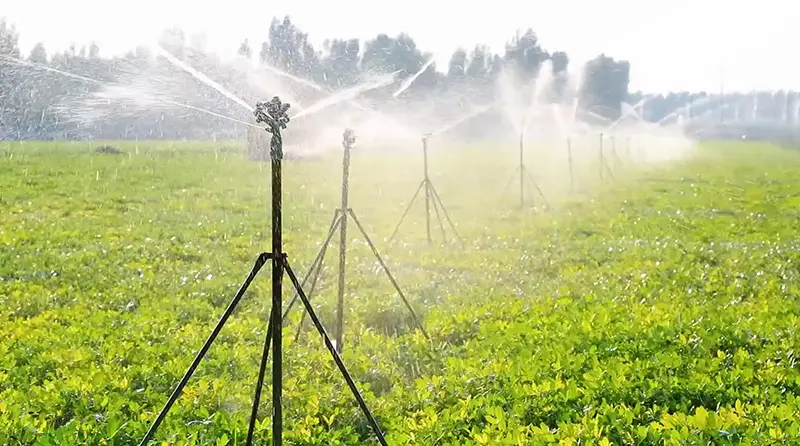
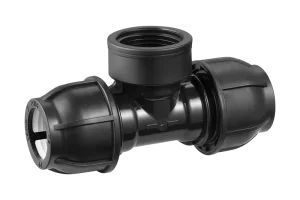
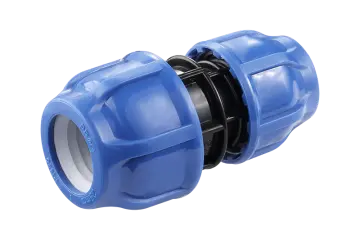
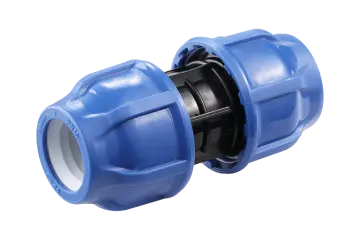
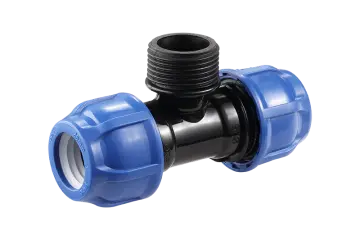
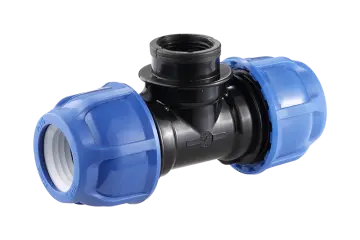
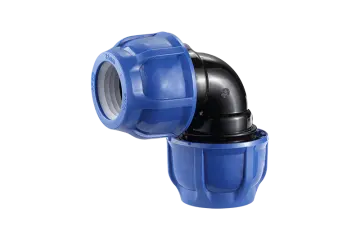
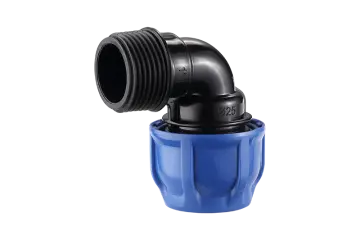
For high-salinity agricultural and horticultural operations, our PP compression fittings and PPR transition components resist chemical degradation from fertilizers, soil acidity, and prolonged sun exposure.
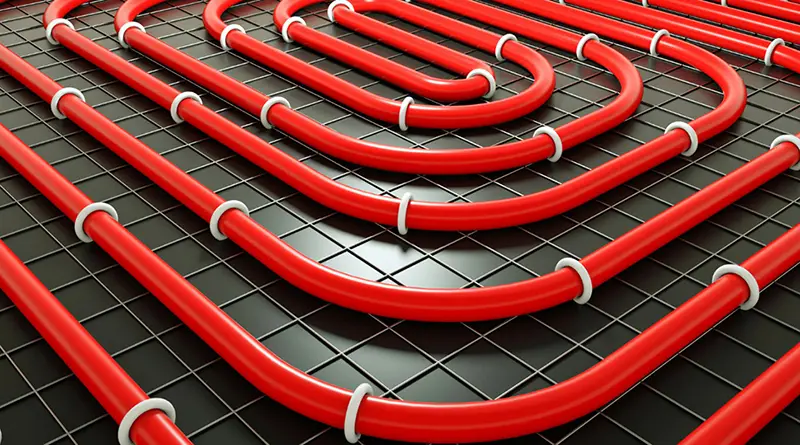
Our PPR female adaptors connect thermoplastic floor heating manifolds to copper boiler feed systems. They are designed to withstand continuous thermal expansion and contraction cycles up to 95°C without structural fatigue.
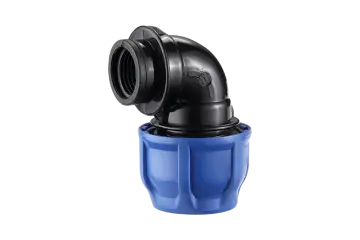
Minde fittings comply with major international certifications, allowing for distribution across global regional markets.
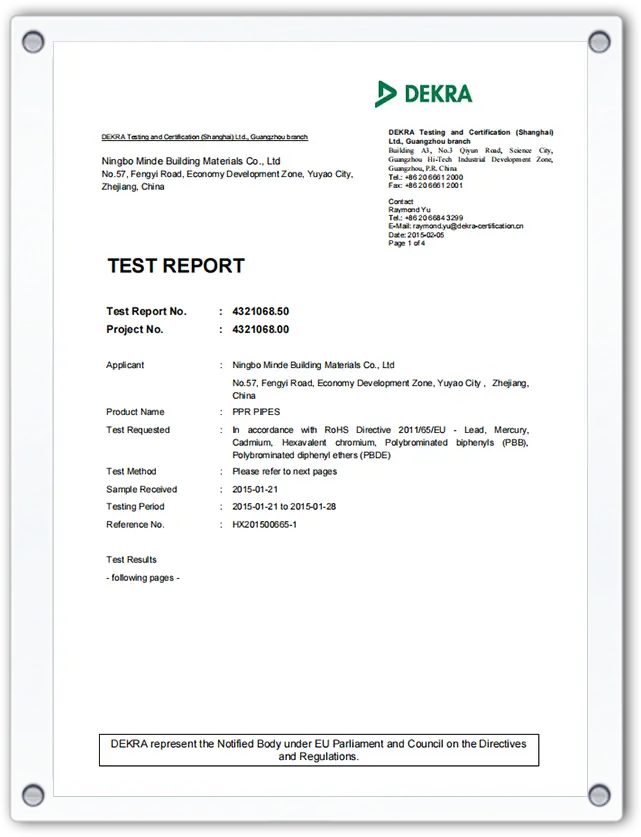
These certifications guide our quality control and environmental management systems, supporting consistent production output.
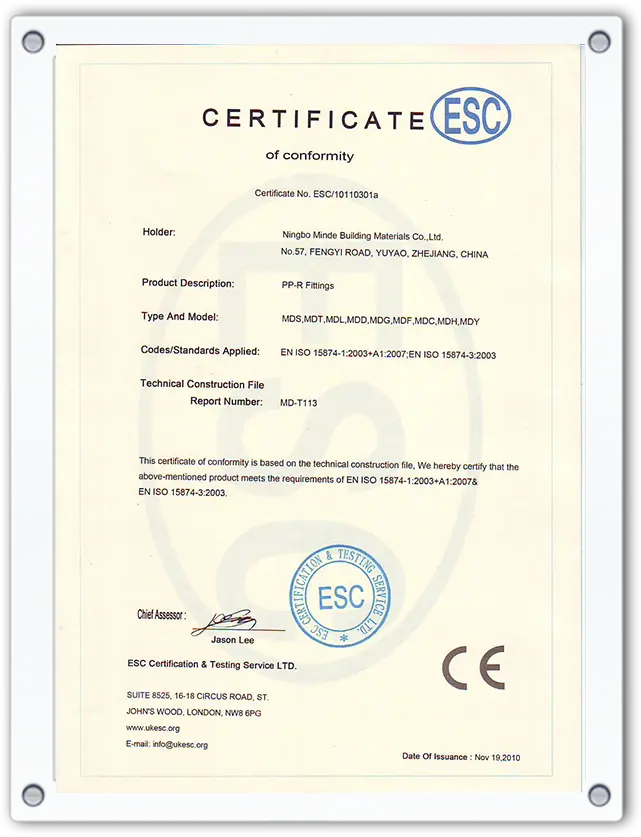
Ensures compliance with European health, safety, and environmental protection standards for pressurized pipe networks.
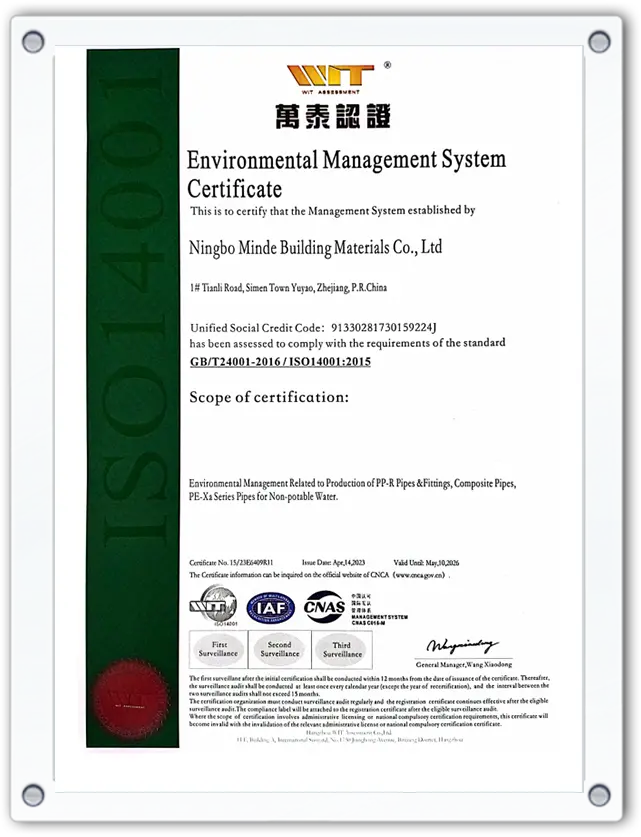
Verified for safe use with drinking water in the United Kingdom, alongside compliance with Eastern European GOST standards.
Minde partners with distributors and project contractors globally. Our business principles center on Innovation, Quality, Competitive Pricing, and Reliable Service. We support brand development through consistent after-sales service and quality products.

Technical answers to common questions about PPR female adaptors, focusing on integration, materials, and sourcing.
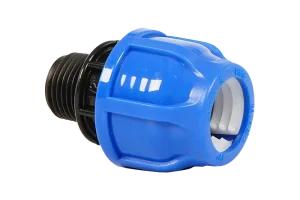
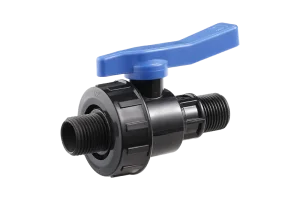
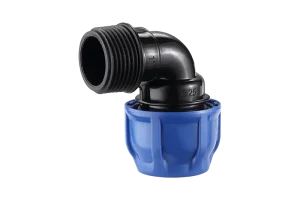
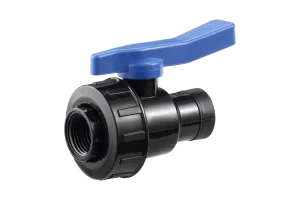
Browse our complete catalog of certified PPR and PP compression products, designed for diverse fluid conveyance configurations.
 Minde
Minde