Explore our premier configurations of heavy-duty control valves, structural compression fittings, and specialized heat transmission accessories engineered for high reliability.
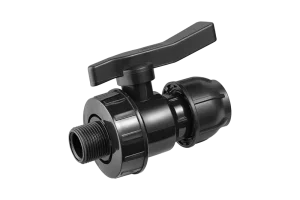
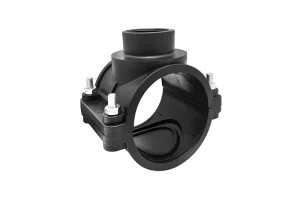
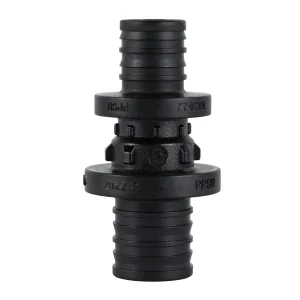
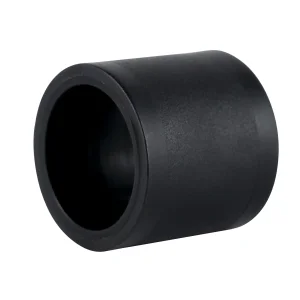
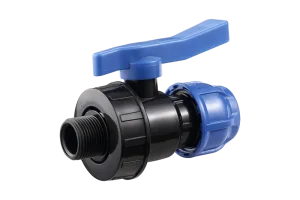
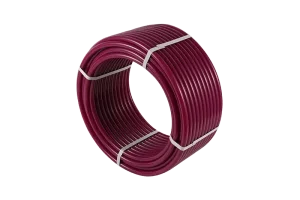
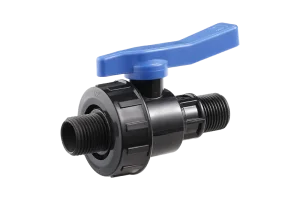
Modern industrial operations necessitate plumbing components capable of resisting extreme pressure profiles, severe thermal shock, and aggressive chemical environments. The global shift toward integration of polymer systems (PP, PPSU, PPR) alongside ODM Stainless Steel Fittings represents a significant milestone in mechanical engineering. Pipelines are no longer singular metallic runs or simple plastic hoses; they are sophisticated, hybrid modular networks requiring precision sealing interfaces, material longevity, and zero leakage safety margins.
Stainless steel fittings—specifically fabricated from premium-grade austenitic 304 (EN 1.4301) and 316L (EN 1.4404) alloys—provide high yield strength, outstanding structural integrity, and exceptional resistance to localized corrosion mechanisms such as pitting and crevice corrosion. Meanwhile, high-strength thermoplastic engineering polymers, like polypropylene (PP) and polyphenylsulfone (PPSU), offer light weight, structural flexibility, and high chemical inertness. The combination of these materials guarantees highly optimized flow control matrices across commercial HVAC, potable water systems, and aggressive chemical transport networks.
Austenitic Stainless Steel (316L) contains 16-18% Chromium, 10-14% Nickel, and 2-3% Molybdenum. The addition of Molybdenum drastically enhances the material's resistance to chloride-induced pitting, making it far superior to Grade 304 in marine, waste-water, and chemical processing configurations.
As a leading ODM partner, our collaborative industrial manufacturing infrastructure utilizes state-of-the-art smelting, casting, forging, and CNC machining technologies. Raw materials are strictly verified via Optical Emission Spectrometry (OES) and ultrasonic testing before proceeding to production. The manufacturing process of our industrial-grade metal and high-end polymer fitting portfolio complies with rigorous global engineering criteria:
| Fitting Material / Grade | Applicable Standards | Nominal Pressure Rating (PN) | Recommended Application Temperature Range | Primary Industry Segment |
|---|---|---|---|---|
| Stainless Steel 316L (CF3M) | ASTM A182 / EN 10253 | PN16 to PN100 | -196°C to +450°C | Chemical Processing, Pharma, Petrochemical |
| Stainless Steel 304 (CF8) | ASTM A182 / ISO 4144 | PN16 to PN40 | -80°C to +300°C | Food & Beverage, Potable Water, Construction |
| Minde PP-Polypropylene | ISO 14236 / EN 12201 | PN10 / PN16 | -10°C to +50°C | Agricultural Irrigation, HDPE Piping Connections |
| Polyphenylsulfone (PPSU) | ASTM F1960 / NSF/ANSI 61 | PN16 / PN25 | -40°C to +95°C | Underfloor Heating, Radiant Systems, Potable Water |
In the modern landscape of global trade, supply chain stability and material verification are crucial. Procurement officers are transitioning from standard off-the-shelf buying schemes to direct factory ODM partnerships. Collaborative planning reduces lead times, optimizes custom design integrations (such as customized thread dimensions or unique alloy ratios), and ensures compliance with regional building and safety codes.
Industries such as municipal water distribution, smart agricultural irrigation, commercial radiant floor heating, and offshore engineering require robust validation of mechanical characteristics. Direct collaboration with specialized production plants like Ningbo Minde allows global partners to utilize vast manufacturing resources, including extensive injection molding capabilities, high-capacity extrusion lines, and comprehensive quality assurance protocols, while maintaining highly competitive pricing structures.
High-quality, lead-free polymer materials (PPSU/PP) certified to NSF/ANSI 61, combined with robust stainless steel transitions, prevent heavy metal contamination in municipal potable water infrastructure.
PP compression fitting networks rated at PN16 provide robust sealing for high-volume piping lines, resisting UV radiation, mechanical soil shifts, and aggressive chemical fertilizers.
Highly durable EVOH oxygen barrier PEXa pipe systems and chemical-resistant PPSU fittings maintain structural integrity under high-temperature radiant heating operations.
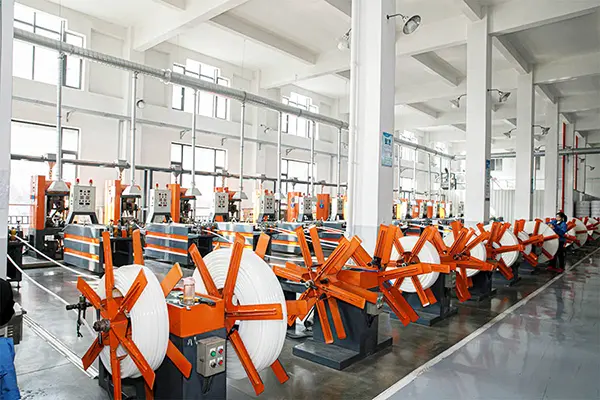
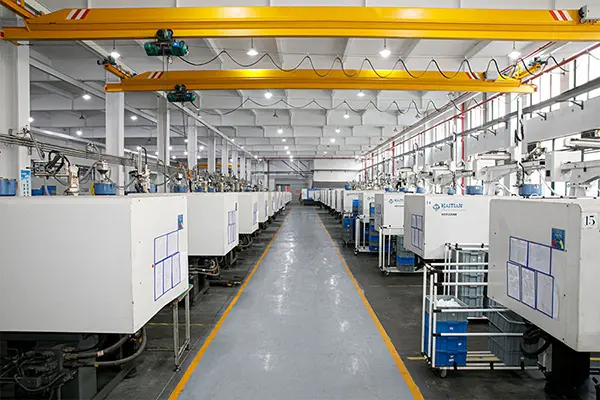
Ningbo Minde Building Materials Co., LTD., based in Zhejiang Province, China, is an established manufacturing enterprise focusing on high-performance polymer piping solutions, compression fitting assemblies, and industrial flow components. With over two decades of experience, the company operates a 90,000+ square meter manufacturing facility staffed by 200+ skilled personnel. Production output is driven by 45 automated extrusion lines, 85 precision injection molding machines, and an automated raw material conveying system.
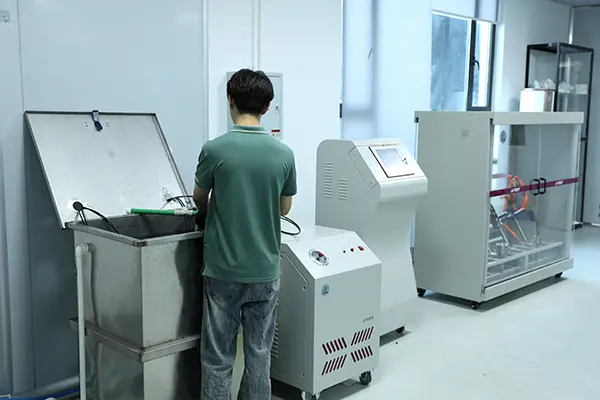
Minde's quality assurance framework operates across three key stages: raw material inspection, inline process monitoring, and finished product validation. Quality control operations are supported by an advanced testing laboratory executing structural burst tests, thermal stability tests, and dimensional tolerance checks. This comprehensive quality control system ensures compliance with key international standards:
Ningbo Minde Building Materials Co., LTD. supplies plumbing, mechanical, and agricultural partners in more than 50 countries, including Russia, Ukraine, Southeast Asia, South America, and the Middle East. Minde's operational model focuses on the core principles of Innovation, Quality, Competitive Price, and Thoughtful Service, ensuring reliable performance in demanding flow control environments.
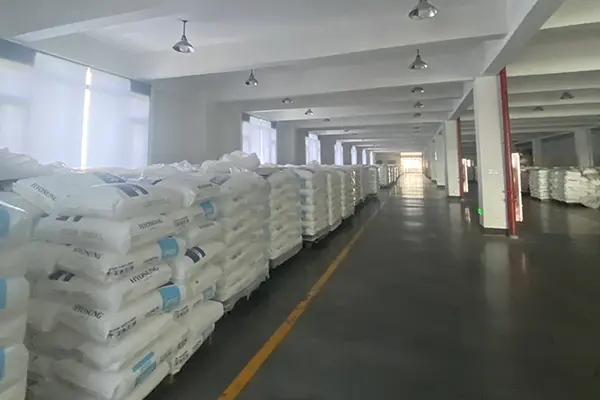
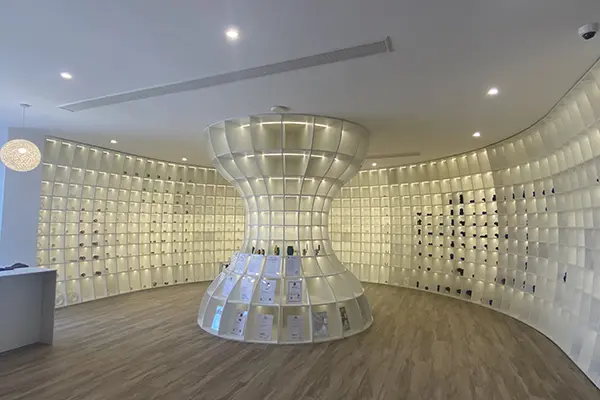
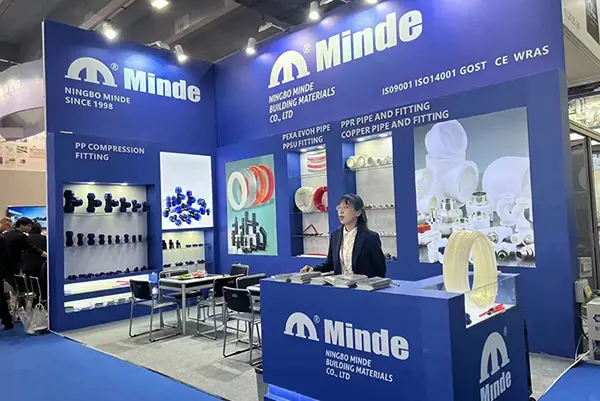
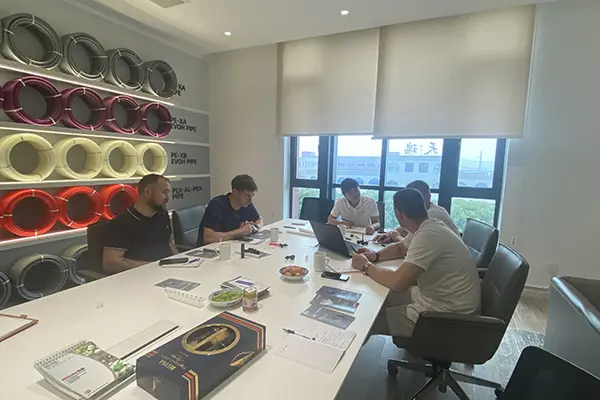
Explore our state-of-the-art facilities located in Zhejiang Province. Our standard-setting workshop layout, equipped with modern machinery and highly-trained workforce, is a testament to our status as a first-rate manufacturing partner.
The future of pipeline transport technology lies in structural optimization and environmentally sustainable material formulations. To align with global decarbonization policies, Minde is actively researching and implementing bio-based polymer resins and optimizing advanced steel alloys to achieve high strength with reduced carbon footprints.
In addition, our R&D initiatives focus on designing smart transition connections. By integrating miniature pressure and temperature sensors directly into customized stainless steel transitions and PPSU multi-way unions, we facilitate real-time monitoring of fluid parameters. This technological approach supports predictive maintenance, reduces leak risks, and enhances resource conservation across commercial piping configurations.
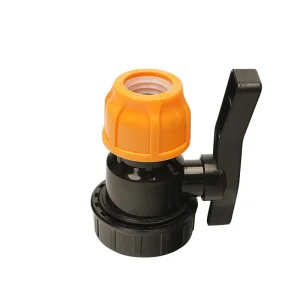
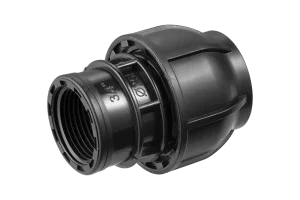
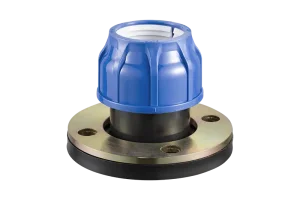
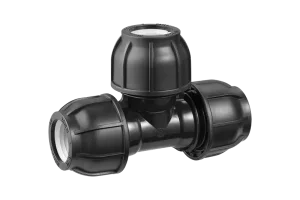
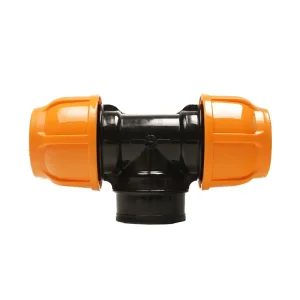
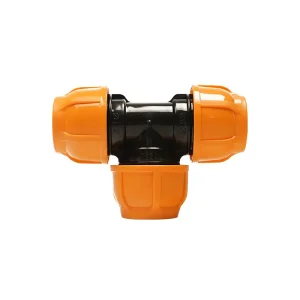
Discover our comprehensive range of certified ball valves, threaded transition tees, and metal-reinforced flange couplings designed for secure piping connections.
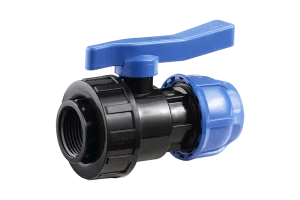
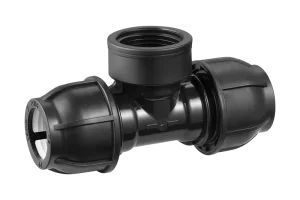
Detailed mechanical, chemical, and logistics answers for engineering buyers and procurement teams.
 Minde
Minde