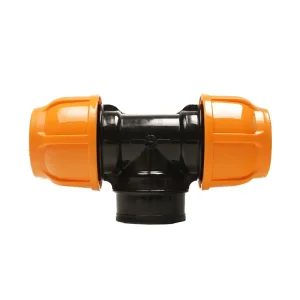
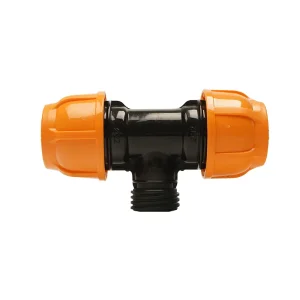
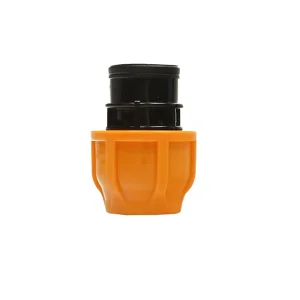
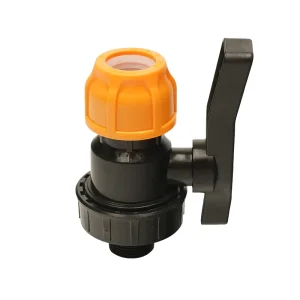
Engineered for PN16 pressure ratings and maximum service longevity, designed to fit high-stress cold/hot water distribution and municipal networks.
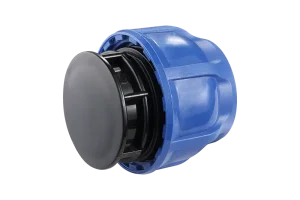
In modern municipal and residential plumbing, cross-linked polyethylene (PEX) stands as a foundational development. The two prominent categories, PEX-a (produced via the peroxide Engel method) and PEX-b (produced via the silane moisture-cure method), exhibit structural differences that impact how they interface with mechanical clamping connections.
PEX-a possesses a cross-linking degree of approximately 70-80%, yielding a highly flexible molecular structure with thermal memory. If kinked, PEX-a can be heat-restored to its original shape. PEX-b, typically cross-linked to 65-70%, offers higher tensile strength and resistance to chlorine degradation, making it highly robust for standard domestic hot and cold water supplies.
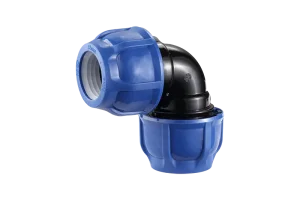
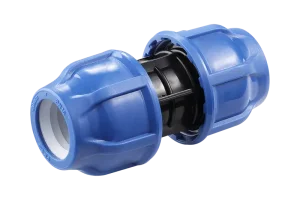
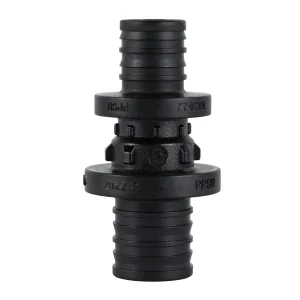
Our OEM Clamping PEX Pipe Service utilizes ASTM F1807 brass and ASTM F2159 plastic/PPSU mechanical barb inserts combined with ASTM F2098 stainless steel clamp bands. This dynamic sealing technology ensures that when radial force is applied via a specialized tensioning tool, the PEX pipe material undergoes localized elastic deformation, embedding itself into the barb grooves of the fitting. This creates a highly reliable mechanical joint that resists thermal contraction, expansion, and high hydraulic surges up to nominal pressures of PN16 and PN20.
SEO Insight & Material Integrity: Choosing the right fitting insert material—such as high-grade Polyphenylsulfone (PPSU) or Lead-Free DZR Brass—prevents dezincification in aggressive water environments. Ningbo Minde ensures all OEM fittings meet international drinking water standards (NSF/ANSI 61 and WRAS).
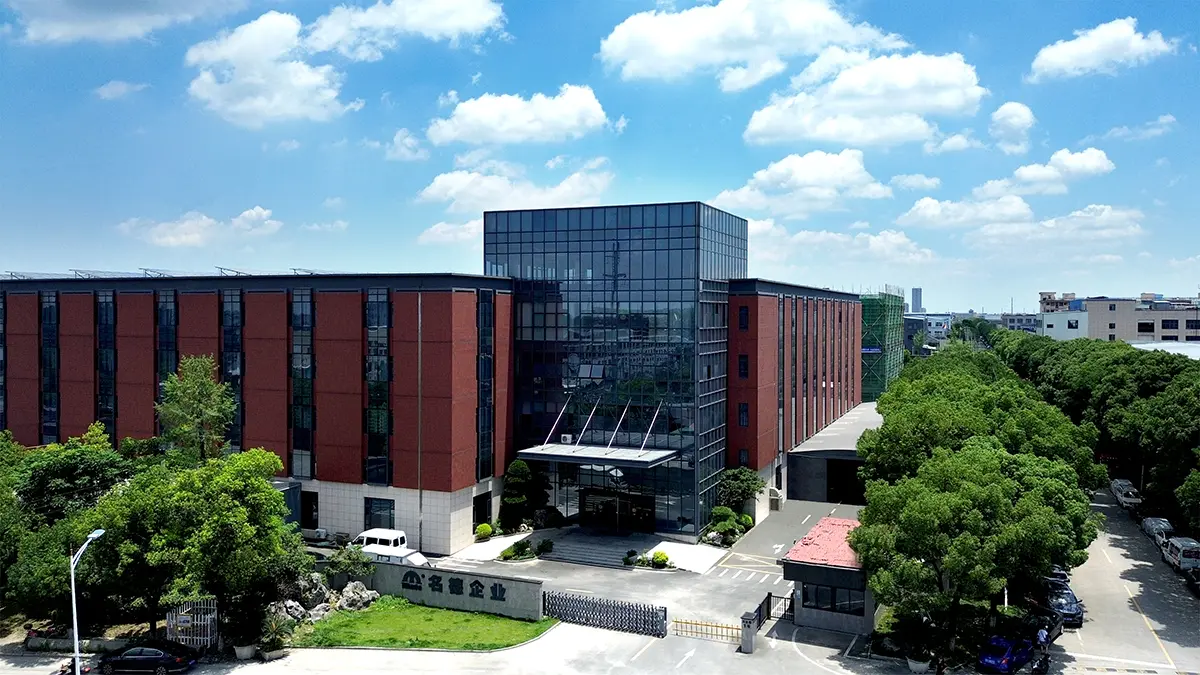
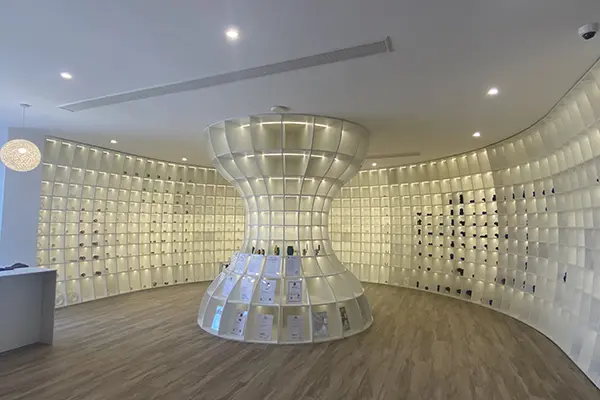
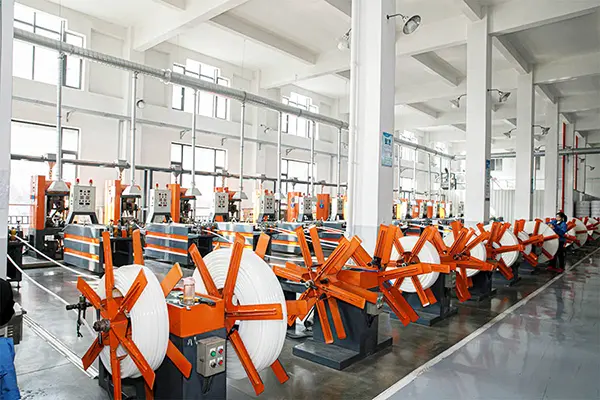
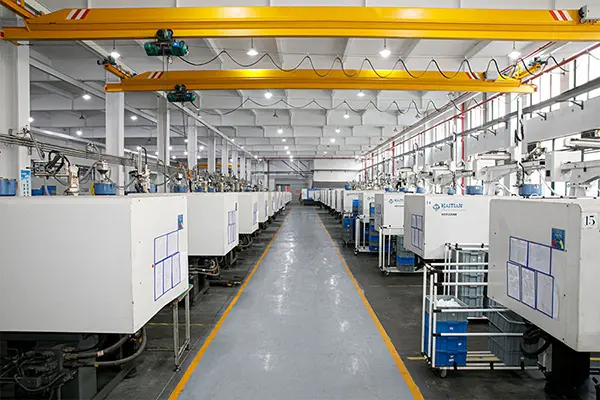
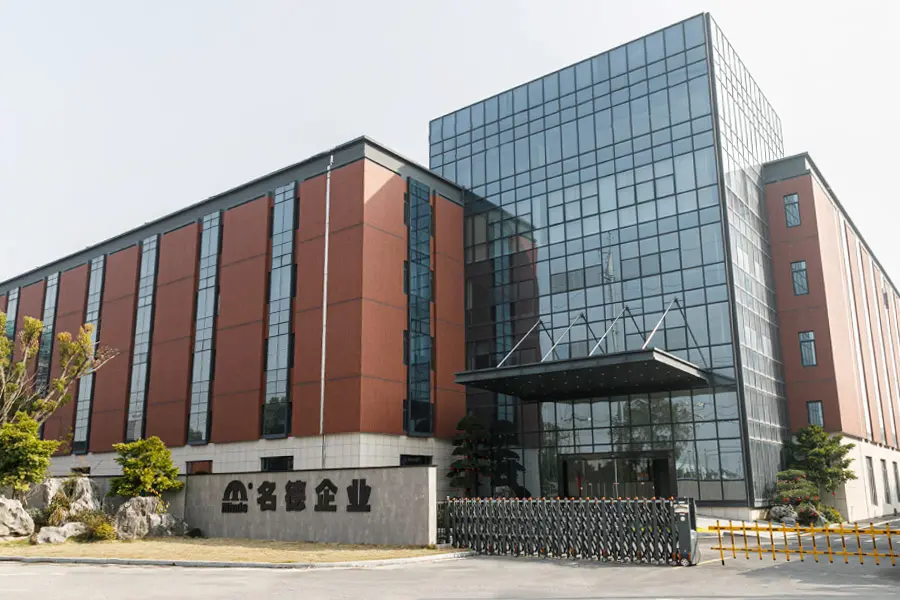
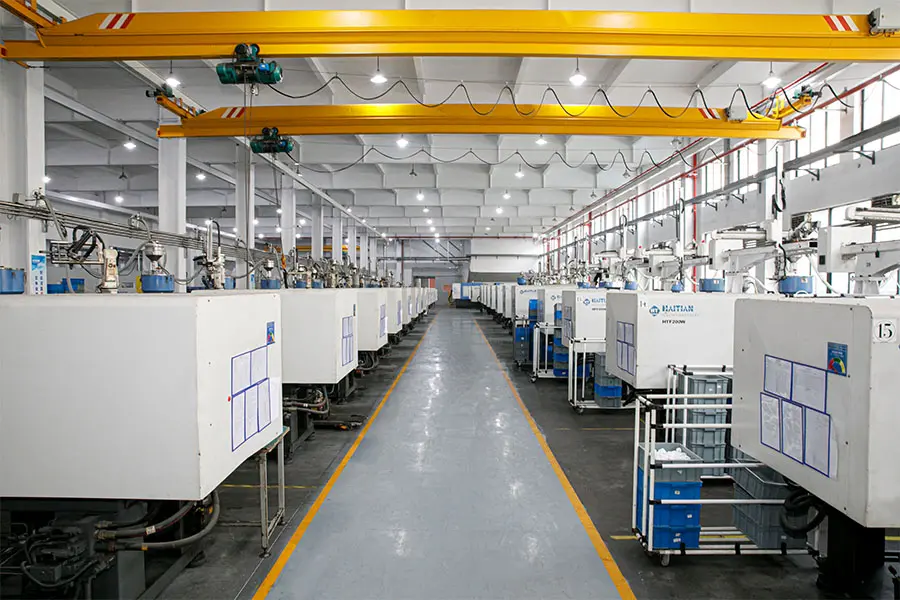
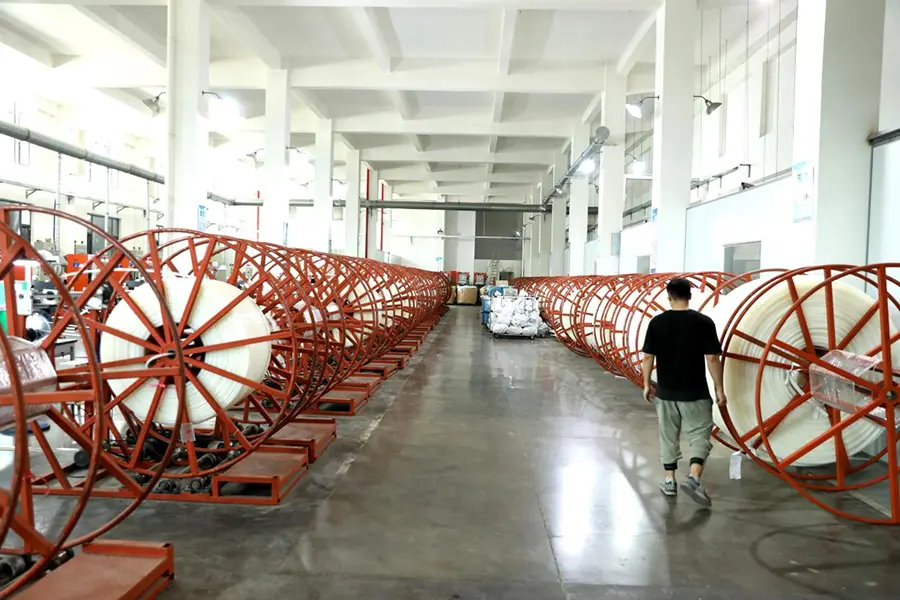
Scale, precision, and automation in our 90,000+ square meter production facility in Zhejiang, China.
Ningbo Minde Building Materials Co., LTD., located in the plastics manufacturing hub of Zhejiang Province, China, has accumulated over 20 years of experience in the piping industry. The integration of high-speed manufacturing technology with strict raw material selection forms the basis of our production strategy.
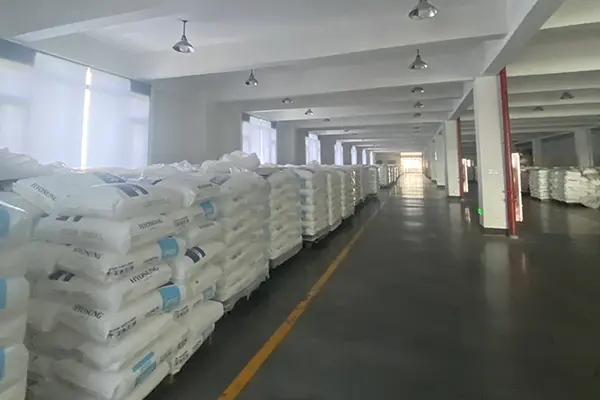
To ensure long-term chemical resistance and prevent structural failures under continuous load, we import premium virgin polymers. Our processing setup utilizes centralized material feeding lines that convey raw materials to our 45 extrusion systems and 85 high-tonnage injection molders. This automation reduces human error, maintains uniform wall thickness tolerances, and keeps pipe eccentricity parameters well below industry limits.
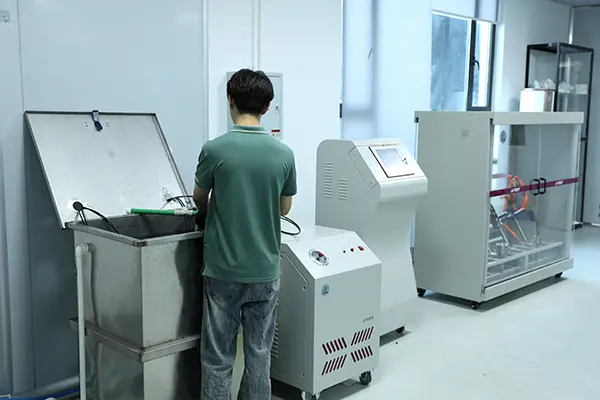
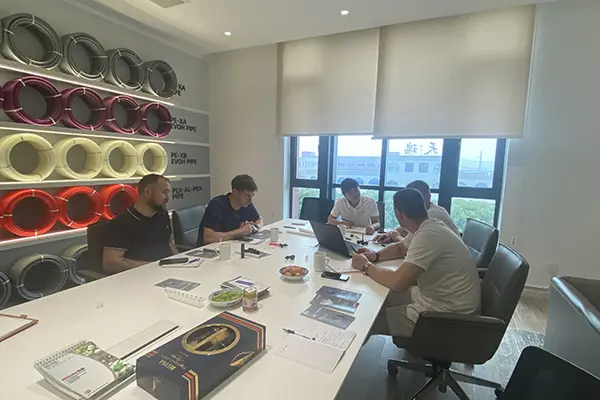
Ensuring cross-border compliance, quality consistency, and verification parameters for plumbing engineers.
Incoming polymer batches are tested for melt flow index, moisture levels, and density variance before processing.
Laser diameter gauges monitor real-time wall thickness and pipe roundness during extrusion, discarding substandard runs automatically.
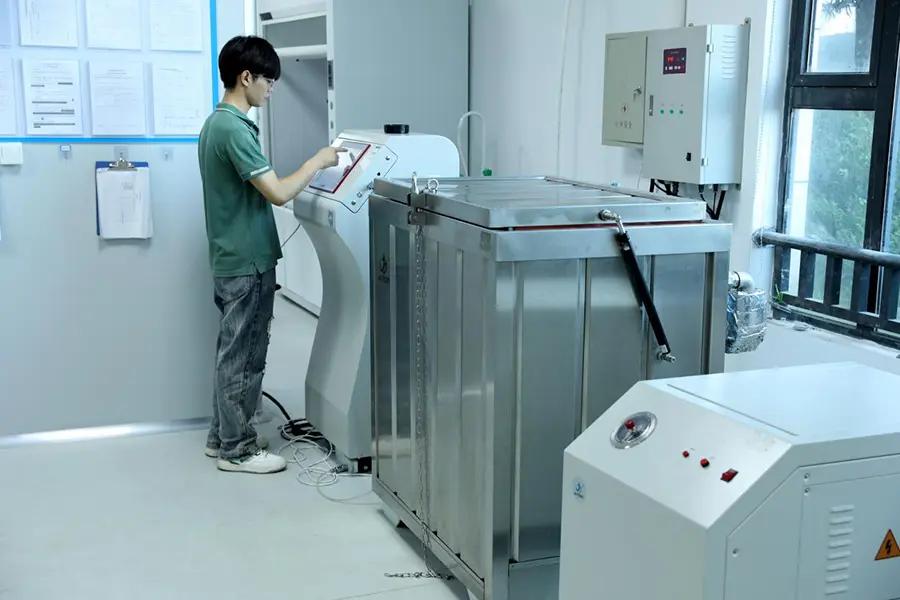
Every production batch undergoes hydro-static burst pressure tests, thermal cycling, and environmental stress cracking resistance (ESCR) profiling.
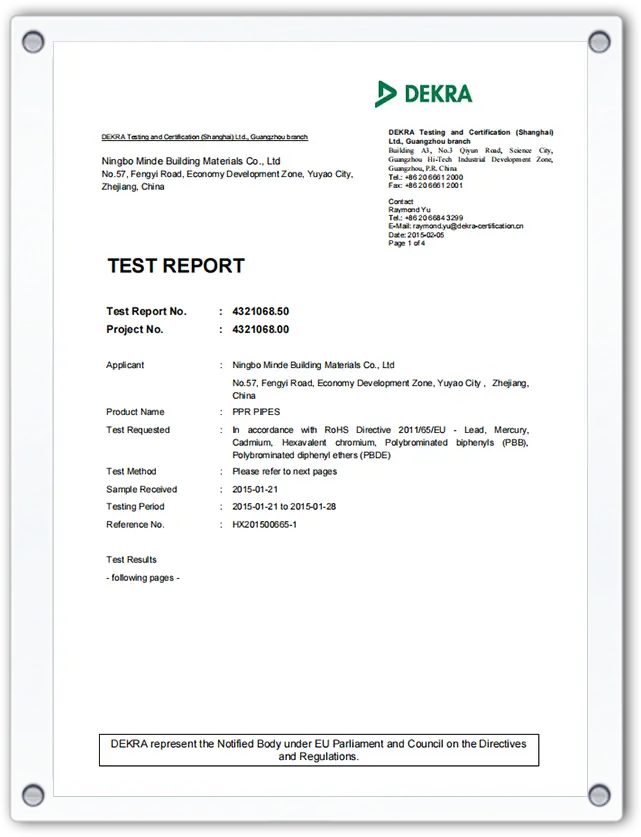
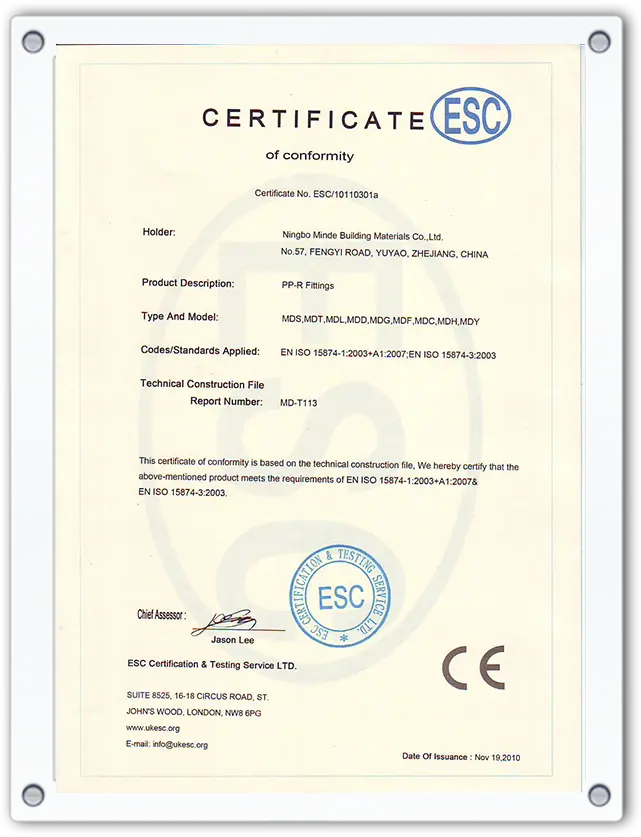
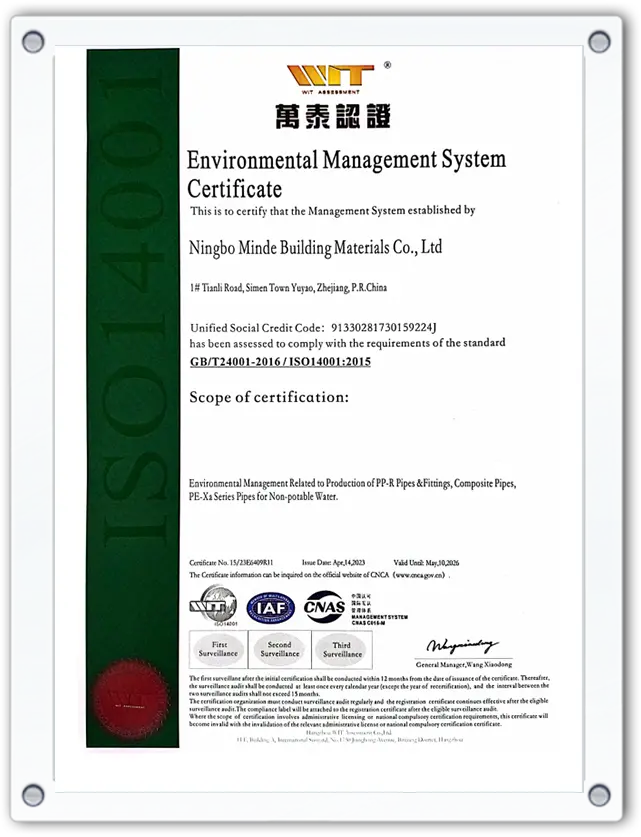
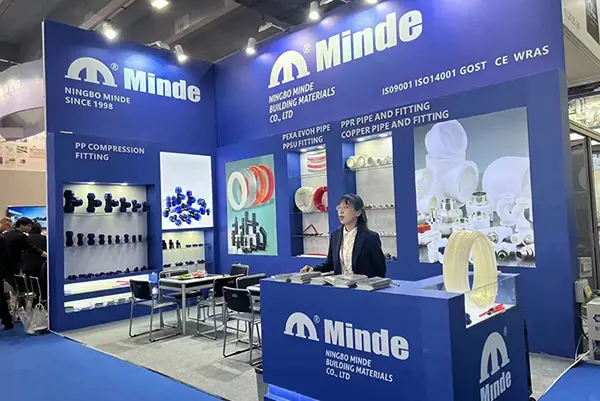
Ningbo Minde meets the compliance requirements of major import regions. Our company has established a Quality Management System certified to ISO9001:2022 and an Environmental Management System certified to ISO14001. For international market entry, our plumbing systems are certified under European CE standards, British WRAS for potable water, and Russian GOST guidelines. This documentation ensures simple import clearance and meets municipal project specifications in over 50 destination countries.
From deep geothermal loops to high-volume agricultural networks, our PEX and PP lines are optimized for specialized environments.
PEX-a pipes with EVOH oxygen barriers prevent oxygen penetration into hydronic loops, avoiding corrosion on metal parts like heat exchangers and pumps.
Using certified lead-free raw materials, our PEX-Al-PEX composite pipes provide high sanitary performance and structural stability for high-pressure distribution.
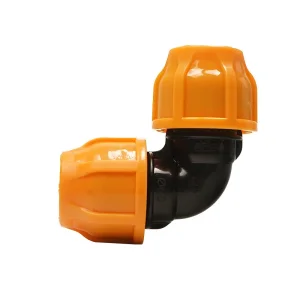
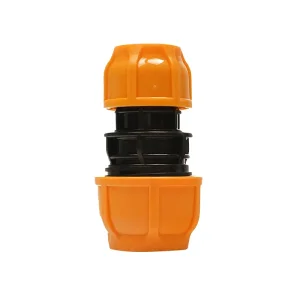
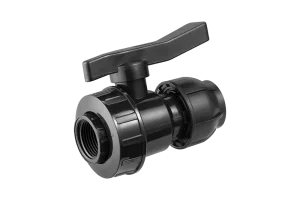
Our UV-stabilized PP compression fittings maintain structural integrity under sunlight exposure and fluctuating pressures in agricultural installations.

The pipe and fitting industry is adapting to changes driven by environmental policies and building codes. Globally, there is a push to eliminate trace heavy metals from drinking water systems. This has accelerated the transition from traditional brass alloy fittings to Lead-Free Brass and high-performance polymer alternatives like Polyphenylsulfone (PPSU) and modified PP-R.
Additionally, modular and pre-fabricated construction methods are increasing the demand for reliable connection systems. Installers favor mechanical clamping and crimping connections over traditional soldering and gluing because they reduce installation time, remove fire hazards on the job site, and provide immediate pressure-test readiness. Our factory remains aligned with these trends by continuously expanding our PPSU tooling options and developing composite materials to improve pipe performance and chemical resistance.
Technical guidance for B2B procurement managers and plumbing system designers.
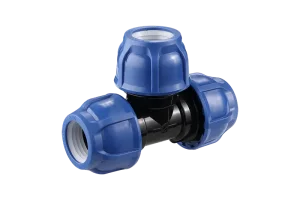
Explore our global OEM pipeline inventory featuring leak-proof threaded joints and composite pipes.
 Minde
Minde