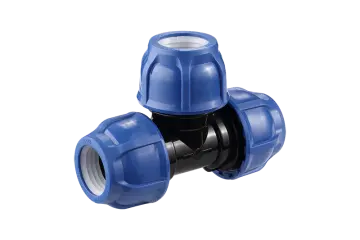
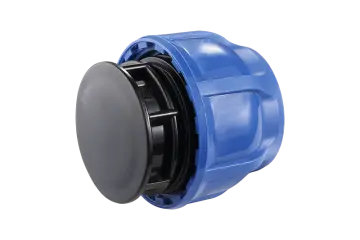
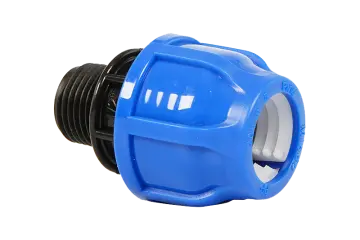
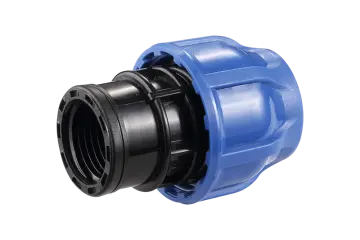
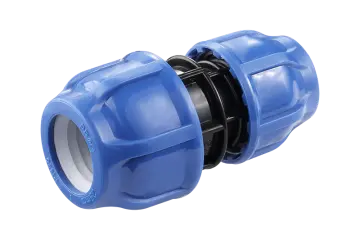
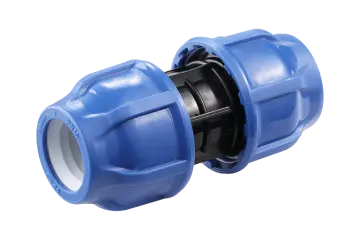
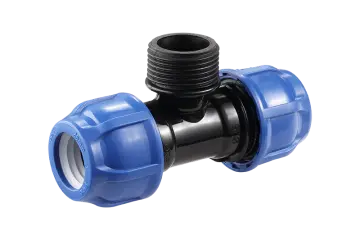
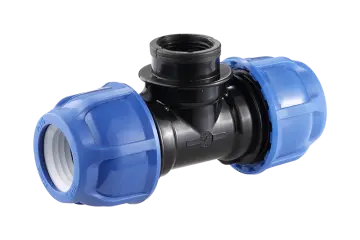
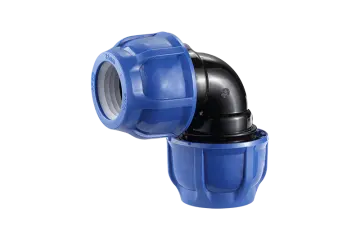
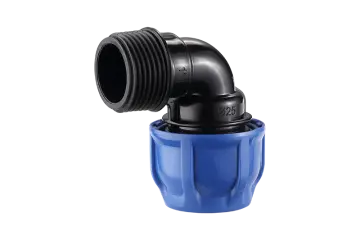
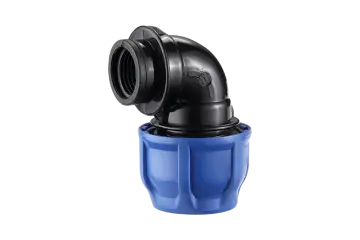
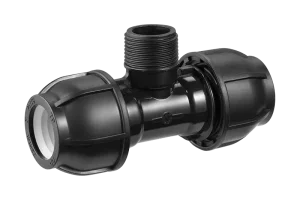
Explore our comprehensive range of high-density compression, PEXa floor heating, and durable PP-R fittings manufactured to exceed standard international ratings.
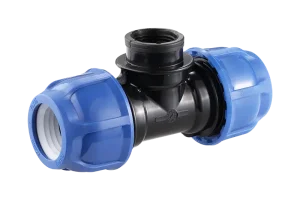
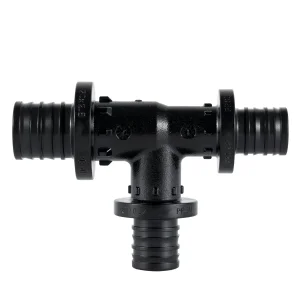
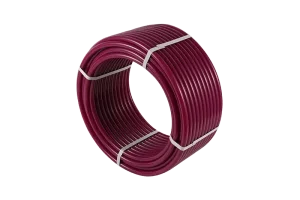
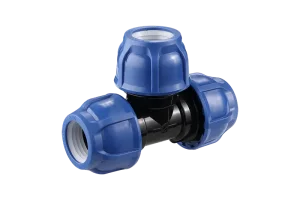
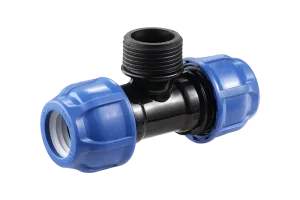
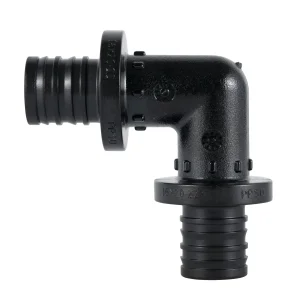
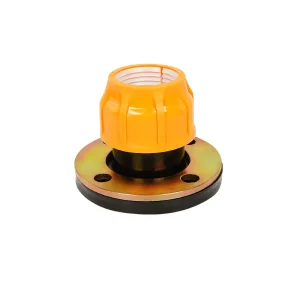
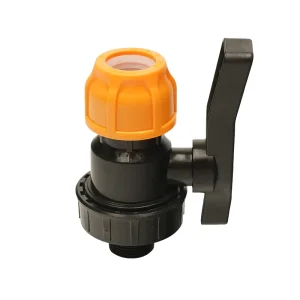
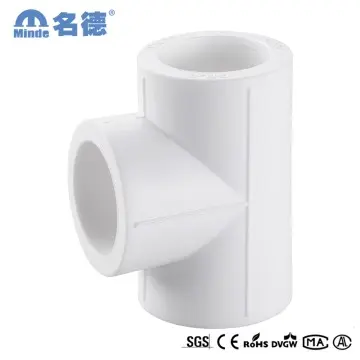
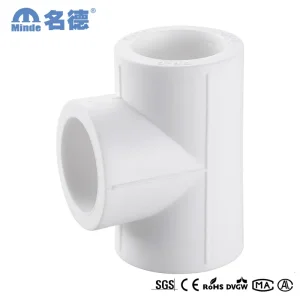
In modern commercial, industrial, and residential pressure piping networks, flow management requires transition points that maintain system integrity. The PPR Coupling Reducer plays an essential role in bridging pipes of varying nominal diameters without causing structural weak points, excessive pressure drop, or fluid turbulence. Polypropylene Random Copolymer (PP-R Type 3) has emerged as the premier material for these critical components due to its specific molecular structure.
Unlike regular homopolymer PP, PP-R is manufactured using a random copolymerization process that incorporates ethylene molecules along the polypropylene chain. This molecular modification yields high impact strength, enhanced flexibility, and superb resistance to thermal degradation. At a molecular scale, the addition of ethylene prevents crystalline structures from developing cleavage planes. As a result, components such as coupling reducers can endure sustained working pressures of up to PN20 or PN25 at elevated temperatures (up to 95°C) over a typical 50-year service life.
Furthermore, the inner surface finish of a PPR coupling reducer has an exceptionally low roughness coefficient (typically 0.007 mm). This hydraulic smoothness minimizes friction losses and prevents mineral scaling or bio-film build-up, preserving water purity in municipal systems and chemical flow integrity in industrial installations.
The global piping and plumbing fittings market is undergoing a structural transition driven by environmental mandates, construction automation, and urban infrastructure developments. High-carbon footprint materials such as copper, cast iron, and even traditional PVC are increasingly being replaced by PP-R and composite polyolefins.
1. Eco-friendly Green Buildings and NSF/ANSI Standard Compliance: Lead-free plumbing codes are strictly enforced globally. PP-R is naturally inert, completely non-toxic, and does not leach heavy metals or harmful chemicals into potable water, making it a critical choice for compliance with NSF61, WRAS, and DVGW standards.
2. Smart City Infrastructure and Low Maintenance Lifespans: Modern municipal water networks cannot afford high breakdown rates. The socket fusion jointing technique of PP-R creates a homogeneous union where the pipe and the reducer coupling melt together to form one continuous body of plastic. This completely eliminates joint leakage—the primary cause of water loss globally.
3. Industrial Application Diversification: Industrial facilities processing aggressive fluids, acids, alkaline waste, and high-temperature cooling fluids are choosing PPR piping structures. The chemical resistance profile of PPR renders it immune to galvanic corrosion, electrochemical degradation, and rust.
Global B2B procurement professionals, EPC contractors, and plumbing distributors require reliable technical verification before onboarding a PPR reducer supplier. When auditing an OEM Coupling Reducer Ppr Manufacturer & Factory, procurement teams evaluate the following critical indices:
| Performance Metric | Standard Reference (ISO 15874 / DIN 8077-8078) | Engineering Requirement | Minde Compliance Standard |
|---|---|---|---|
| Raw Material Purity | ISO 15874 Part 1 | 100% Virgin Food-Grade PPR Copolymer | Imported high-performance virgin raw materials |
| Hydrostatic Pressure Resistance | DIN 8078 (20°C, 1 hour / 95°C, 1000 hours) | No rupture, cracking, or localized ballooning | Fully tested to withstand up to 16/20 Bar limits |
| Dimensional Tolerance | ISO 15874 Part 3 | Socket wall thickness and depth ±0.3mm limits | Ensures flawless hot-melt fusion fitting matching |
| Thermal Expansion Coefficient | ASTM D696 | Typically ~0.15 mm/(m·K) | Fiber-composite layers available for low expansion |
Product Focus: OEM PPR Coupling Reducers & Special Joint Connectors
Design Standards: DIN 8077, DIN 8078, EN ISO 15874, NSF/ANSI 61
Materials: 100% Virgin Polypropylene Random Copolymer (Type 3)
Applications: Potable Hot/Cold Water distribution, Radiant Floor Heating systems, High-pressure Agricultural Irrigation networks, Industrial fluid transfer.
Quality Assurance: Three-point inspection process (Raw material testing, In-line check, Final pressure check).
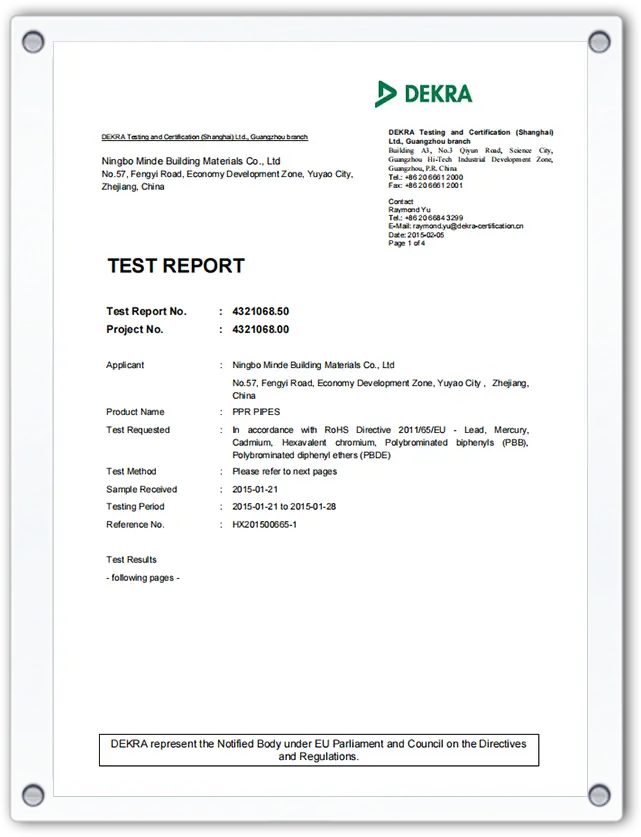
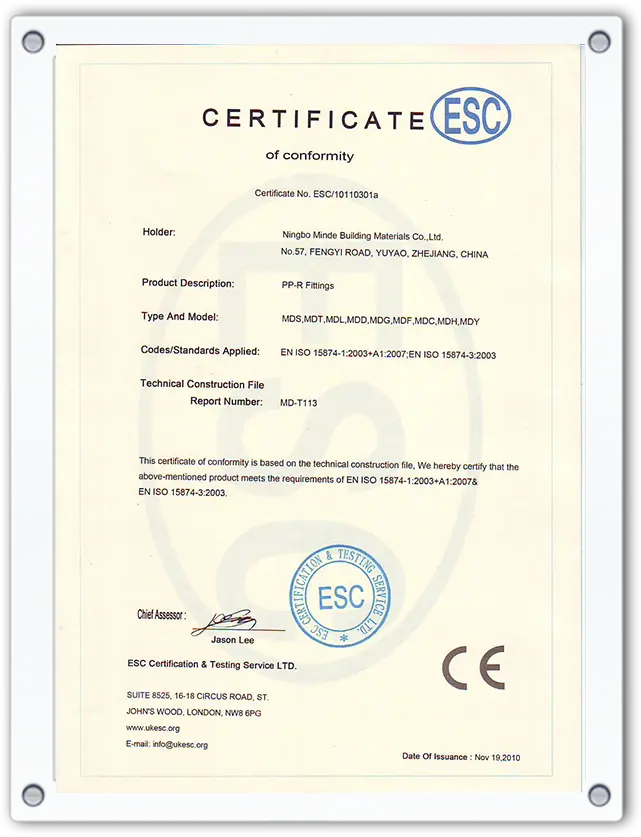
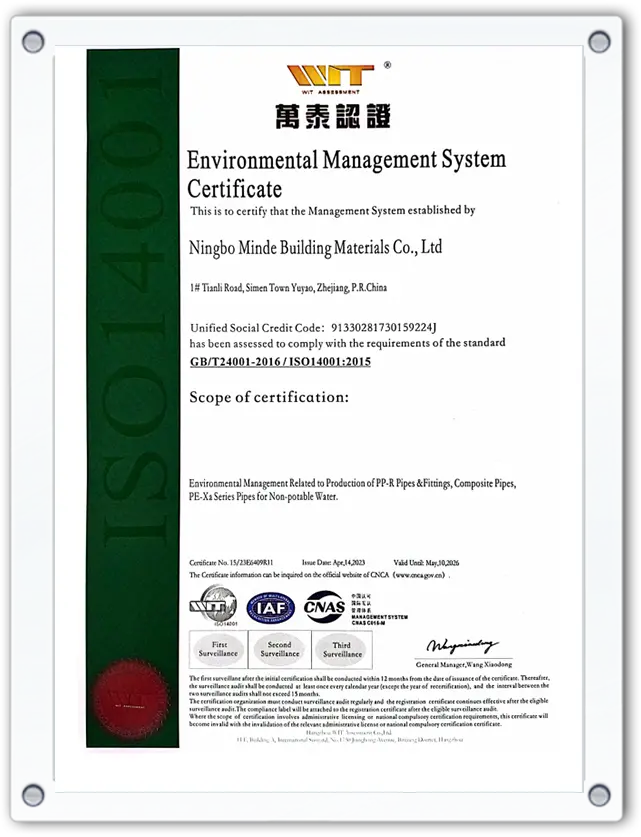
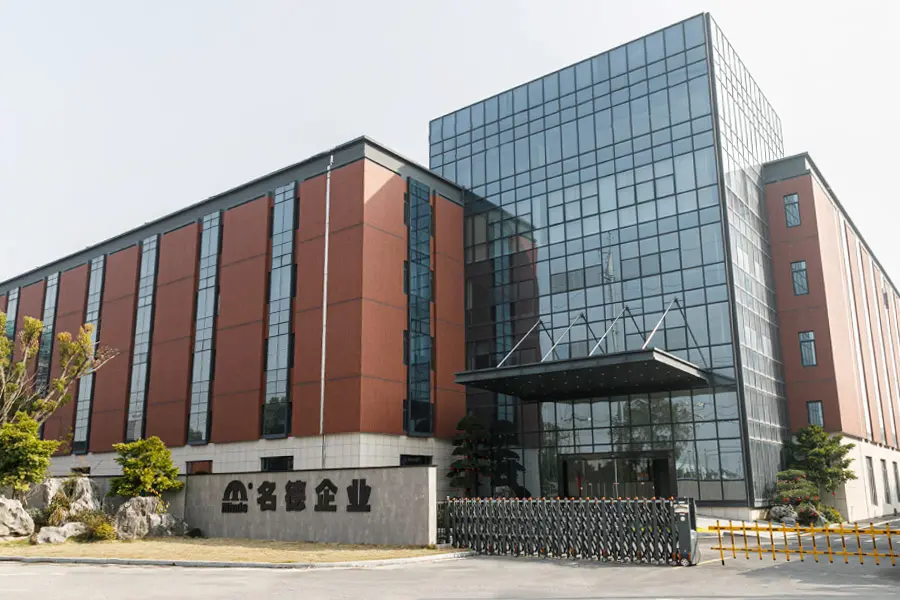
Based in Zhejiang Province, China, we are a professional manufacturing factory focusing on the research, production, and sales of high-grade plastic water pipes and match-molded fittings. With over two decades of deep industry experience, we deliver robust solutions globally.
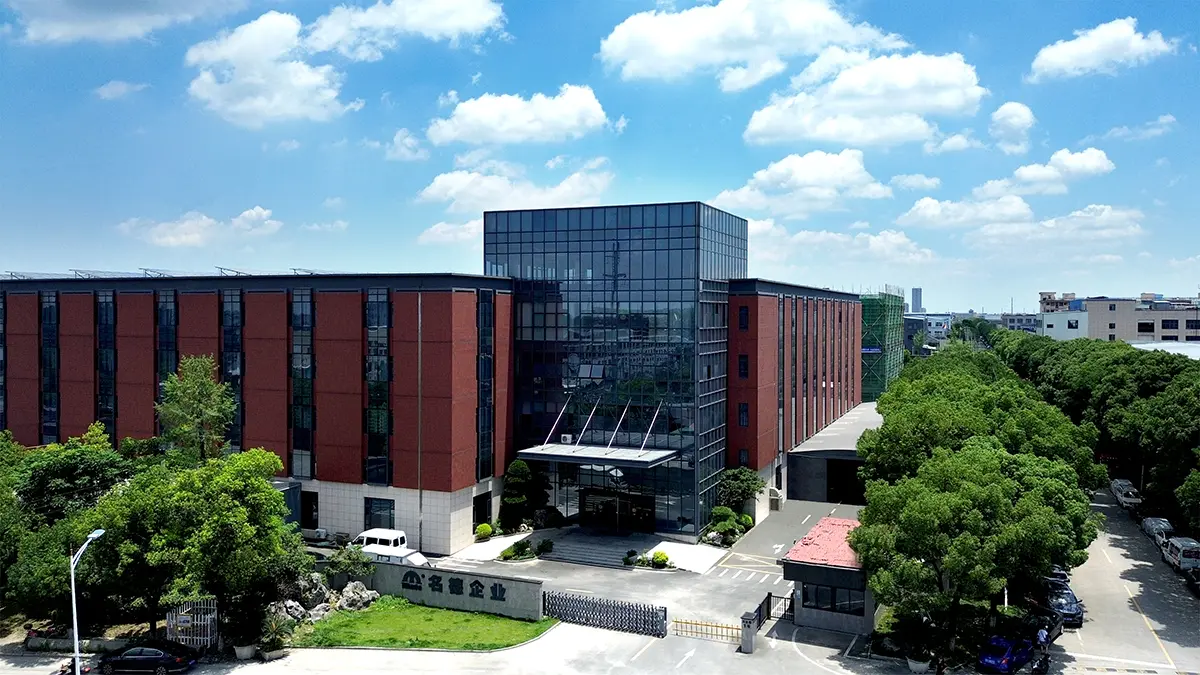
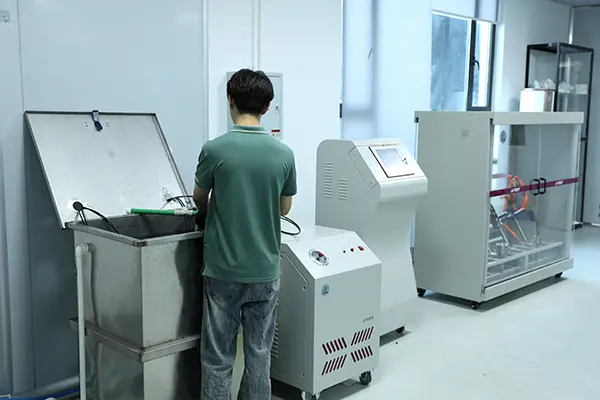
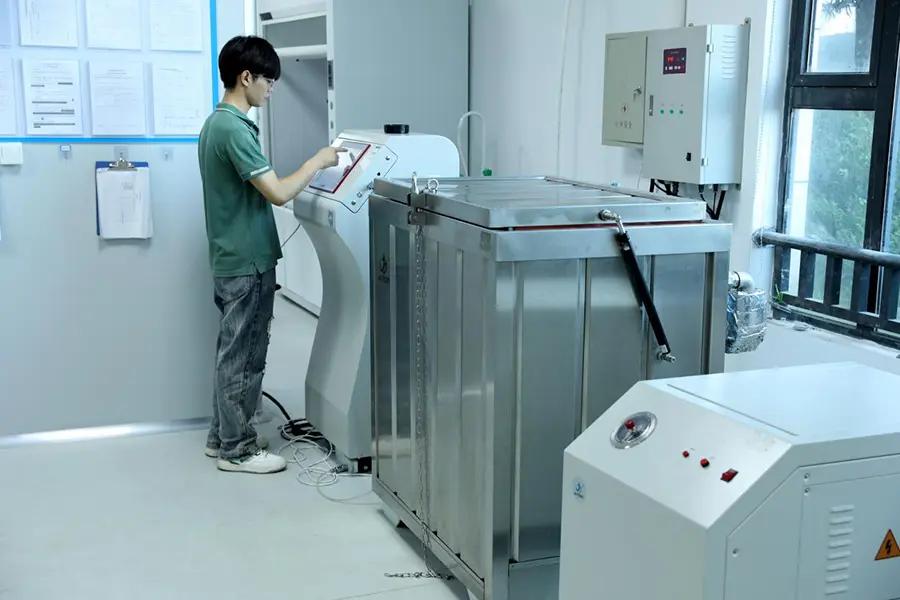
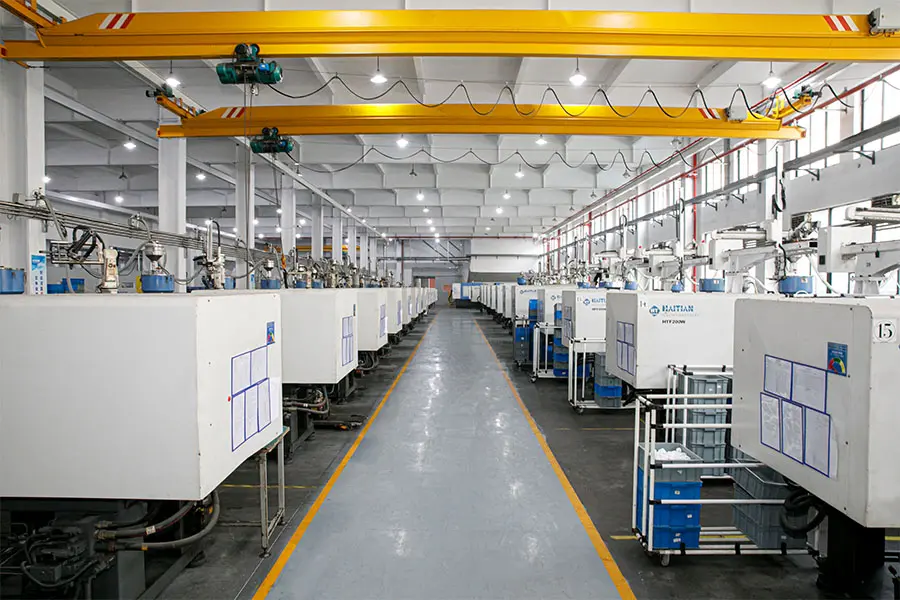
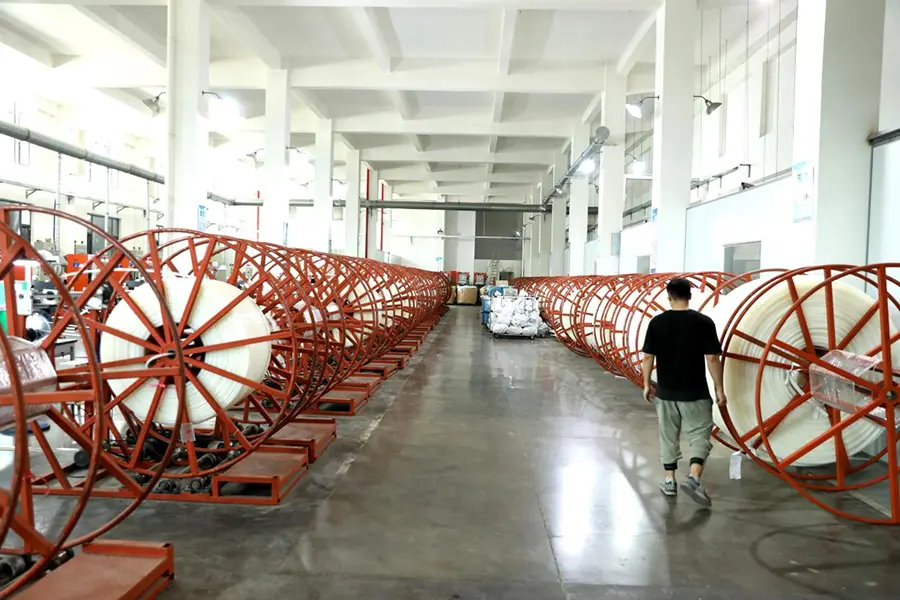
To maintain an zero-defect yield rate, Minde operates three independent inspection stations. Incoming Raw Material Inspection checks the molecular mass distribution of the imported virgin resins. In-Process Testing uses real-time ultrasonic wall thickness sensors on our 45 extrusion and 85 molding lines to monitor concentricity. Finished Product Inspection subjects random samples from every batch to destructive pressure, thermal cycling, and impact resistance tests.
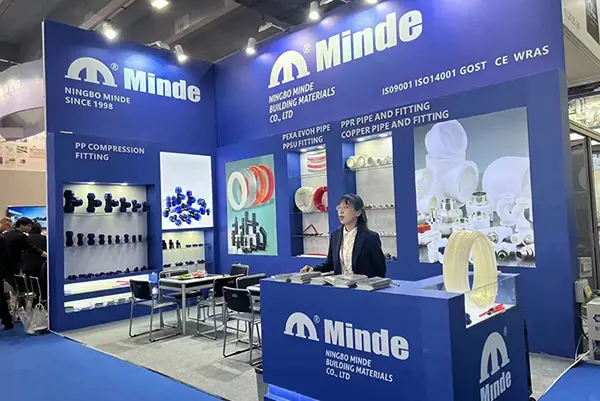
This commitment to systematic quality control has earned our facility prestigious international certifications, including ISO9001:2022, ISO14001, CE, British WRAS, Russian GOST, and others. Our products are exported to over 50 countries, including Russia, Ukraine, Southeast Asia, South America, and the Middle East, satisfying complex municipal compliance requirements.
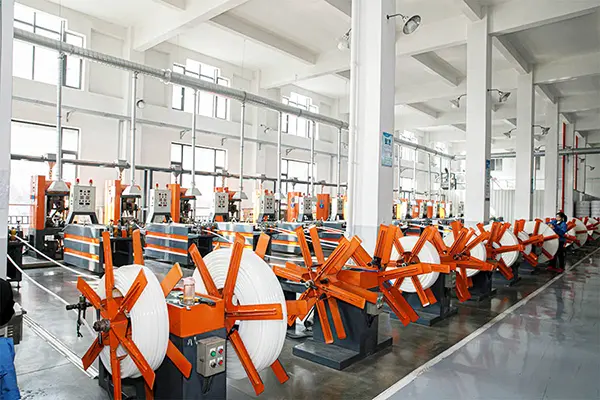
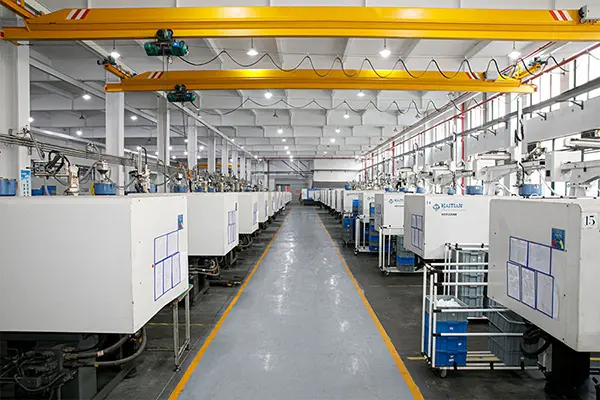
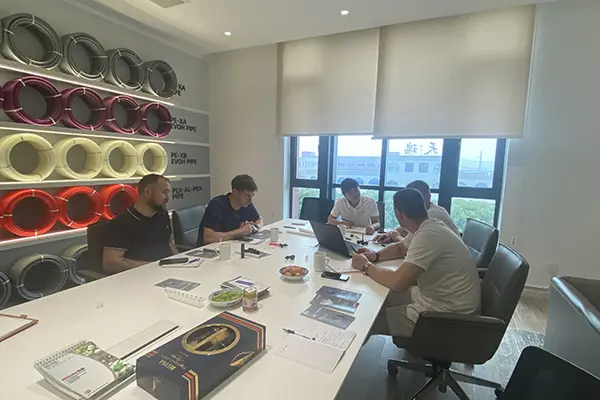
In a volatile macroeconomic landscape, sourcing pipeline fittings requires stability, speed, and cost efficiency. The concept of China Factory 4.0 represents a shift from labor-intensive assembly to integrated, data-driven manufacturing. Minde utilizes this automation framework to benefit global distributors.
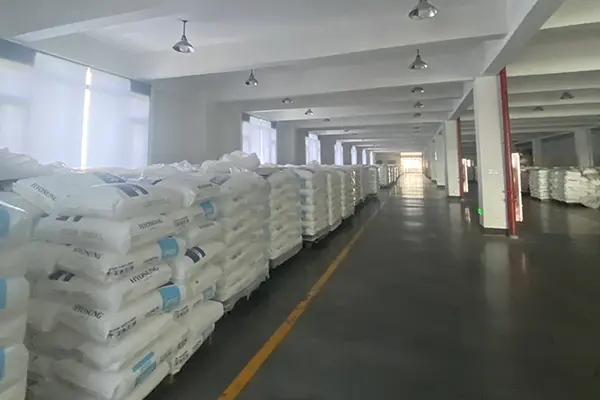
Automated Feeding Systems: Centralized pneumatic feeding ensures raw materials flow smoothly from bulk storage directly to injection molding barrels. This closed-loop transportation system prevents dust contamination, controls moisture levels, and ensures the molecular chain of the PP-R polymer remains intact during heating.
Supply Chain Resilience: Located in Ningbo, Zhejiang Province, our facility benefits from access to the Port of Ningbo-Zhoushan, one of the world's largest shipping hubs. This geographic advantage streamlines the procurement of premium imported resins and enables container packing, customs clearance, and overseas shipping under efficient logistical conditions.
Tooling and OEM Customization: Developing custom mold profiles for specialized PPR reducers is historically costly. Minde maintains a dedicated mold-manufacturing center, reducing tooling development time by up to 40% and lowering prototyping expenses for custom OEM and ODM orders.
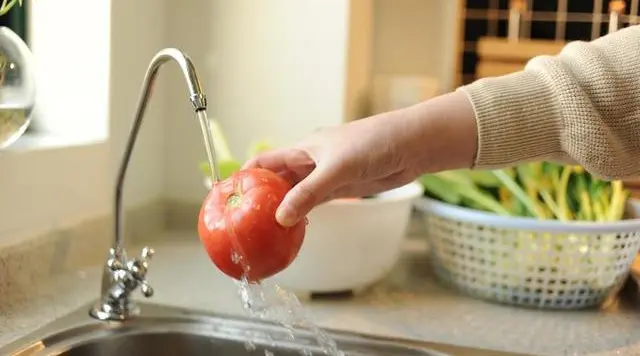
Ensuring completely hygienic, food-grade hot and cold water transport networks that satisfy rigorous building standard codes.
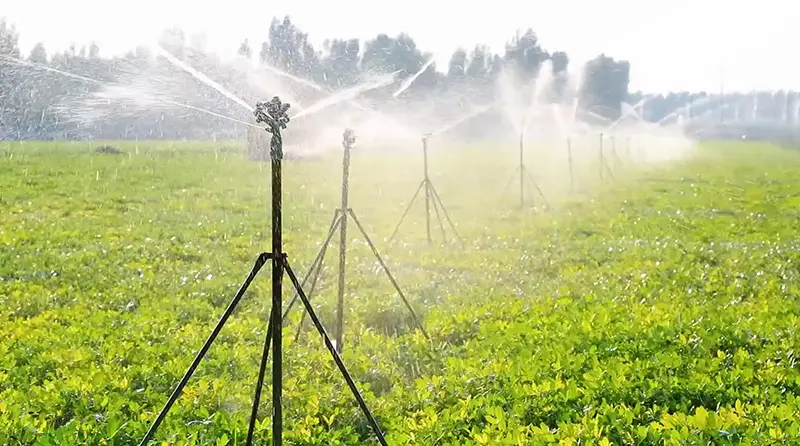
Withstanding high UV exposure, chemical fertilizers, and soil shifting pressures in robust outdoor setups.
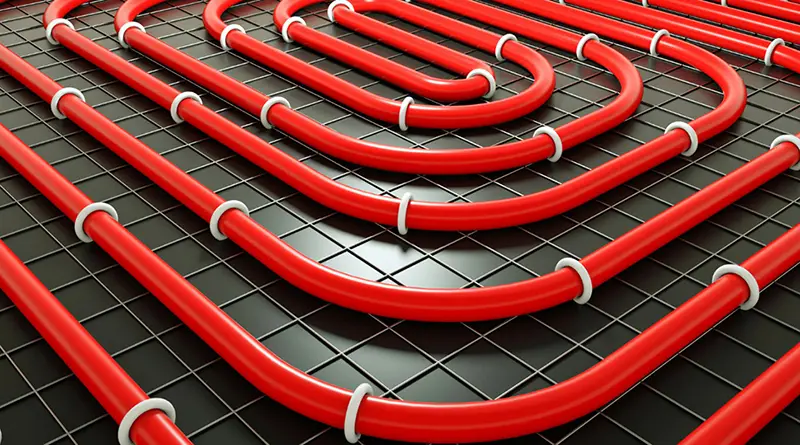
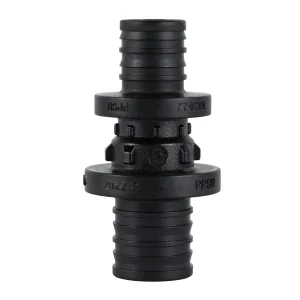
Supporting PEXa and PPR loop designs with leak-proof, high-conductivity couplings optimized for thermal stress.

Find detailed technical answers regarding molecular compositions, pressure ratings, OEM customization services, and socket fusion guidelines.
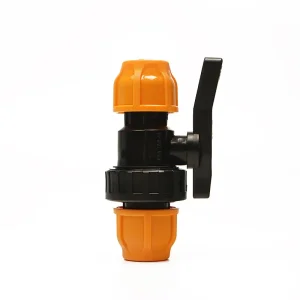
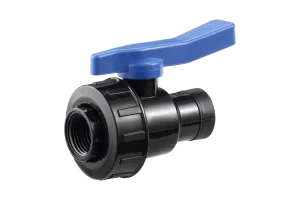
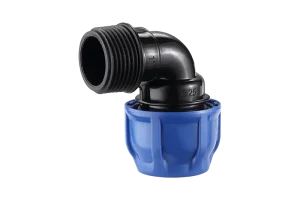
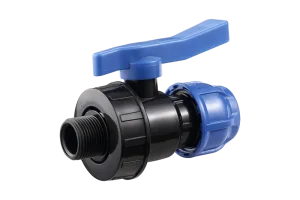
Review our selection of durable ball valves, compression elbows, and high-pressure coupling reducers engineered for clean fluid control.
 Minde
Minde