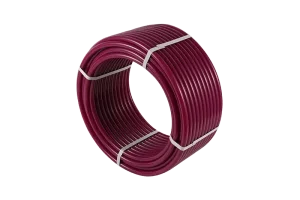
In modern construction engineering, the selection of hydronic distribution piping is critical to architectural longevity and thermal efficiency. PE-Xb (Silane cross-linked polyethylene) represents a technological peak in cross-linked polyethylene development. Using chemical cross-linking agents (silane) grafted onto the polymer structure under strictly controlled heat and moisture chambers, PE-Xb achieves a high-density 3D macromolecular network. This molecular structural change raises structural resilience, thermal memory profile, and resistance to environmental stress cracking (ESCR) to levels unmatched by conventional linear thermoplastic alternatives.
As a leading global wholesale PE-Xb heating pipe manufacturer, Ningbo Minde Building Materials Co., LTD. engineers systems that comply with global mechanical and thermal standards. Our products withstand constant internal pressure loops under temperatures fluctuating up to 95°C. This makes them ideal for modern architectural underfloor layouts, district heat networks, and industrial high-temperature fluid transfers.
Achieving a precise cross-linking degree of ≥65% via the Silane process ensures optimal structural integrity, outstanding anti-creep capabilities, and elevated hydrostatic strength.
Capable of continuous performance at 90°C, with peak emergency tolerance up to 110°C. This guarantees protection against boilers or thermal system pressure spikes.
Highly resistant to acidic and alkaline construction additives, concrete curing accelerators, scale buildup, and structural abrasion over fifty-year operations.
Understanding the differences in cross-linking methods is essential for choosing the right plumbing and heating materials. PEX pipes are categorized based on their production process rather than material grade. Each classification determines the pipe's internal molecular structure, flexibility, and pressure ratings.
| Evaluation Parameter | PE-Xa (Peroxide Method) | PE-Xb (Silane Method) | PE-Xc (Electron Beam Method) |
|---|---|---|---|
| Cross-linking Phase | Pre-extrusion (hot stage) | Post-extrusion (moisture/curing chamber) | Post-extrusion irradiation (physical treatment) |
| Cross-linking Rate | ≥ 70% (High flexibility) | ≥ 65% (Optimal mechanical & burst balance) | ≥ 60% (Slightly rigid, directional cross-links) |
| Tensile Strength (MPa) | Lower relative (approx. 18-22 MPa) | Superior (approx. 24-28 MPa) | Moderate (approx. 20-24 MPa) |
| Thermal Resistance Scale | Good (Continuous 80°C) | Excellent (Continuous 90°C, high stress-crack limit) | Good (Continuous 80°C) |
| Eco & Cost Factor | High manufacturing energy input | Optimized cost performance ratio for wholesale | Very high machinery installation costs |
The PE-Xb mechanism utilizes silane grafting, where chemical silane compounds are injected into polyethylene resin during extrusion. The pipe undergoes a moisture bath or steam chamber treatment to complete cross-linking. This creates strong siloxane (Si-O-Si) bridges between polymer chains. This method yields high tensile strength, exceptional resistance to surface scratches, and stable hydrostatic capabilities. For commercial and domestic radiant heating installations, these characteristics reduce on-site damage from handling and rough concrete floors.
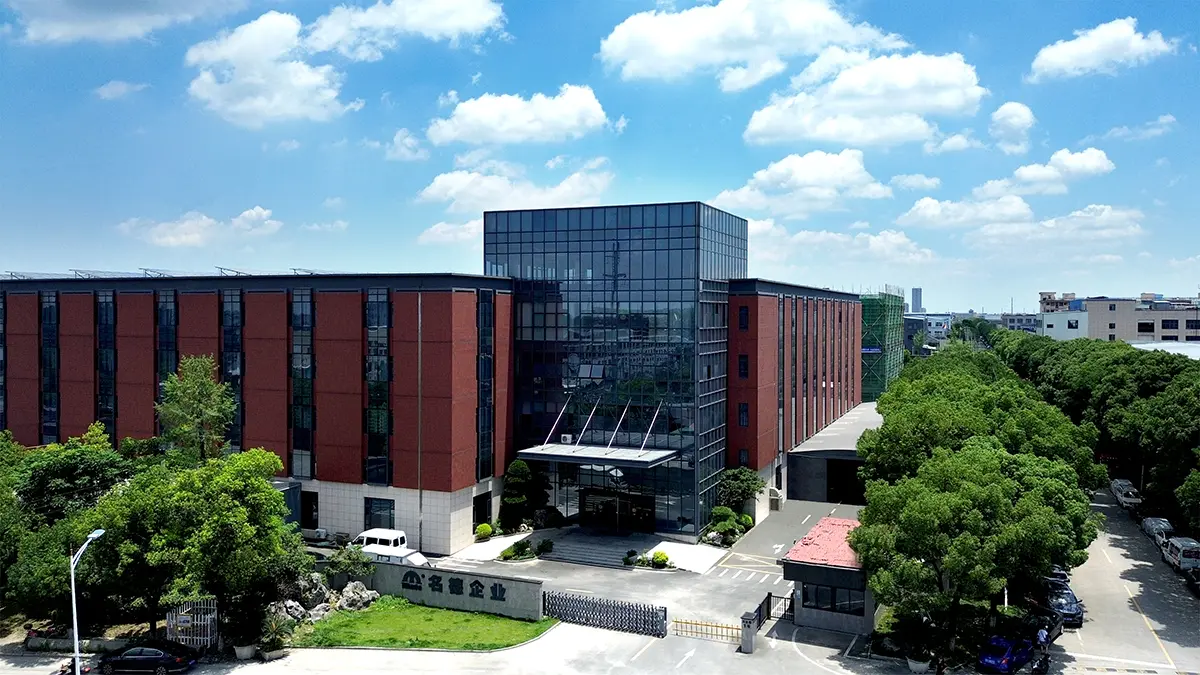
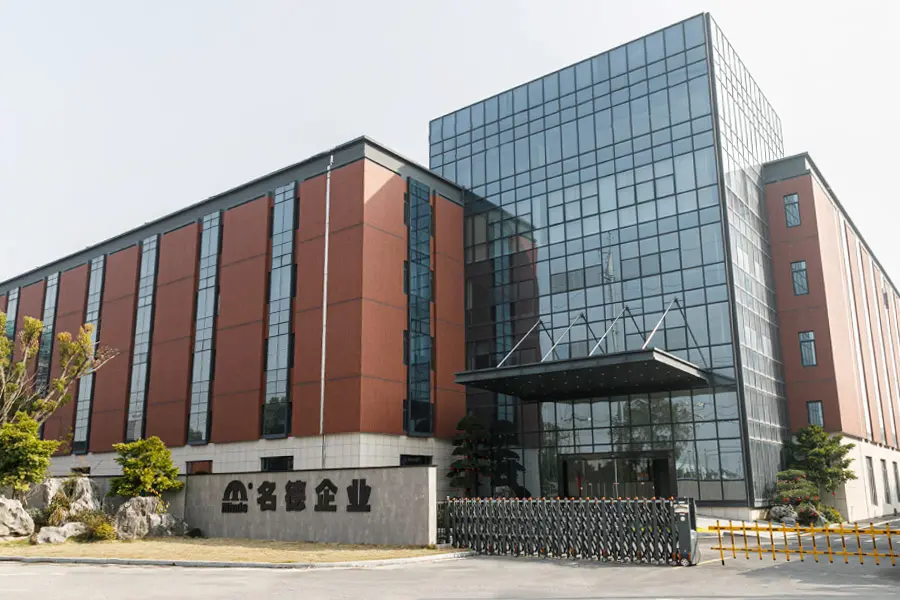
Ningbo Minde Building Materials Co., LTD., based in Zhejiang Province, China, has over 20 years of experience producing polymer pipes and matched connection assemblies. We provide custom solutions for domestic water distribution systems, modern underfloor radiant systems, and agricultural systems.
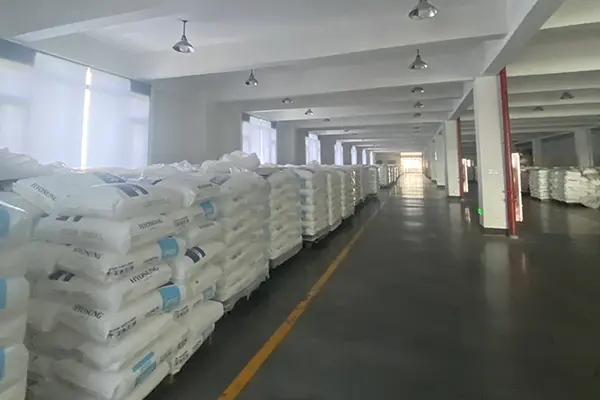
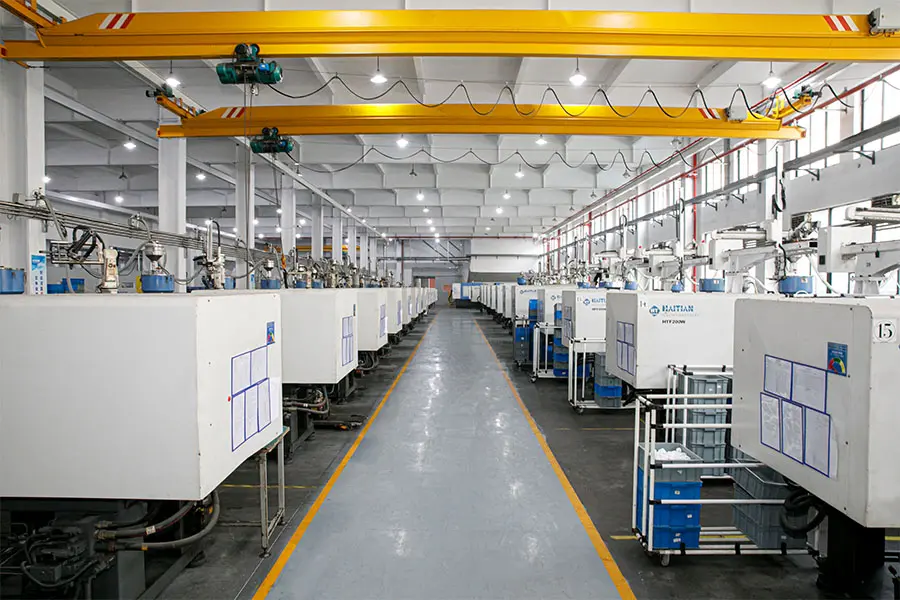
Our 90,000-square-meter facility features automated raw material handling, continuous quality assurance scanners, and 85 advanced injection molding lines. This setup enables precise production of both thin-walled radiant heating pipes and thick-walled high-pressure fittings. We eliminate batch-to-batch inconsistencies by using high-quality imported virgin resins and enforcing a strict triple-inspection protocol.
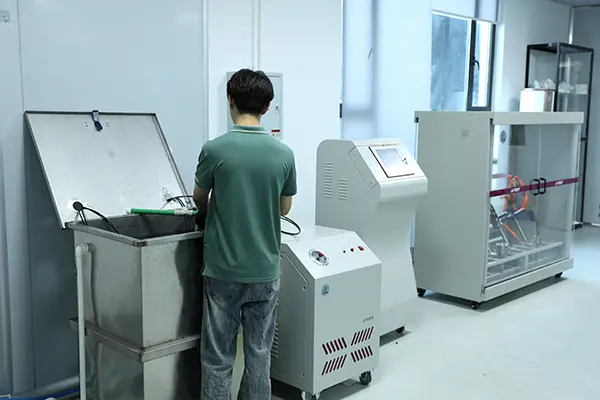
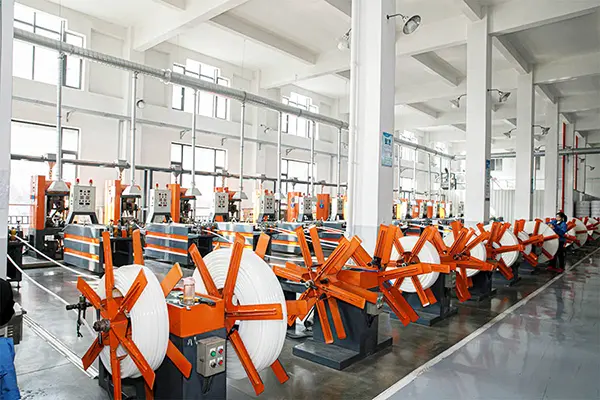
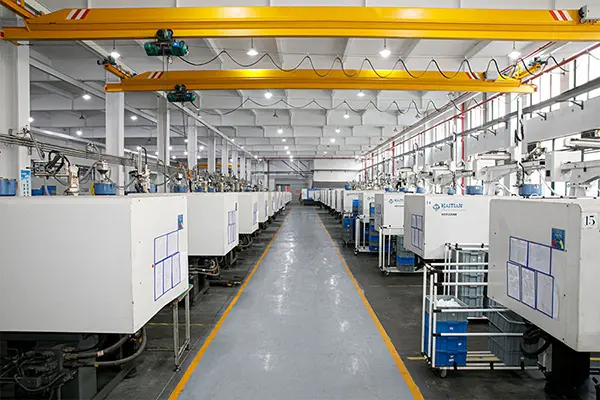
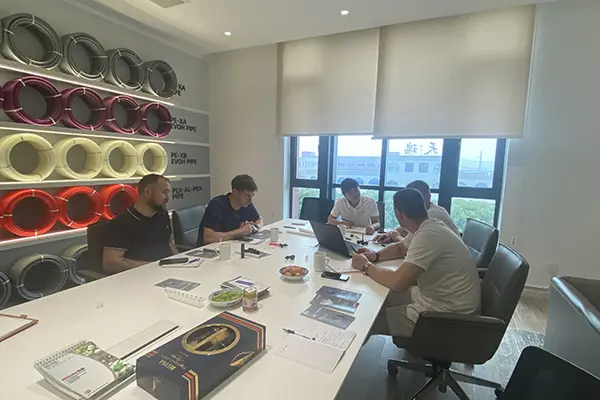
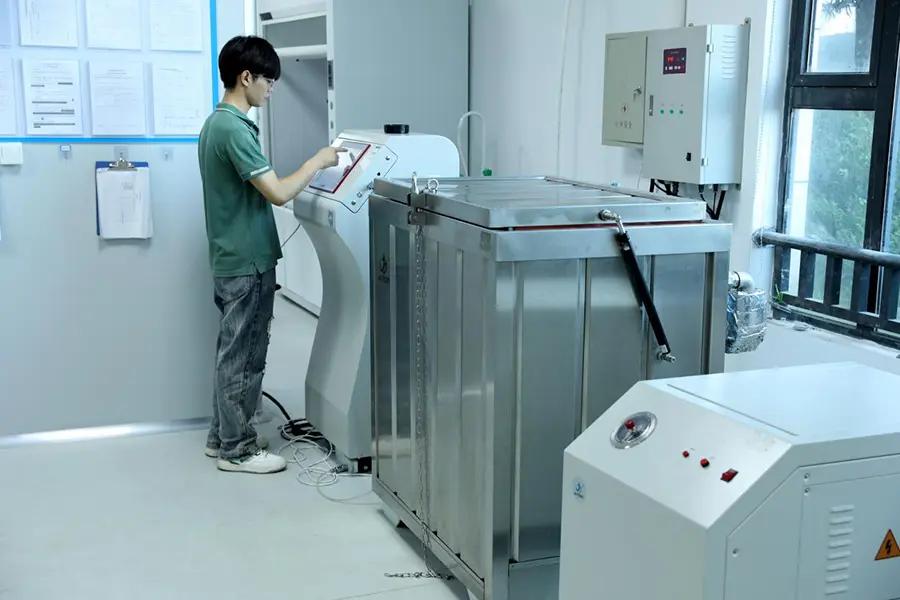
To ensure global reliability, all Minde PE-Xb products undergo strict verification steps before shipment. Our system uses a three-tier quality control methodology: raw material verification via melt-flow index and moisture tests, real-time wall-thickness monitoring during extrusion, and final hydrostatic burst testing in our laboratories.
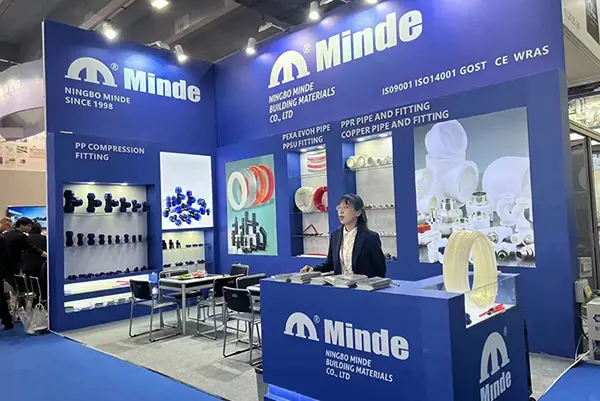
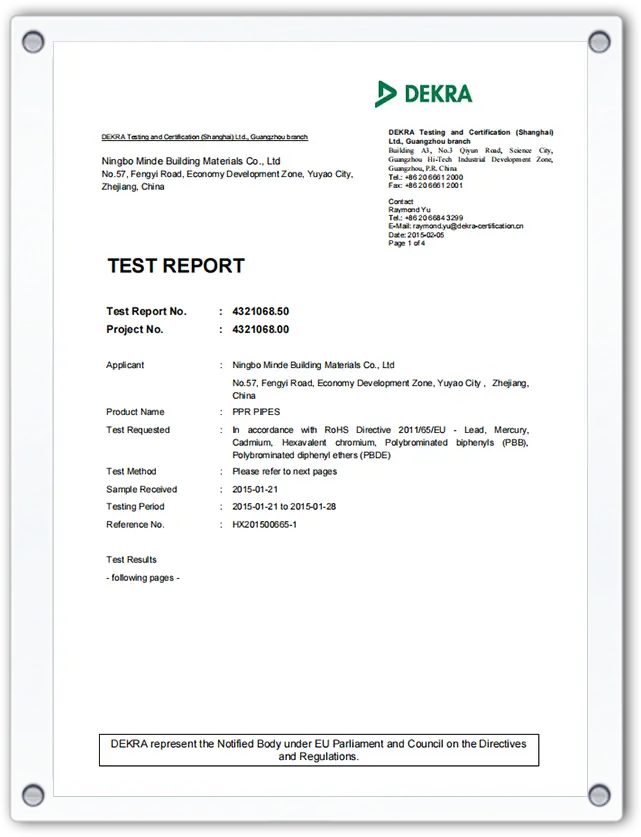
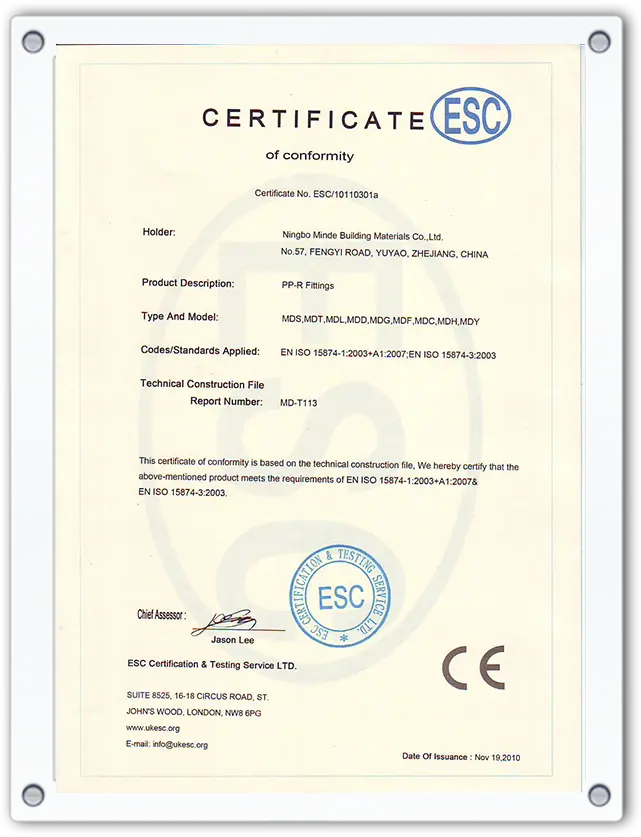
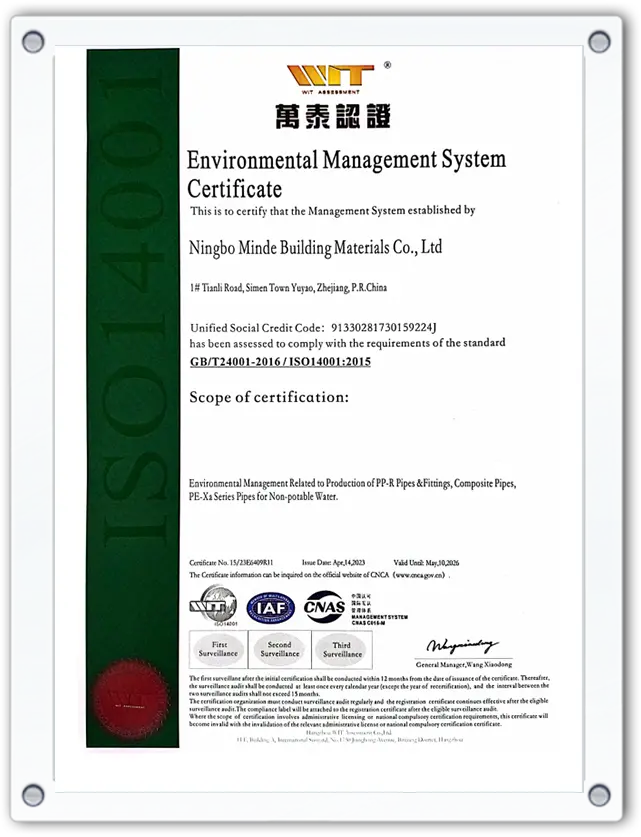
This systematic approach has earned our products certifications from international validation bodies. These qualifications verify compliance for distribution in global markets: ISO9001:2022 for quality management, ISO14001 for environmental standards, CE Certification for European markets, the UK’s WRAS for drinking water safety, and the Russian Federation’s GOST standard.
A major challenge in closed-loop hydronic heating systems is the diffusion of atmospheric oxygen through polymer walls. This ingress oxidizes ferrous components within the system, such as cast-iron pumps, steel radiators, boiler heat exchangers, and metal manifolds. This leads to rust buildup, flow restrictions, and premature system failures.
Minde addresses this issue with co-extruded EVOH (Ethylene Vinyl Alcohol) barrier configurations. In our five-layer construction (PEX-Adhesive-EVOH-Adhesive-PEX), the EVOH layer is protected from physical wear. This layer keeps oxygen transmission rates below 0.32 mg/(m²·day) at 40°C, complying with DIN 4726. This barrier prevents gas infiltration, extends boiler life, and maintains system efficiency over decades of operation.
Features a smooth, low-roughness inner wall that prevents scale buildup and maintains consistent flow rates.
Advanced polymeric bonding layers prevent delamination, even when the pipe is bent at tight angles on-site.
High-barrier polymers block gas molecules, preventing oxygen ingress and protecting metal boiler components.
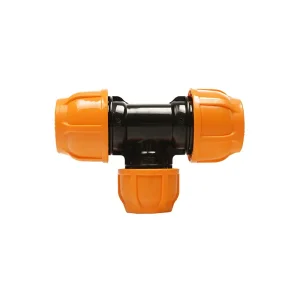
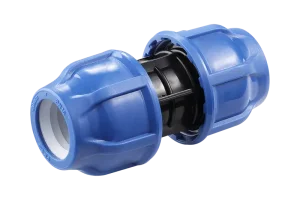
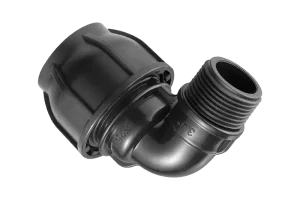
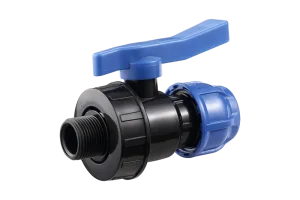
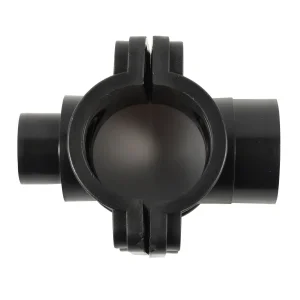
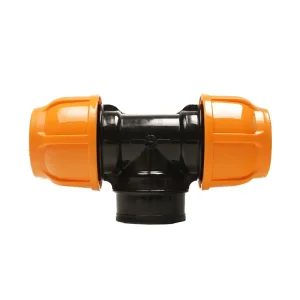
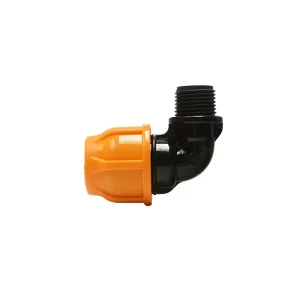
We serve contractors, municipal engineers, and wholesale importers globally. Minde's PE-Xb heating pipes and PP compression fittings are designed for diverse, demanding environments:
Provides reliable underfloor heating layouts for multi-family complexes, custom homes, and high-rise apartments, with a system design life exceeding 50 years.
Maintains consistent temperatures in warehouses, commercial hangars, and logistics hubs, optimizing energy usage through radiant heat distribution.
Circulates glycol solutions through embedded loops to clear snow from airport runways, public plazas, and steep vehicle ramps.
The global piping market is shifting toward materials with lower environmental impact and smart capabilities. Ningbo Minde is adapting by developing bio-based raw materials and smart monitoring systems. Our future product pipeline includes:
Using renewable feedstocks to manufacture PE-Xb pipes. This reduces carbon footprints while maintaining the material's mechanical and chemical properties.
Integrating smart sensors into manifolds and connection fittings to monitor temperature, pressure, and flow rates in real time.
Developing next-generation tool-free connections that reduce installation times by up to 50% without compromising joint security.
 Minde
Minde