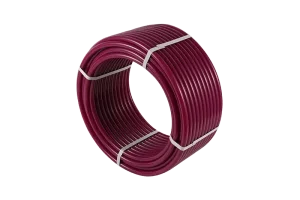
In modern hydronic engineering and commercial building services, the choice of piping material dictates systemic integrity, energy efficiency, and operational lifespan. PE-XB (Silane Crosslinked Polyethylene) represents an advanced polymer material optimized for high-temperature and high-pressure fluid transportation. Through a controlled chemical reaction involving organosilane compounds, the thermoplastic linear molecular chains of polyethylene are permanently interlocked into a three-dimensional thermoset-like grid.
This molecular transfiguration guarantees that PE-XB pipes maintain dimensional stability under prolonged thermal stressors, eliminating the risk of plastic deformation and slow crack propagation (SCG). Unlike PE-RT, which relies on co-monomer branches to retard creep rupture, PE-XB achieves robust thermal and mechanical resistance due to its superior gel fraction density (exceeding 65% in compliance with international standards such as ISO 15875).
Maintains high structural integrity in extreme environments ranging from -40°C up to peak temperatures of 110°C, making it optimal for district heating loops.
Prevents scale accumulation and heavy metal leaching. Unaffected by chlorinated potable water supplies and corrosive agricultural formulations.
Features an internal surface roughness value (ε) of approximately 0.007mm, reducing pressure drop across lengthy piping routes.
The modern built environment faces deep challenges concerning thermal energy conservation and structural longevity. Structural pipelines, once buried behind thick layers of concrete screed or structural columns, must operate without maintenance intervals for up to 50 years. PE-XB piping systems are not just conduits; they serve as critical infrastructure solutions for commercial projects, high-temperature industrial fluid loops, and low-energy HVAC assemblies.
In large commercial complexes, hydronic floor heating and ceiling cooling systems are critical for reducing energy footprints. PE-XB pipes act as the thermal emitters embedded directly inside concrete slabs. The flexibility of the PE-XB polymer allows designers to specify tight bend radii without stress whitening, optimizing spatial thermal distribution. When co-extruded with an EVOH (Ethylene Vinyl Alcohol) oxygen barrier, PE-XB prevents oxygen permeation through the pipe walls, protecting boilers, heat exchangers, and ferrous system components from systemic oxidation.
Geothermal heating utilizes steady underground temperatures to stabilize building HVAC demands. These loops require pipes to withstand consistent external soil pressure, potential ground shifting, and highly mineralized heat-transfer fluids. PE-XB’s resistance to environmental stress cracking (ESCR) and point-load resistance make it the ideal material for horizontal and vertical ground collectors, ensuring maintenance-free operations for decades.
The global procurement landscape for high-performance piping is shifting rapidly toward rigid compliance frameworks and localized regulatory standards. In regions like North America and the European Union, traditional metallic piping has been steadily phased out due to corrosion susceptibility, heavy installation labor costs, and copper price volatility. Consequently, polymers like PE-XB are capturing significant market share in municipal water networks, underfloor hydronic loops, and industrial fluid transmission lines.
From a commercial standpoint, wholesale procurement relies on balancing supply chain predictability with verified compliance documentation. Industrial buyers, engineering-procurement-construction (EPC) contractors, and mechanical engineers prioritize suppliers who hold comprehensive third-party testing credentials. The regulatory environment demands that pipes carry localized markings denoting pressure ratings, manufacturing codes, and raw material purity, ensuring transparency from the chemical compound reactor to the installation trench.
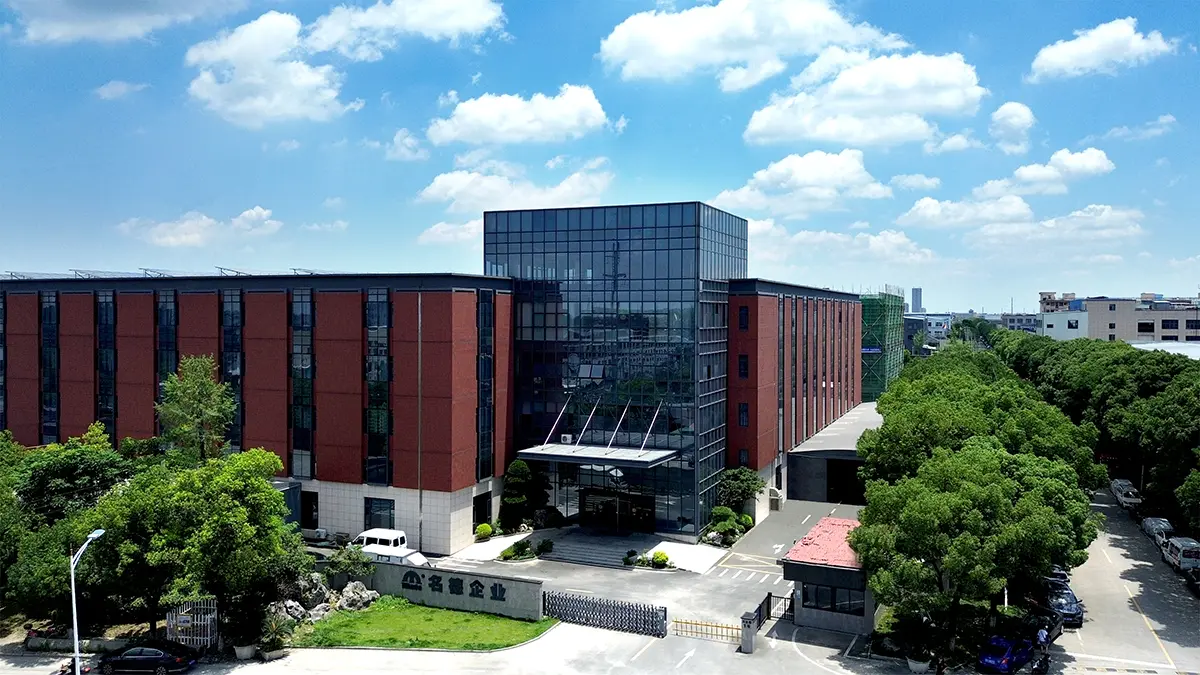
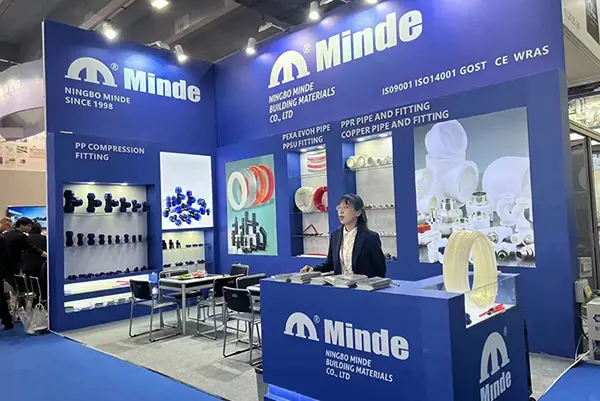
Based in Zhejiang Province, China, Ningbo Minde Building Materials Co., LTD. has established itself as an engineering-driven manufacturer of high-performance thermoplastic pipes and high-integrity fittings. With over 20 years of manufacturing experience, the company serves as a strategic supplier to B2B distributors, municipal contractors, and geothermal HVAC system integrators worldwide.
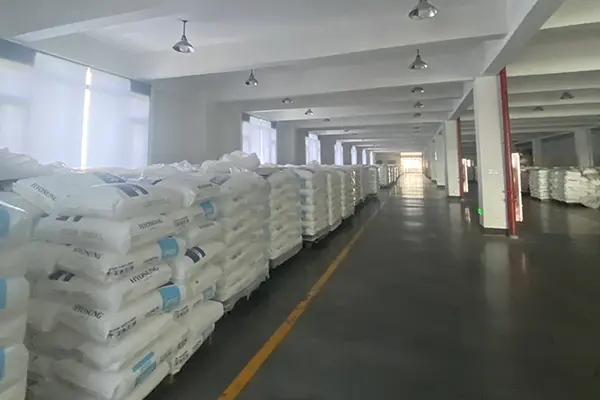
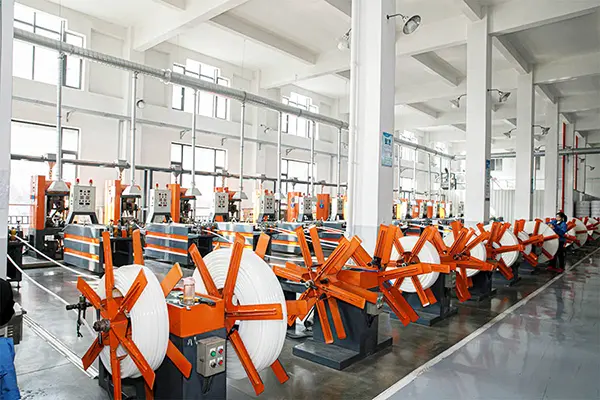
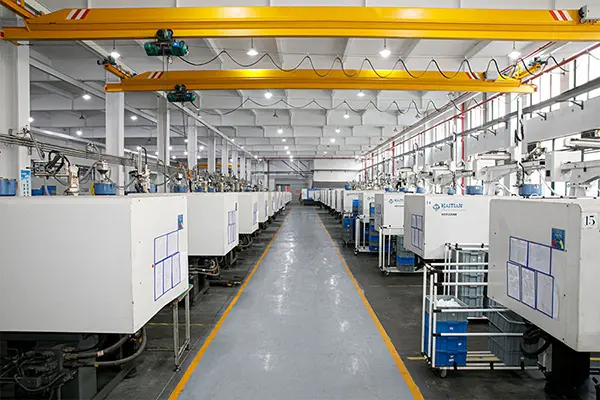
Minde is committed to delivering quality products by utilizing premium imported raw materials. Our manufacturing facility spans over 90,000 square meters and houses 45 automated pipe extrusion lines and 85 high-tonnage precision injection molding machines. A fully integrated automated feeding system manages compound distribution, minimizing structural variances across production batches. Over 200 skilled operators and 3 independent inspection centers supervise materials and finished products, ensuring reliability across all supply lanes.
Environmental parameters differ vastly across geographical markets. Developing piping networks requires matching material behaviors to local environments:
In high-latitude regions, district heating pipes face rapid ground freezing cycles. PE-XB's freeze-thaw elasticity allows the pipe to expand and contract without fracturing, absorbing the stress of freezing water.
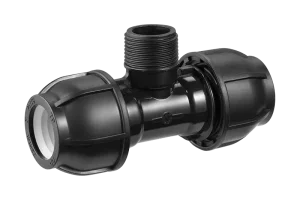
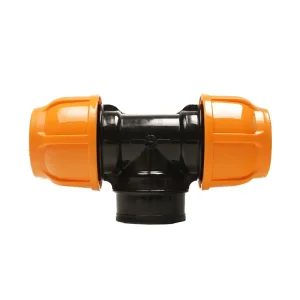
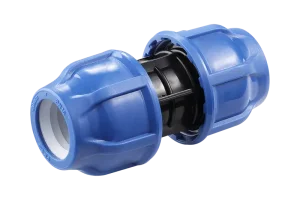
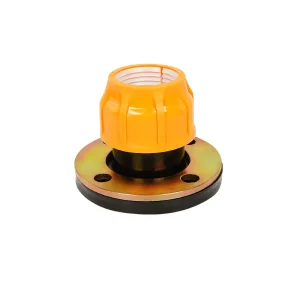
In arid, high-salinity agricultural zones, traditional copper and carbon steel pipes experience localized pitting corrosion. Minde’s PE-XB pipes and chemical-resistant PP compression fittings prevent scaling and corrosion, keeping irrigation water flows stable.
High-rise systems require piping that complies with strict public health standards. Minde's PE-XB pipes meet NSF/ANSI 61 and WRAS drinking water standards, resisting chemical disinfectants like chlorine and chloramines while keeping water pure.
The production of PE-XB pipes requires strict control of chemical reactions. During processing, silane grafts onto the polyethylene chains, forming carbon-silicon-oxygen crosslinks. This crosslinking method improves performance over PE-Xa and PE-Xc by ensuring uniform chemical distribution throughout the pipe wall.
This molecular structure offers several core advantages:
Ningbo Minde meets recognized international standards, including ISO 9001:2022, ISO 14001, CE, British WRAS, Russian GOST, and NSF61. These certifications verify that our pipes are suitable for both drinking water systems and industrial applications.
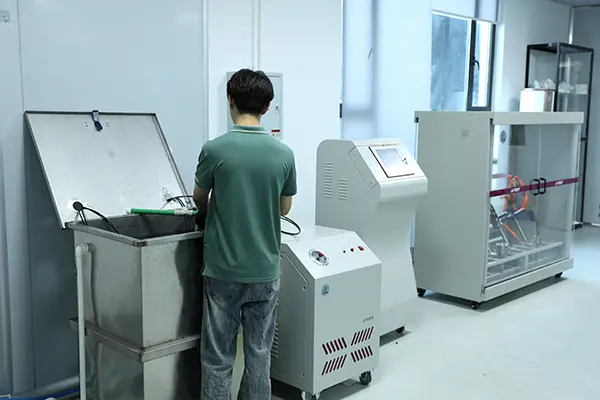
Each production run undergoes rigorous testing. This includes chemical gel content checks to verify crosslinking levels, high-temperature hydrostatic burst tests, and dimensional checks to ensure wall thickness is consistent.
The building services sector continues to demand higher efficiency and sustainability. In response, our research team is developing next-generation polymer solutions:
Smart Piping Systems: We are testing ways to integrate conductive tracer lines and sensor wires into the outer layer of PE-XB pipes. This will allow monitoring systems to detect pressure changes and trace leaks in high-value installations.
Bio-Based Resin Alternatives: To reduce our carbon footprint, we are working to source bio-derived ethylene monomers. This helps create bio-PE-XB pipes that deliver the same durability and safety as traditional polymer versions while supporting decarbonization goals.
 Minde
Minde