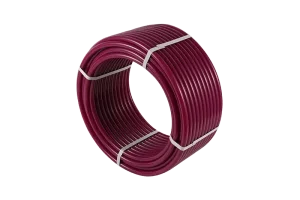
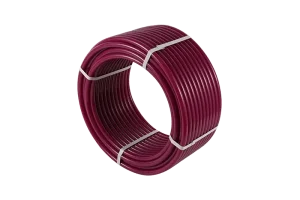
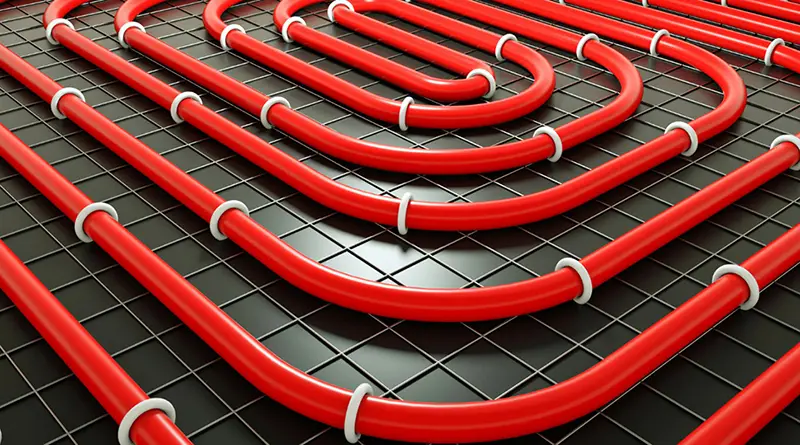
The state of New York, and particularly the New York City metropolitan area, is currently undergoing one of the most significant plumbing and HVAC infrastructure transitions in its modern architectural history. Fueled by stringent local legislative actions, such as Local Law 97 (LL97), which mandates aggressive reductions in carbon emissions for large buildings, mechanical engineers and contractors are shifting rapidly toward high-efficiency hydronic space heating. At the center of this technological paradigm shift is the widespread adoption of cross-linked polyethylene (PEX) piping networks.
Historically dominated by rigid copper and cast-iron piping, New York's retrofitting market presents complex spatial and structural challenges. Retrofitting historical mid-rises in Brooklyn or executing vertical extensions in Manhattan requires flexible, highly durable, and corrosion-resistant conduits. Traditional copper installations are not only labor-intensive, requiring open-flame soldering in narrow building cavities, but are also subject to severe price volatility and theft on job sites. PEX piping systems—specifically PE-Xa (Engel method) and PE-Xb (Silane method)—resolve these issues by offering continuous flexible coils, superior thermal memory, and rapid expansion-fitting mechanisms that reduce labor costs by up to 60%.
Furthermore, New York's harsh winter freeze-thaw cycles place massive physical stress on plumbing lines. Rigid metallic pipes often burst when trapped water freezes. PEX pipes, due to their structural elasticity, can expand up to 15% of their original diameter and contract back to their initial form without compromising structural integrity. This resilience is critical for the coastal and northern microclimates of New York, where winter temperatures routinely drop below freezing.
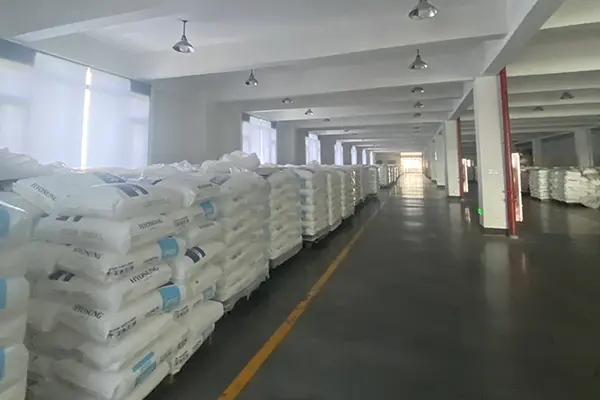
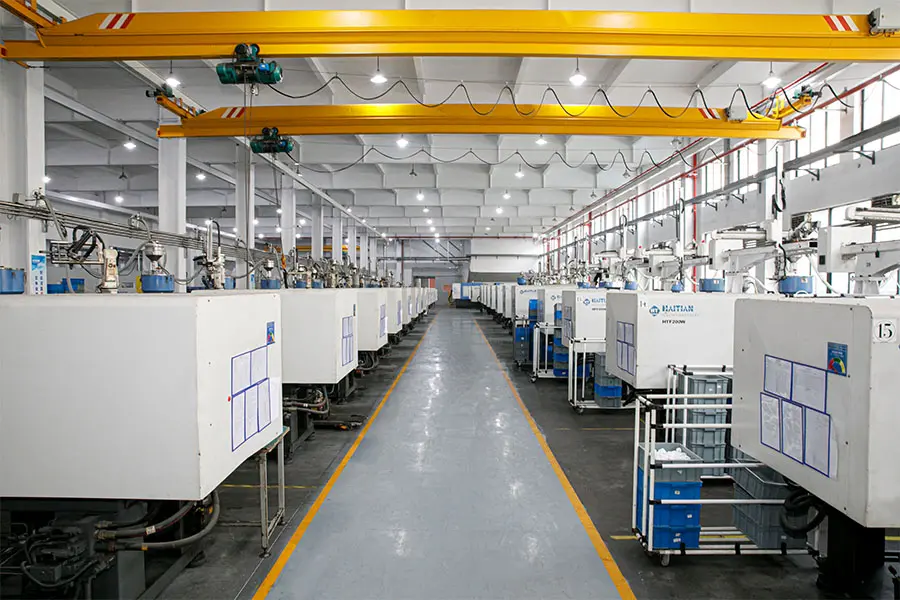
On a global scale, the industrial production of PEX raw materials (specifically high-density polyethylene polymer resins) is concentrated among major petrochemical chemical giants such as Dow Chemical, Solvay, and LyondellBasell. The processing and extrusion of these raw polymers into calibrated, certified piping systems, however, requires specialized engineering plants that utilize advanced extrusion lines with precise thermal control profiles.
By sourcing directly from advanced manufacturing hubs like Ningbo, China, commercial developers and municipal mechanical contractors in New York can achieve profound structural cost savings. Sourcing economics reveal that raw material integration, high-throughput automated extrusion lines, and lower regional overheads allow plants in Zhejiang to manufacture PEX systems that meet or exceed American ASTM standards at a fraction of domestic distributor costs. As logistics between East Asian shipping terminals and the Port of New York & New Jersey continue to streamline, direct factory procurement has become the preferred avenue for large-scale municipal bids, real estate portfolios, and agricultural distribution networks.
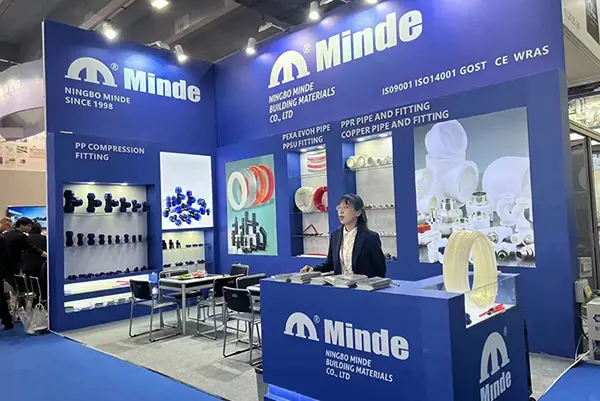
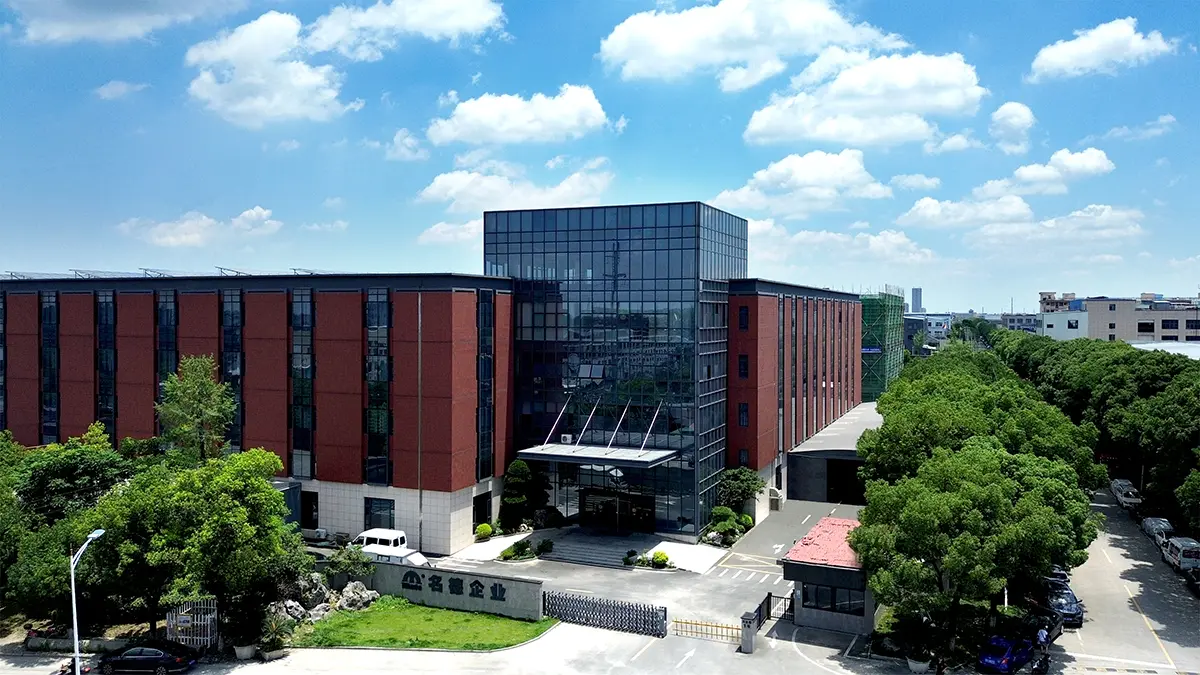
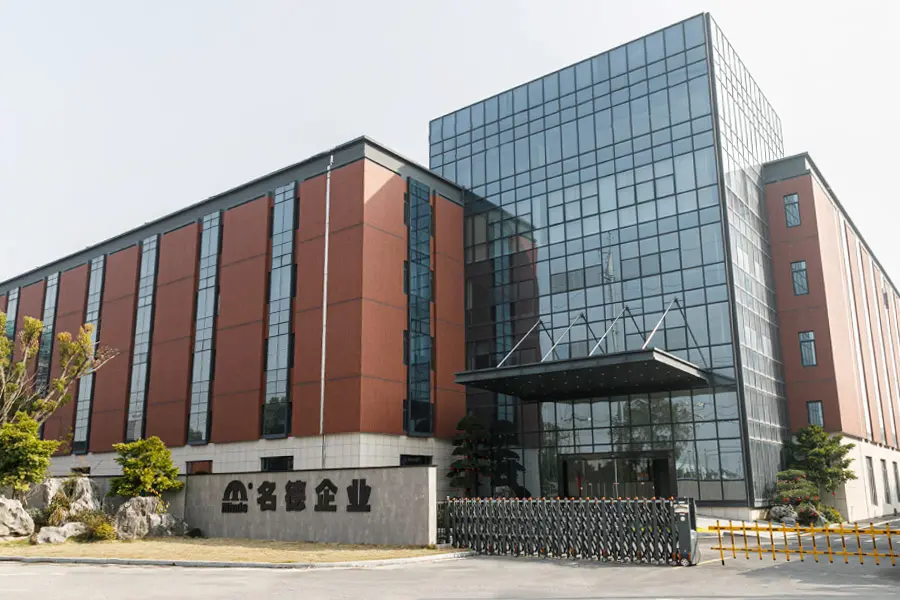
Ningbo Minde Building Materials Co., LTD., based in Zhejiang Province, China, is a vertically integrated manufacturer specializing in high-performance polymer piping systems and mechanical connection fittings. With over 20 years of technical operational experience, Minde provides premium plumbing components globally, serving critical markets including North America, Europe, South America, and the Middle East.
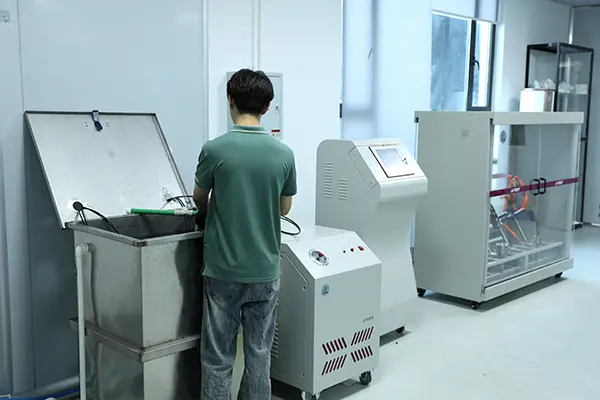
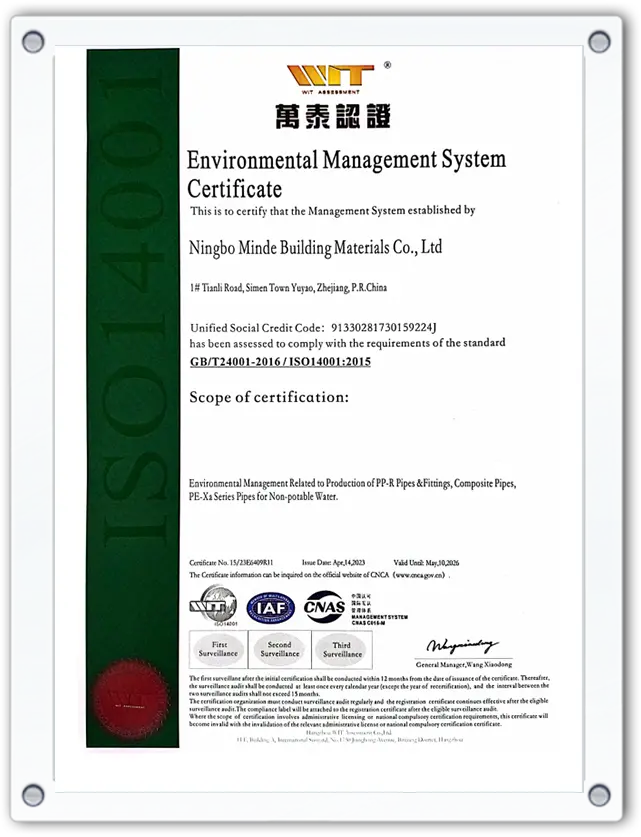
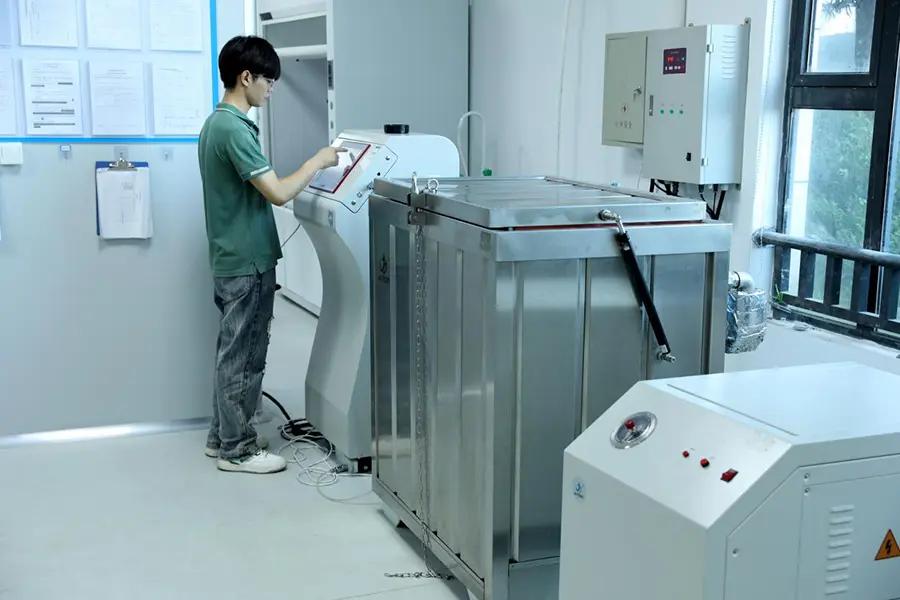
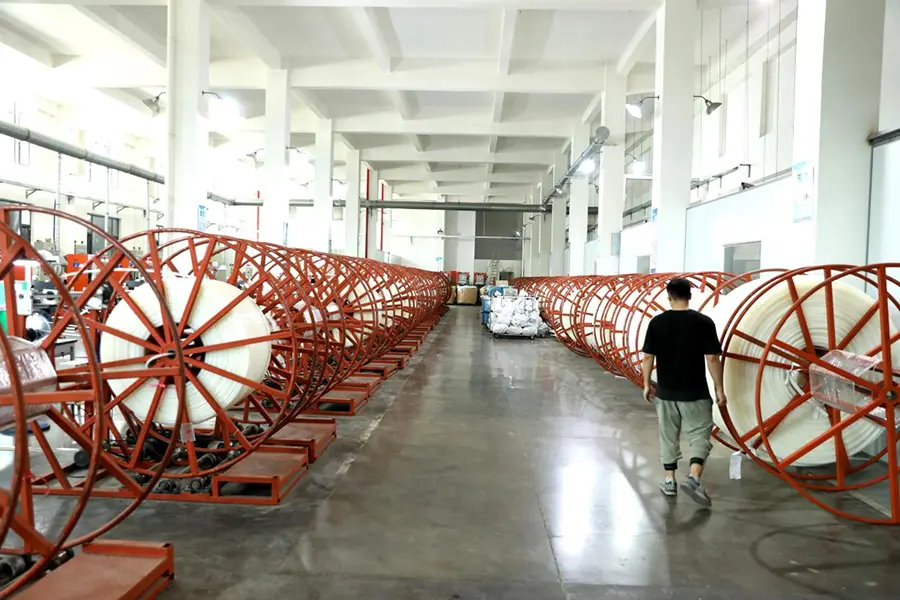
To meet the strict sanitary and physical tolerances required by international standards, Minde manufactures all products using premium, certified virgin raw materials. The factory is equipped with high-precision testing apparatuses that execute real-time QA checks across three critical checkpoints: raw material density testing, continuous inline ultrasonic wall-thickness monitoring during extrusion, and final hydrostatic burst-pressure analysis. This rigorous quality control system is backed by certifications including ISO9001:2022, ISO14001, CE, UK WRAS (Water Regulations Approval Scheme), and the Russian GOST standard.
Understanding the mechanical and chemical differences between PEX varieties is critical for selecting the appropriate product for New York's varied climates and municipal requirements. Below, we compare the primary technological pathways: PE-Xa, PE-Xb, and PEX-AL-PEX composite piping systems.
| Property | PE-Xa (Engel Method) | PE-Xb (Silane Method) | PEX-AL-PEX (Multilayer) |
|---|---|---|---|
| Cross-linking Method | Peroxide reaction done during extrusion hot state. | Moisture-cure silane reaction done post-extrusion. | Overlay-welded aluminum core between PEX layers. |
| Cross-linking Density | > 70% to 85% (highest flexibility) | > 65% (higher rigidity) | Mechanically constrained by aluminum core. |
| Thermal Memory | Excellent. Kinks can be repaired with heat gun. | Moderate. Kinks require manual coupling splice. | Maintains formed shape manually (no spring-back). |
| Oxygen Barrier (EVOH) | Co-extruded outer layer preventing oxygen entry. | Optional co-extrusion for closed-loop hydronics. | 100% absolute barrier via solid aluminum core. |
| Best Applications | Hydronic floor loops, potable water runs. | Underfloor heating, high-pressure distribution. | High-rise HVAC headers, exposed mechanical rooms. |
In New York's architectural landscape, plumbing design is not a one-size-fits-all discipline. The localized conditions dictate the choice of materials, fitting interfaces, and pressure classifications:


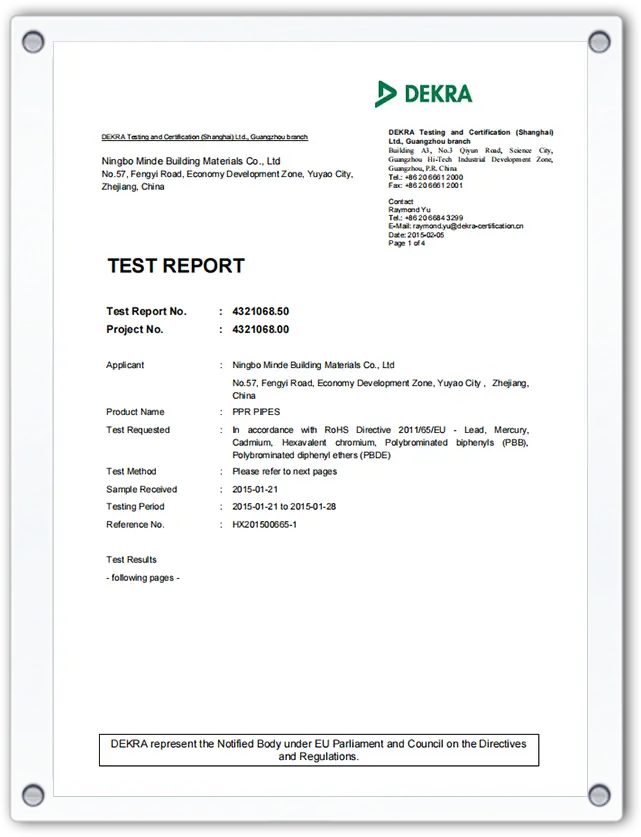
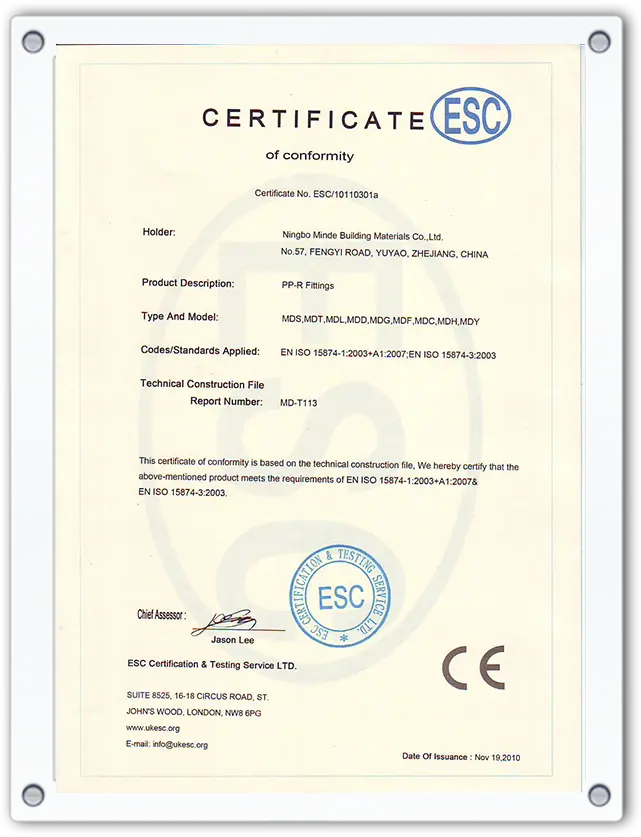
Ensuring compliance with local plumbing authorities in the United States and global markets requires standardized credentials. Minde is fully verified under multiple regulatory structures, including ISO quality, environmental sustainability, and regional mechanical product certifications.
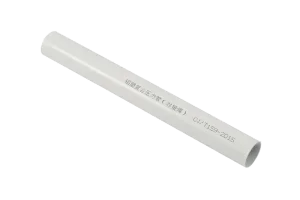
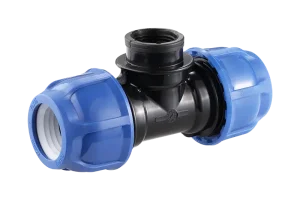
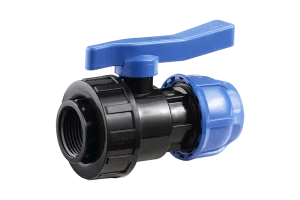
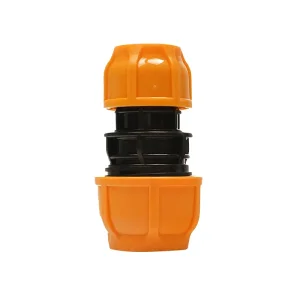
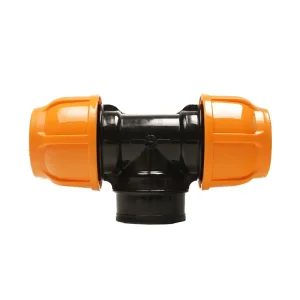
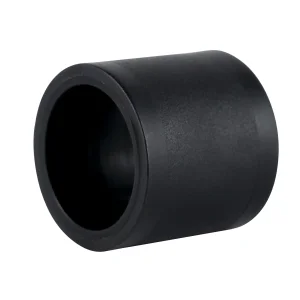
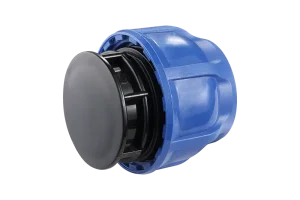
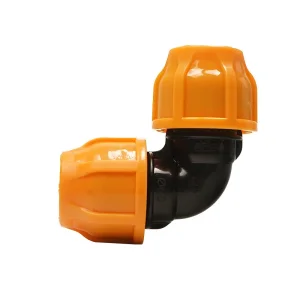
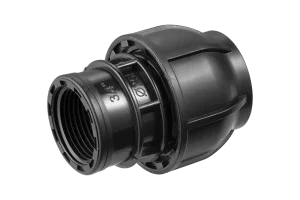
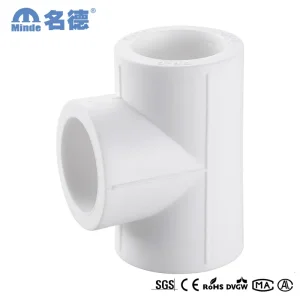
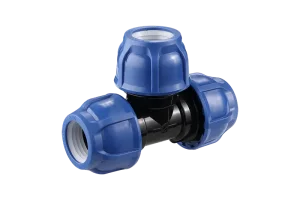
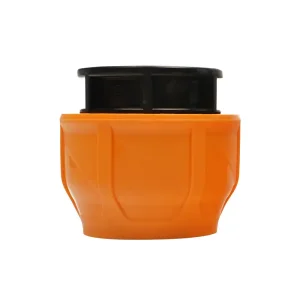
In addition to our core PE-Xa and PE-Xb ranges, Minde supplies high-density PPR (Polypropylene Random Copolymer) piping systems and matching compression components. Below are options for heavy-duty commercial utilities, cold-water mains, and agricultural irrigation networks.
For engineering specifications, mechanical system designs must conform to global regulatory standards. Our PEX lines are produced in strict compliance with ASTM F876 (standard specification for Cross-linked Polyethylene tubing) and ASTM F877 (specifications for PEX plastic hot- and cold-water distribution systems). This ensures that pressure ratings are maintained across operational temperature scales.
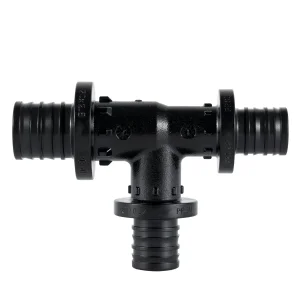
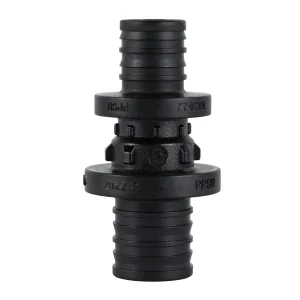
In municipal plumbing applications, potable water safety is critical. Minde’s PPSU and PEX product ranges are tested to eliminate toxic leaching or heavy metal contamination, ensuring compliance with NSF/ANSI 61. By using lead-free PPSU polymer expansion fittings, projects can achieve chemical safety and corrosion resistance, avoiding the dezincification issues associated with brass fittings in acidic or highly chlorinated city water supplies.
Our dedicated R&D lab executing mechanical, chemical, and pressure testing cycles on every batch.
Minde exports to over 50 countries, including Russia, Ukraine, Southeast Asia, South America, and the Middle East. Our logistics support, combined with production lines situated near major ports like Ningbo, enables efficient delivery to global distribution hubs and project locations.

Contact Ningbo Minde today for technical product data sheets, bulk pricing structures, and factory-direct options tailored to the New York market.
Send Inquiry Now Minde
Minde