Engineered to comply with local metropolitan requirements and international standards, our high-density cross-linked polyethylene solutions offer superior durability, thermal stability, and flexible installation parameters.
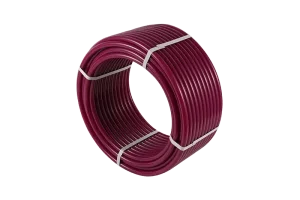
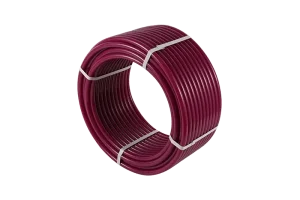
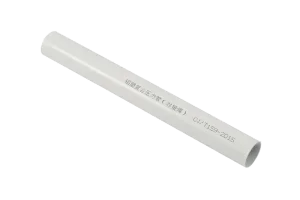
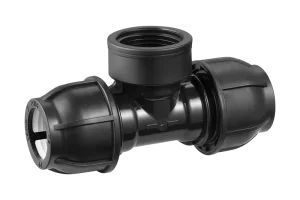
Tokyo is globally recognized as one of the densest and most seismically active urban areas in the world. As a result, local plumbing and heating infrastructures demand engineering materials that are not only highly durable but also possess the physical flexibility to survive intense seismic activity without structural failure. Traditional rigid pipe systems like copper and steel are prone to shear stress, joint dislocation, and micro-fractures during tectonic shifting. Cross-linked polyethylene (PEX) pipes have emerged as the structural baseline for modern Tokyo buildings, offering unparalleled elasticity and a memory-retention effect that allows the piping to deform and return to shape under load.
Furthermore, Tokyo’s strict building codes require piping with low chemical elution, zero toxic leaching, and long-term resistance to high chlorine levels typically found in municipal water treatment facilities. The integration of PE-Xa and PE-Xb pipes prevents heavy metal contamination and restricts bacterial bio-film accumulation, ensuring clean potable water networks throughout suburban developments and high-rise commercial structures alike.
Comparing Tokyo's high-tech environmental criteria with global construction standards reveals an accelerating transition from metallic systems to multi-layer polymer designs.
Driven by energy-saving directives (like EU's EPBD and US Net-Zero goals), green infrastructure is prioritizing sustainable heating systems. Multilayer PEX-AL-PEX and EVOH oxygen barrier pipes are standardizing worldwide due to high heat preservation, lightweight handling, and ease of transit, reducing installation times by up to 60% compared to welding copper lines.
Tokyo requires all building elements to align with CASBEE (Comprehensive Assessment System for Built Environment Efficiency). Underfloor heating structures must maintain thermal efficiency above 90% for a minimum design life of 50 years. Ningbo Minde’s PE-Xa and PE-Xb solutions fulfill these exact criteria through superior cross-linking density.
Innovations in the Tokyo Bay Area, including automated green buildings, necessitate underfloor hydronic piping grids capable of integrating with smart heat pumps. Minde's oxygen-barrier coatings prevent boiler corrosion, creating a maintenance-free closed-loop system vital for long-term building operations.
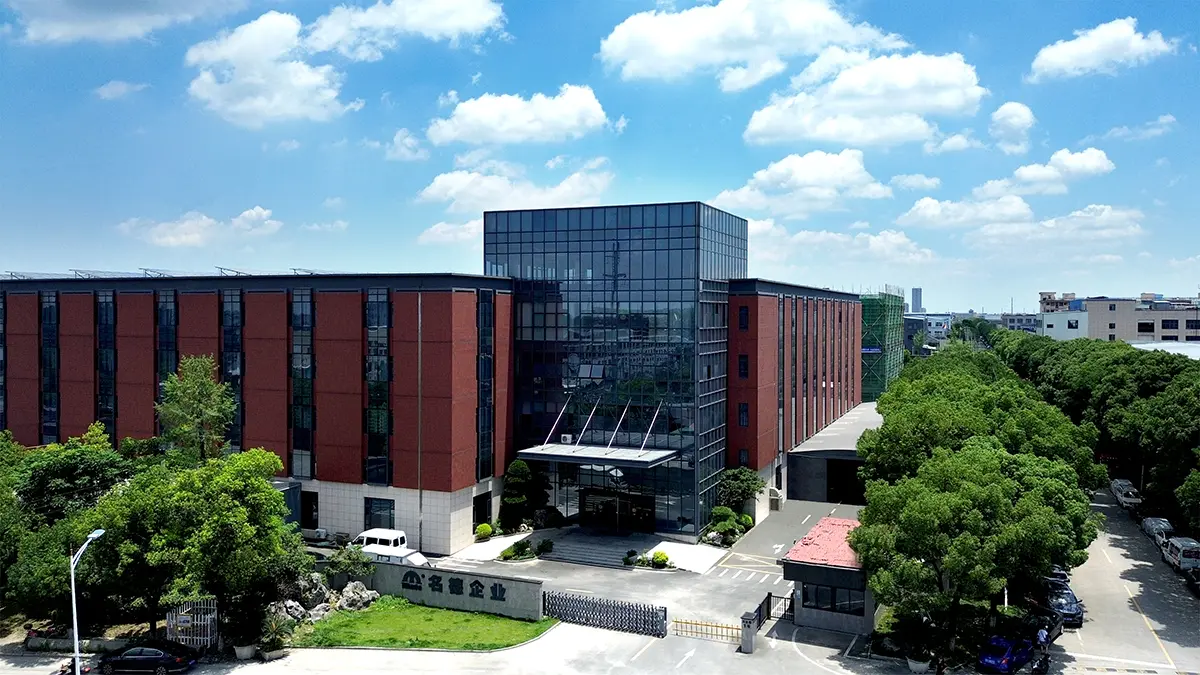
Ningbo Minde Building Materials Co., LTD., based in Zhejiang, China, has engineered polymer pipe structures for global distribution for over two decades. Our premium manufacturing systems support critical municipal and residential installations across the world.
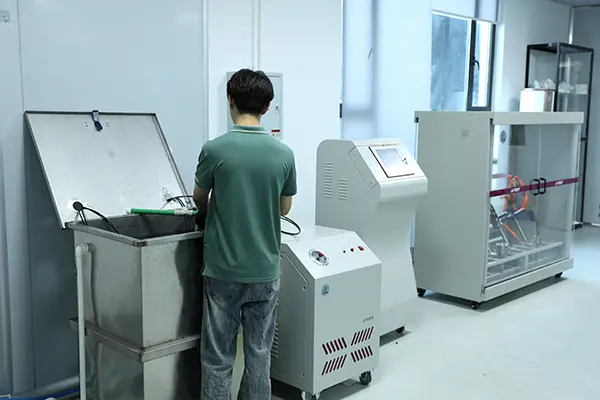
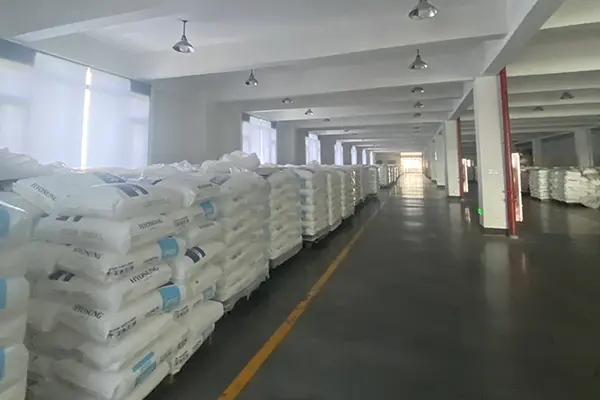
To ensure eco-friendly, long-lasting pipeline products for end users, Minde strictly adopts premium imported virgin raw materials for all production lines. Our manufacturing facilities are backed by rigorous three-tier testing systems encompassing raw material inspection, mid-production inline monitoring, and comprehensive finished product pressure testing.
Understanding the engineering distinctions between cross-linking styles enables engineers to optimize specification criteria for Tokyo metropolitan projects.
PE-Xa is produced through the peroxide method where cross-linking occurs during the initial extrusion phase while the polymer is in an amorphous state. This achieves a cross-linking density exceeding 70-80%, yielding a highly uniform molecular web. PE-Xa features the highest flexibility, allowing installers in tight Tokyo building shafts to bend the pipe with minimal resistance, and boasts "thermal memory" that enables kink repair via simple hot-air gun heating.
PE-Xb is cross-linking occurred post-extrusion in a moisture chamber using silane catalysts. It achieves a cross-linking level of around 65-70%. It has excellent tensile strength and superior resistance to chemical oxidation and chlorine exposure, making it perfect for direct high-pressure cold/hot potable water lines.
In closed-loop hydronic heating systems, oxygen permeation through the tube walls can lead to rapid oxidation and corrosion of metallic boilers, manifolds, valves, and heat exchangers. EVOH (Ethylene Vinyl Alcohol copolymer) is co-extruded as a protective outer skin.
Our multi-layer extrusion process bonds the EVOH film directly onto the outer wall of the PE-Xa or PE-Xb core using high-performance adhesive layers. The EVOH barrier reduces oxygen transmission to negligible rates (far below the DIN 4726 standard requirement of 0.32 mg/m²d at 40°C), protecting high-value heating infrastructure from premature rust and particulate buildup.
Our automated workshops utilize clean technology, imported high-molecular-weight raw materials, and precise environmental monitoring to guarantee zero-defect production.
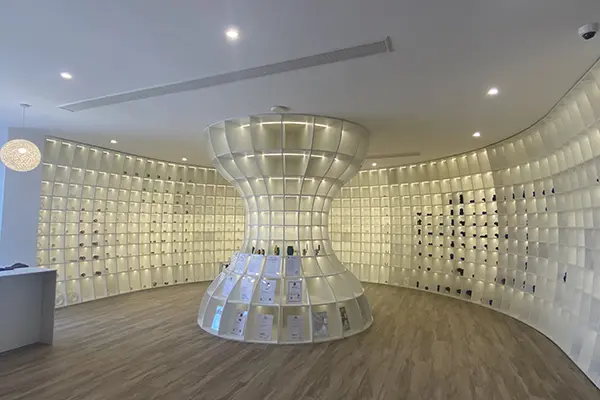
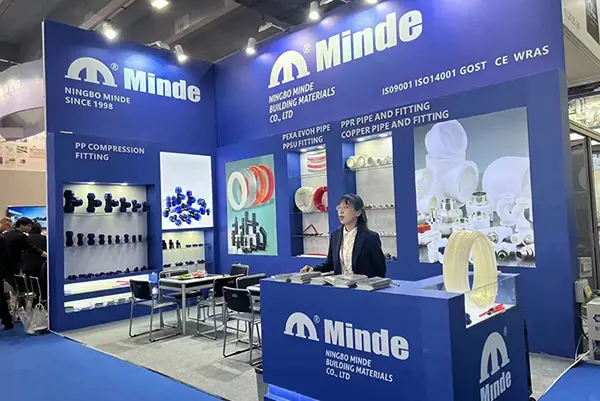
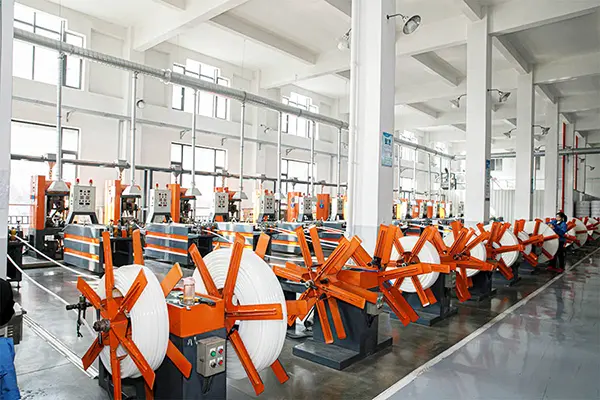
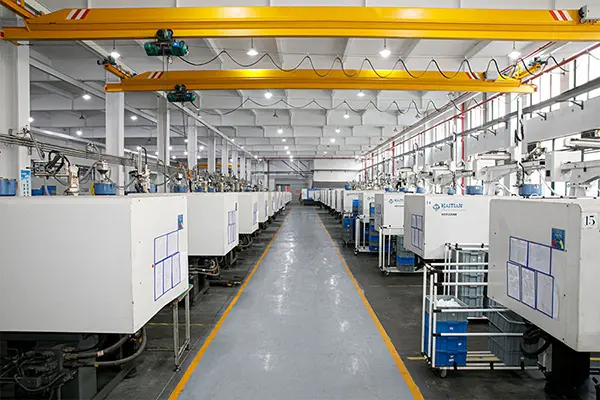
Engineering compliance is fundamental to high-stakes urban developments. Ningbo Minde has structured its processing standards to secure major international certifications, guaranteeing compatibility with Japanese domestic frameworks and global contractor requirements.
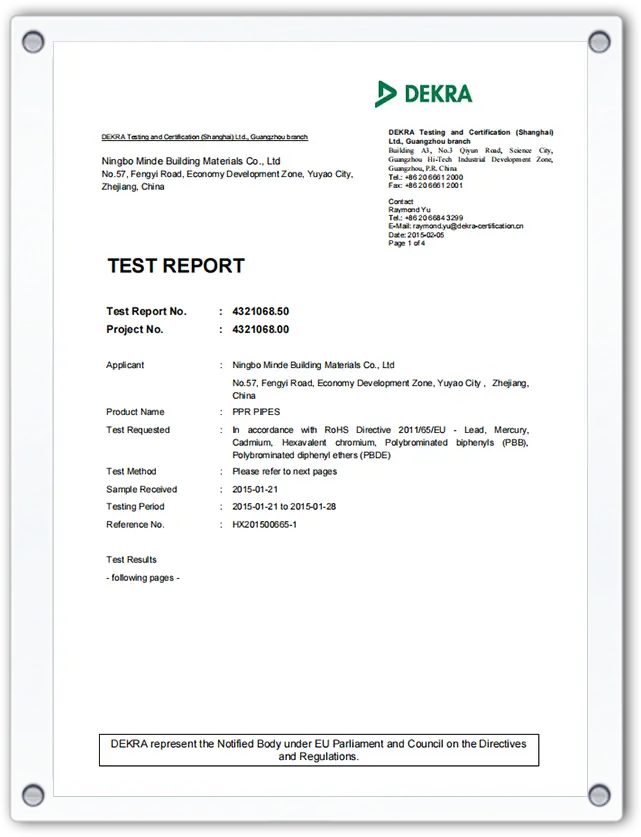
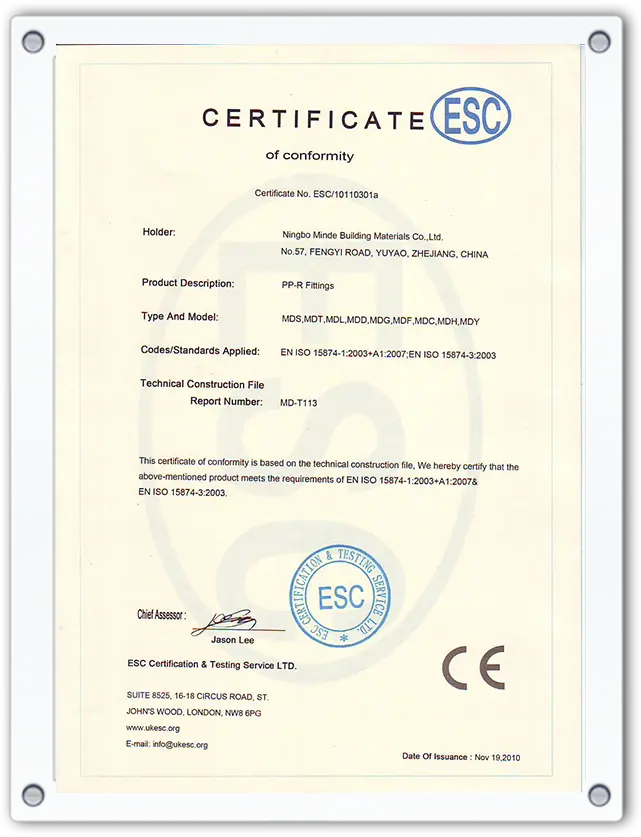
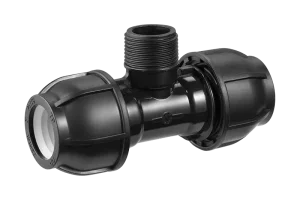
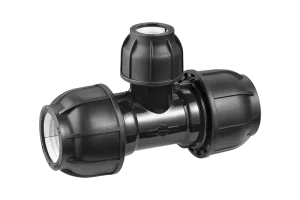
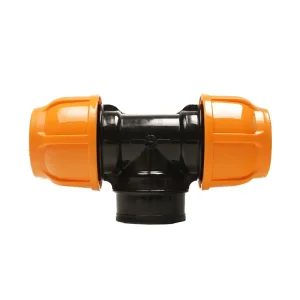
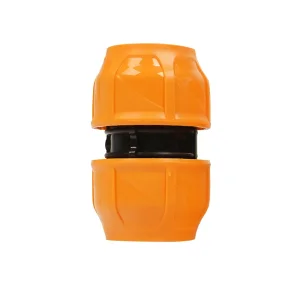
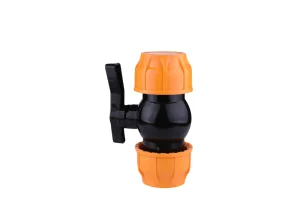
Our high-pressure PP compression fittings and PPR cold/hot water pipes round out our municipal distribution offerings, ensuring seamless connections across HDPE and PEX structures.
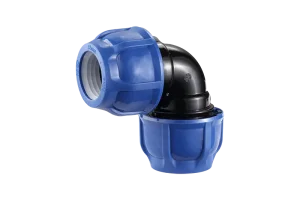
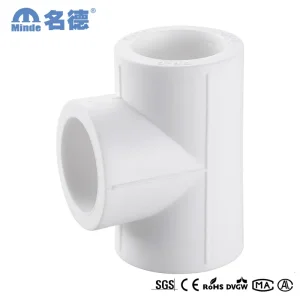
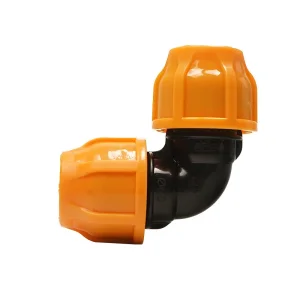
Implementing dynamic polyolefin technology across metropolitan zoning types delivers critical efficiency and security benefits.
Traditional rigid pipelines rupture during shear movements, but our flexible PE-Xa and PE-Xb systems curve safely. During building foundation displacement, the long-term elastic memory of Minde piping mitigates physical shock waves, preserving water service lines immediately following earthquake incidents.
As underfloor hydronic heating becomes standard in modern Tokyo luxury residential high-rises, our Pex-Al-Pex and EVOH-coated PE-Xa pipes provide maintenance-free service. Rapid heat distribution combined with low oxygen transmission ensures low heating costs and maximum HVAC lifecycle efficiency.
Minde multi-layer composite pipelines (Pex-Al-Pex) maintain the pressure resistance of metal pipes with the anti-corrosion properties of premium plastics. This composite structure prevents mineral scaling, maintaining consistent flow diameters over decades of continuous hot and cold water cycles.
In Tokyo's peri-urban green zones and recreational parks, Minde's high-pressure PP compression fittings and PN10/PN16 HDPE networks provide long-lasting, leak-proof connections. Easy field assembly eliminates the need for welding equipment or power generators in remote areas.
Frequently asked questions concerning standards, material characteristics, and installation procedures of Minde PEX and fitting systems.
Our PE-Xa and PE-Xb pipes are manufactured in strict compliance with ISO 15875 and DIN 16892/16893, which match or exceed the performance thresholds defined by Japanese standards (such as JIS K 6769 for cross-linked polyethylene pipes). Our products undergo exhaustive hydrostatic pressure testing at elevated temperatures (95°C) to ensure their long-term hydrostatic strength matches local requirements.
Without an EVOH barrier, oxygen gas molecules slowly diffuse through the molecular structure of the plastic pipe wall into the recirculating heating water. This dissolved oxygen triggers rapid corrosion of metal components (boilers, radiators, steel manifolds) and promotes bacterial growth that creates sludge. The co-extruded EVOH layer blocks this permeation, protecting systems against clogging and corrosion.
Pex-Al-Pex pipes incorporate an aluminum core sandwiched between layers of cross-linked polyethylene. This design features a low coefficient of linear thermal expansion (similar to copper), reducing the expansion and contraction of pipes exposed to temperature changes. It also remains bent without springback, simplifying neat installations in surface-mounted runs.
Our PP compression fittings are designed to support mechanical joint integrity up to PN16 pressures. Unlike rigid welded lines, these fittings feature a high-quality NBR O-ring sealing mechanism and a polyacetal split ring that grips the pipe. Under seismic movement, the connection allows micro-rotations and minor physical shifts without compromising the seal, preventing pipe fractures.
When operated within design parameters (continuous temperatures ≤70°C and pressures conforming to rated class limits), our PE-Xa, PE-Xb, and Pex-Al-Pex pipes offer a service life exceeding 50 years. This longevity is backed by premium imported virgin raw materials and continuous quality monitoring across our 45 extrusion lines.
 Minde
Minde