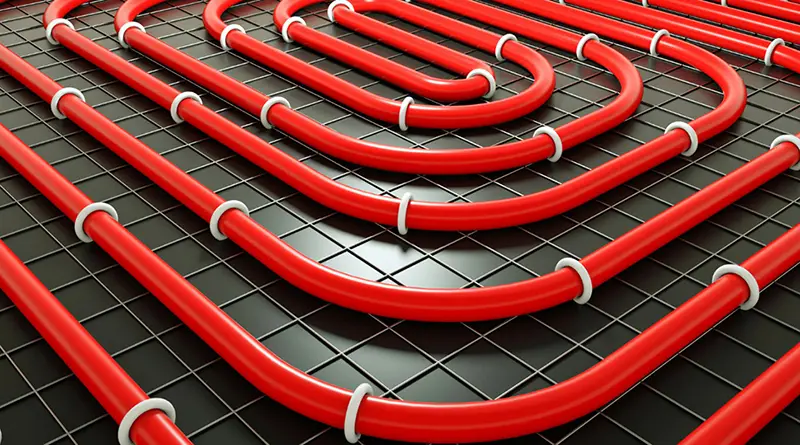
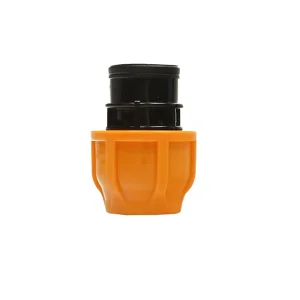
Engineered to support PN16 high-pressure thresholds and rigorous fluid transport specifications.
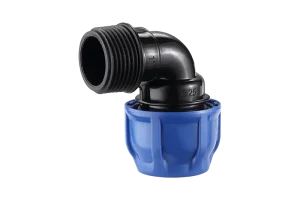
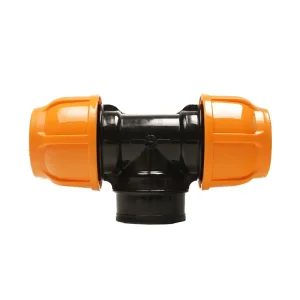
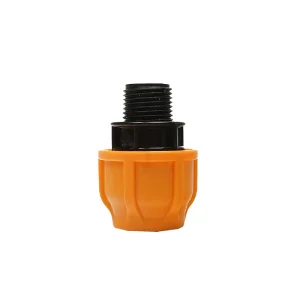
How regulatory compliance, pressure dynamics, and European Union certifications shape the current global supply chain.
Under the European Pressure Equipment Directive (PED) 2014/68/EU, brass valves designed for pressure systems must bear the CE Certification. This mark ensures that the valves have undergone rigorous stress analysis, material testing, and design assessments, guaranteeing safety in public water networks, HVAC frameworks, and commercial gas pipelines. Without CE validation, imported flow systems risk rejection at European borders and raise high liability concerns for installers.
Global standards, such as the revised EU Drinking Water Directive (DWD) and NSF/ANSI 61 in North America, mandate a strict transition towards lead-free brass (e.g., CW724R, CW511L) or dezincification-resistant (DZR) alloys. Modern manufacturers rely on high-precision electric-induction smelting to preserve alloy purity, preventing heavy metals from leaching into domestic water networks.
With massive public funding directed toward modernization and energy efficiency, the demand for brass valves in smart thermal networks has spiked. Commercial buildings require highly durable, electronically actuated zone valves and hydronic balancing systems. The industry's current trajectory highlights hybrid solutions that combine structural brass cores with durable engineered polymers.
The global industrial valve market is projected to reach USD 95 Billion by 2028. Brass valves occupy a dominant share in sub-systems because of their outstanding machinability, inherent corrosion resistance, and high structural integrity at temperature spectrums ranging from sub-zero to 120°C.
Reviewing the technical blueprints, standards compliance, and performance ratings of industrial brass valves.
Not all brass is created equal. The mechanical strength, corrosion rate, and stress cracking threshold depend highly on the alloy composition. Below is an engineering overview of the primary alloys used by professional manufacturers:
Engineered systems rely on predictable parameters. The standards below outline the design margins for CE marked brass valves and high-end compression couplings:
| Max Pressure Rating | 1.6 MPa (PN16) / PN25 Optional |
| Temperature Span | -20°C to 120°C |
| Seat Material | PTFE (Virgin / Reinforced) |
| O-Ring Elastomers | EPDM (Potable) / NBR / Viton |
20+ years of industrial leadership, bridging polymeric extrusion and brass metallurgy.

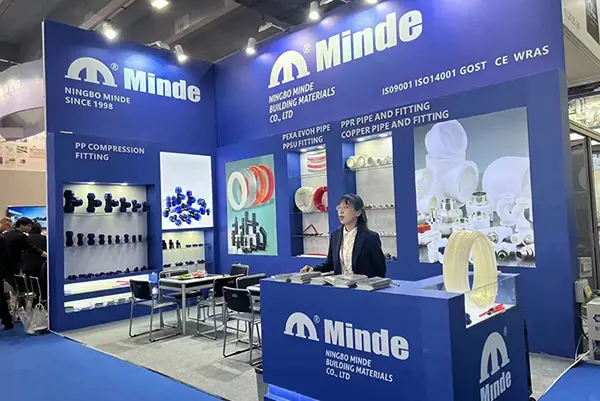
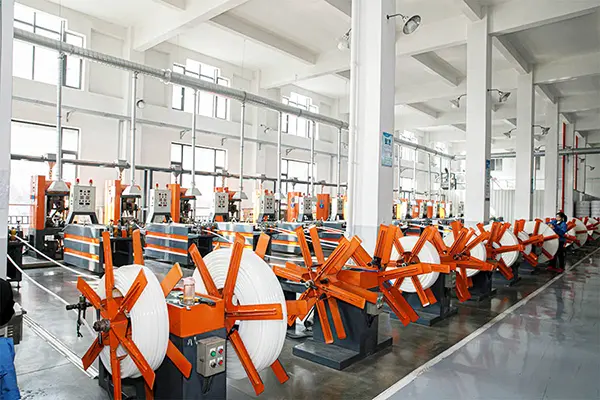
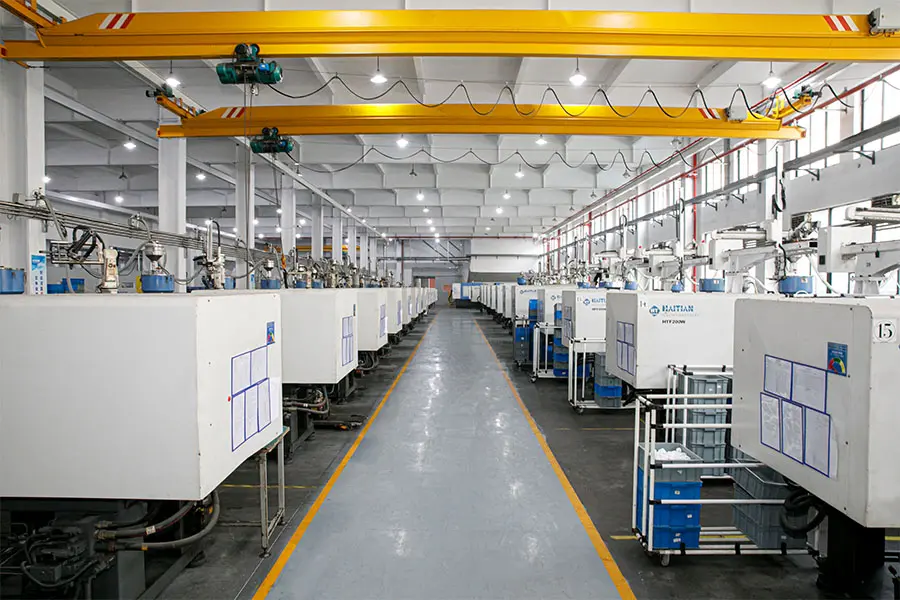
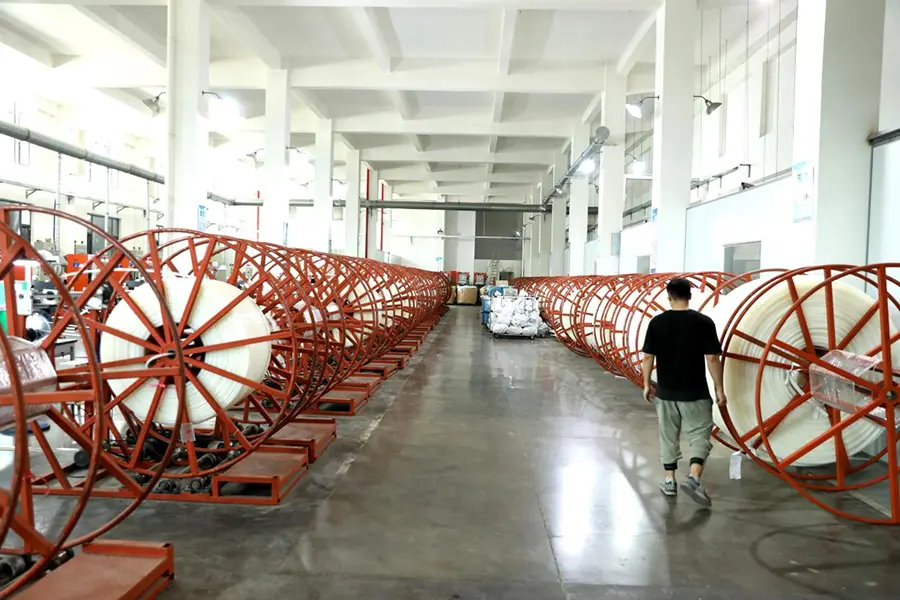
We are Ningbo Minde Building Materials Co., LTD., based in Zhejiang Province, China. For more than two decades, we have focused exclusively on research, production, and high-precision quality control of plastic piping, PP compression fittings, and matching valves. To ensure high-quality, long-lasting, and environmentally friendly solutions, our facility relies entirely on imported virgin raw materials, eliminating low-grade recycled plastics that lead to micro-fractures and system failures.
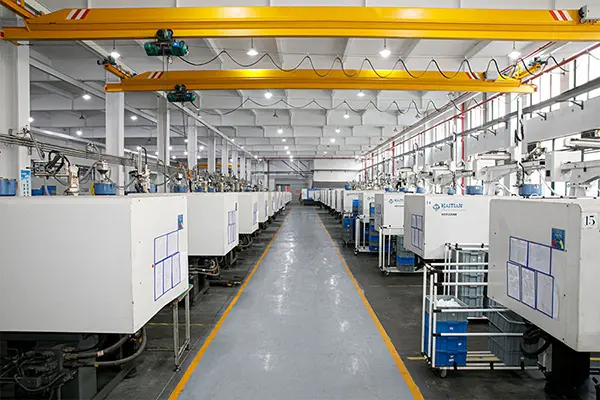
Our infrastructure covers over 90,000 square meters, supported by 200+ trained staff and a designated team of technical engineers. We handle large-scale OEM/ODM projects with short lead times, maintaining structural consistency across thousands of product lines.
Minde operates three independent inspection checkpoints to ensure a 100% acceptance rate:
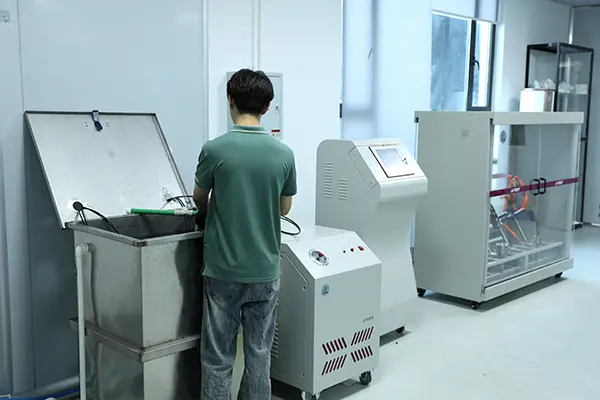
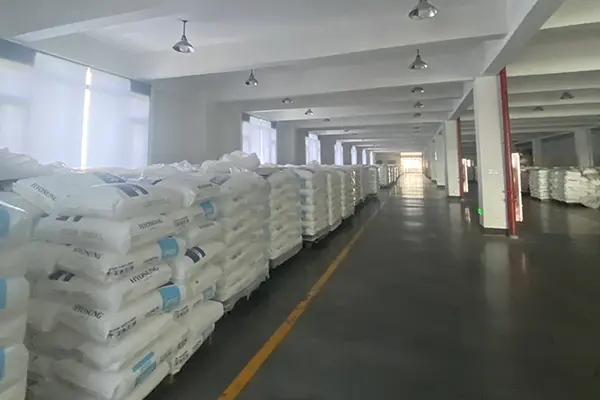
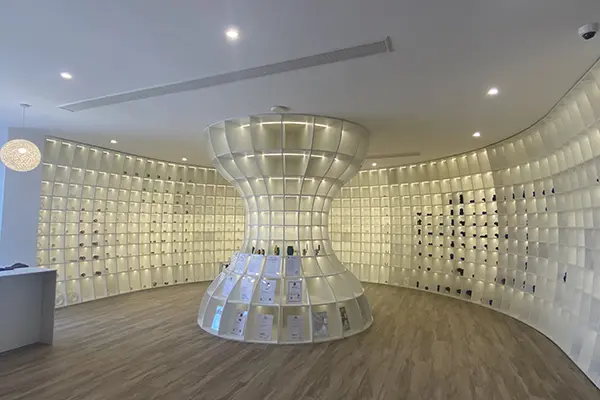
Our commitment to international quality standards, documented by global laboratories.
With an emphasis on safety and system lifespan, our factory operations and products have received certifications including ISO9001:2022, ISO14001, CE (Pressure Equipment Directive), British WRAS for drinking water networks, and Russian GOST standards.
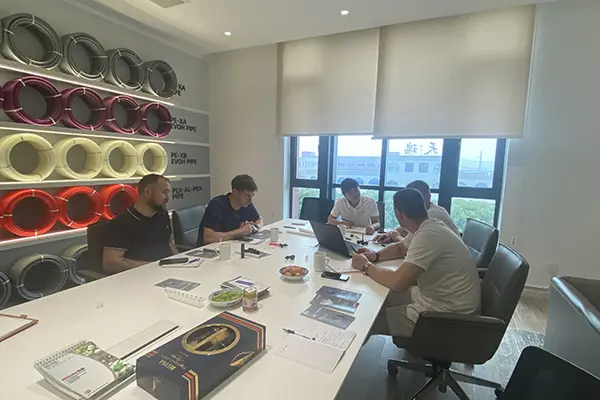
These credentials enable us to export to more than 50 countries, including Russia, Ukraine, Southeast Asia, South America, and the Middle East.
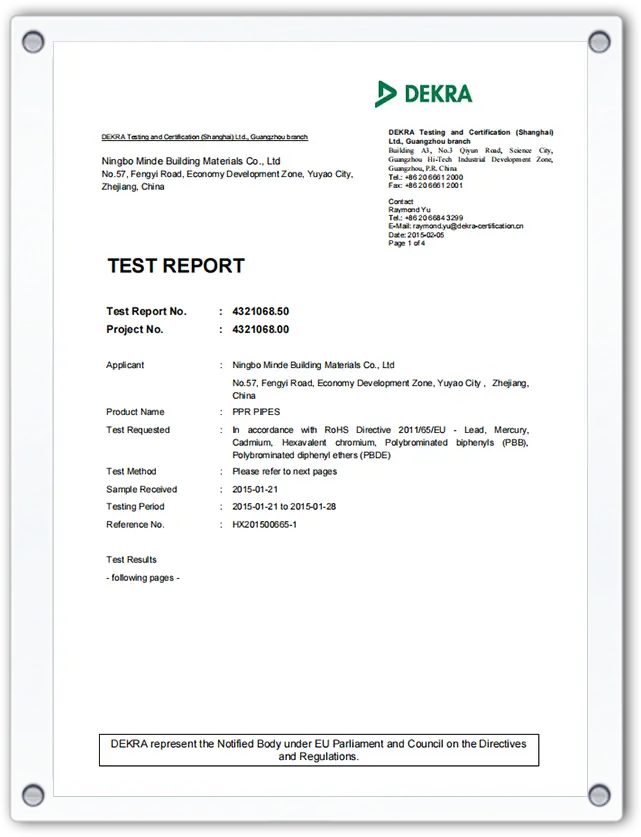
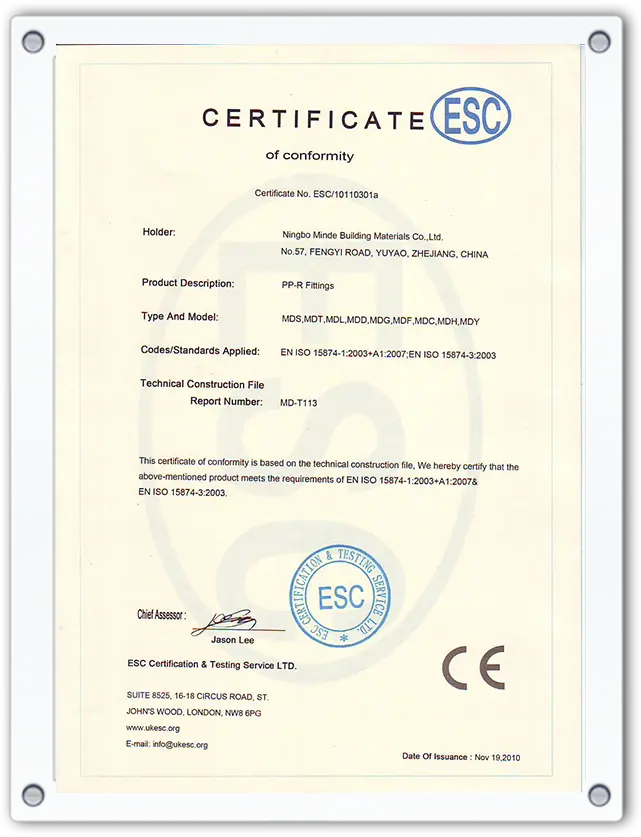
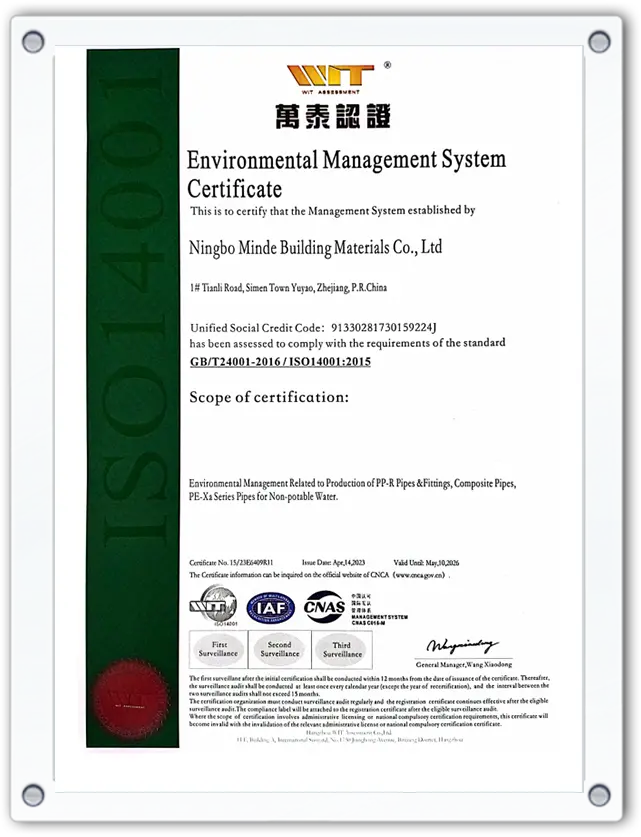
Integrating brass valves and compression fittings into modern municipal, residential, and agricultural networks.
A commercial analysis of raw material costs, size variations, and unit values for sourcing managers.
Sourcing prices fluctuate based on the London Metal Exchange (LME) copper index and polymer feedstock costs. To assist engineering procurement teams, the table below lists current baseline manufacturing quotes for standard brass and premium compression products (FOB Ningbo / Shanghai Port):
| Product Model & Type | Dimensions | Material Spec | Pressure Class | Est. Price (USD / Unit) |
|---|---|---|---|---|
| CE Brass Ball Valve (F-Thread) | 1/2" DN15 | CW617N (CE approved) | PN25 | $2.45 - $3.10 |
| CE Brass Ball Valve (F-Thread) | 3/4" DN20 | CW617N (CE approved) | PN25 | $3.80 - $4.60 |
| CE Brass Ball Valve (F-Thread) | 1" DN25 | CW617N (CE approved) | PN25 | $5.90 - $7.20 |
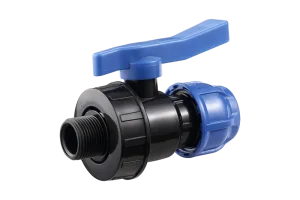
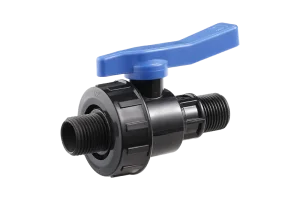
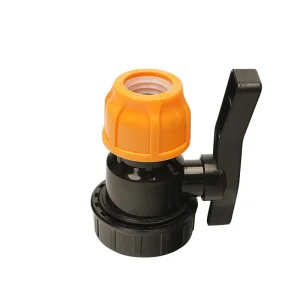
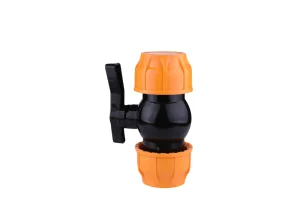
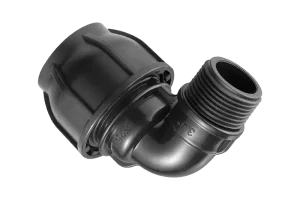
| PP Compression Ball Valve (M-M Thread) | 20mm x 1/2" | Virgin PP-B + Brass Core | PN16 | $1.80 - $2.30 |
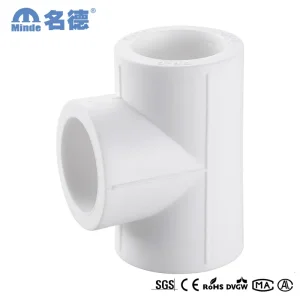
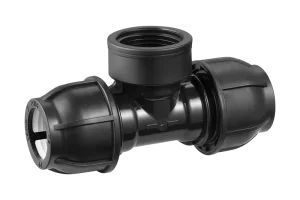
| PP Compression Equal Tee | 32mm | High Grade Polypropylene | PN16 | $1.15 - $1.65 |
| DZR Brass Gate Valve | 1" DN25 | CW602N (Dezinc Resistant) | PN20 | $8.40 - $9.80 |
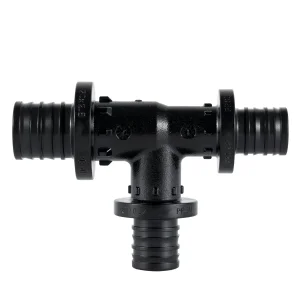
| PPSU Equal Tee for PEXa pipe | 16mm x 2.2mm | Premium Polyphenylsulfone | PN10 | $0.75 - $1.10 |
Understanding these variables helps procurement teams plan and budget effectively:
We recommend the following steps to optimize sourcing:
Supporting international supply chains with prompt logistics, customizable packaging, and reliable technical service.


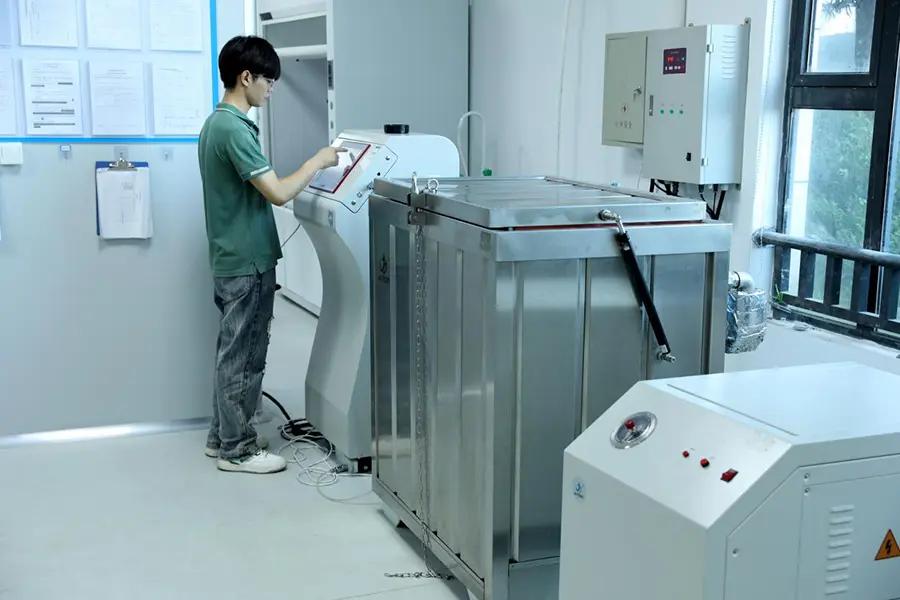
We welcome distributors, utility authorities, and project managers worldwide. Our core business principles are built on Innovation, Quality, Price, and Service. By pairing technical manufacturing with responsive support, we help partners streamline and secure their supply chains.
Technical answers to common questions about CE certification, material grades, and system planning.
Designed for sub-floor heating manifolds, cold-water networks, and industrial plumbing applications.
 Minde
Minde