Explore our foundational range of certified flanges, valves, and high-strength HDPE pipeline fittings.
Strategic insights into Ningbo Minde Building Materials' production scale, state-of-the-art infrastructure, and global footprint.
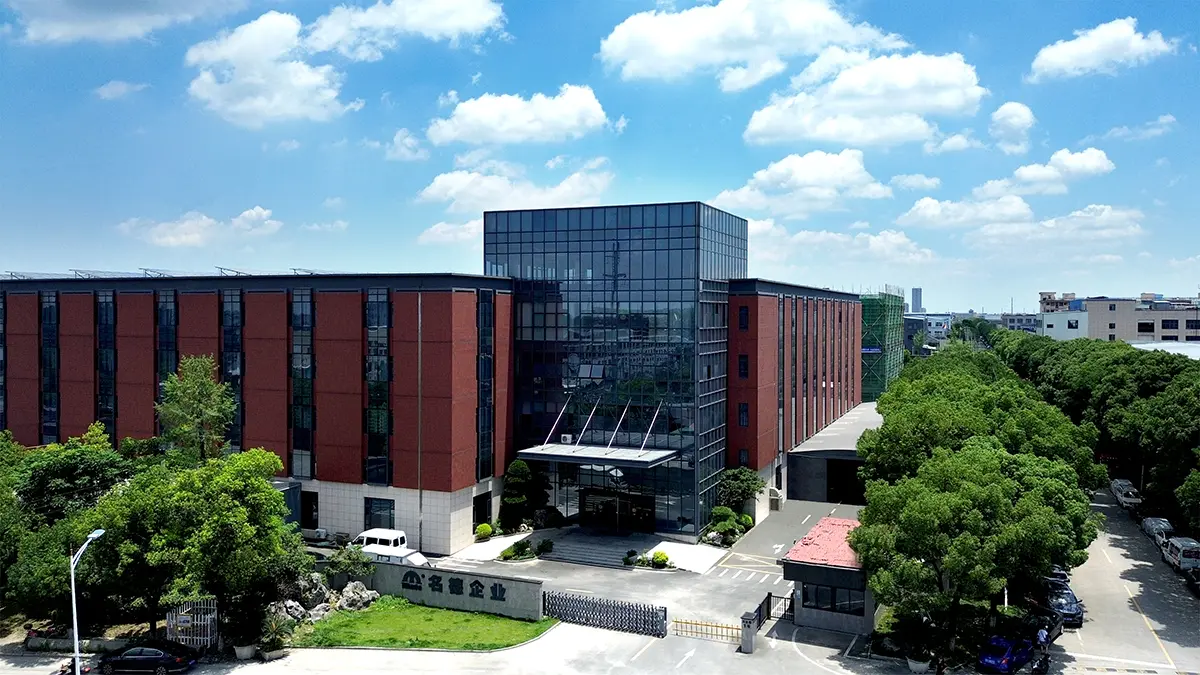
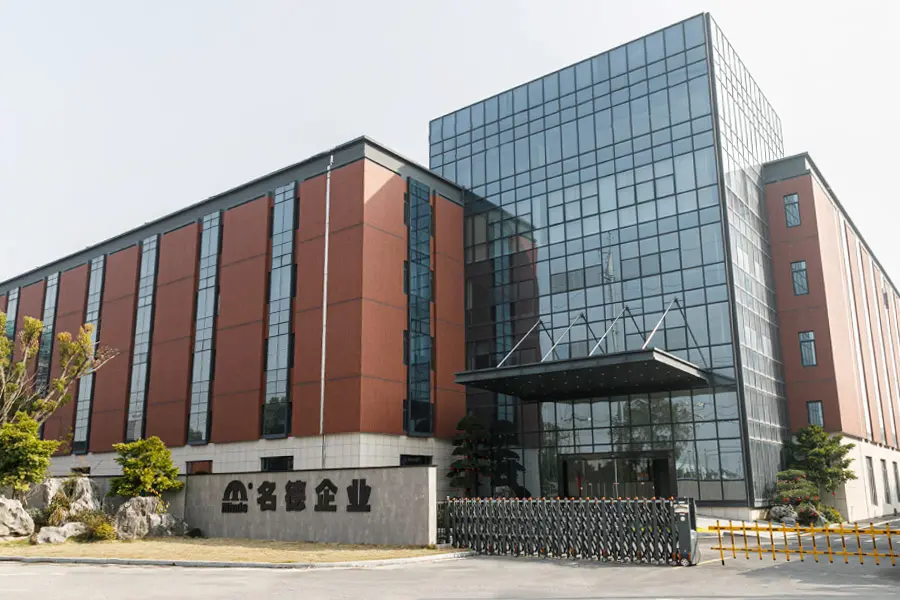
Established in Zhejiang Province, China, Ningbo Minde Building Materials Co., LTD. has spent over twenty years engineering premier plastic piping systems and matching connectives. We stand out in the competitive piping industry by implementing a non-compromise materials protocol: utilizing only premium imported virgin raw materials. This eliminates common system failure points associated with recycled plastics, guaranteeing leakproof lifespans across residential potable systems, agricultural networks, and underfloor thermal installations. Our three key inspection gates—raw material qualification, in-line process inspection, and finalized product structural validation—ensure that every flange, tee, and coupling leaving our facility meets strict global quality metrics.
Across modern civil infrastructure, the global transition to high-density polyethylene (HDPE) and polypropylene random copolymer (PPR) lines is accelerating. Industrial pipe systems rely on mechanical connections that can withstand dynamic earth movements, thermal cycling, and internal pressure variations. In this space, the flange represents the primary structural interface for connecting piping runs to metallic valves, pump housing, and processing equipment.
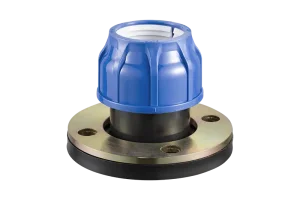
The global demand for reliable flanges has evolved beyond traditional cast-iron and carbon steel designs. Engineers now prioritize hybrid polymer configurations, such as PP compression flanges with embedded metal disks. These components isolate fluid channels from external environmental corrosion while maintaining the structural rigidity of a steel backing plate. This design prevents localized shear failures and seal deformities under dynamic loads, establishing a standard for critical fluid transport systems globally.
Positioned near the deep-water shipping channels of the Port of Ningbo-Zhoushan, Minde’s production hub offers clear logistical and cost advantages for global procurement. The localized integration of chemical raw materials, heavy equipment fabrication, and maritime logistics allows for shorter lead times and predictable shipping cycles.
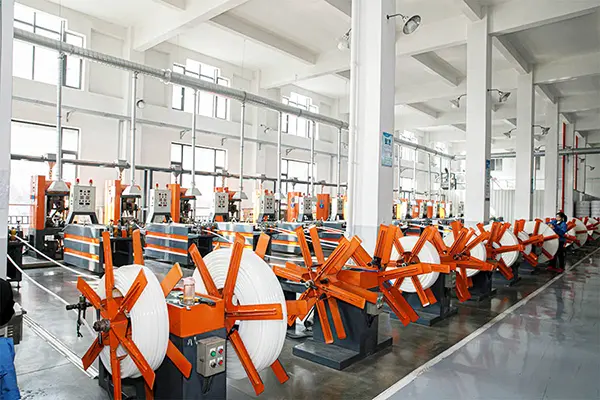
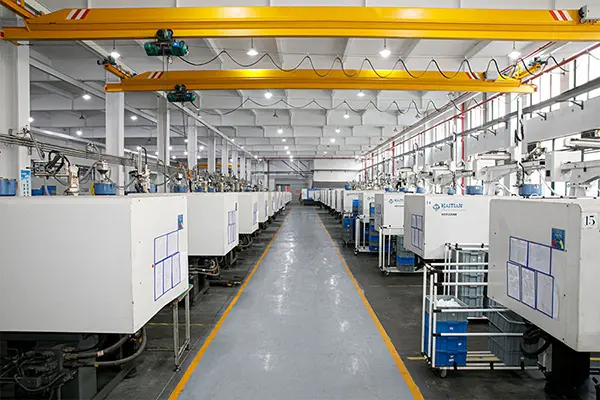
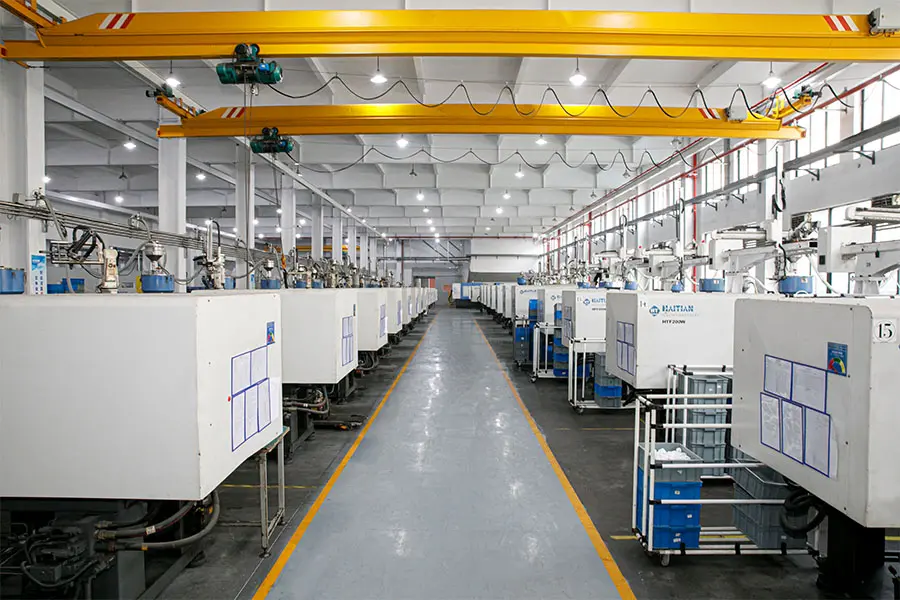
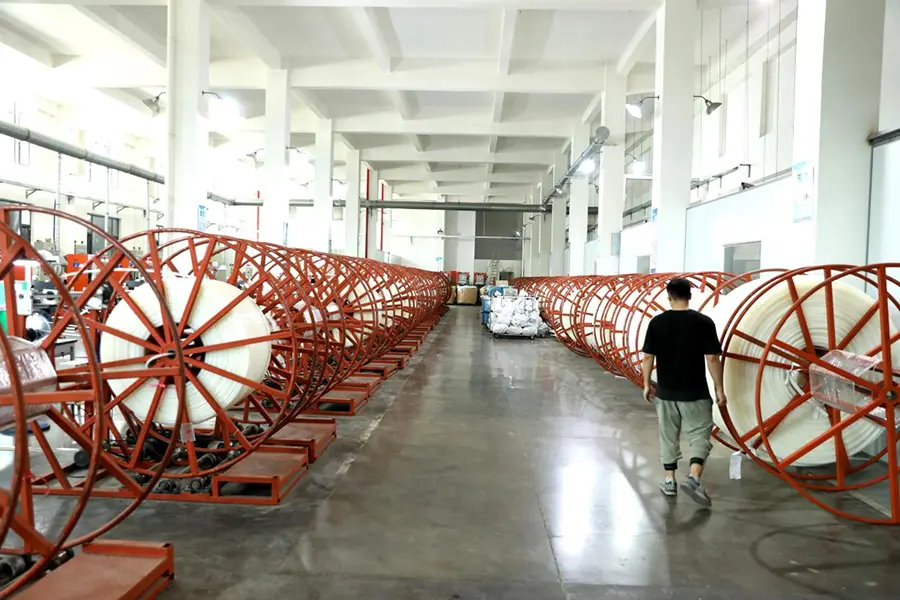
45 automated extrusion lines and 85 high-tonnage injection units run continuously. This level of automation keeps dimensional tolerances within microns and limits manual handling errors.
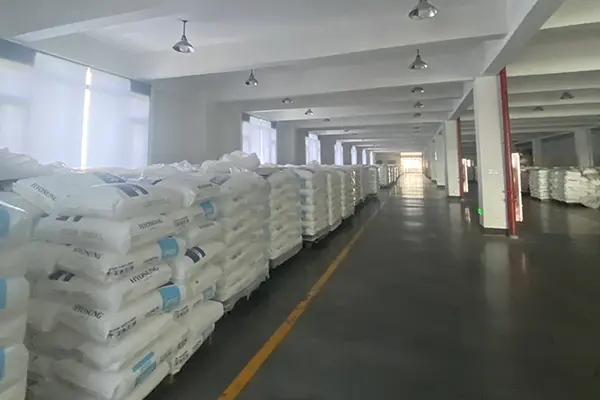
Our pneumatic feeding system manages raw polymers in a sealed environment. This keeps material ratios consistent, prevents cross-contamination, and prevents structural variance in the molded parts.
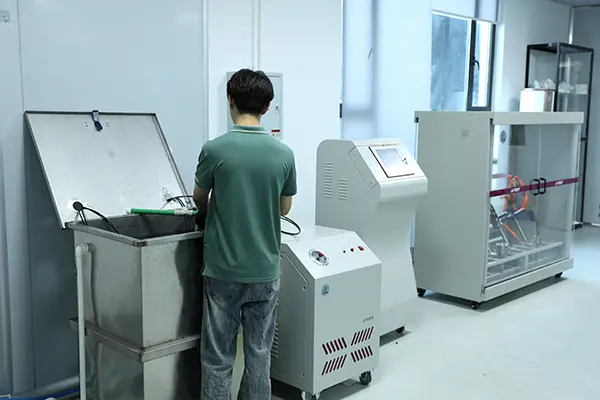
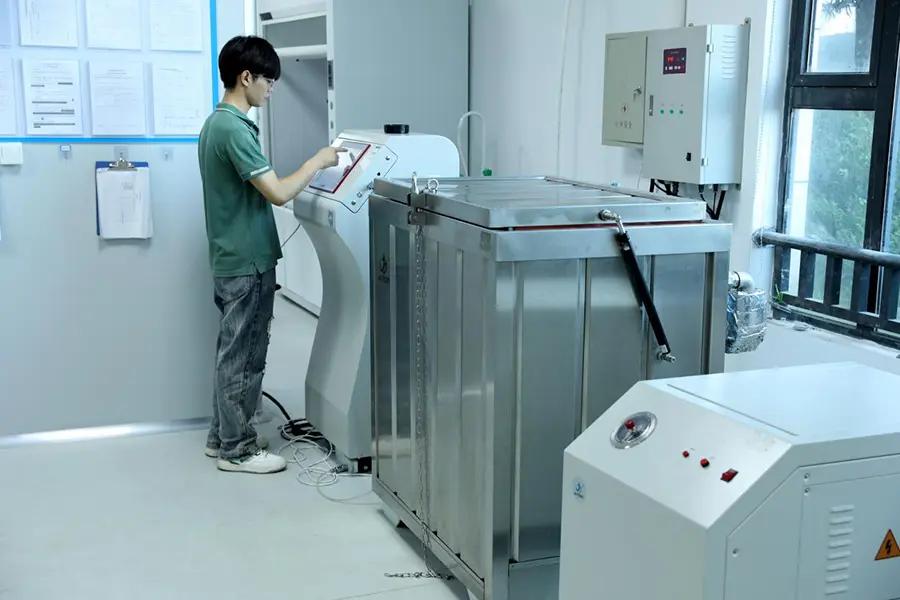
Three independent quality control stations track material chemistry and part stress levels. We perform hydrostatic, impact, and thermal fatigue tests before approving parts for shipping.
Modern civil engineering relies on targeted materials to handle specific thermal and chemical environments. Minde's piping solutions are designed to fit three main application fields:
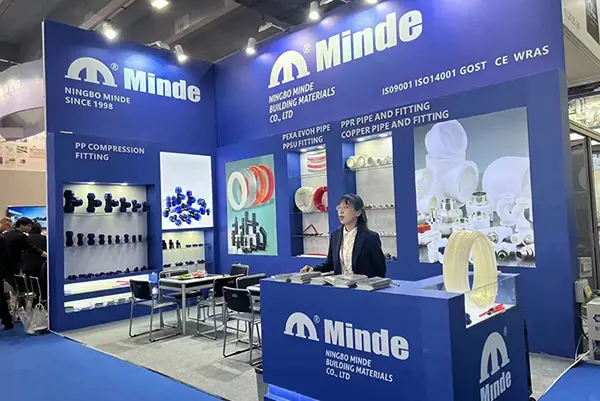
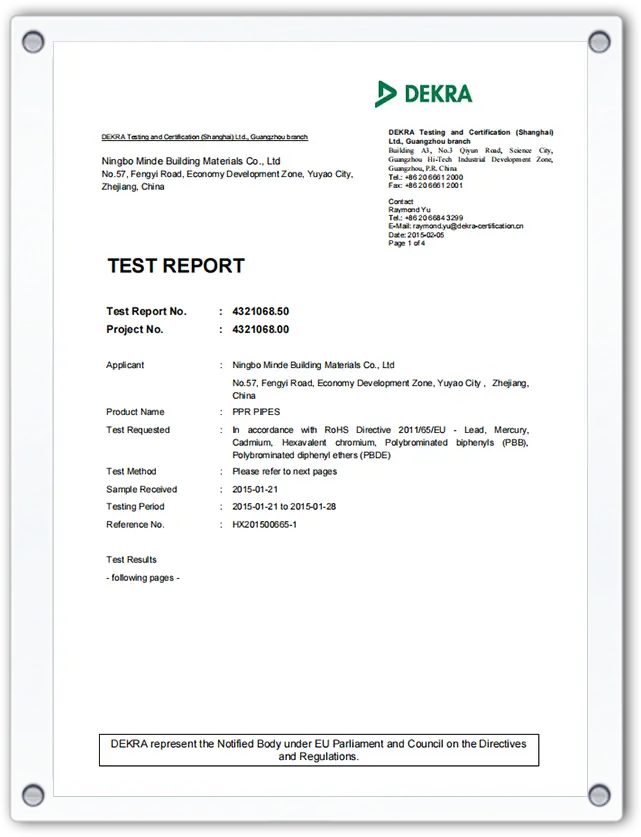
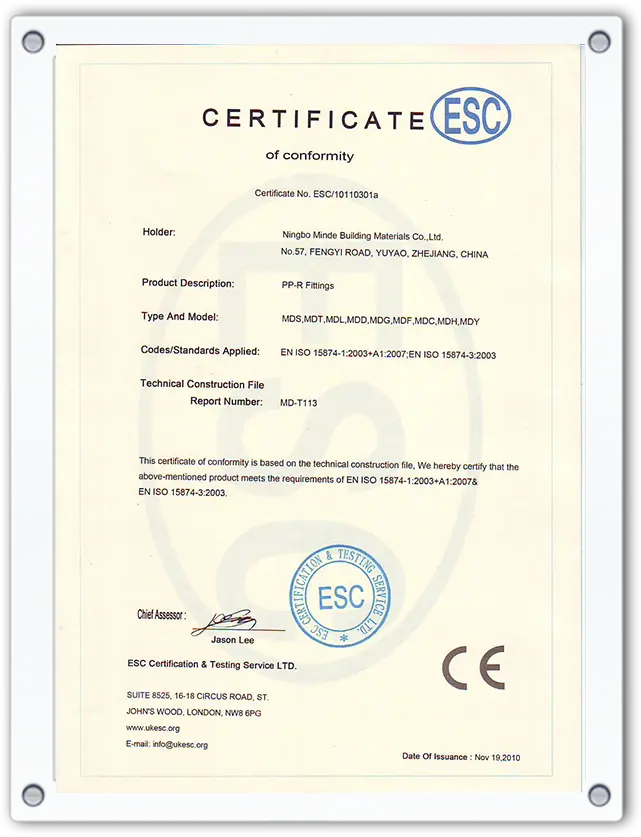
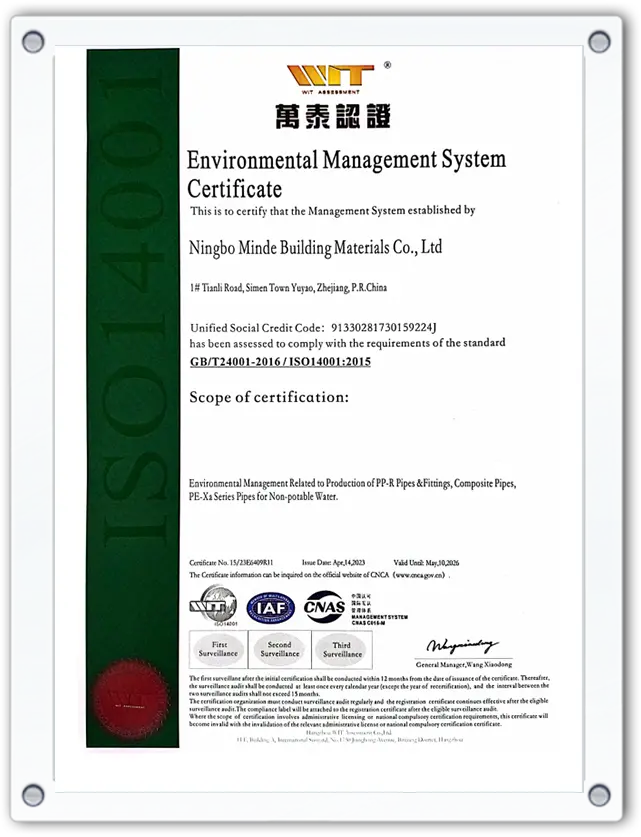
To ensure reliability for municipal projects, Minde maintains international product certifications. Our systems are verified under the ISO9001:2022 Quality Management System and ISO14001 Environmental Management standard. For regional markets, our lines carry the European CE Mark, the British WRAS drinking water certificate, and the Russian Federation's GOST validation.
The piping industry is moving toward materials that require less energy to manufacture and transport than heavy metals. Large infrastructure projects now prioritize plastic solutions due to their lower carbon footprint and longer service life.
Recyclability, reduced energy consumption during extrusion, and leak-proof mechanical joints are key selection criteria for project designers. Minde is addressing these demands by refining our raw polymer formulations, enhancing our tool designs, and offering modular compression fittings that reduce the installation time of HDPE networks.
When sourcing flanges and piping components from China, purchasing teams must look beyond unit cost. To ensure long-term value, procurement evaluations should consider:

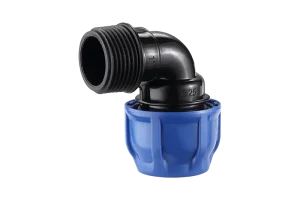
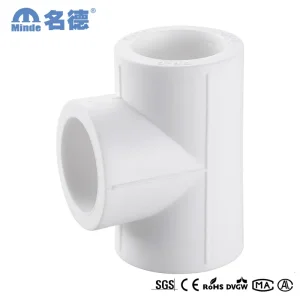
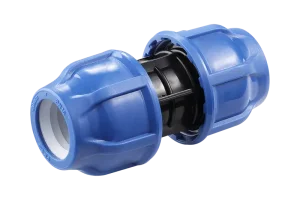
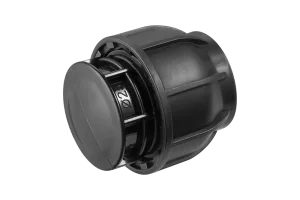
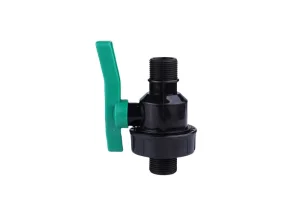
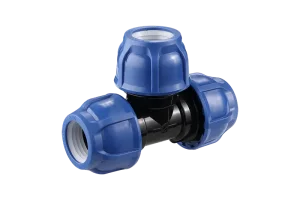
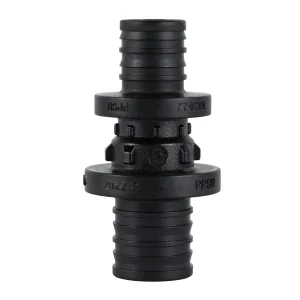
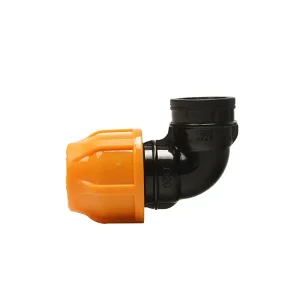
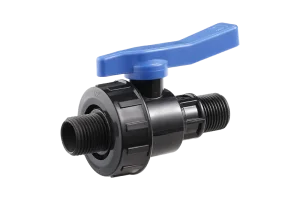
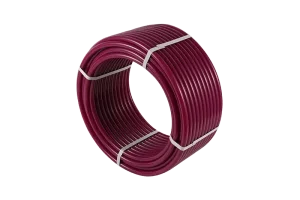
A detailed view of our standard compression tees, couplings, elbows, and specialty heating components.
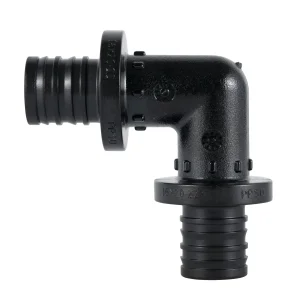
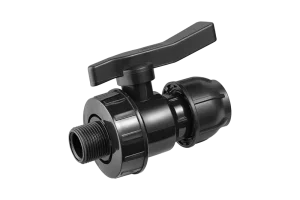
Technical answers to common questions asked by procurement managers and pipeline designers.
 Minde
Minde