Minde
Minde
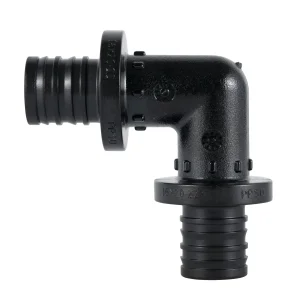
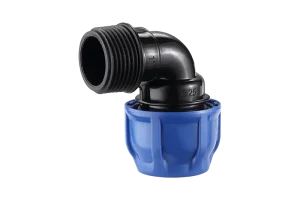
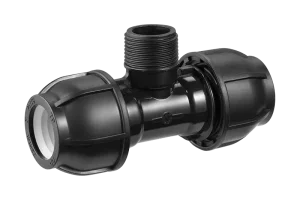
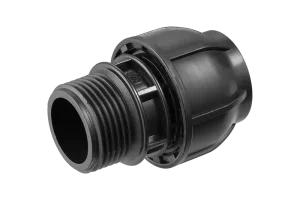
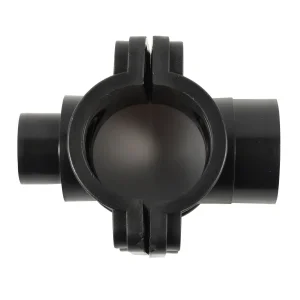
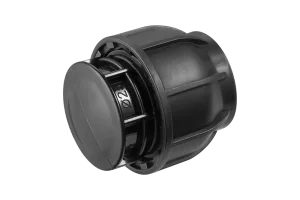
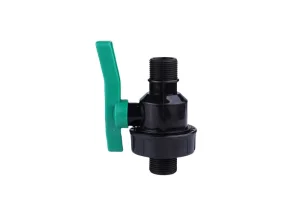
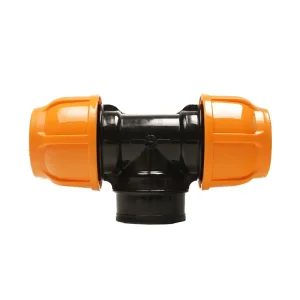
The Standard for High-Performance PPR Male Adaptors
Analyzing the engineering parameters, interface dynamics, and material integration of PPR metal-to-plastic transitions.
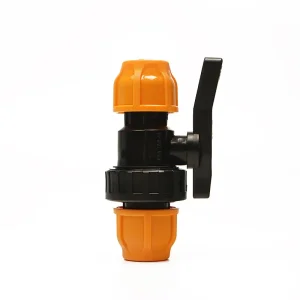
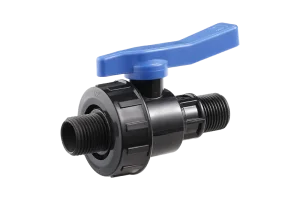
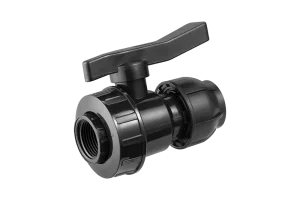
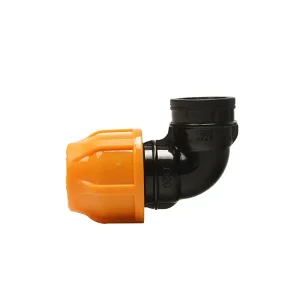
In modern high-pressure distribution piping, the transition between rigid metal pipework and plastic piping systems represents a critical stress point. The PPR Male Adaptor acts as the central structural component bridging these materials. Utilizing Polypropylene Random Copolymer (PPR Type 3) alongside specialized brass threaded inserts, these adaptors maintain physical sealing integrity across diverse temperature and pressure bands. Choosing the right PPR Male Adaptor factory directly impacts system safety, hydraulic efficiency, and long-term operating costs.
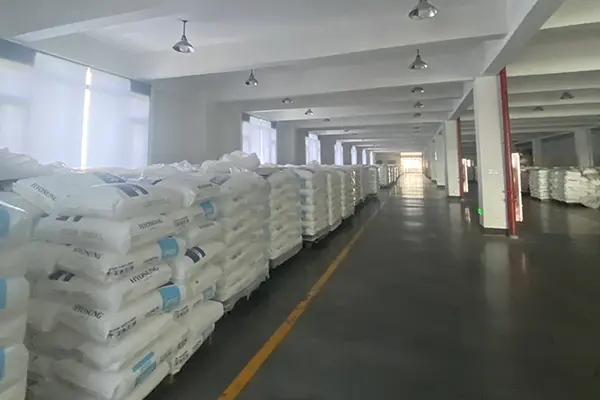
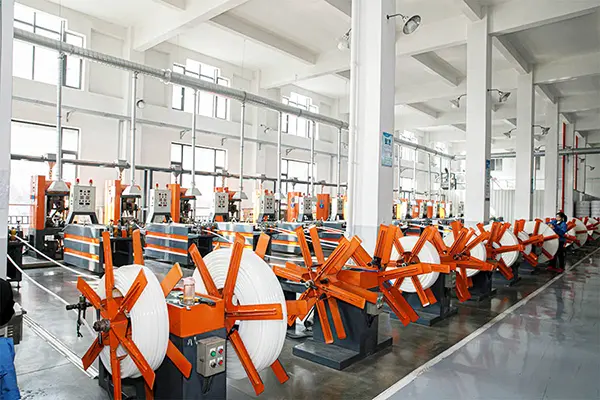
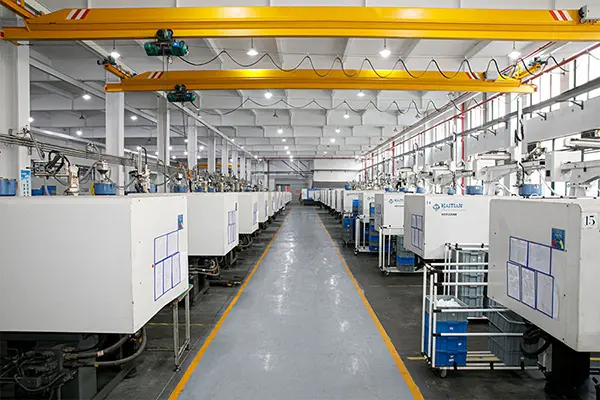
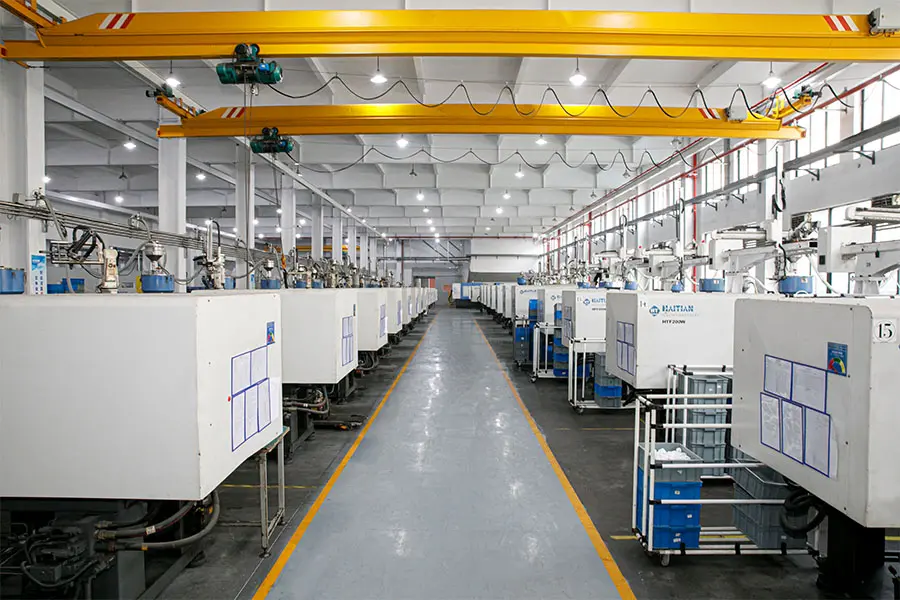
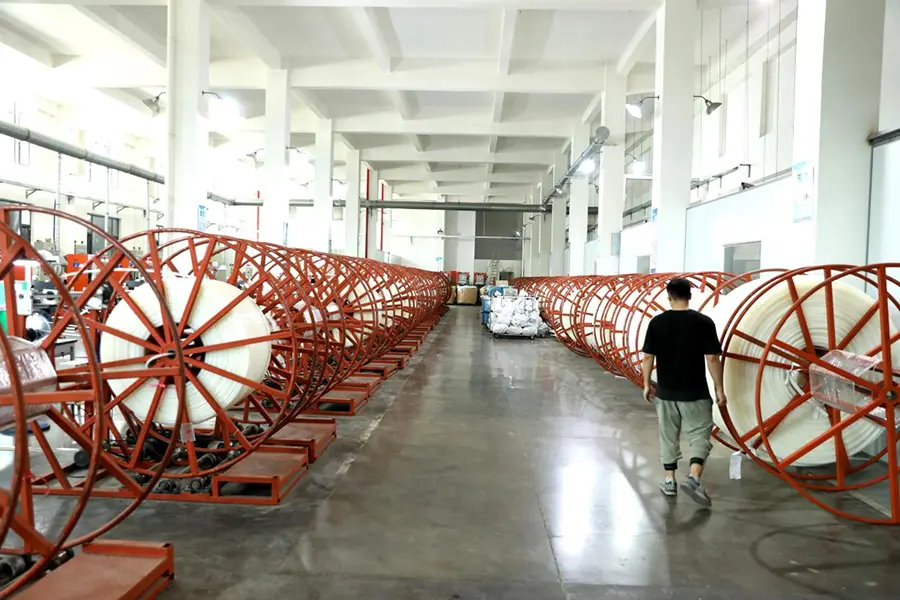
For engineering firms, utility networks, and commercial building operations, system failure is not an option. Inferior adaptors exhibit cracking at the plastic-to-metal interface, thread stripping under torque load, or dezincification corrosion. High-grade factories resolve these issues through advanced injection molding, optimized material design, and strictly controlled raw material sourcing.
Critical Engineering Performance Factors
To evaluate a manufacturer's output, engineers analyze several core parameters:
- Polymer Grade Quality: High-performance factories employ 100% virgin imported PPR resin. This material yields a highly crystalline structure with optimal molecular weight distribution, sustaining operating pressures up to PN25.
- Thread Interface Anchor: The internal brass insert must feature deep, multi-directional knurling. When hot polymer is injected around it during molding, it creates a robust mechanical interlock that prevents rotational slippage and axial leaks during high-torque installation.
- Thermal Compatibility: Brass and PPR expand at different rates under thermal cycles. Leading manufacturers optimize the wall thickness and design of the transition zone to absorb these internal stresses from 0°C up to 95°C.